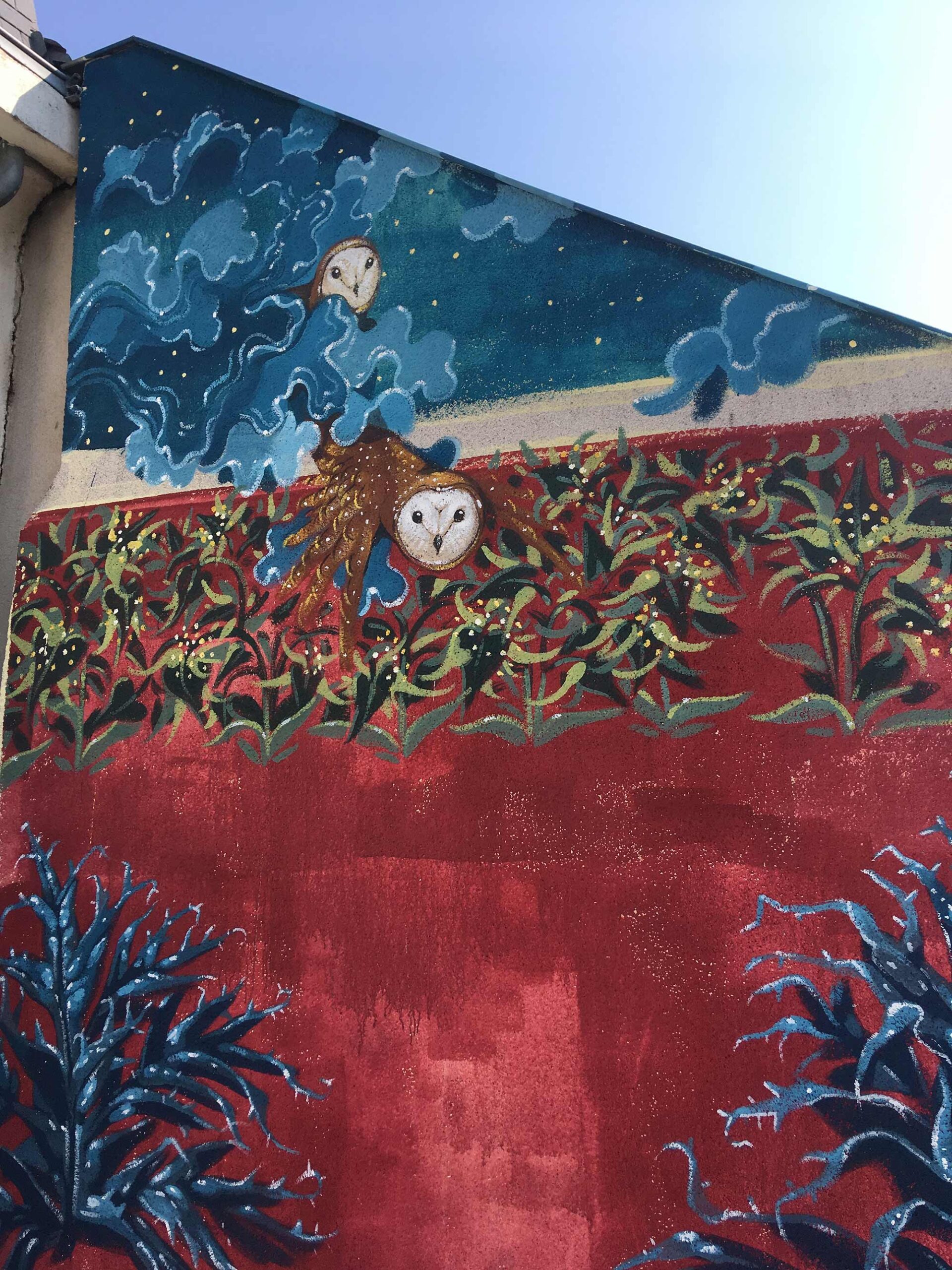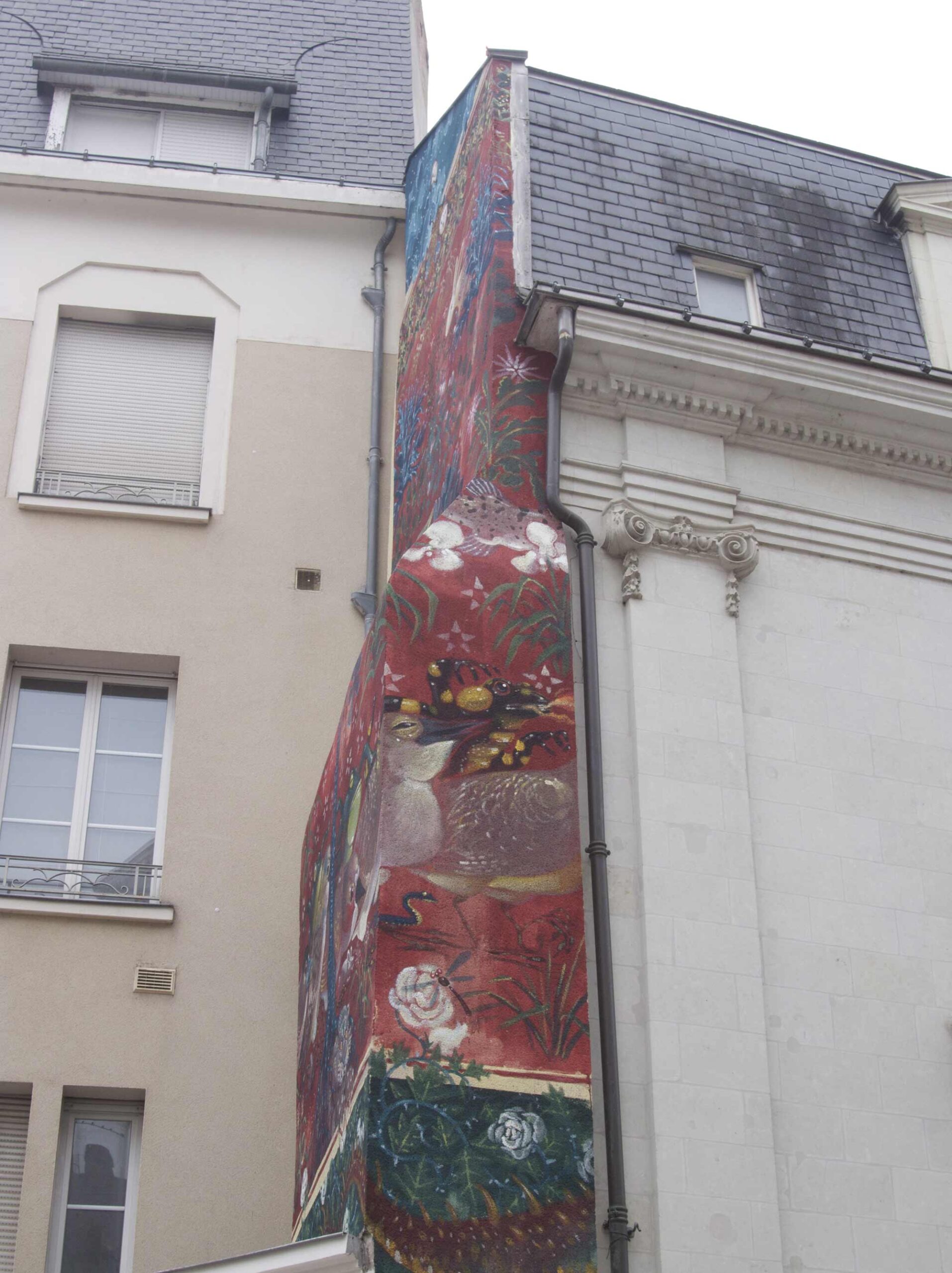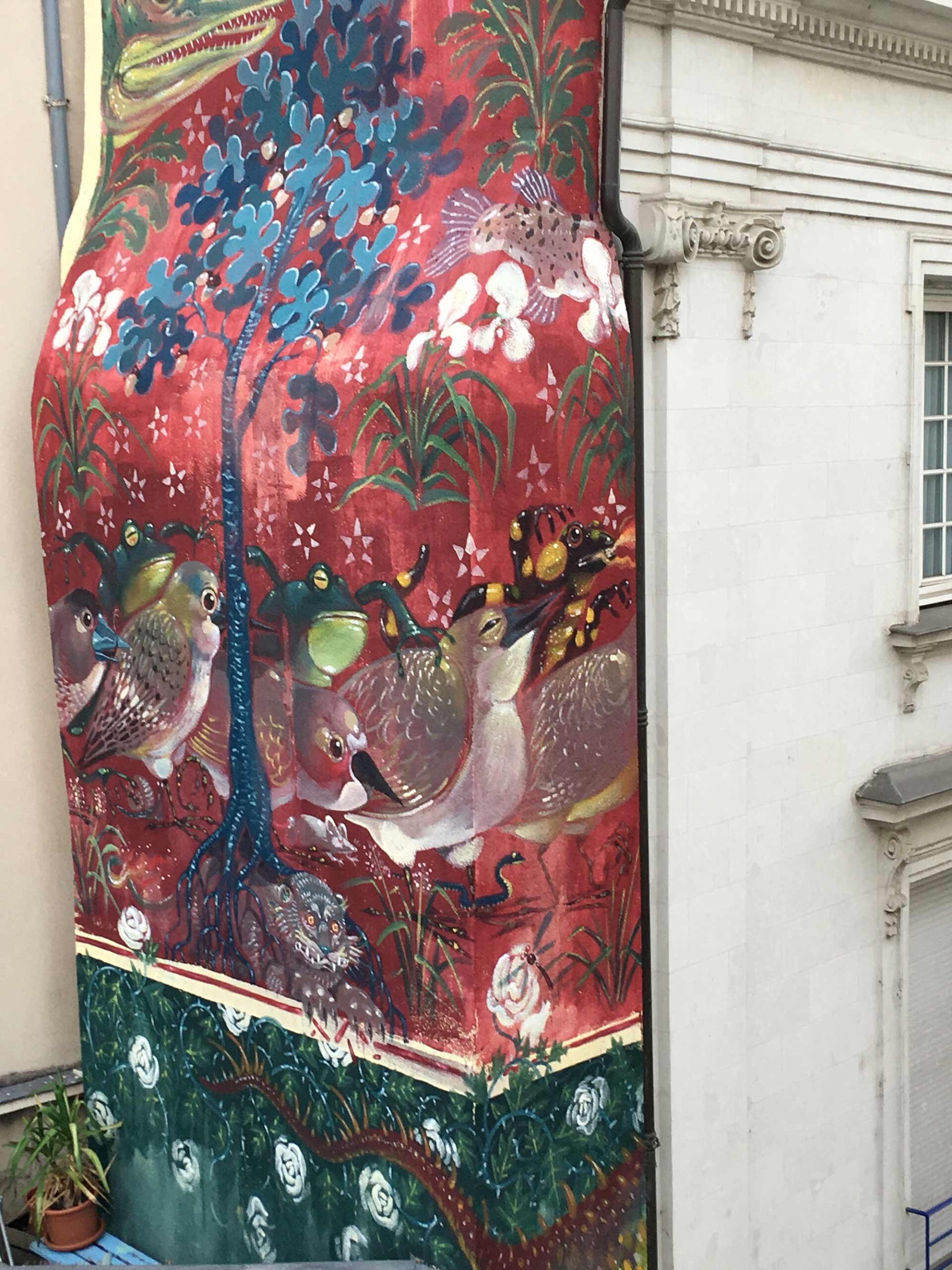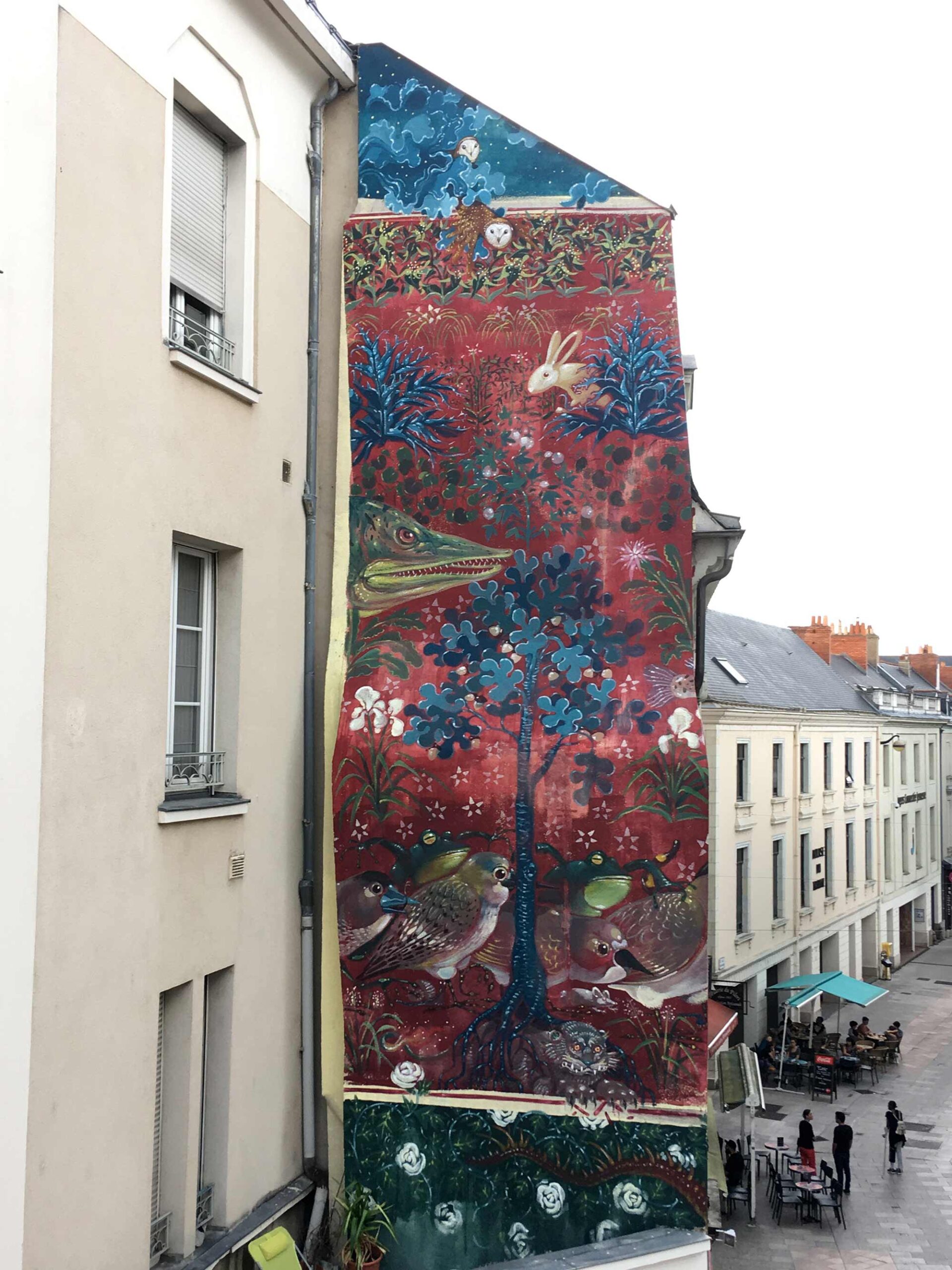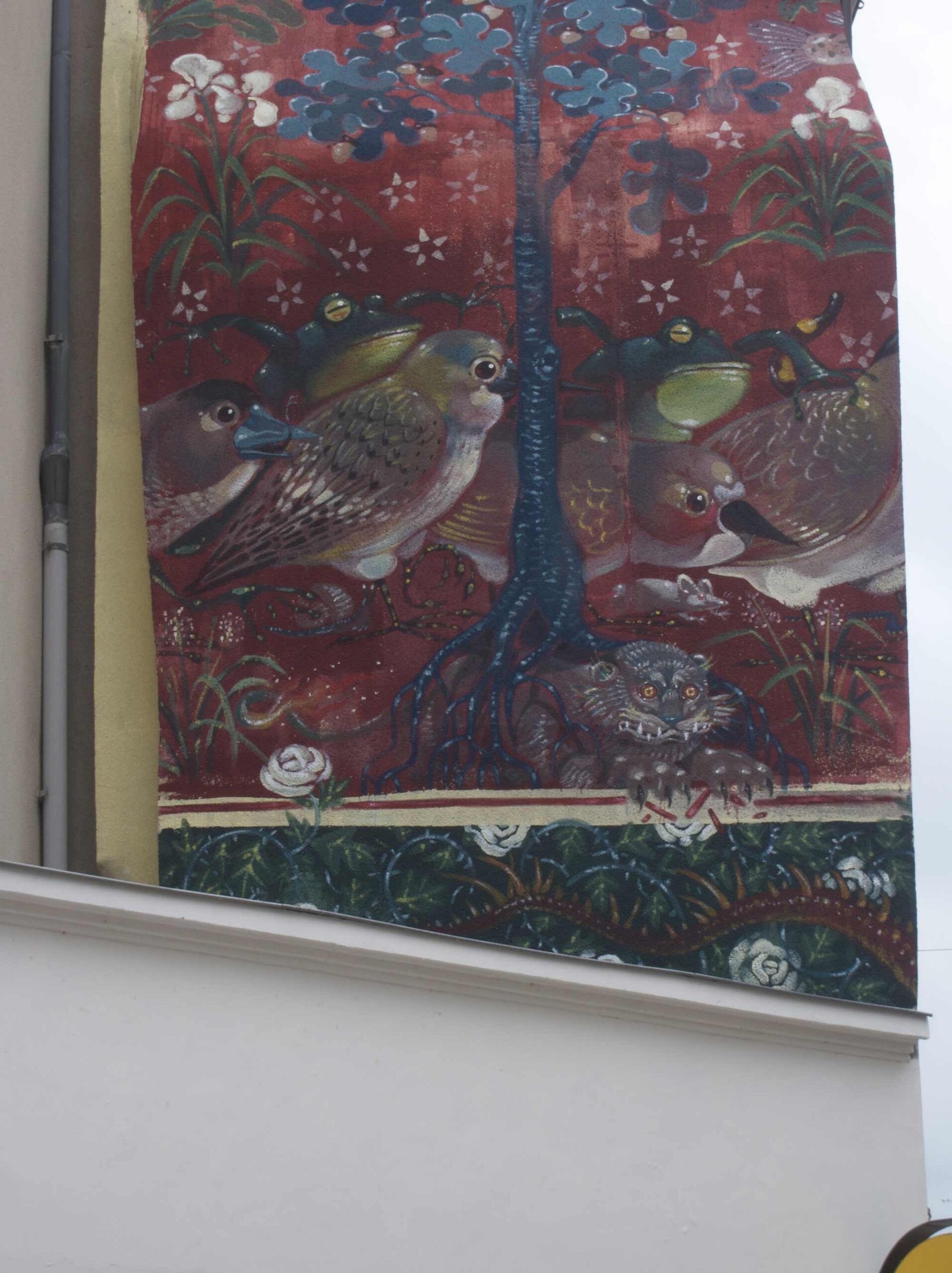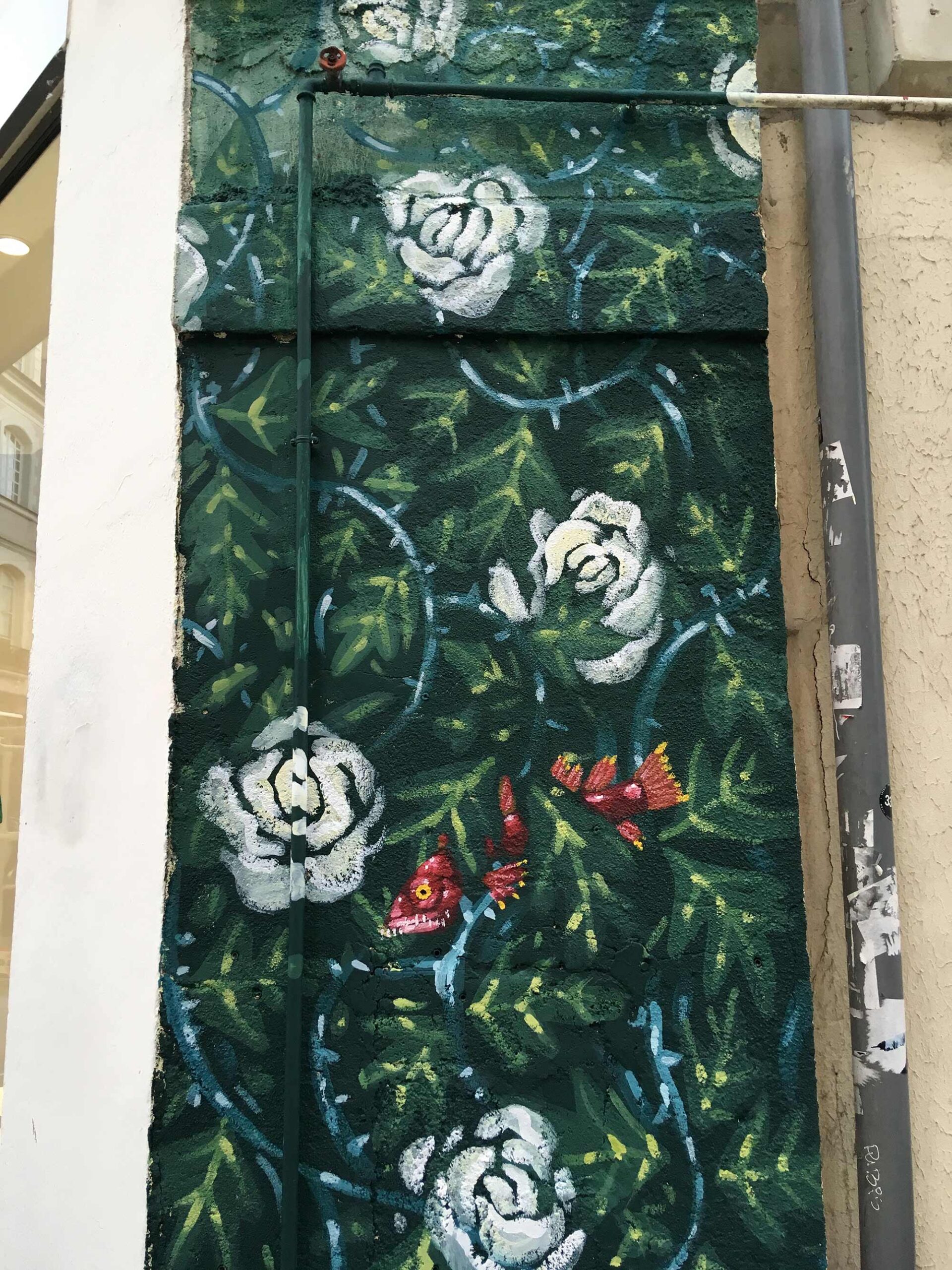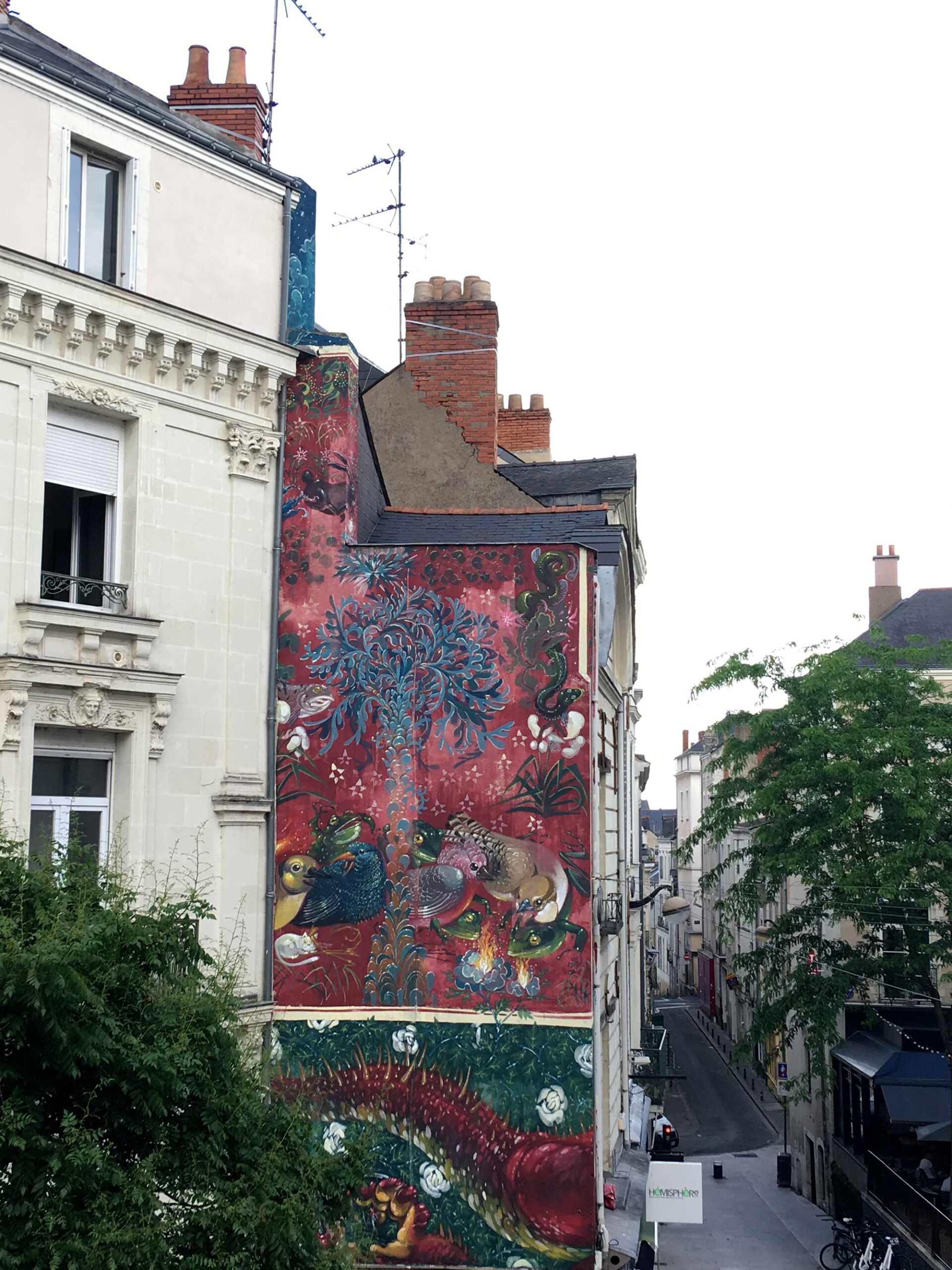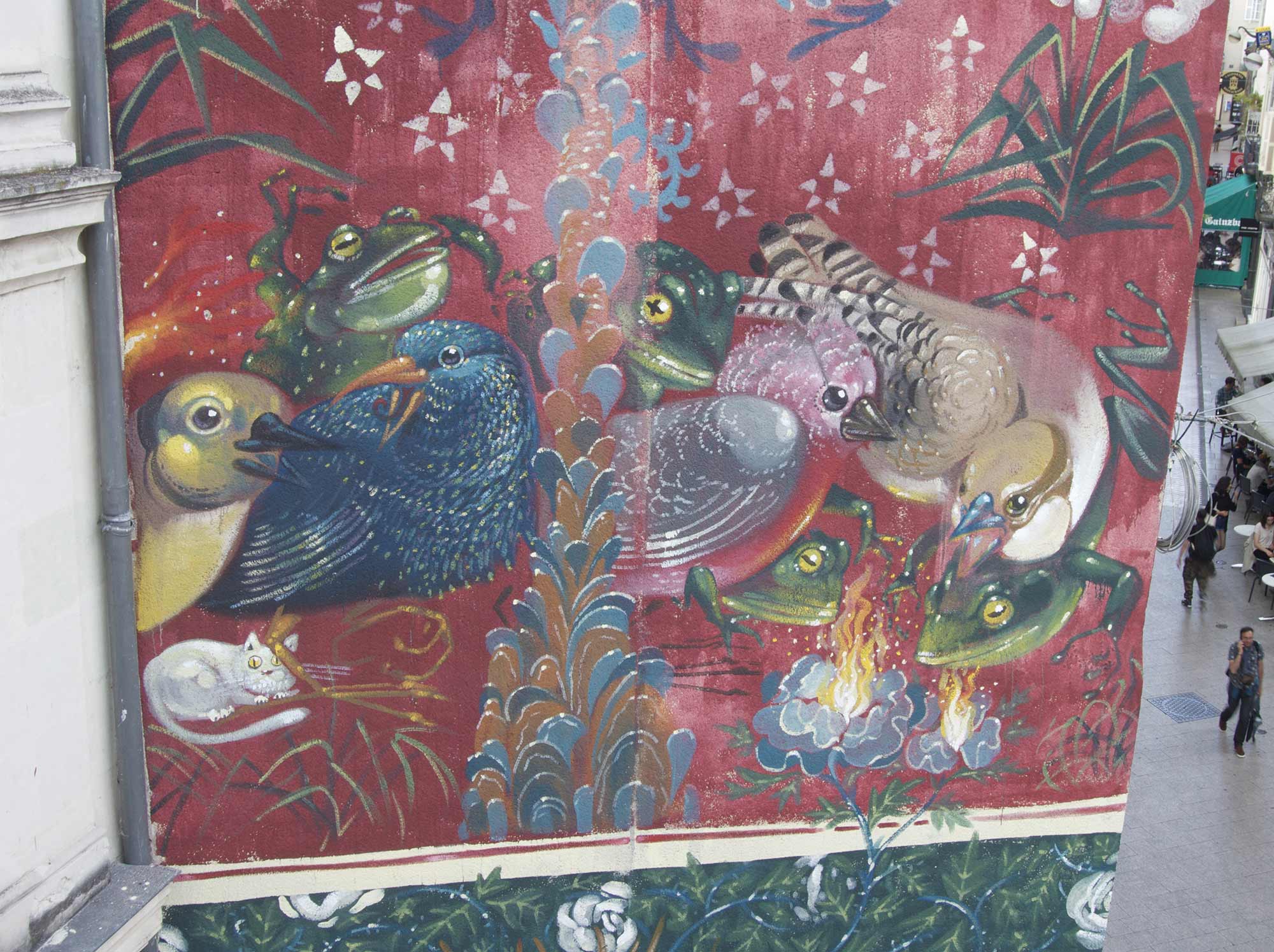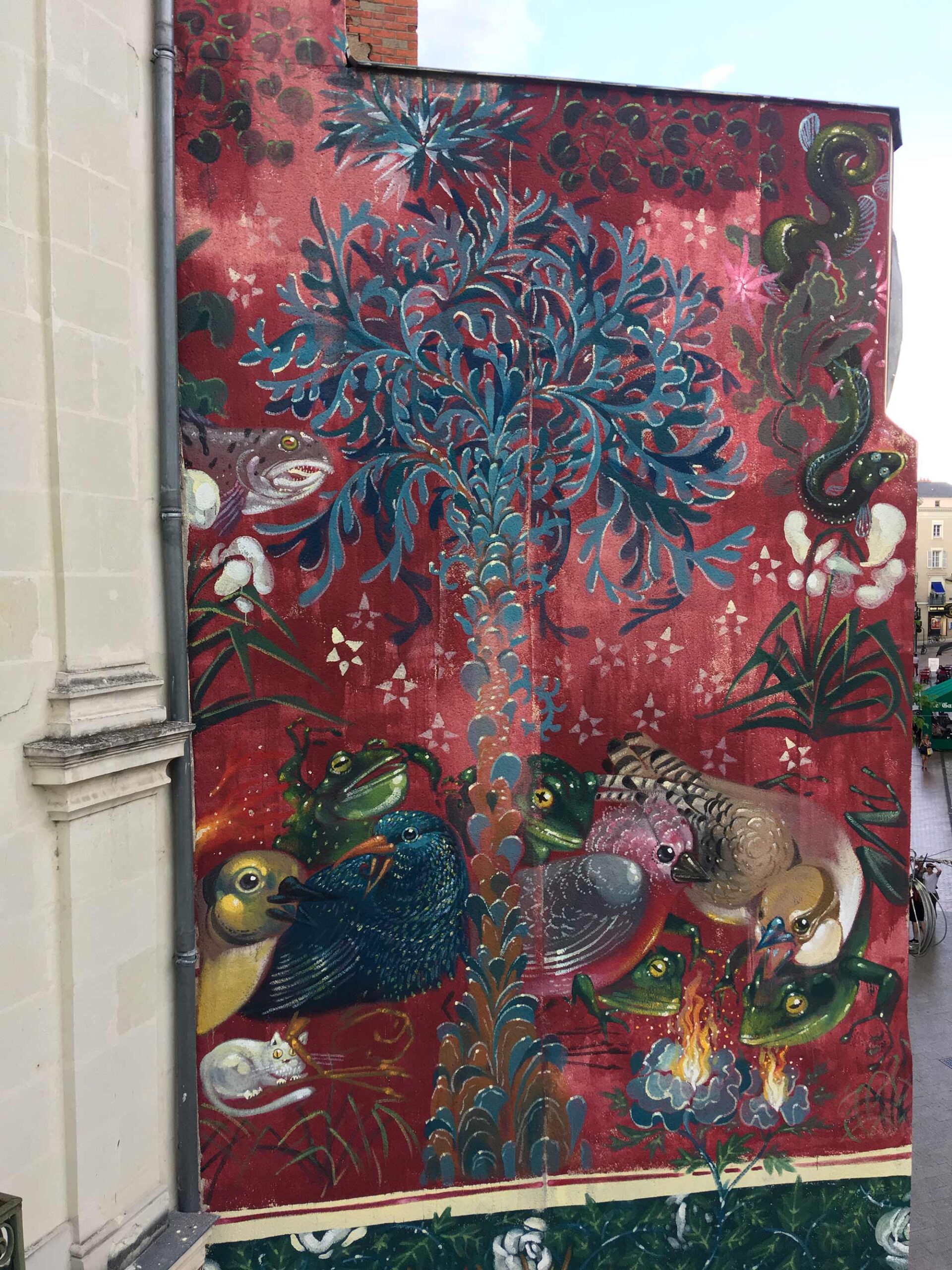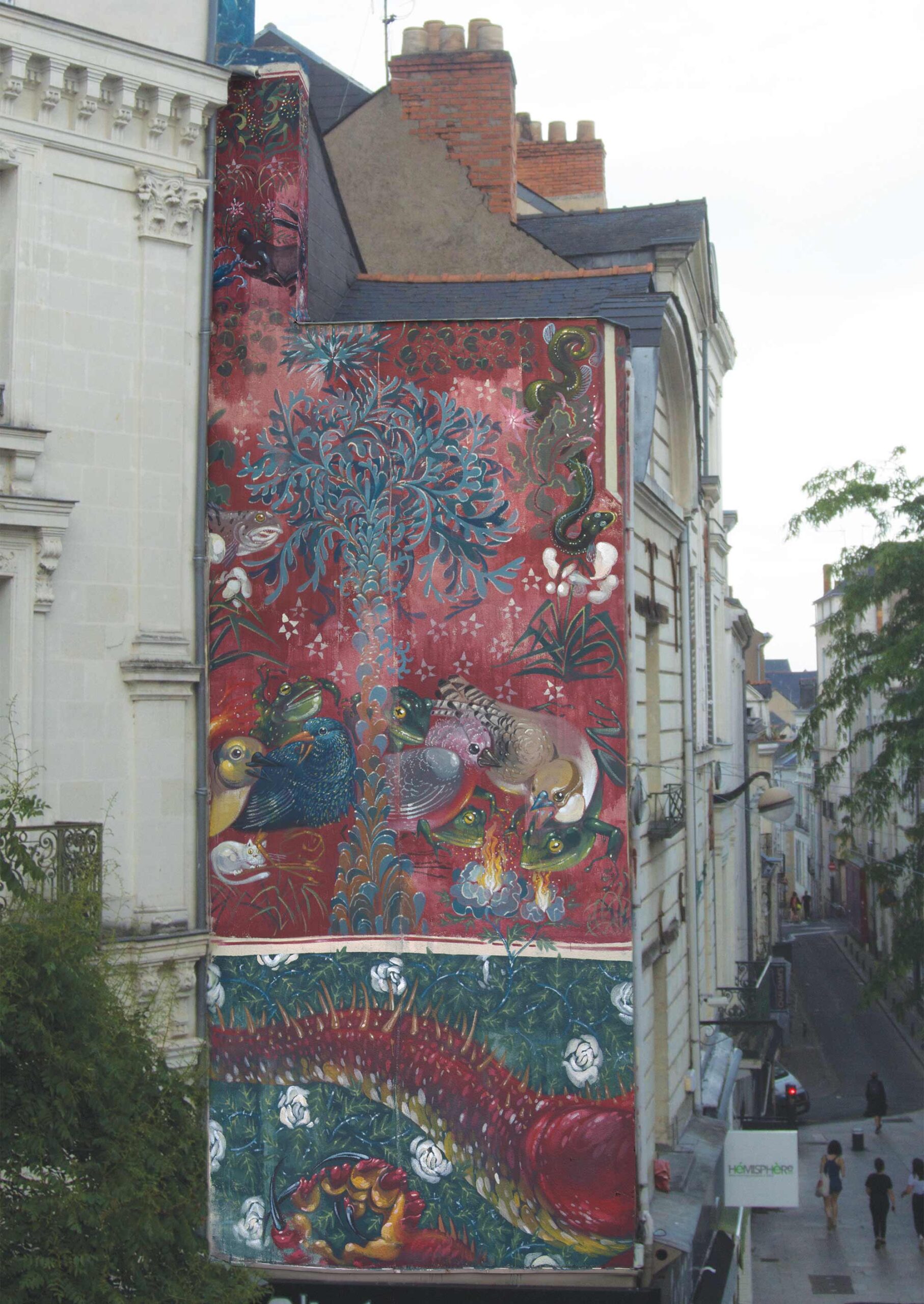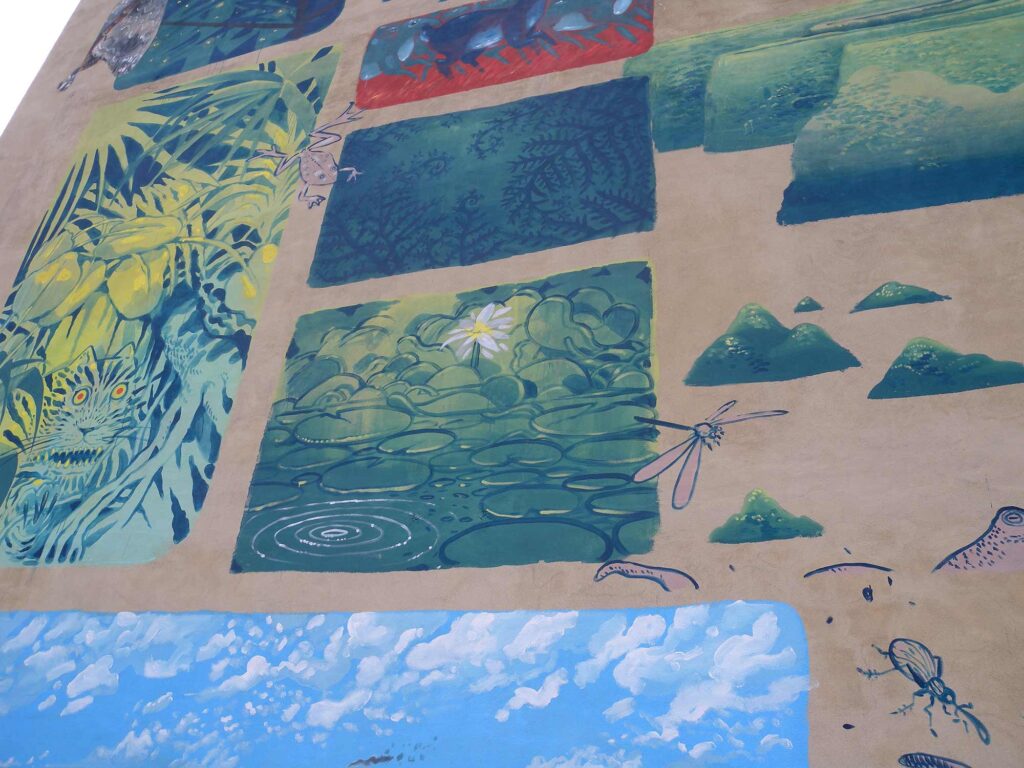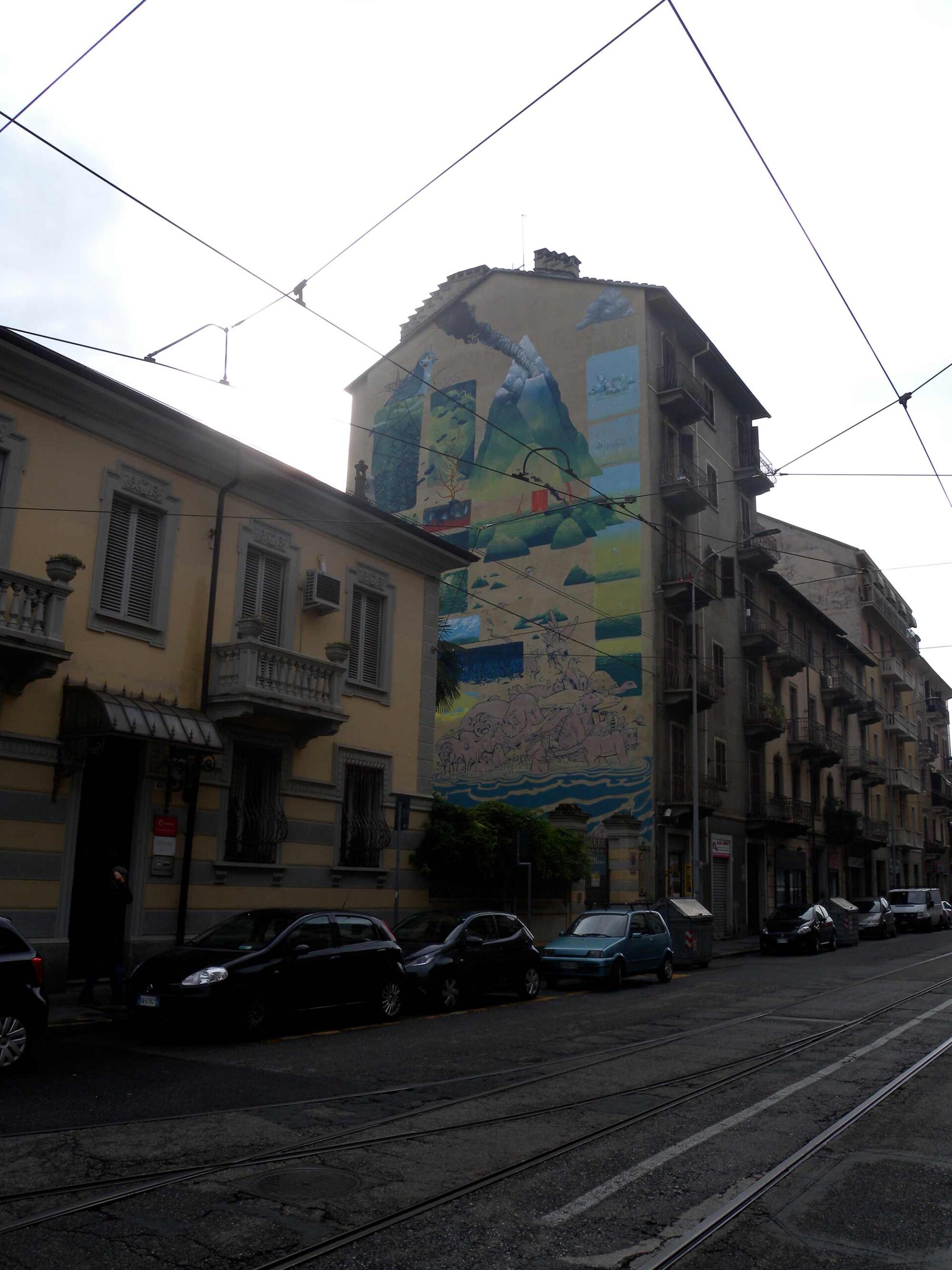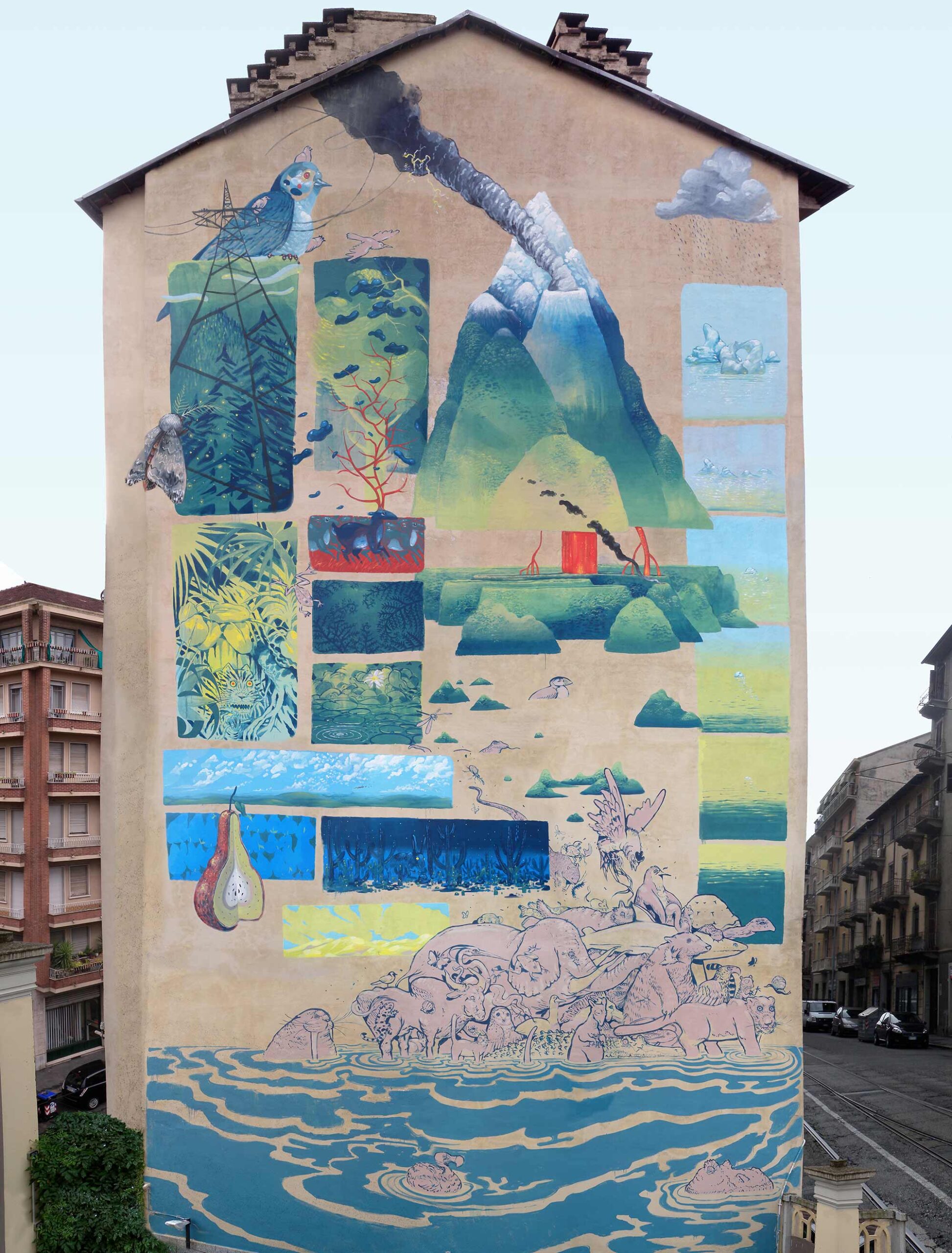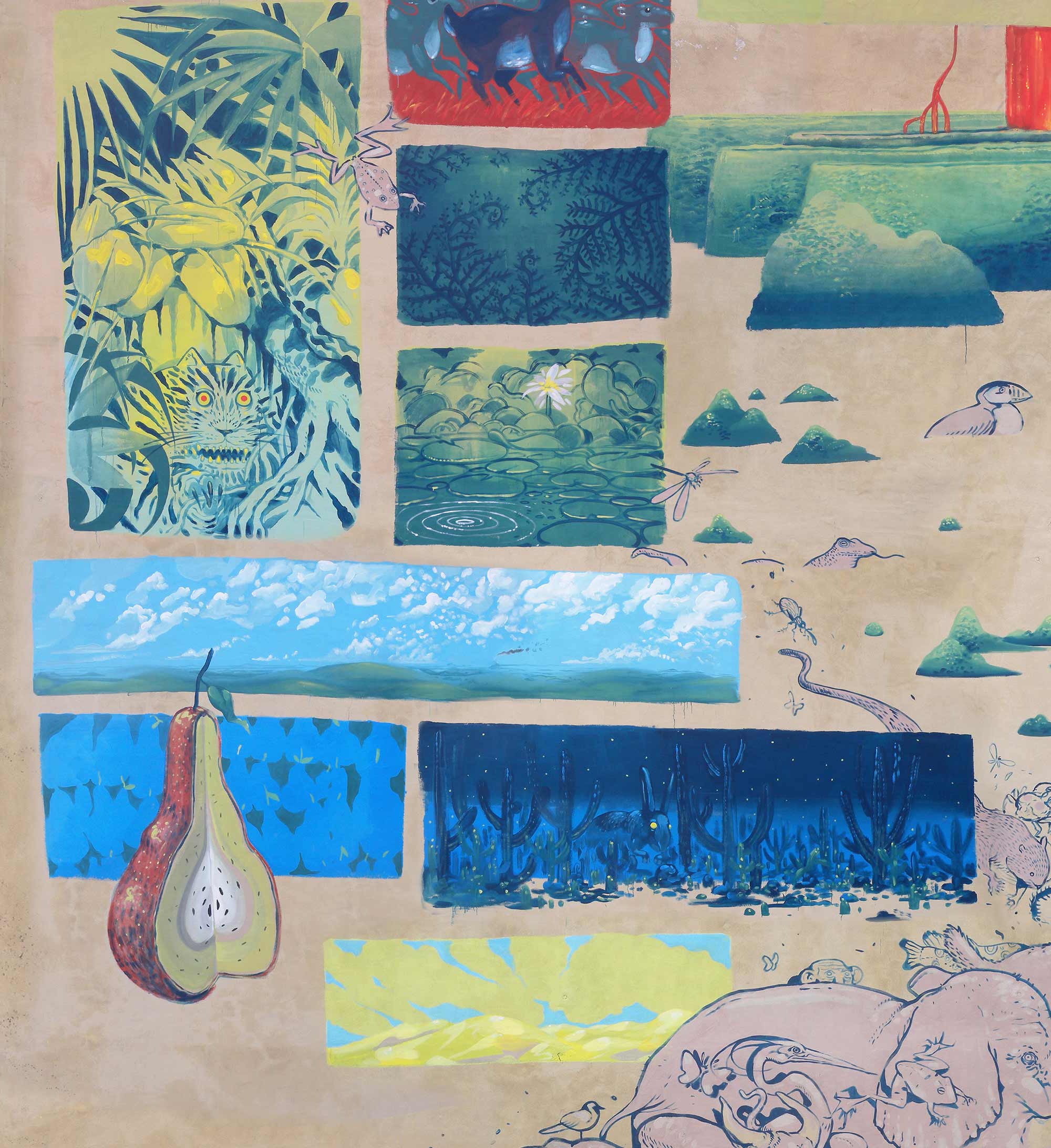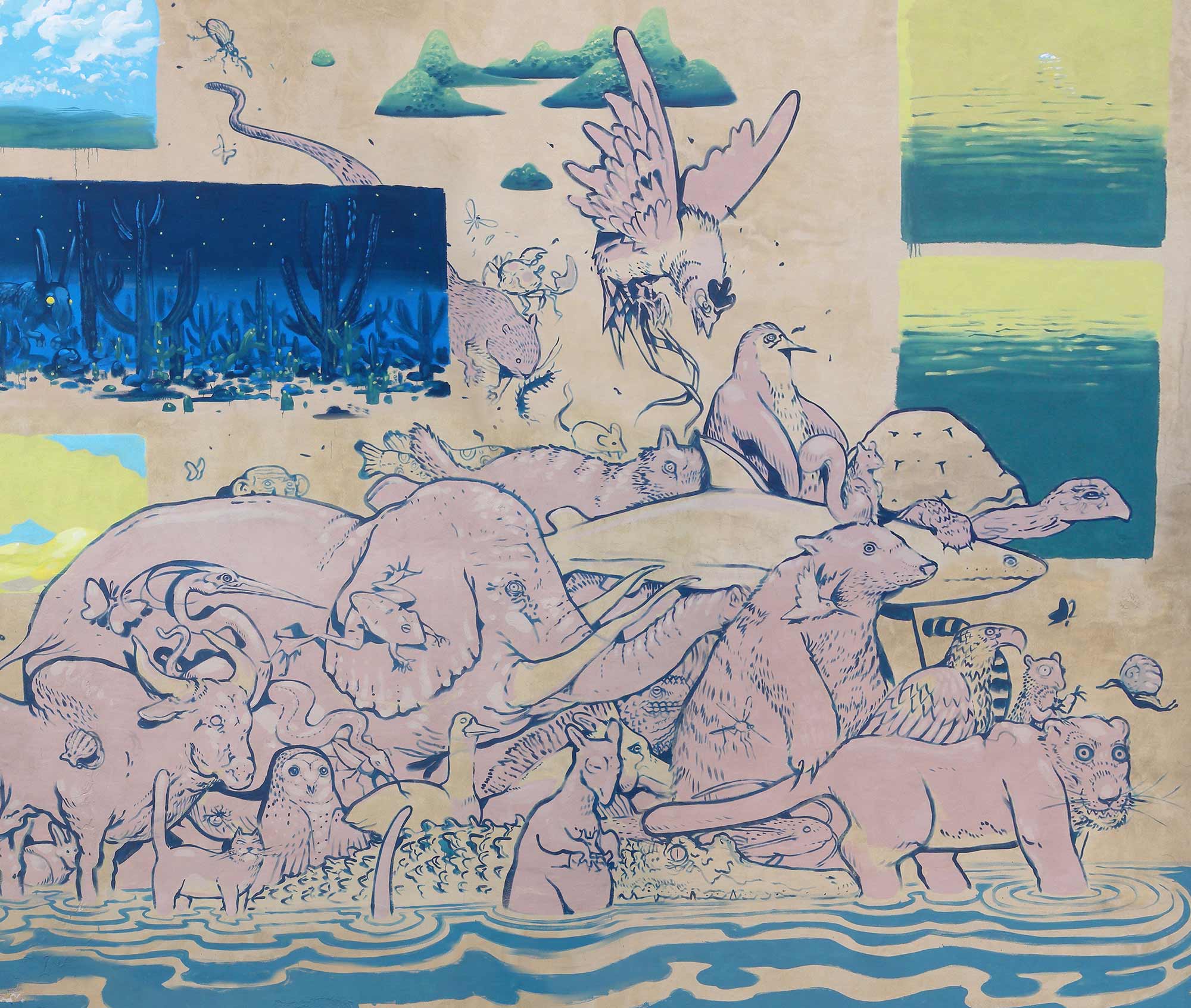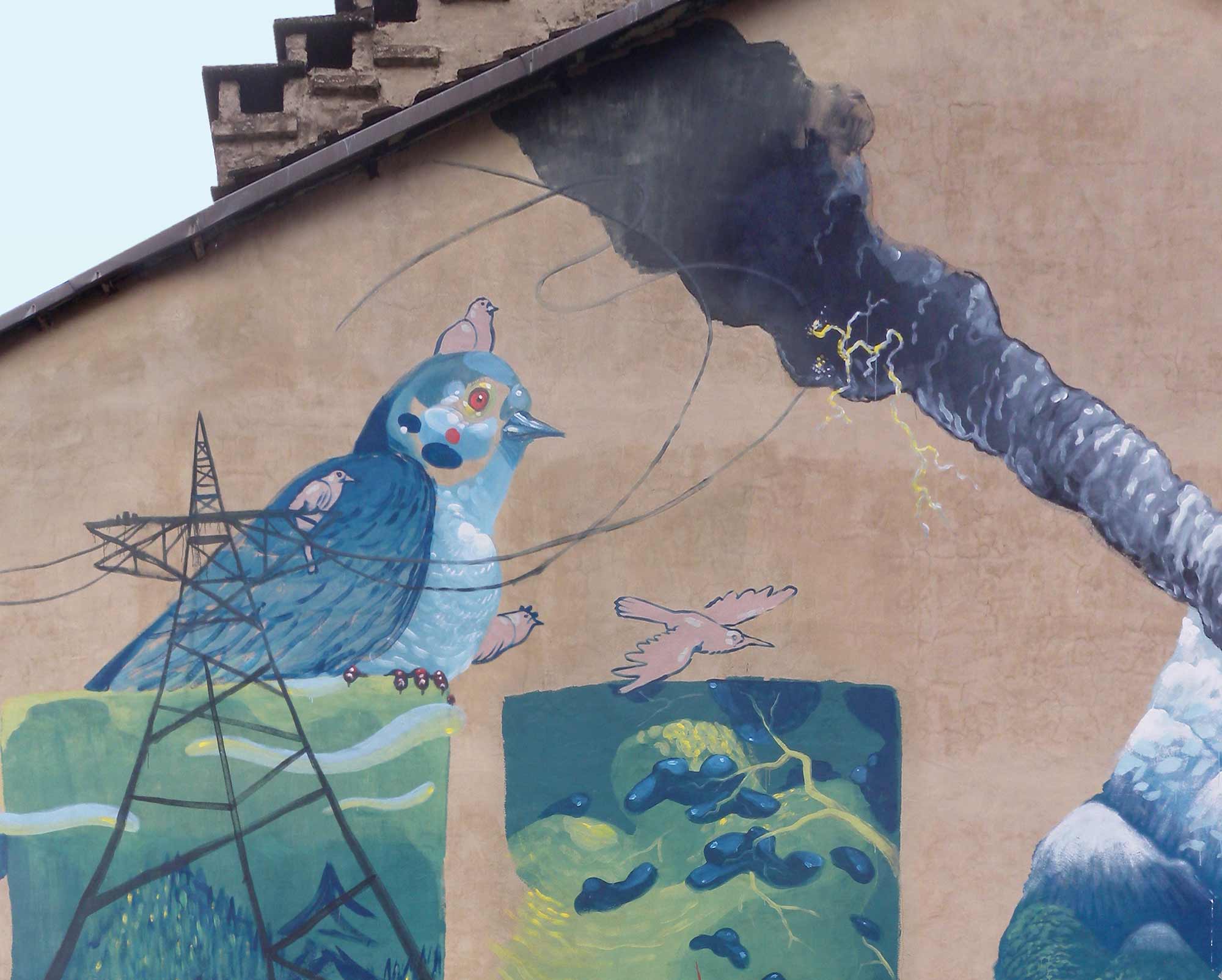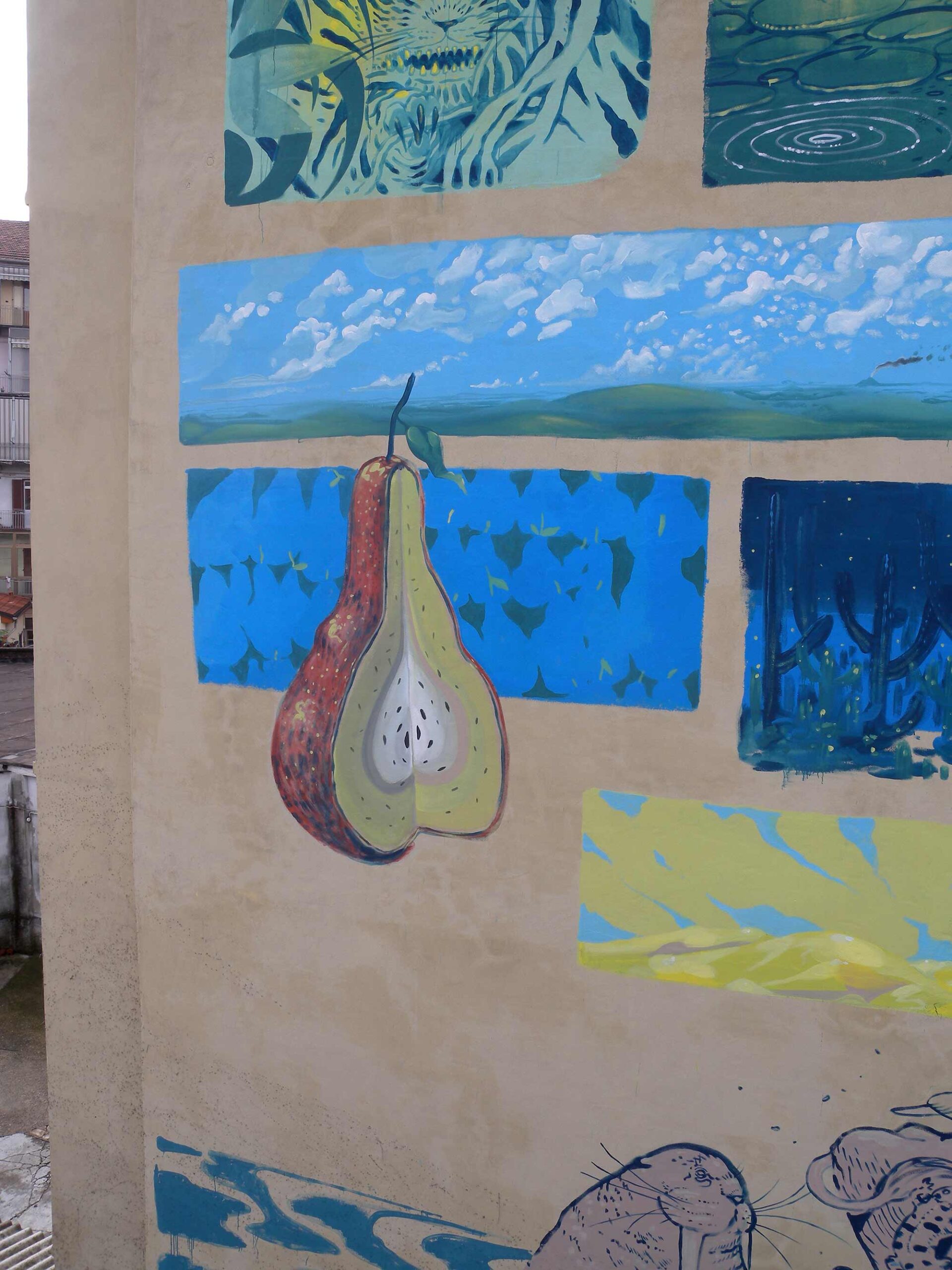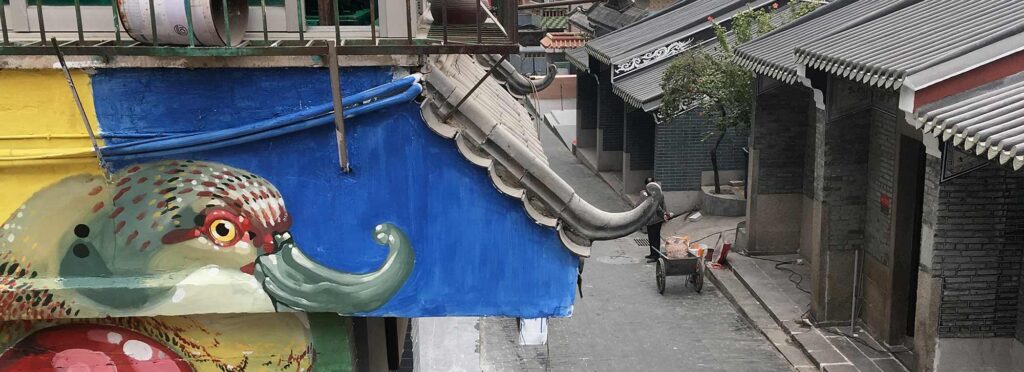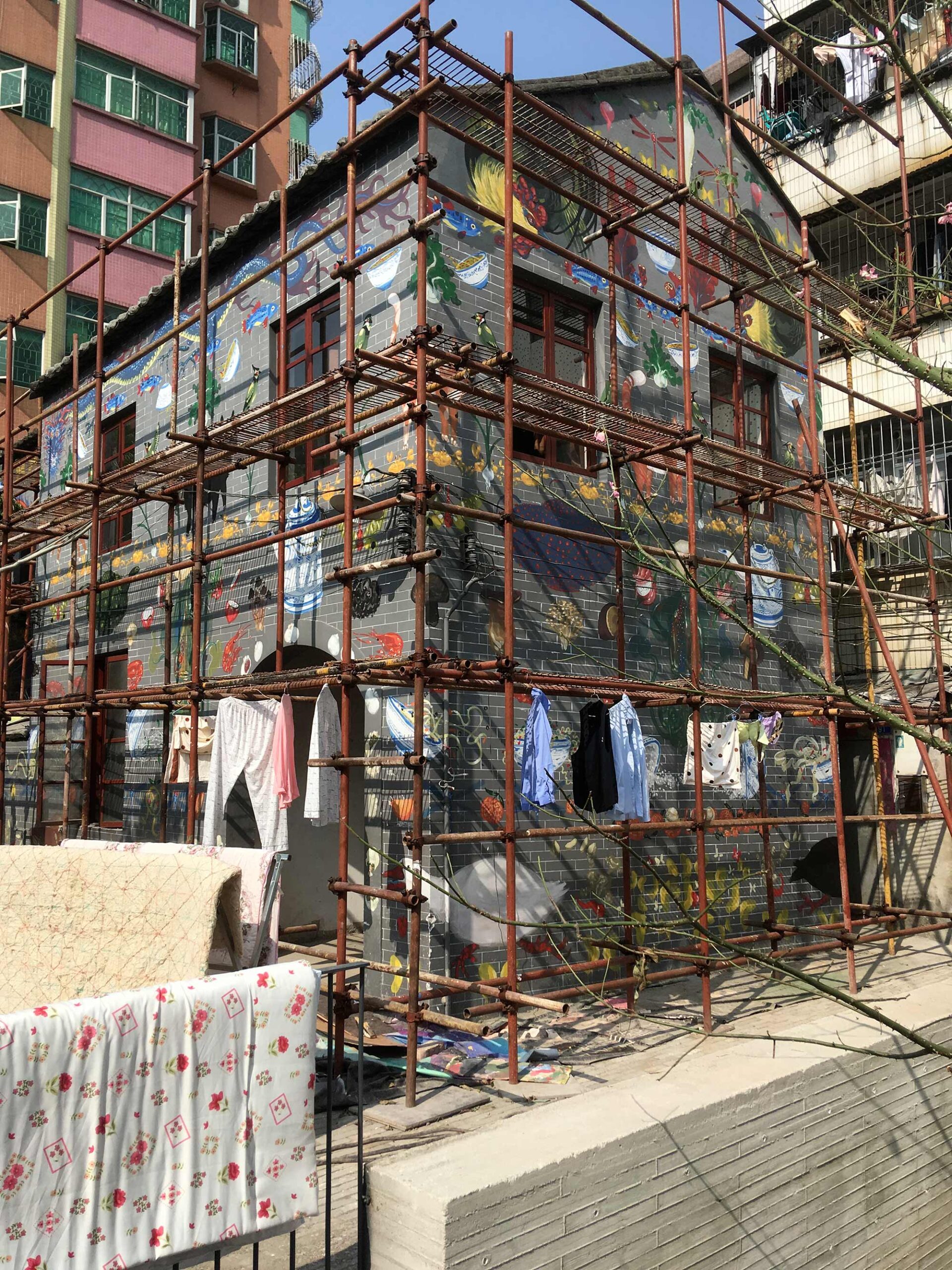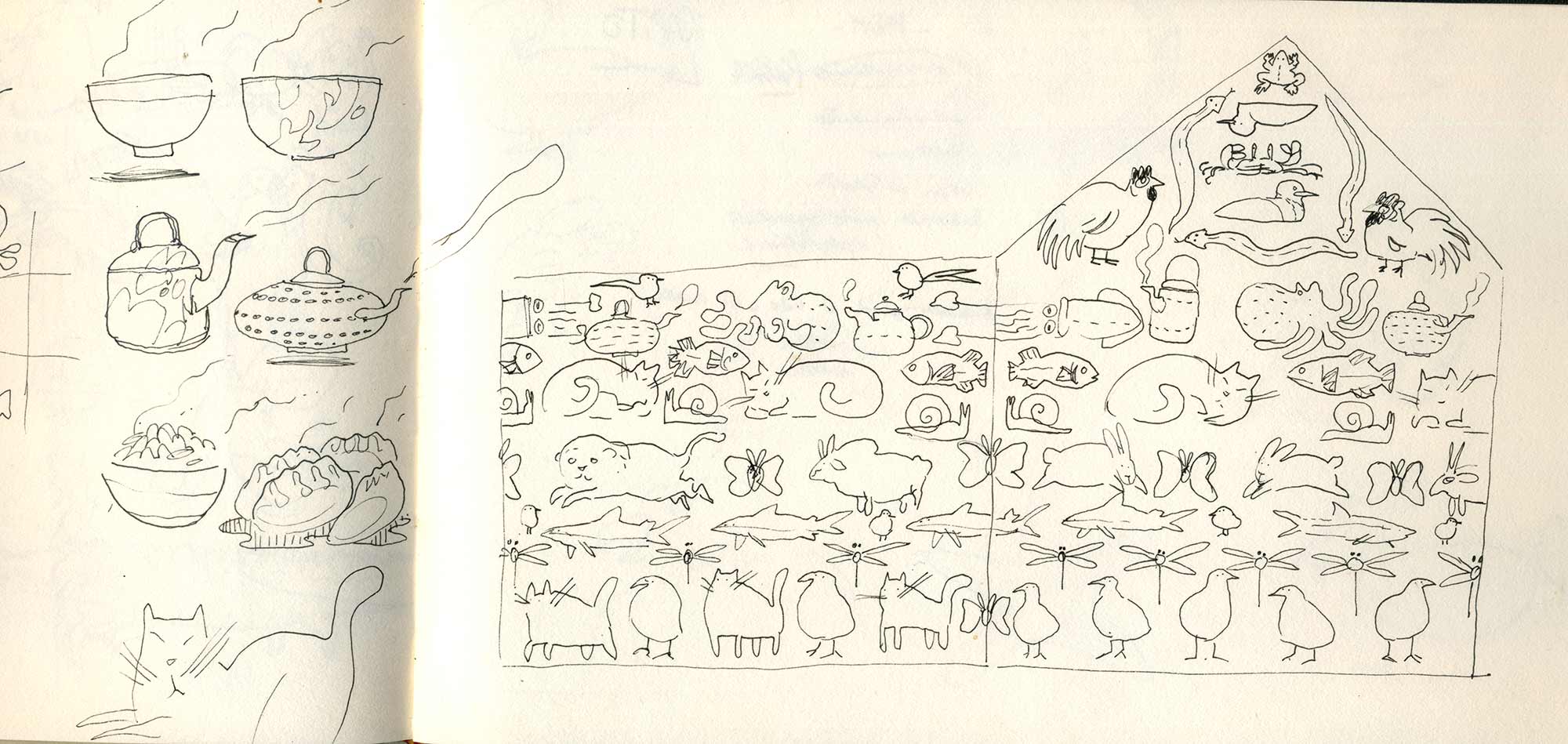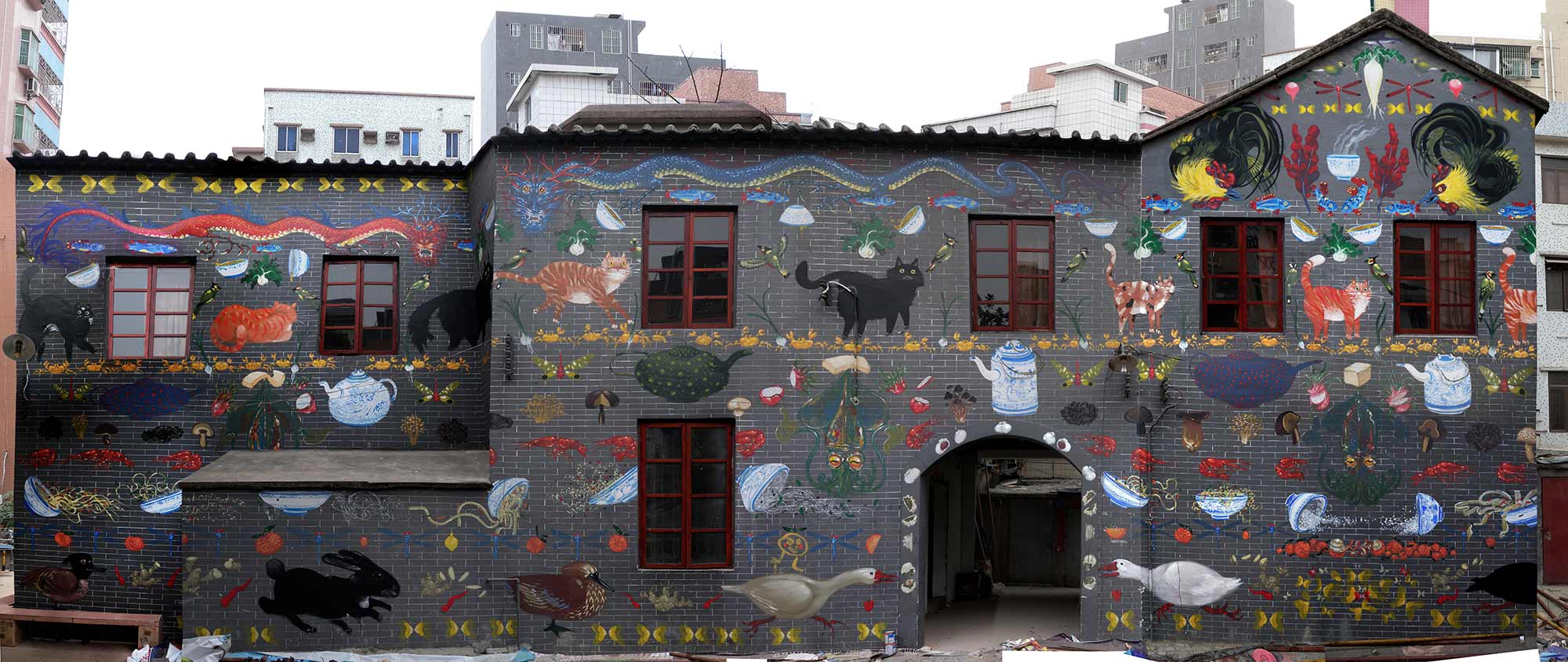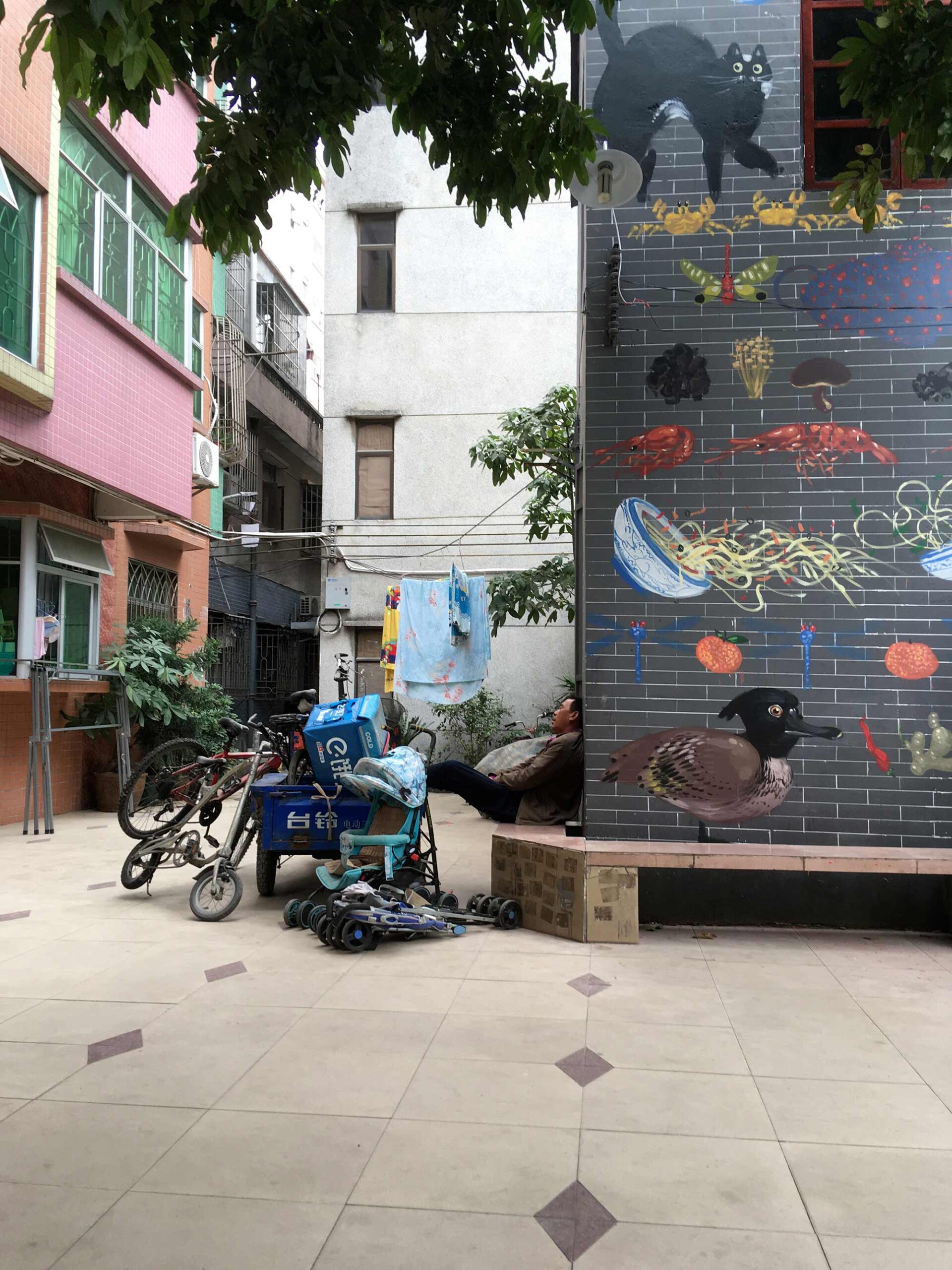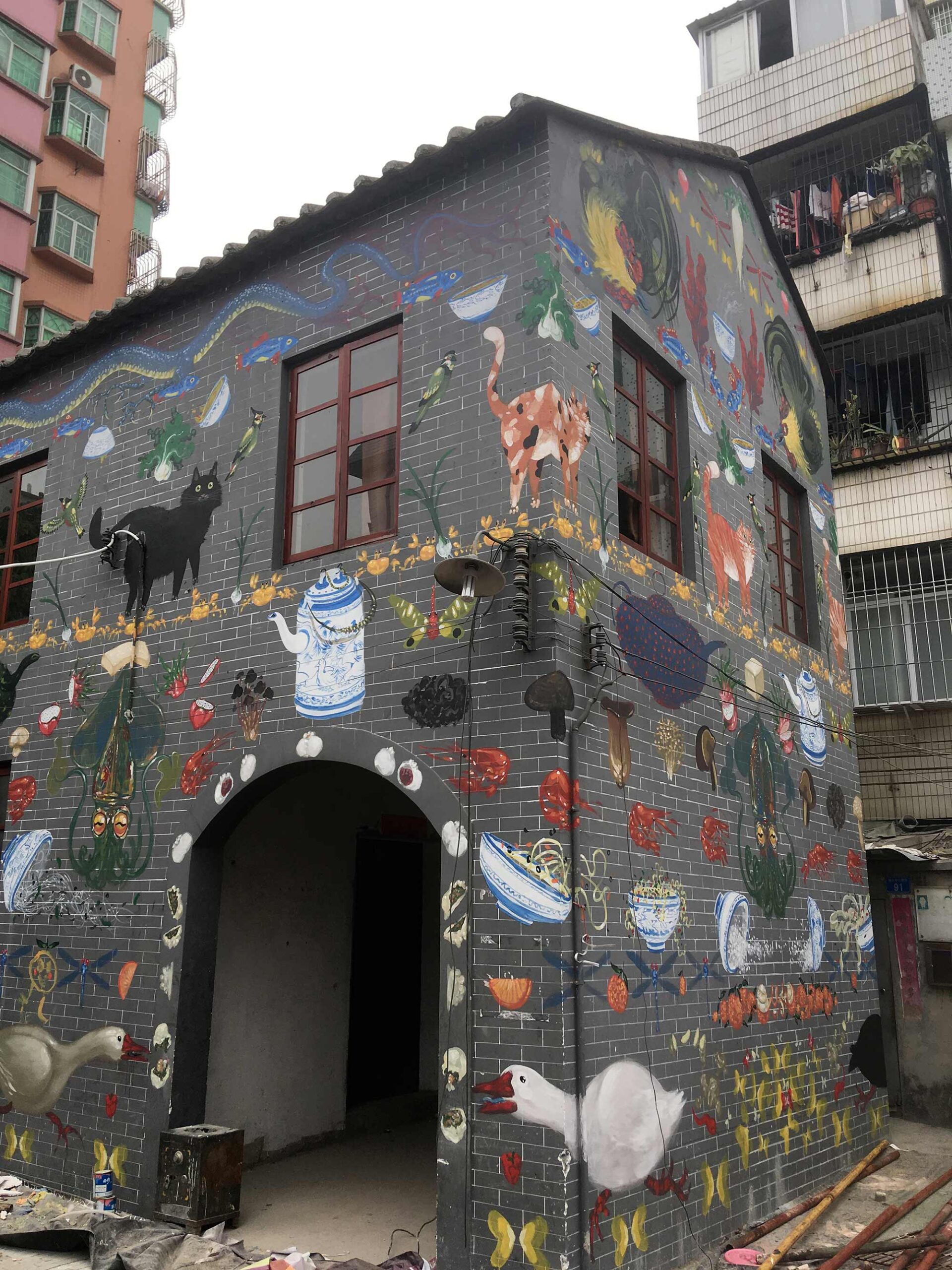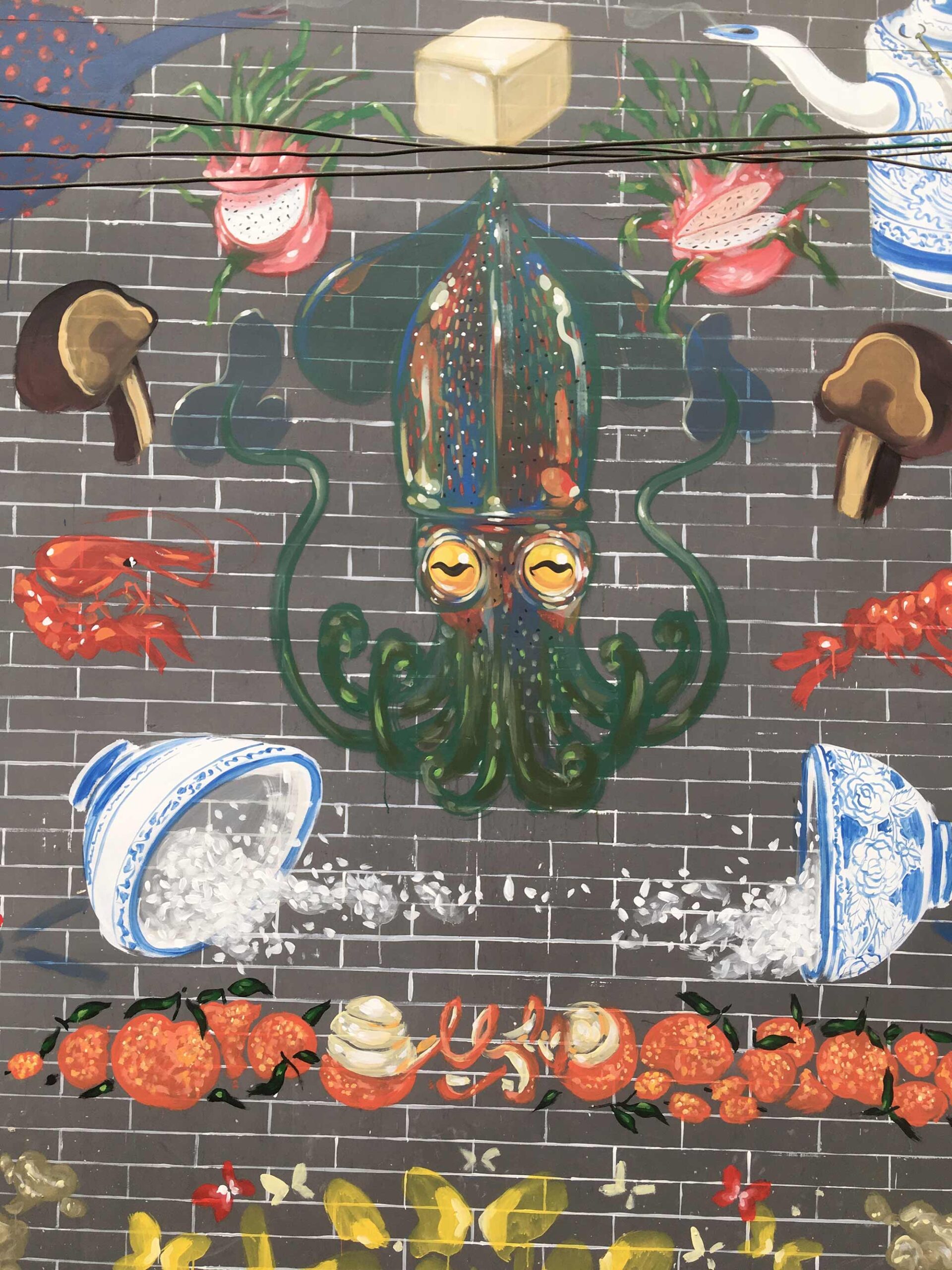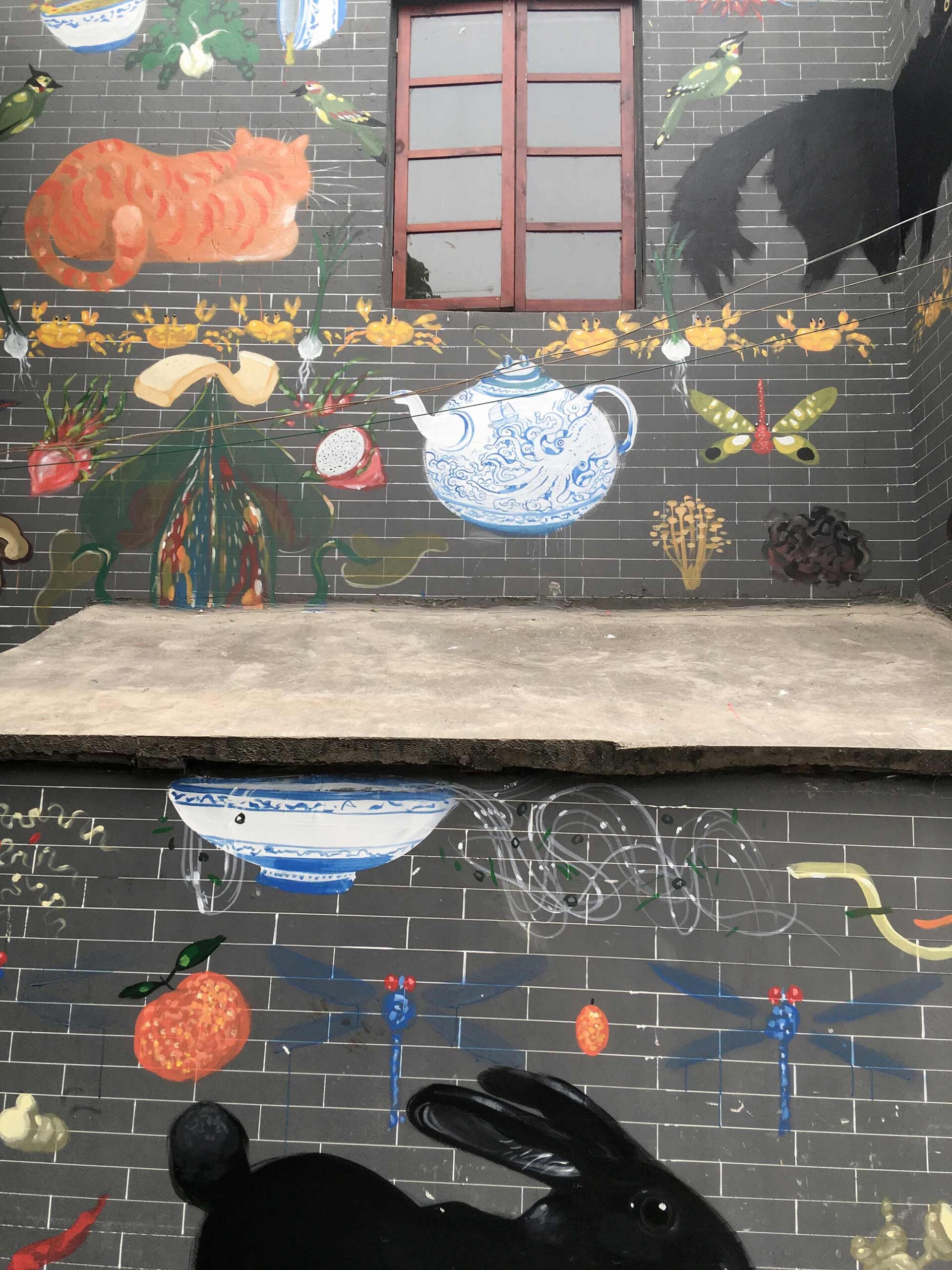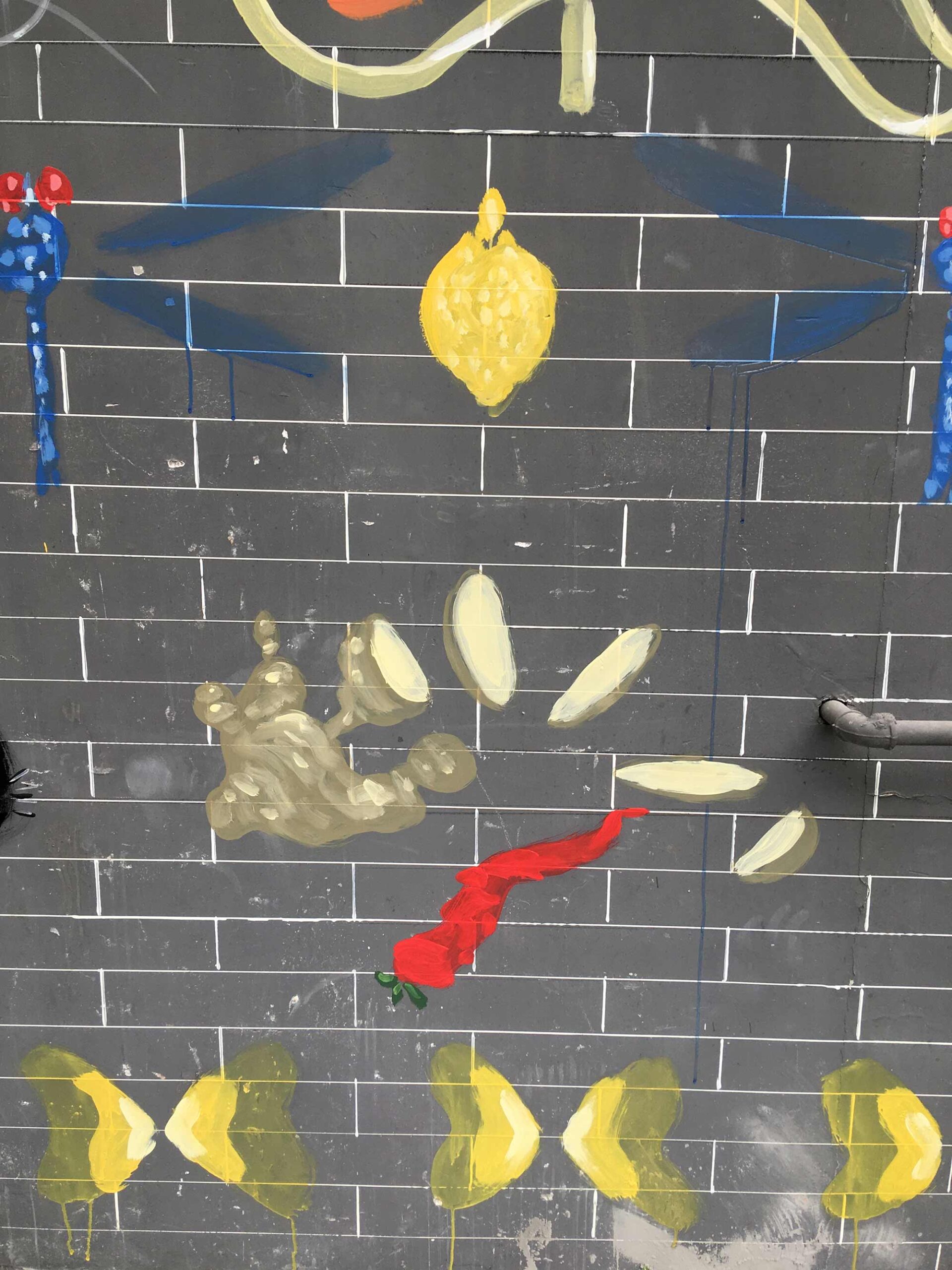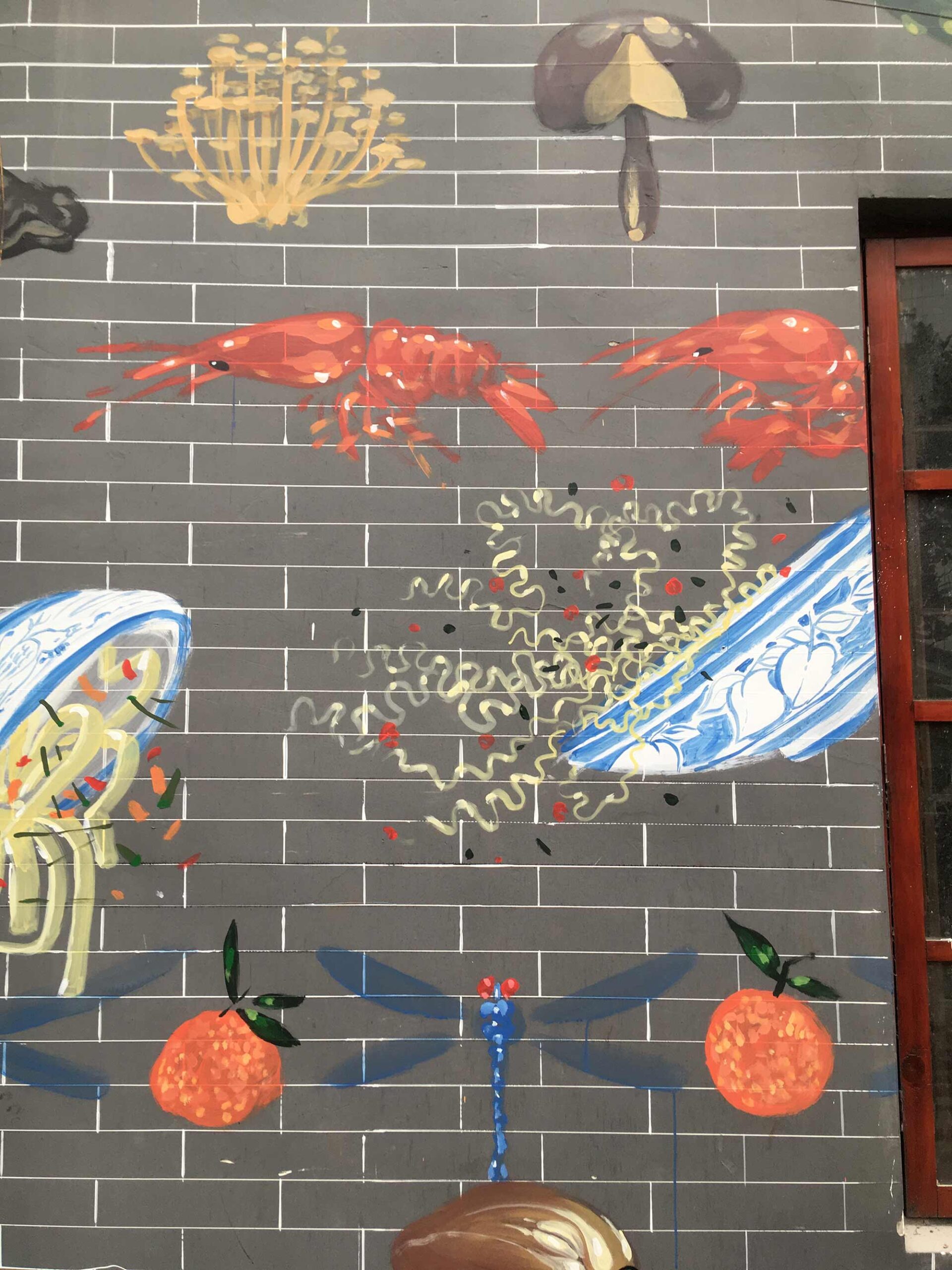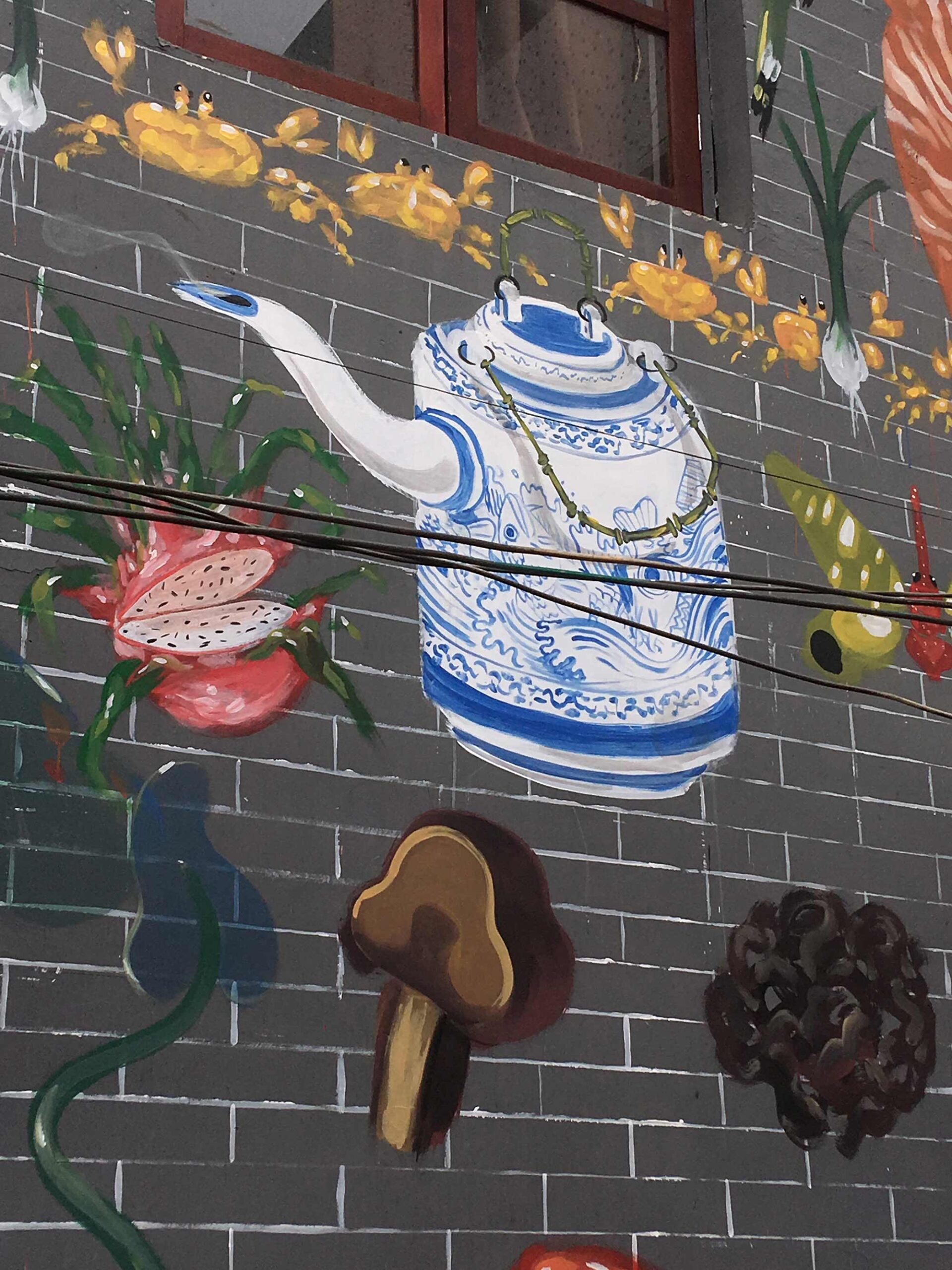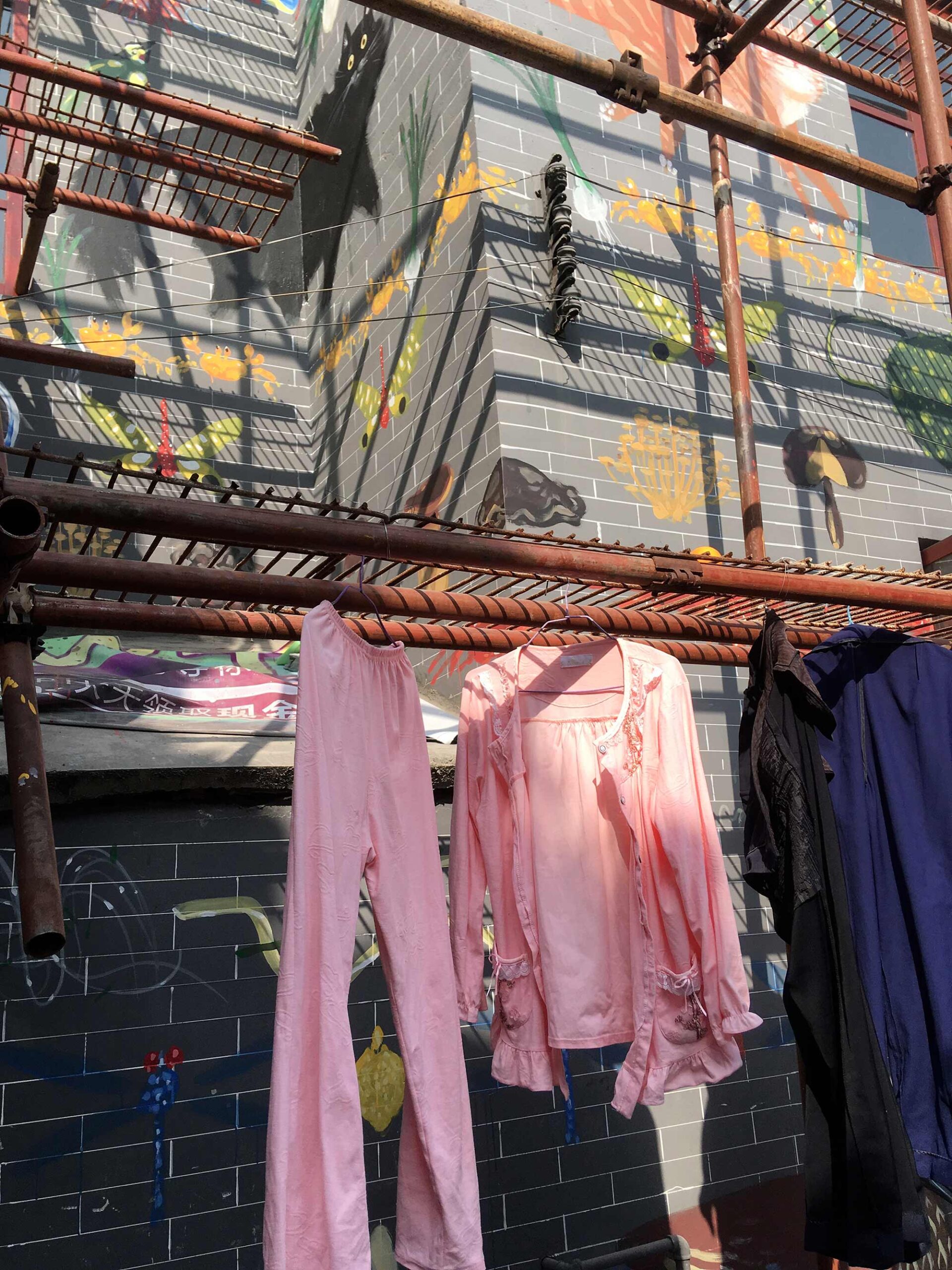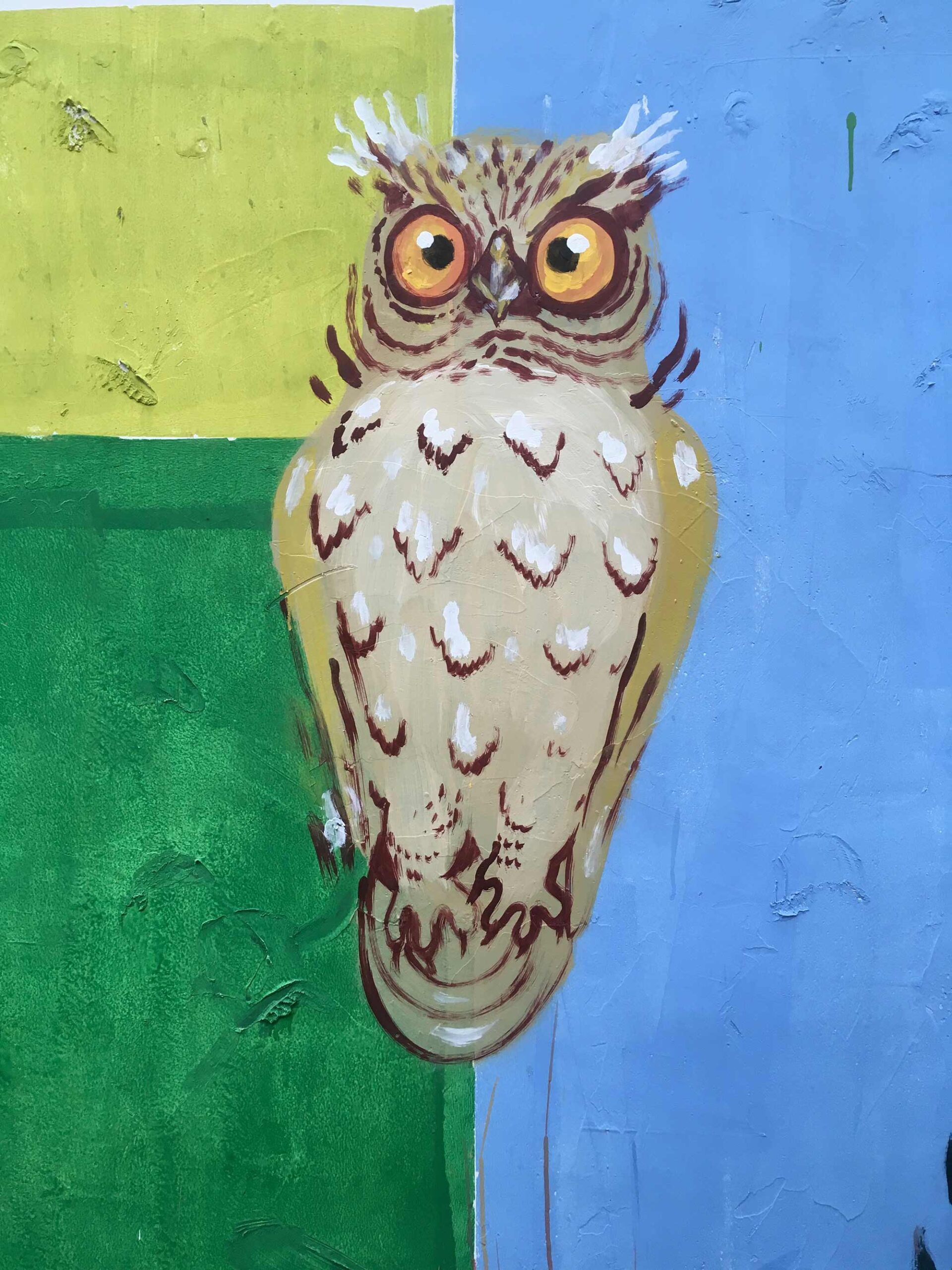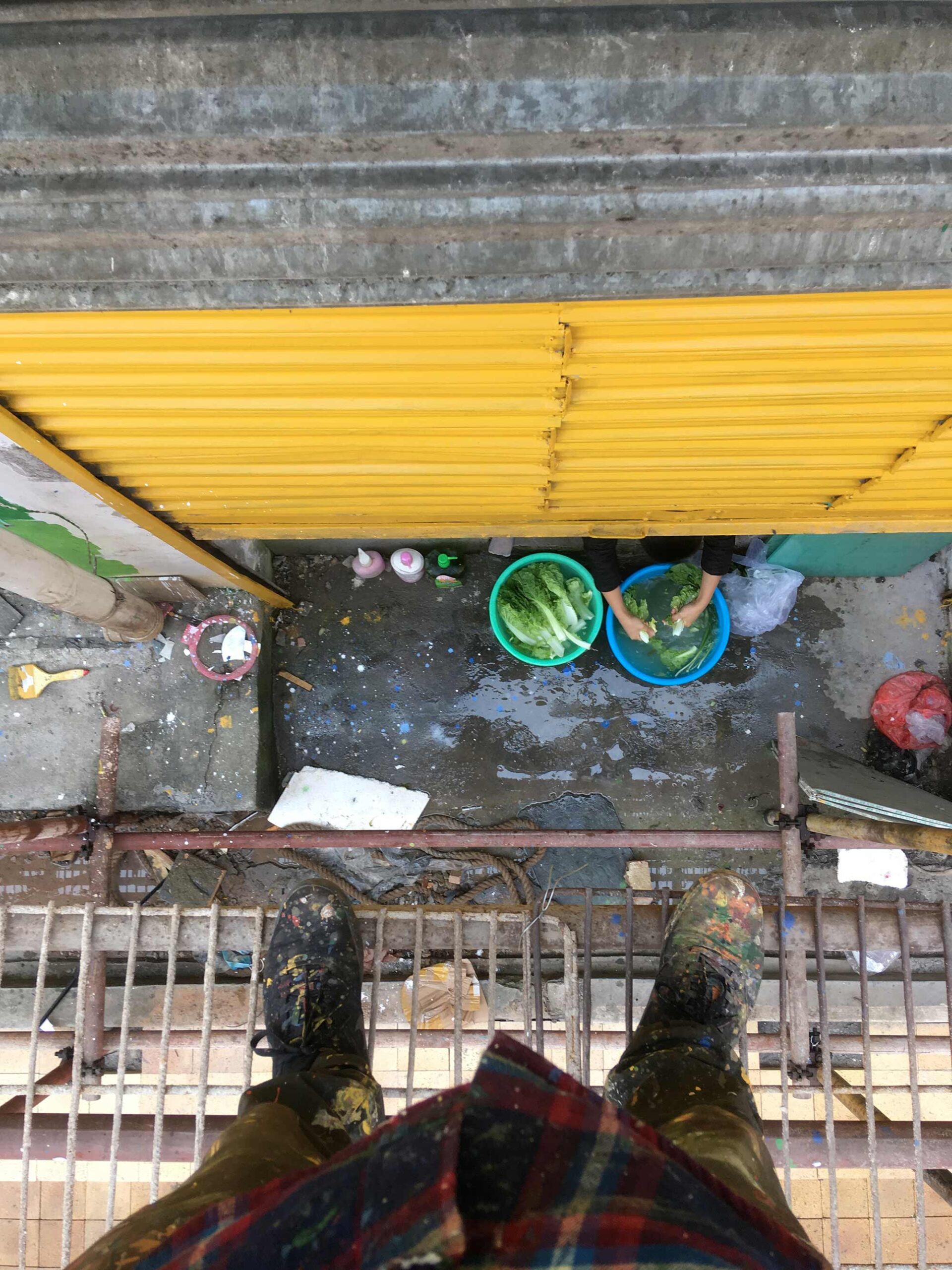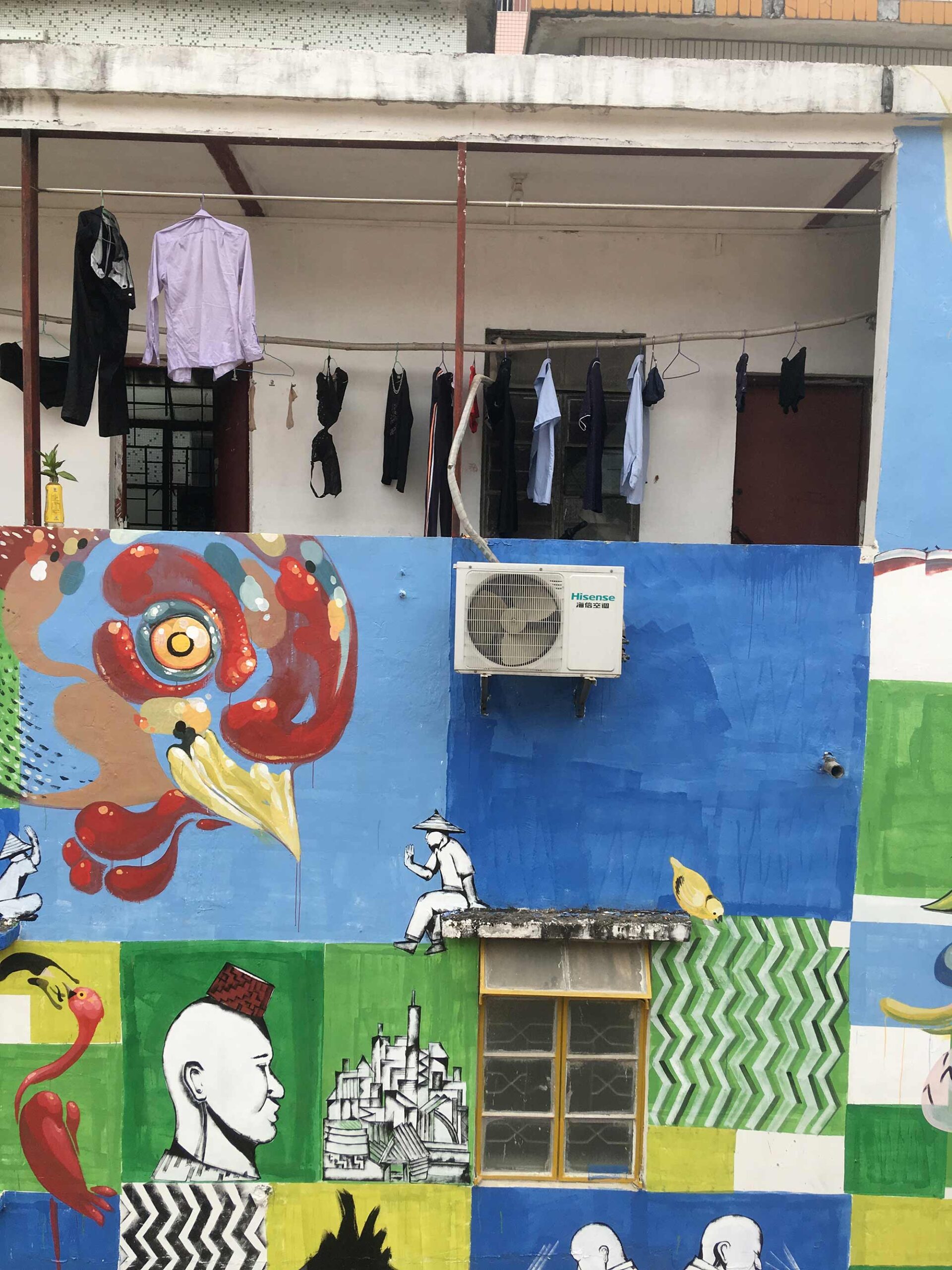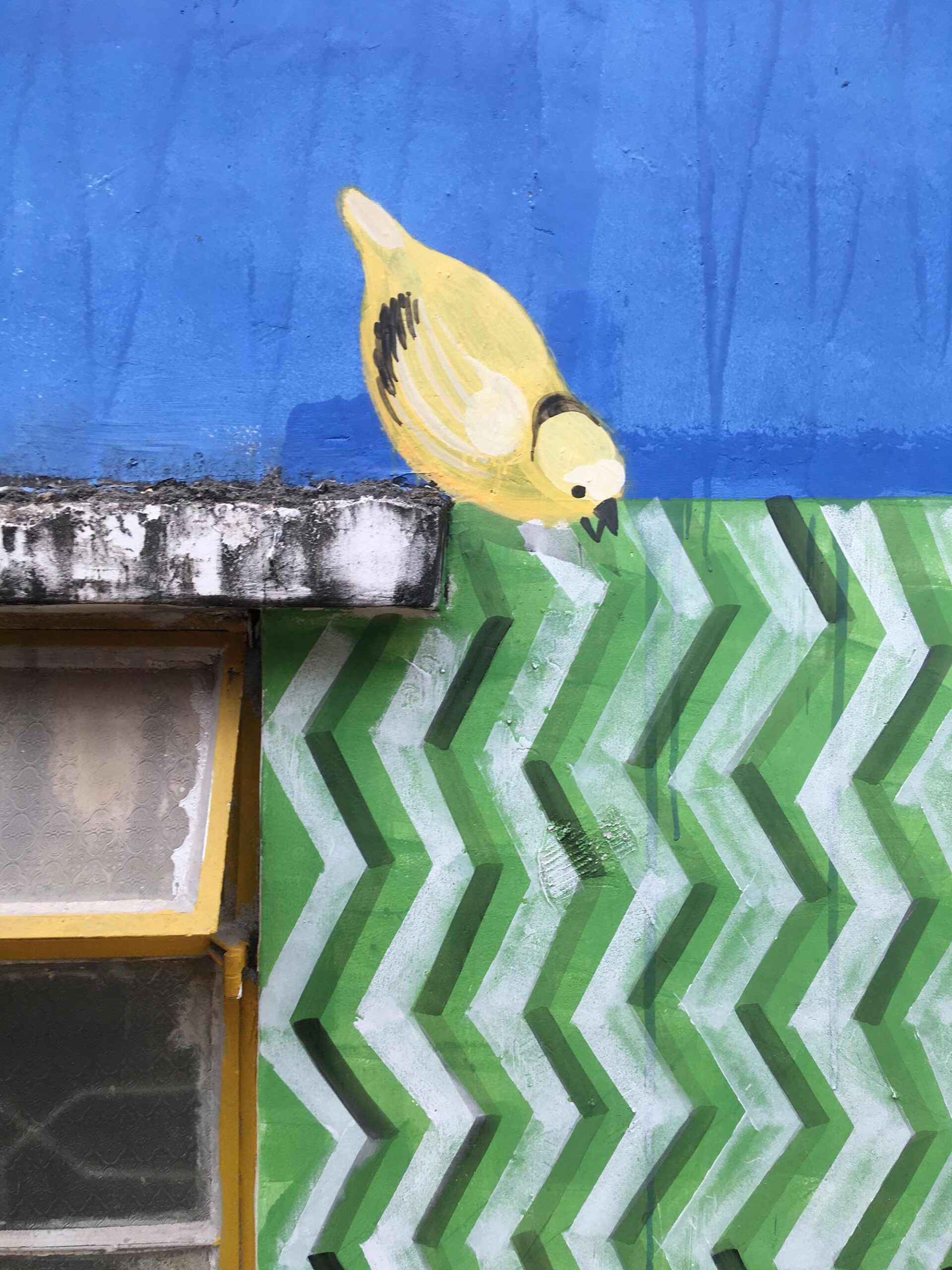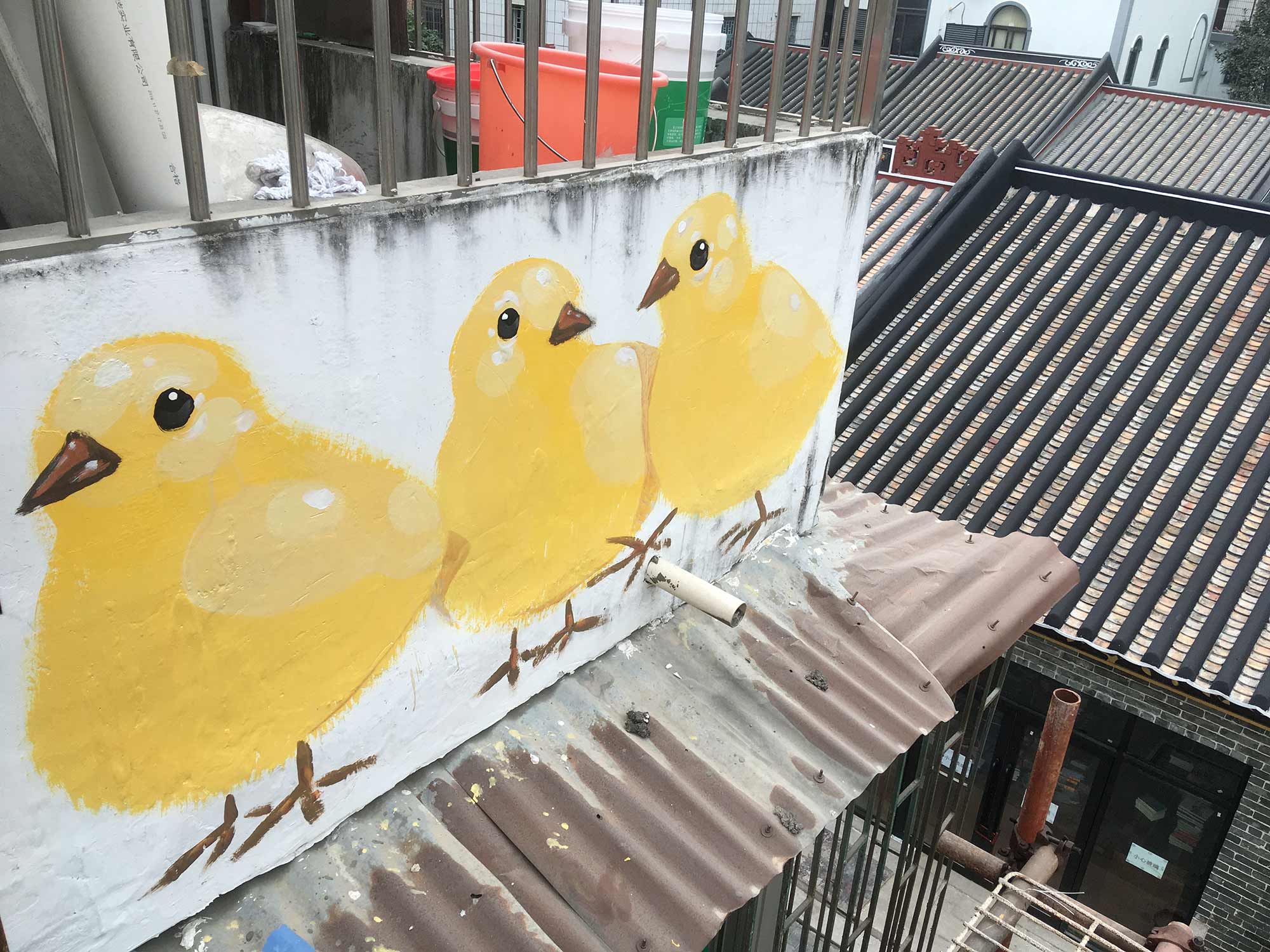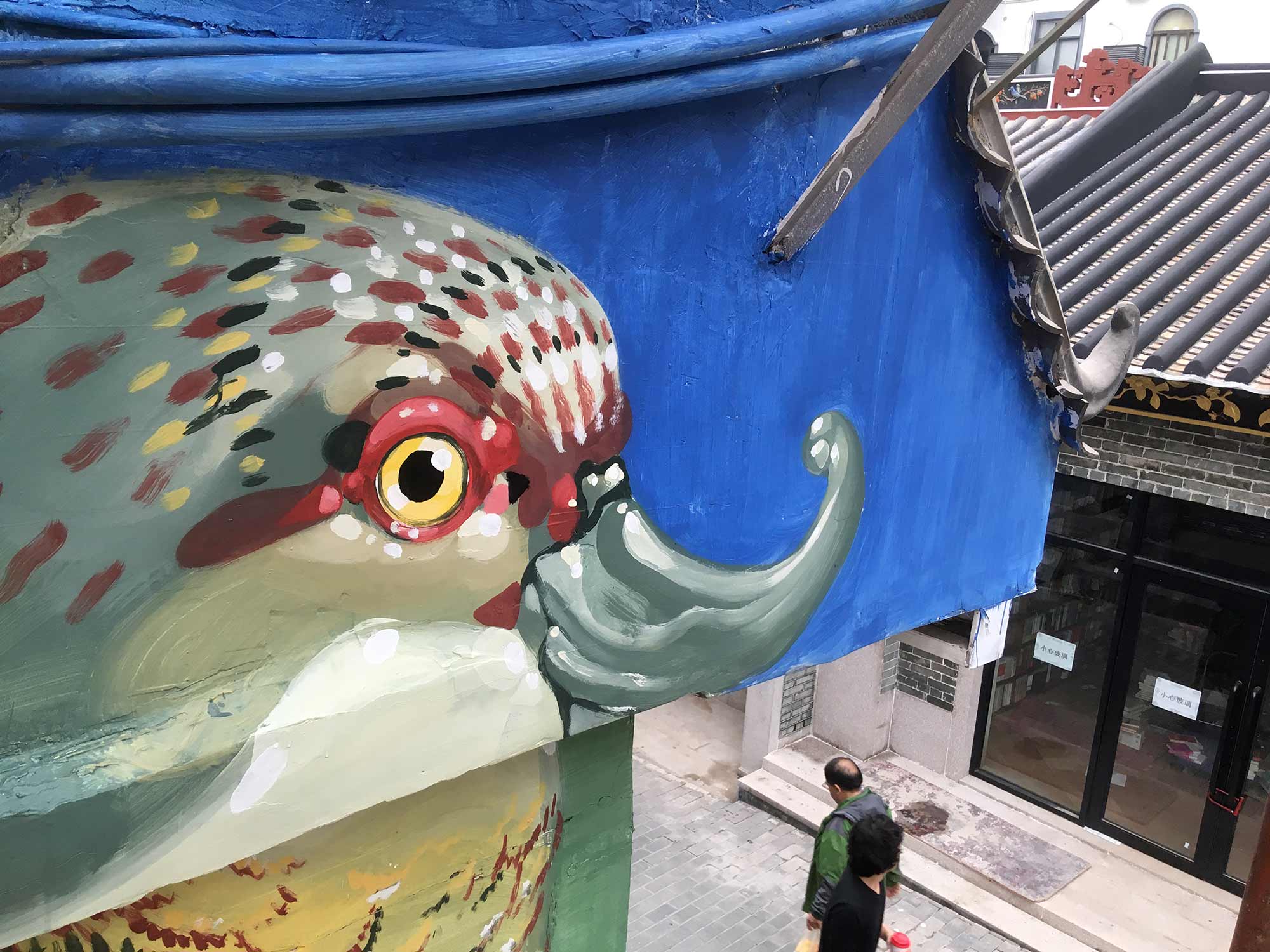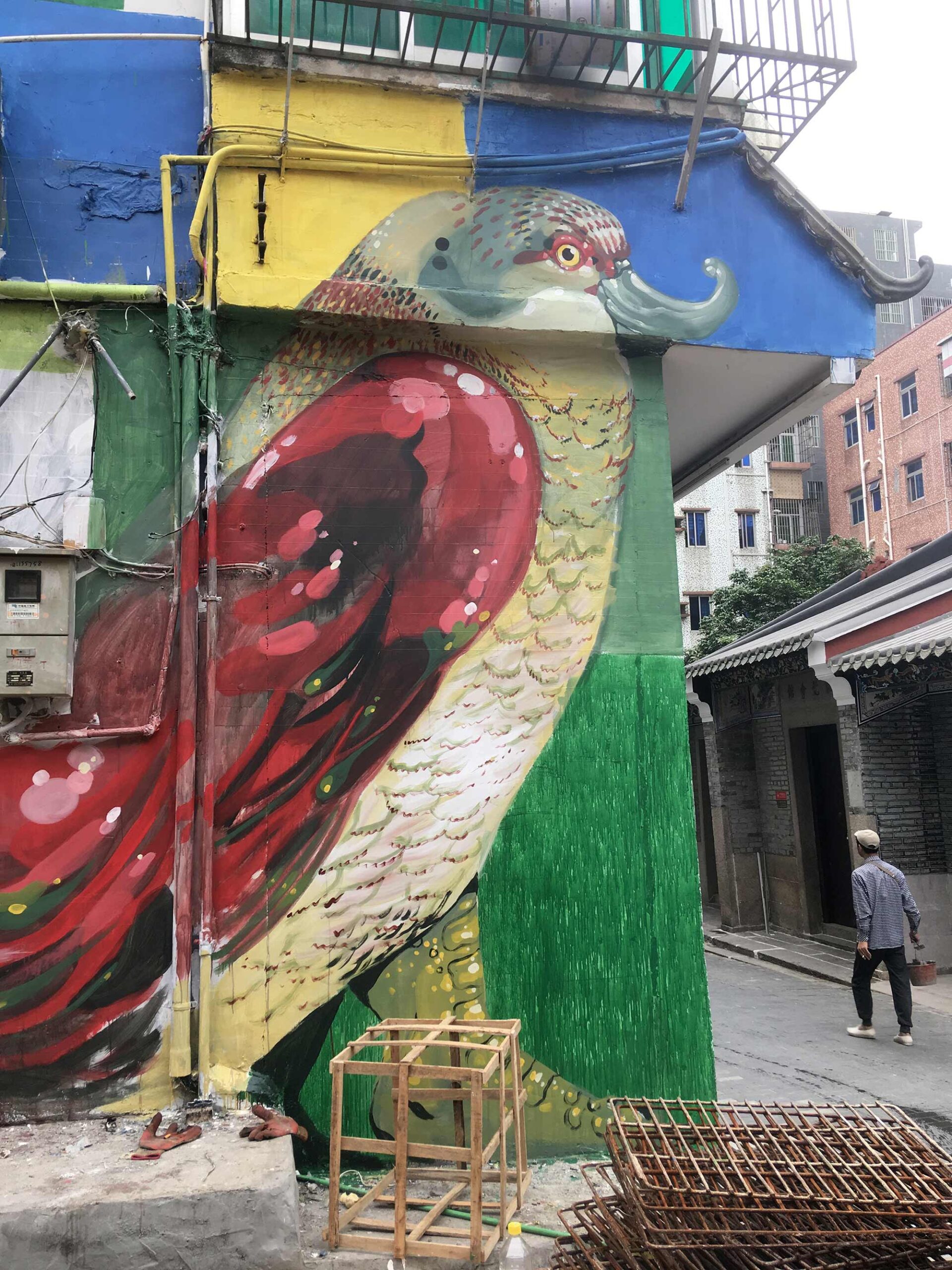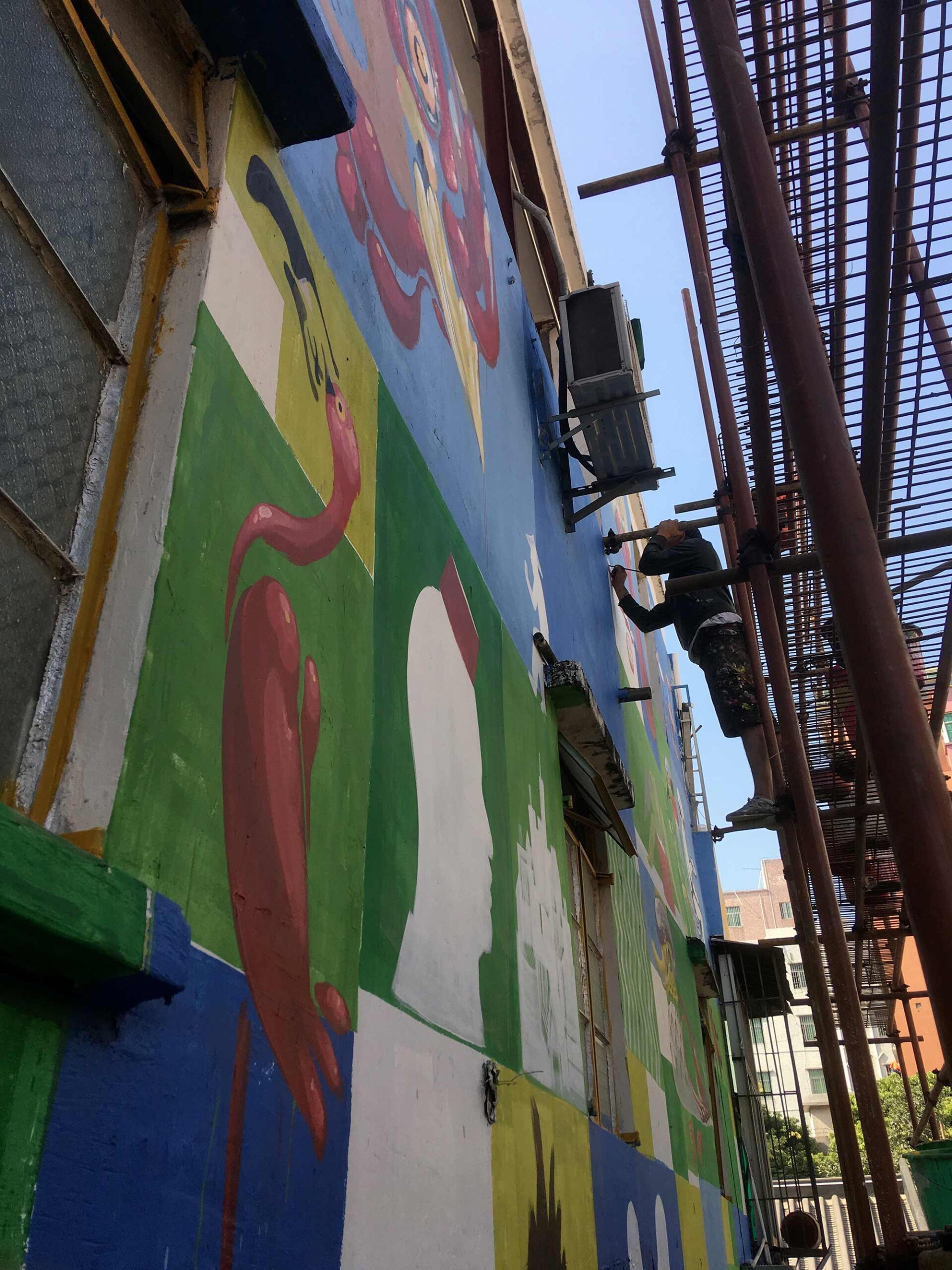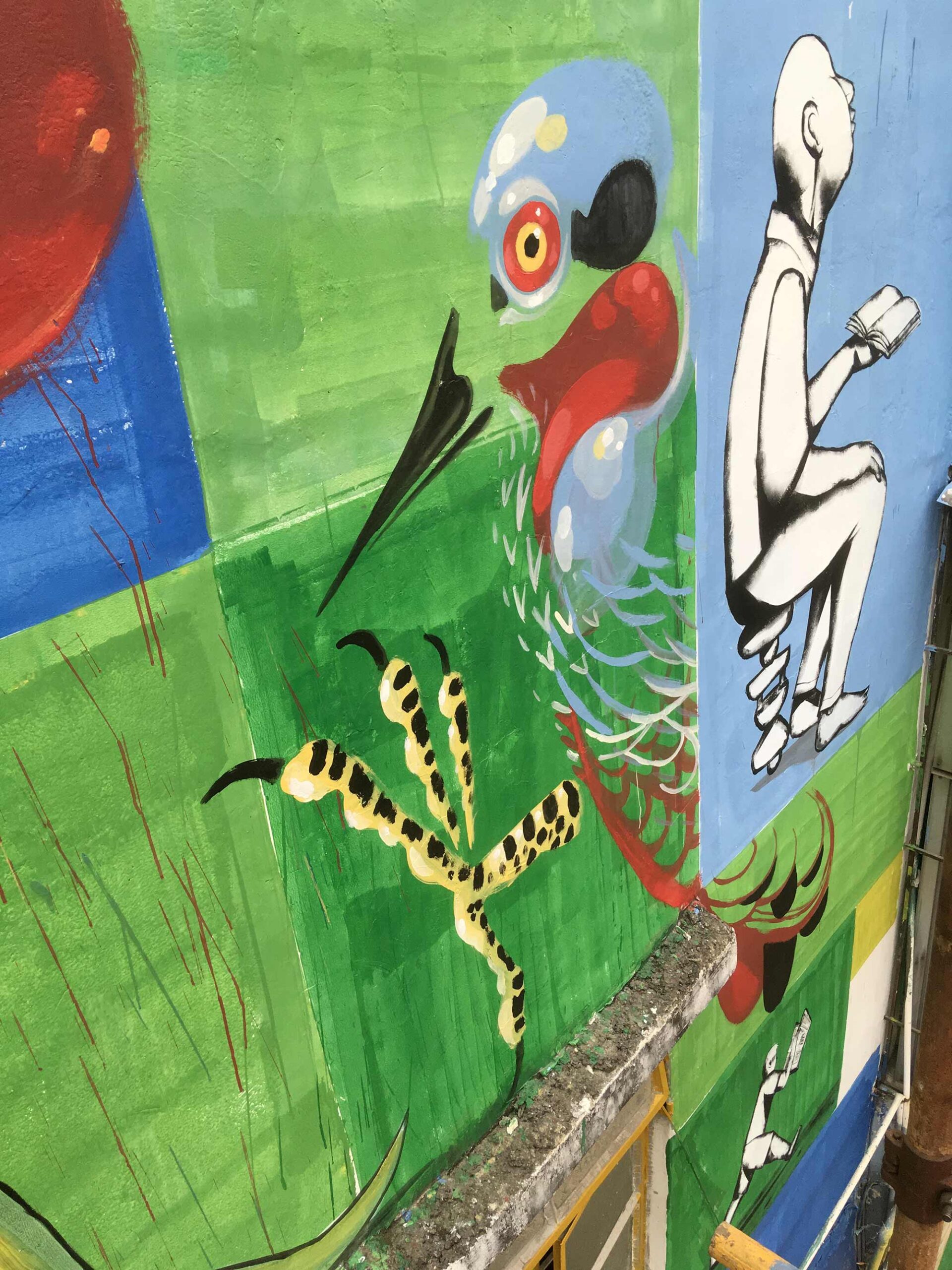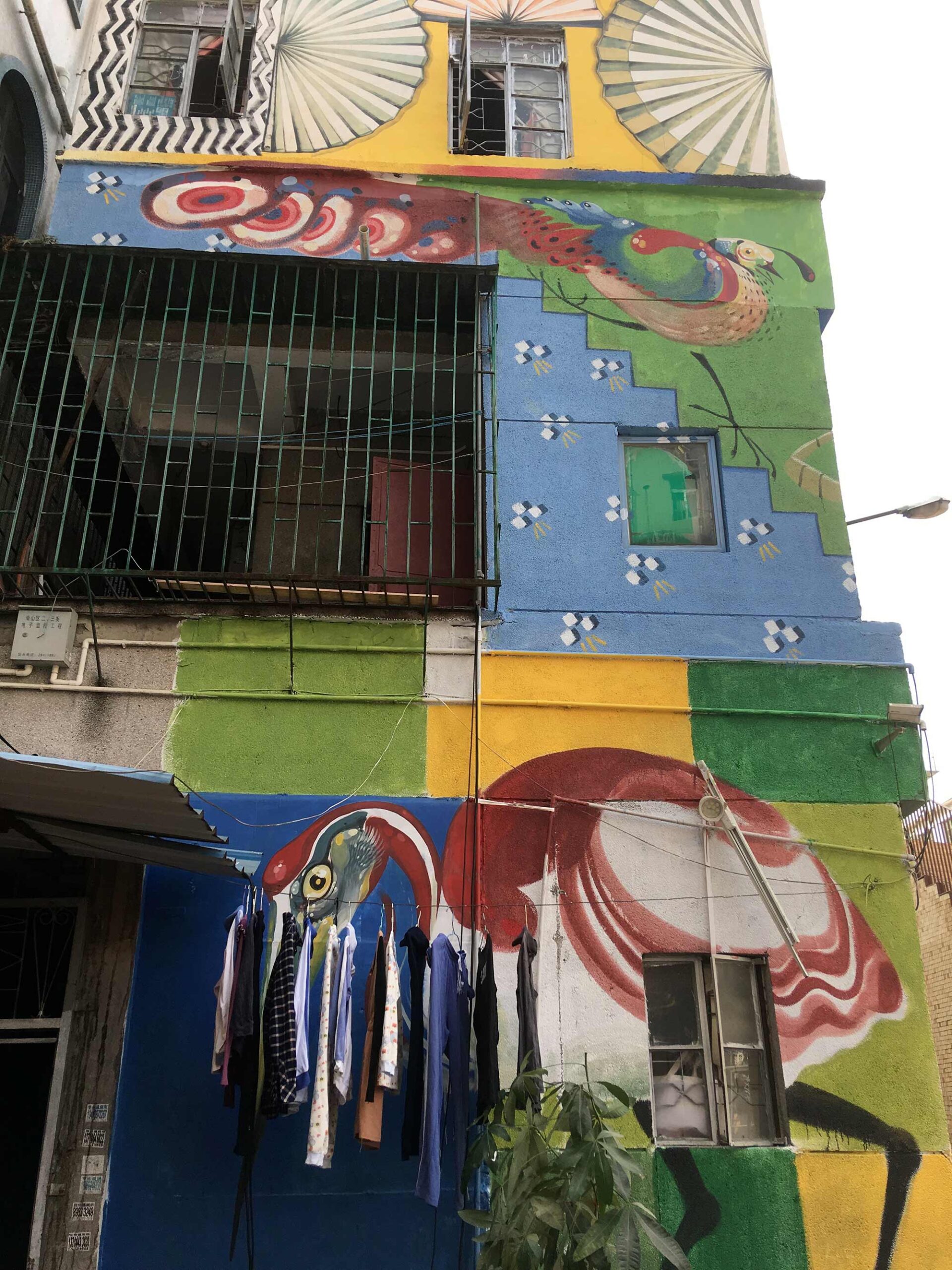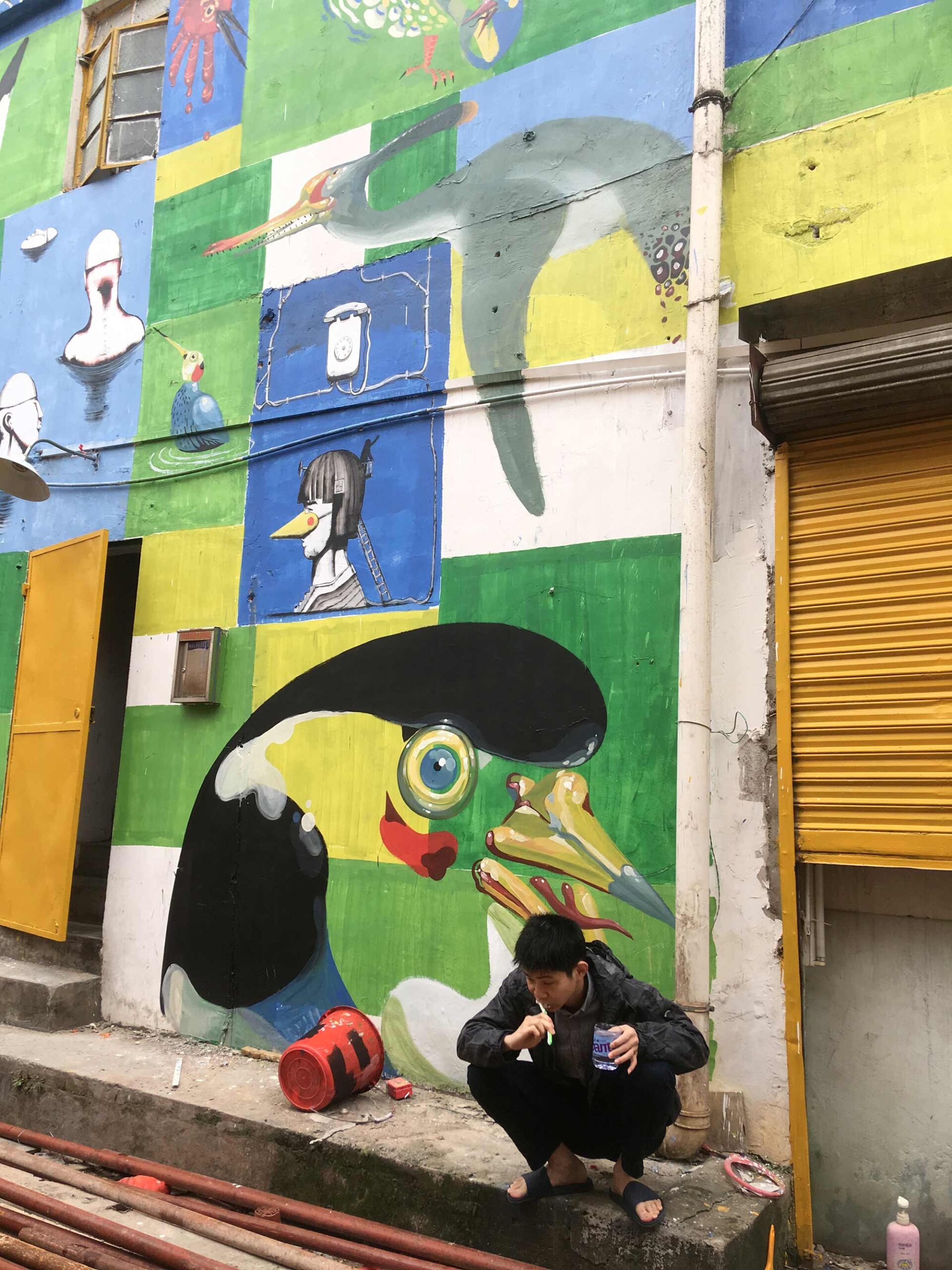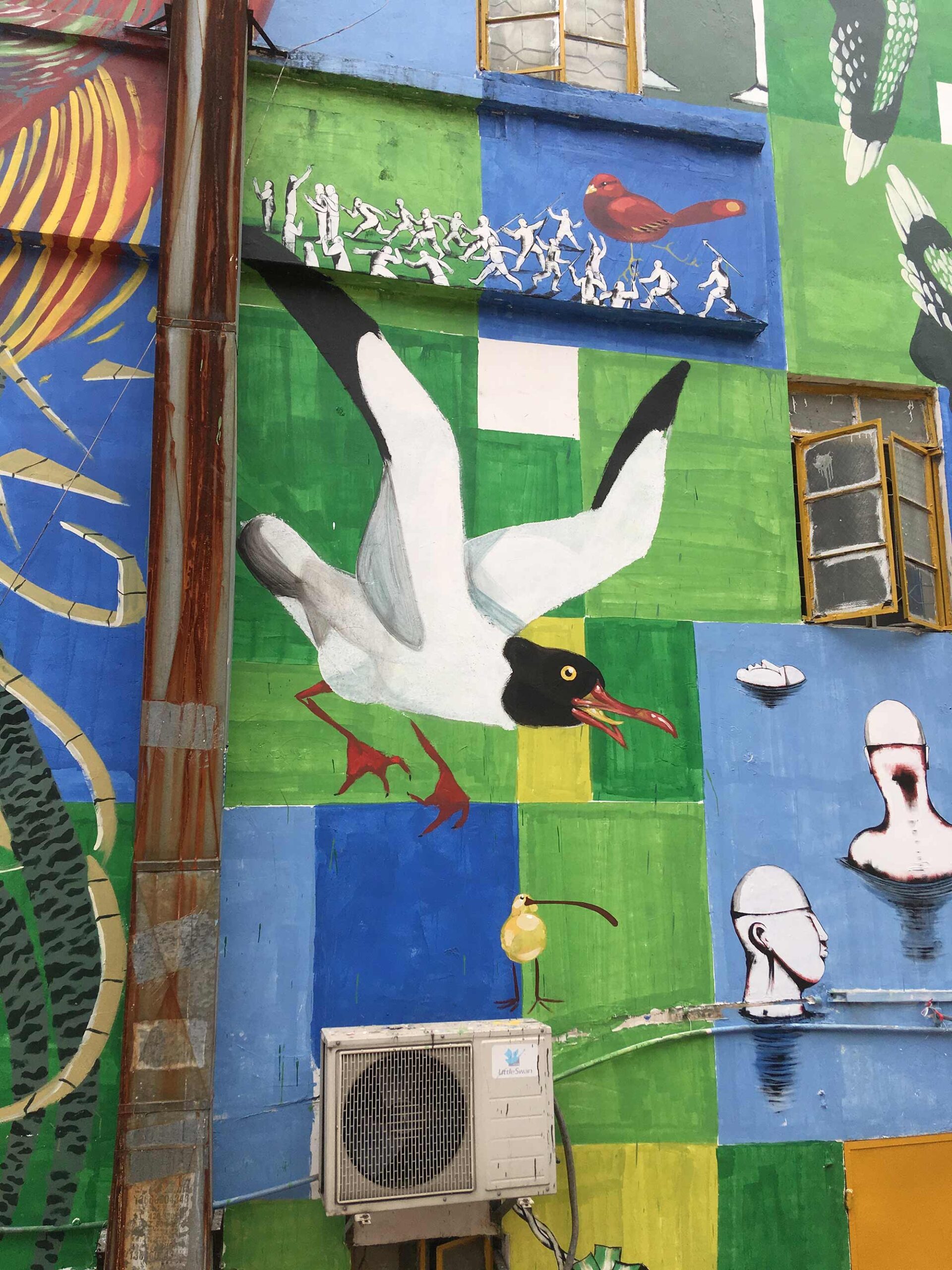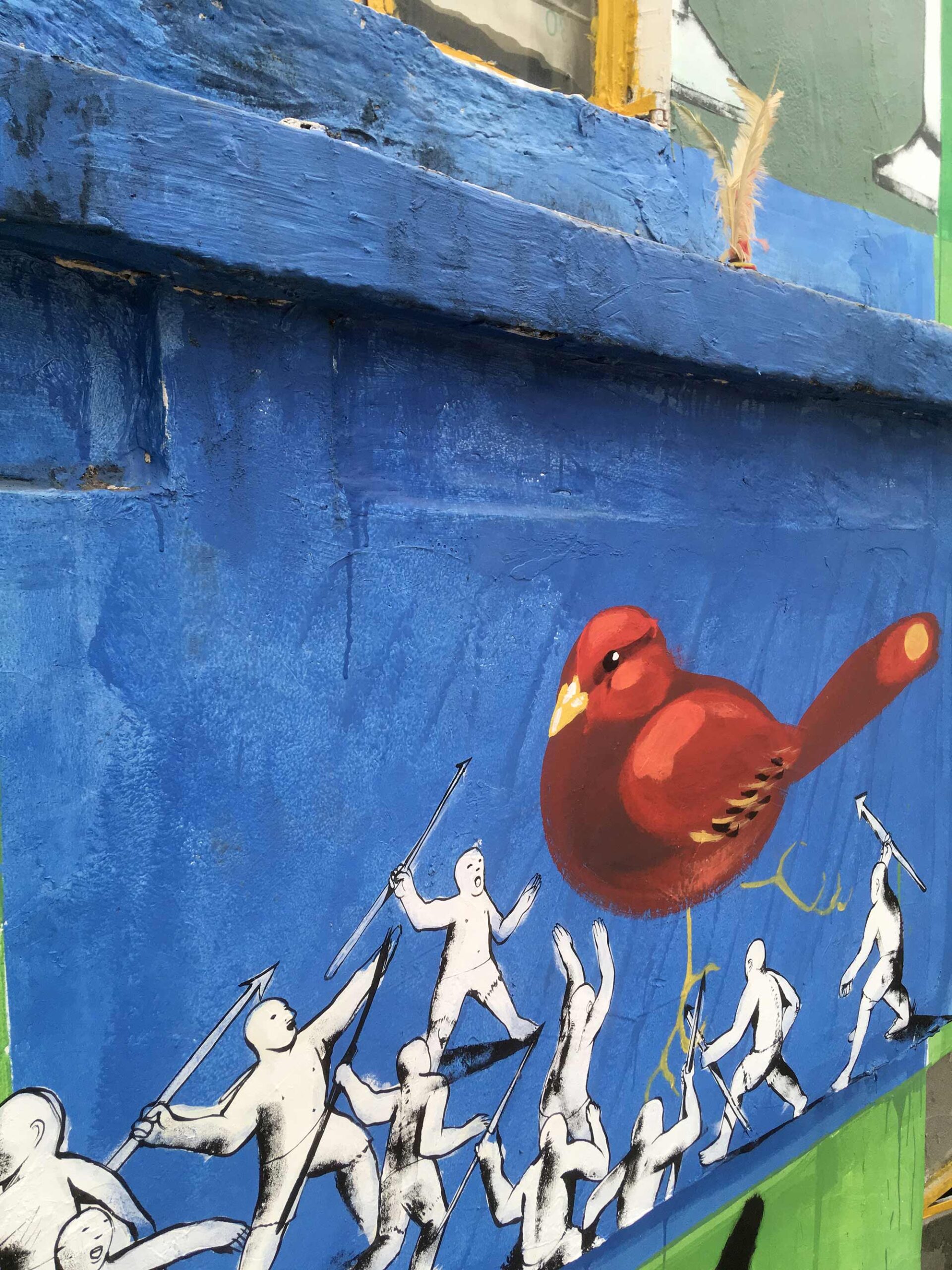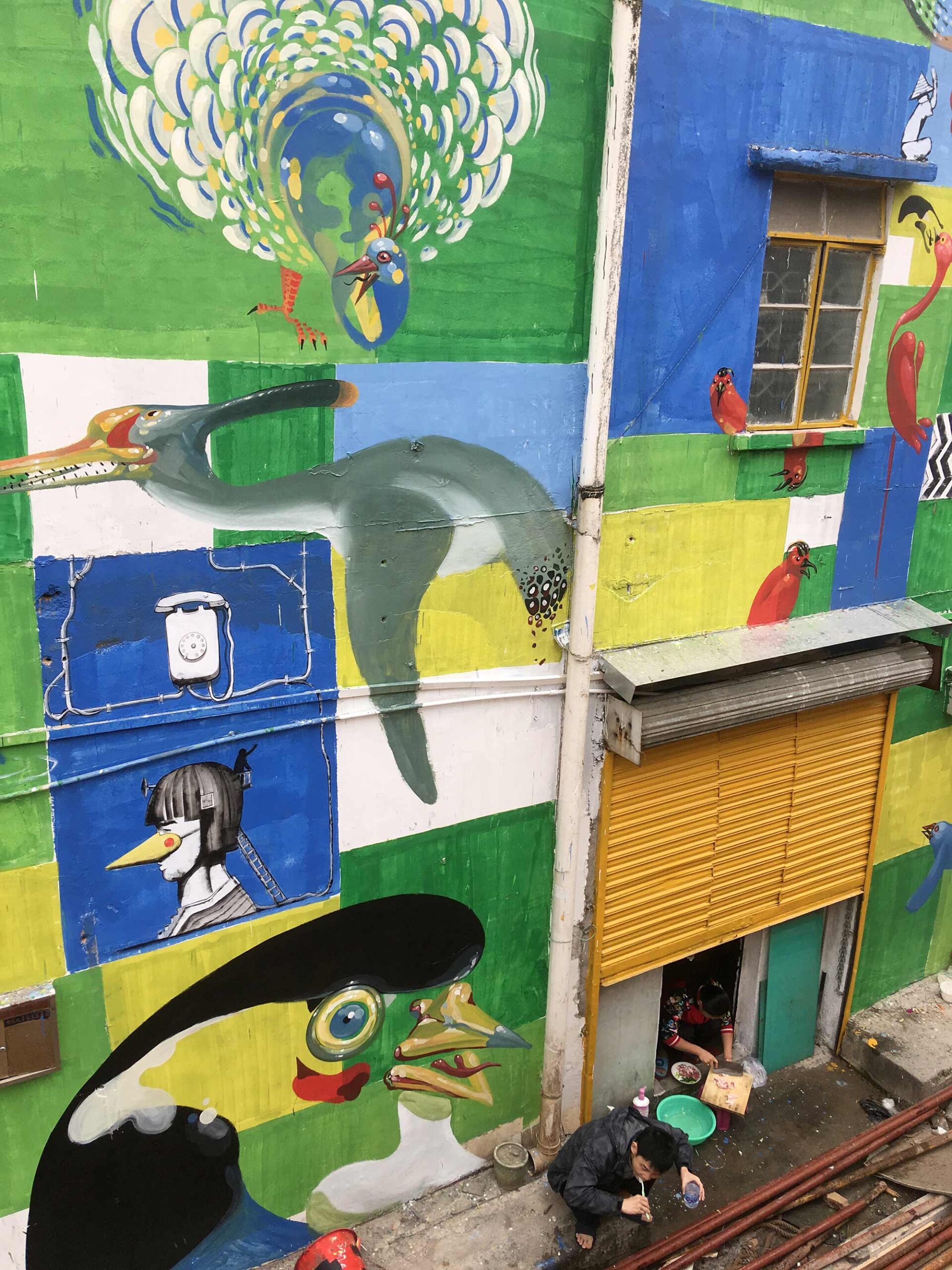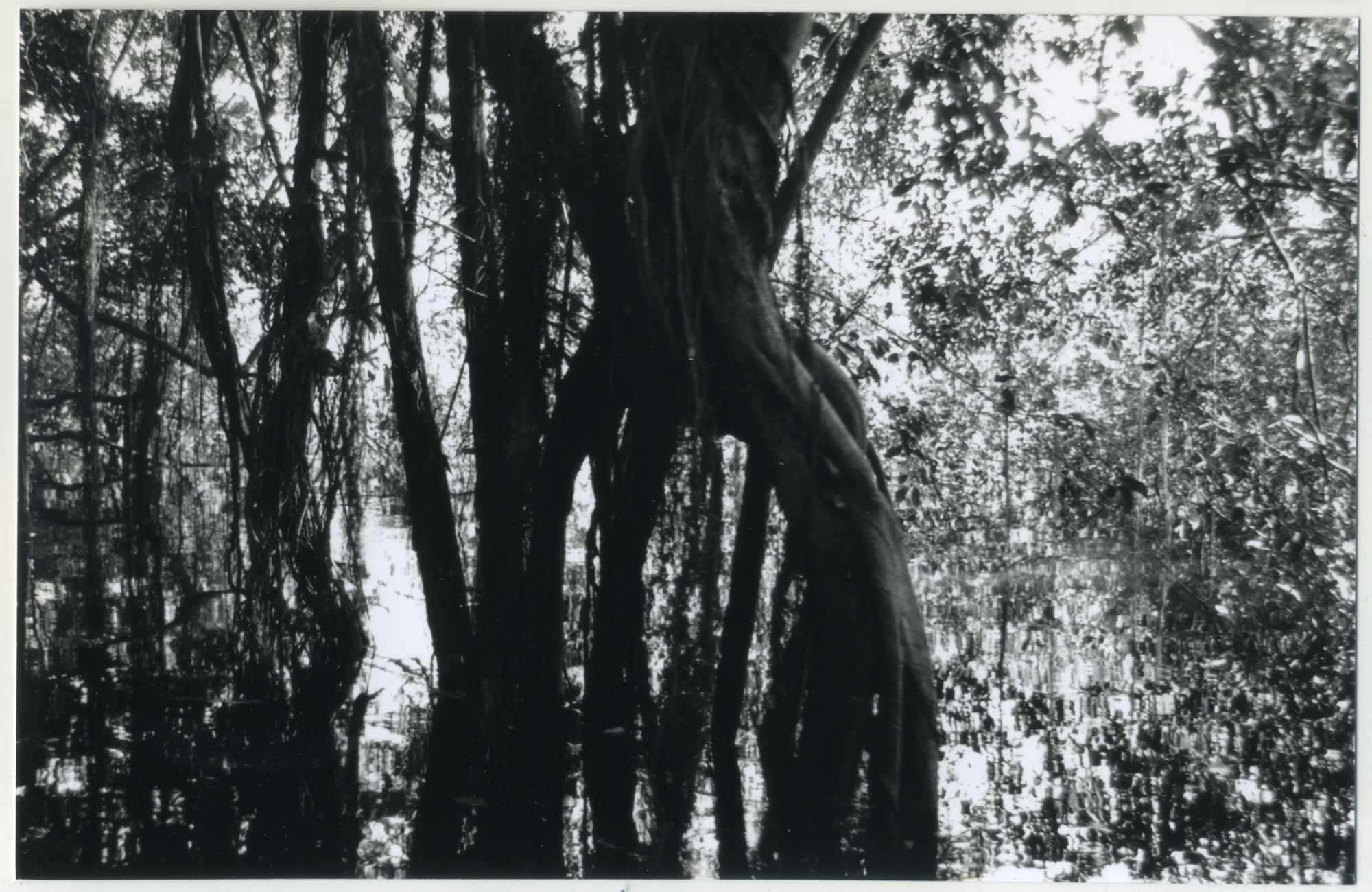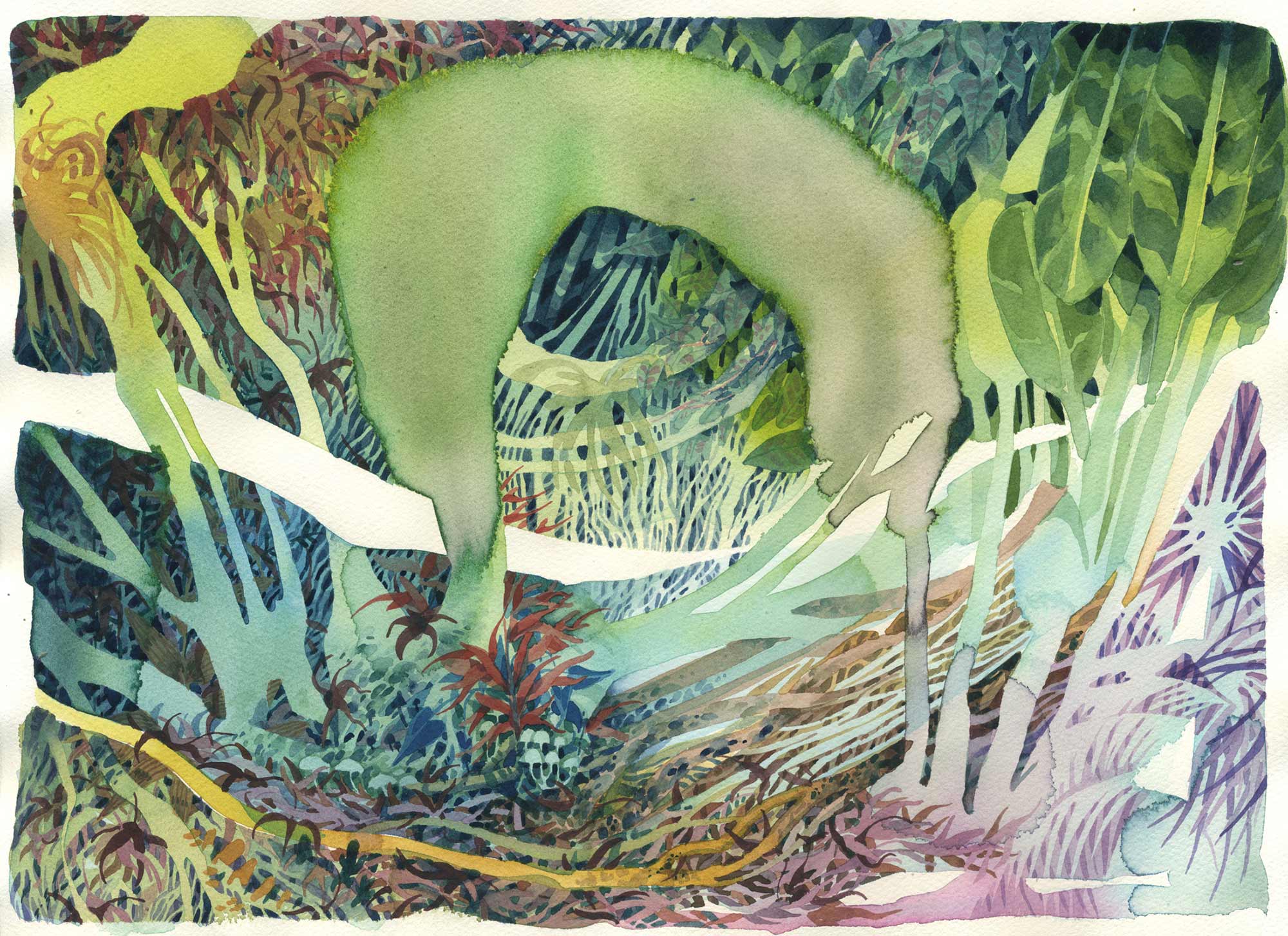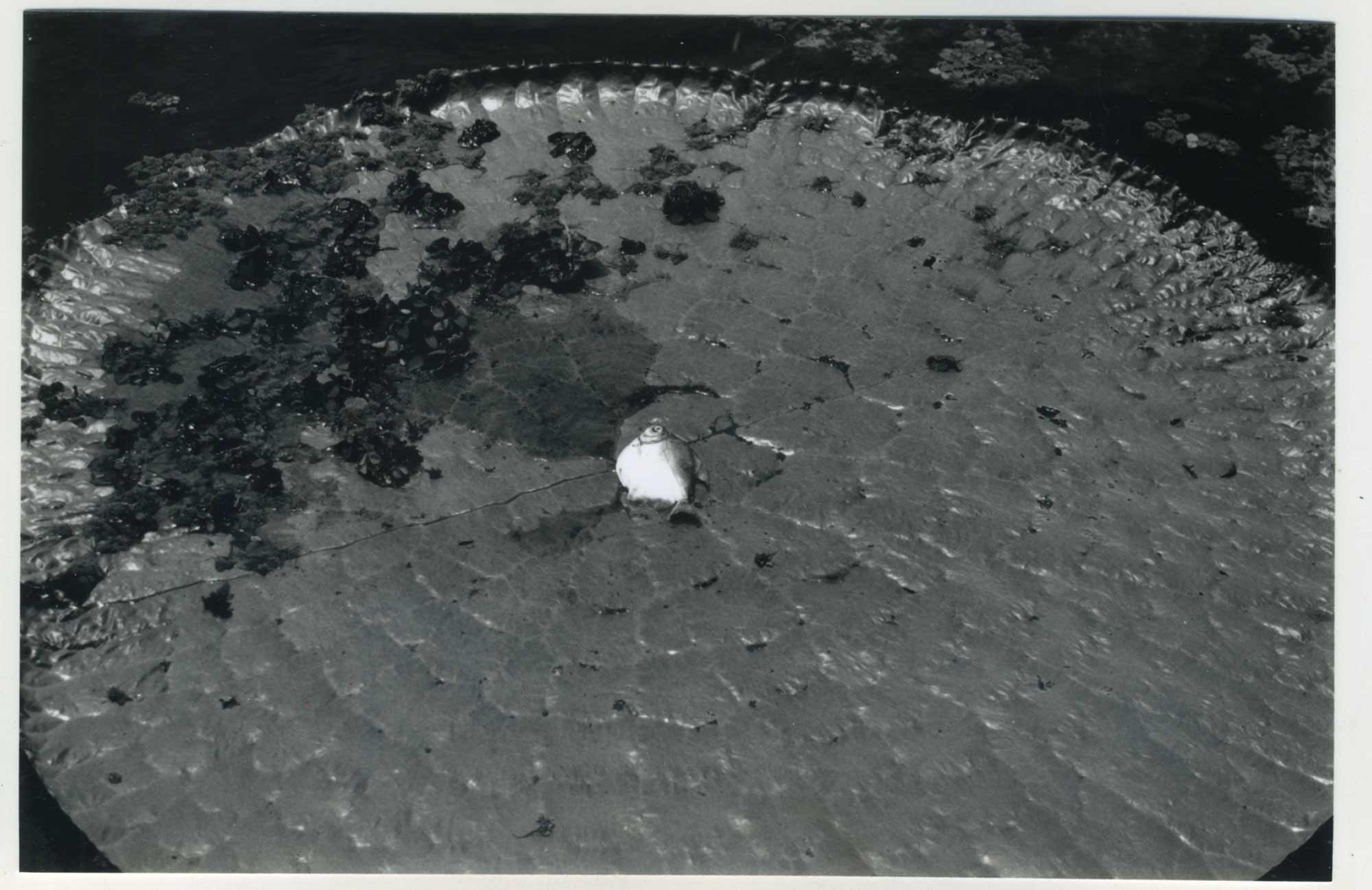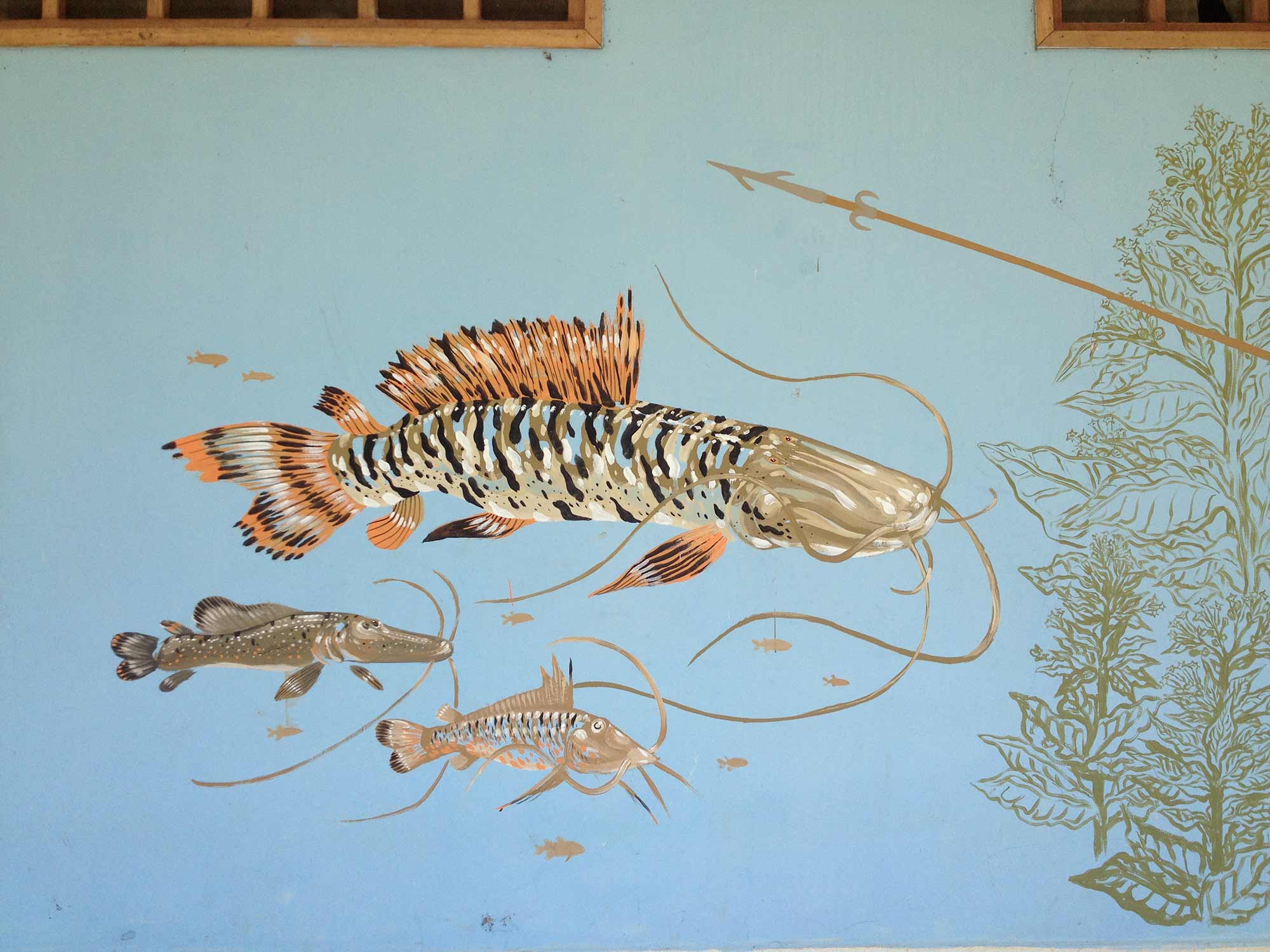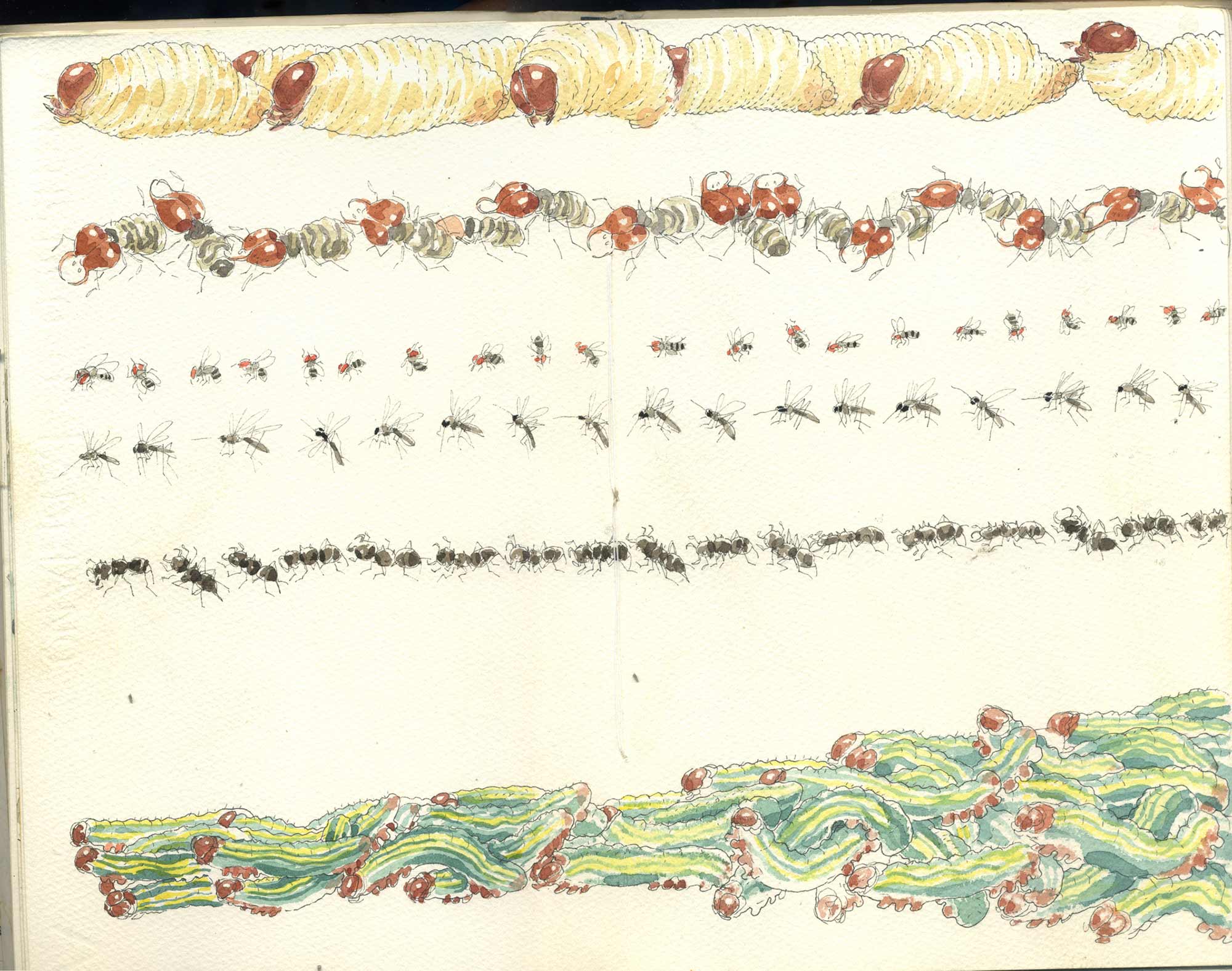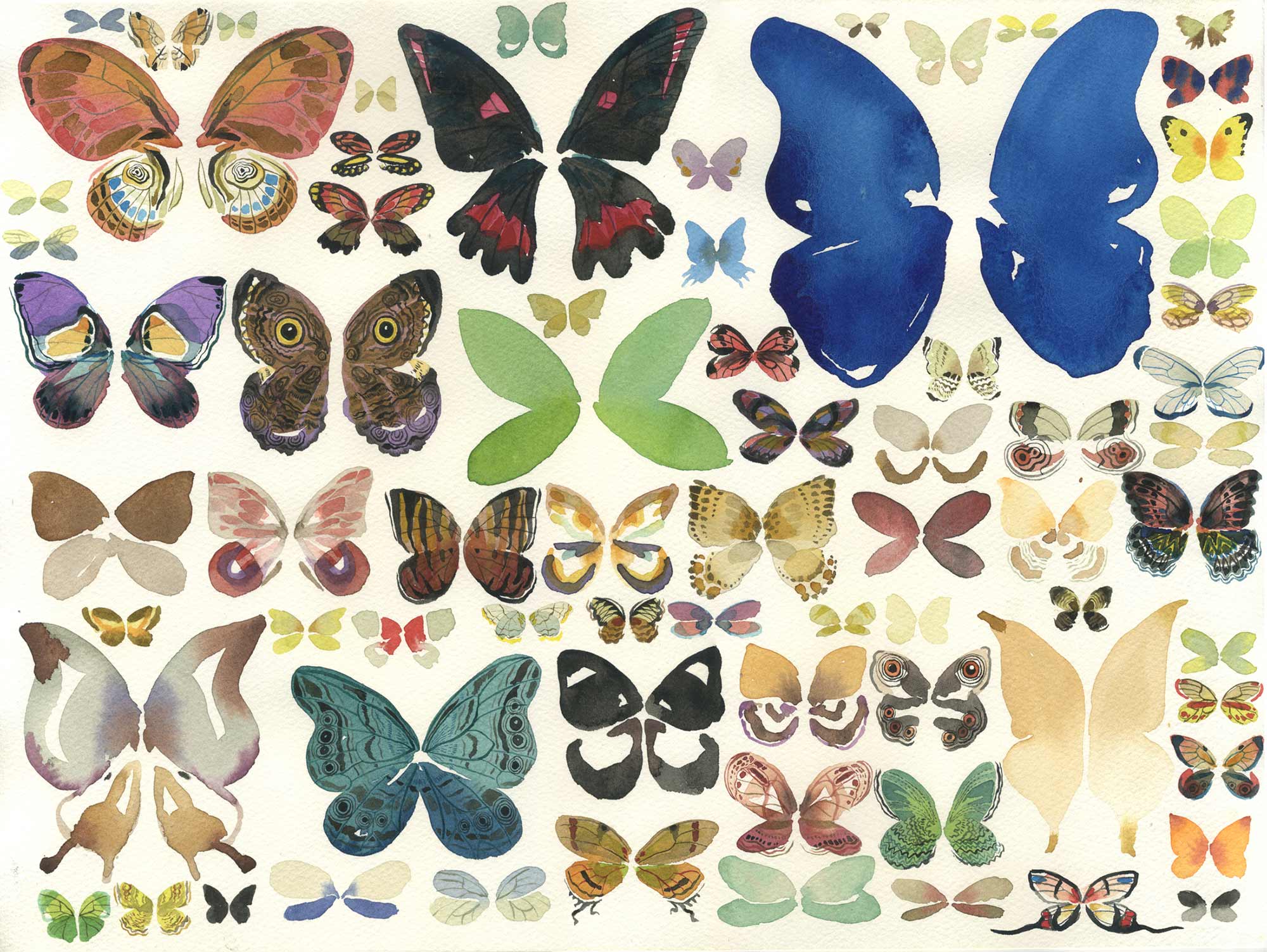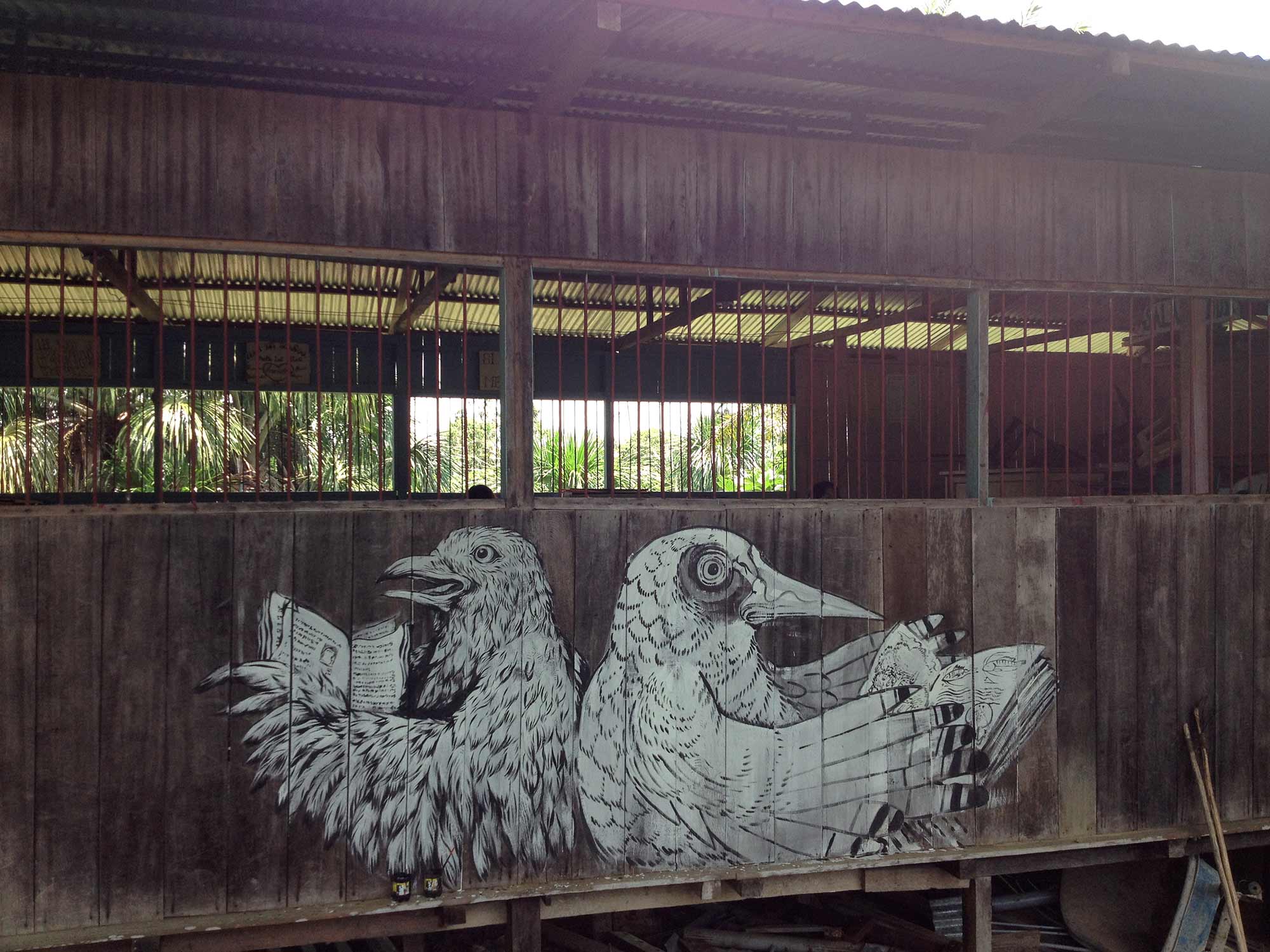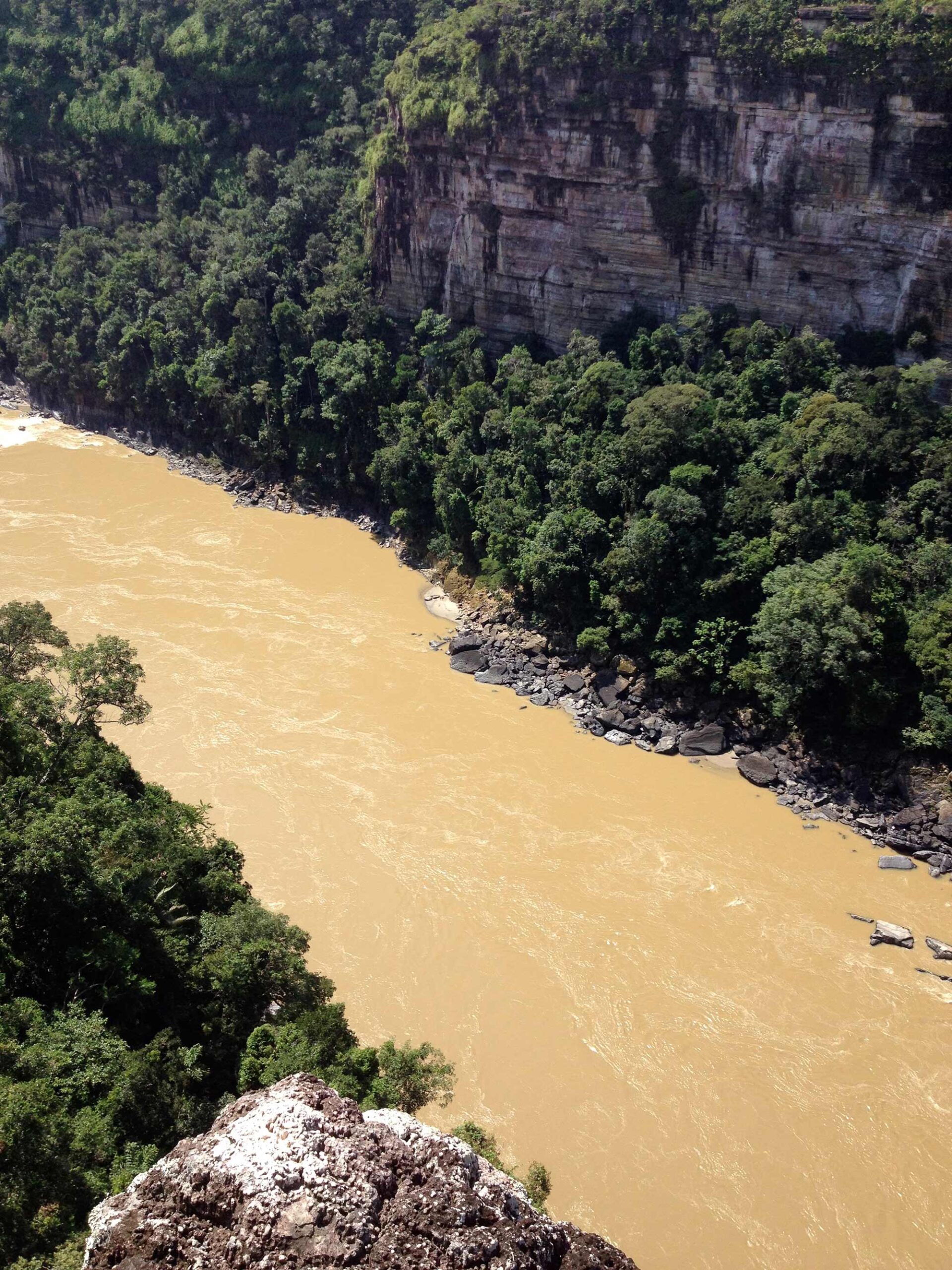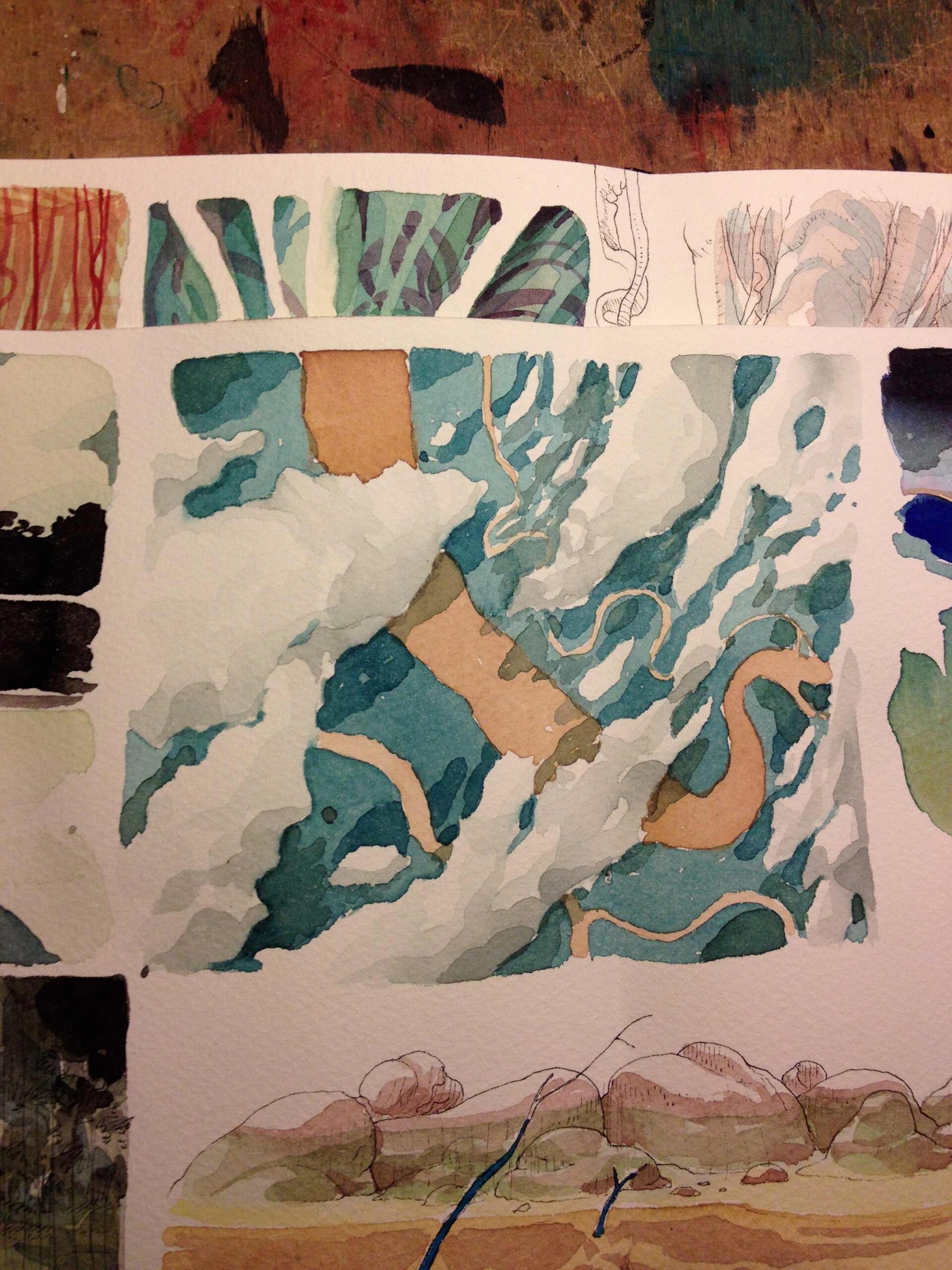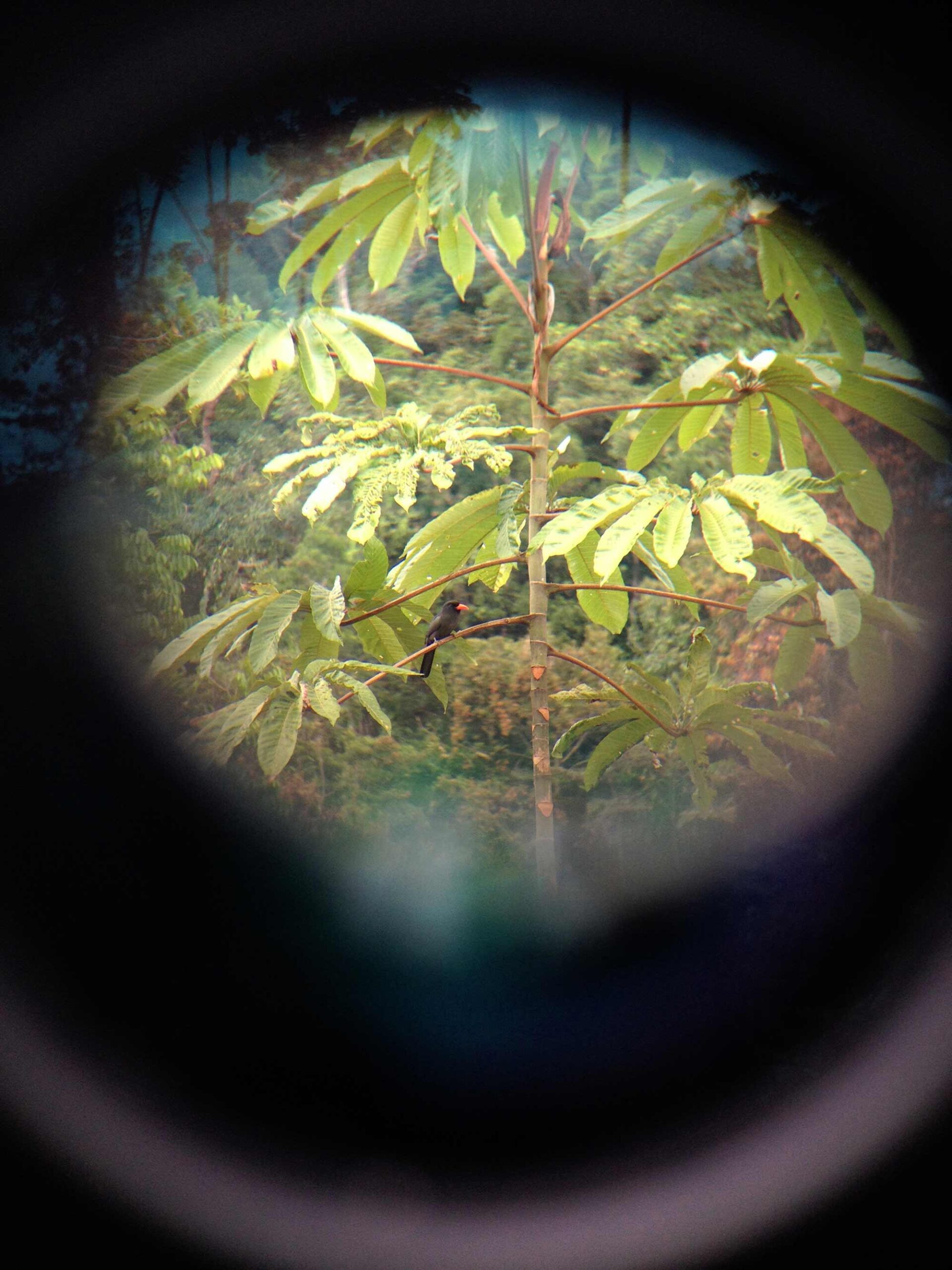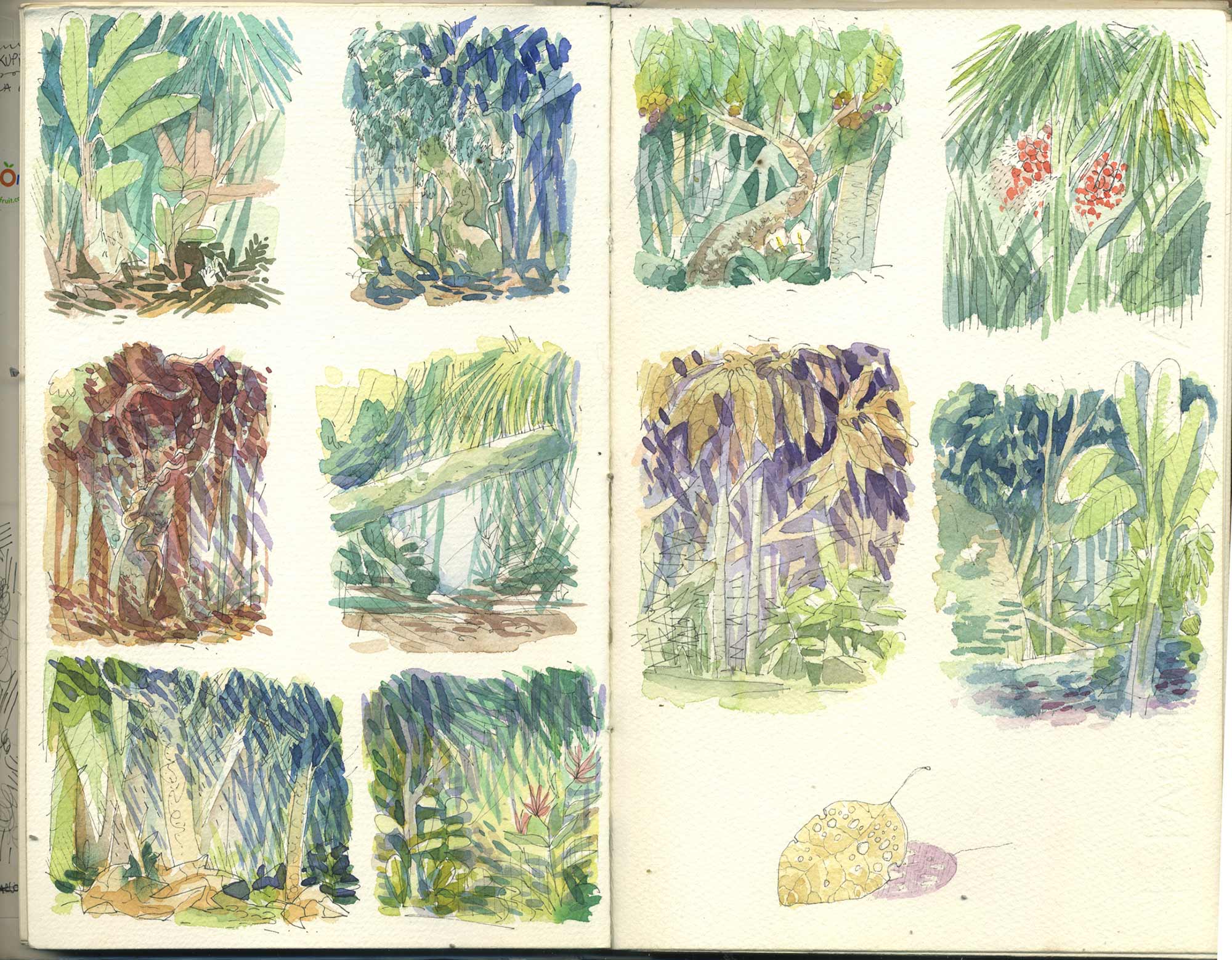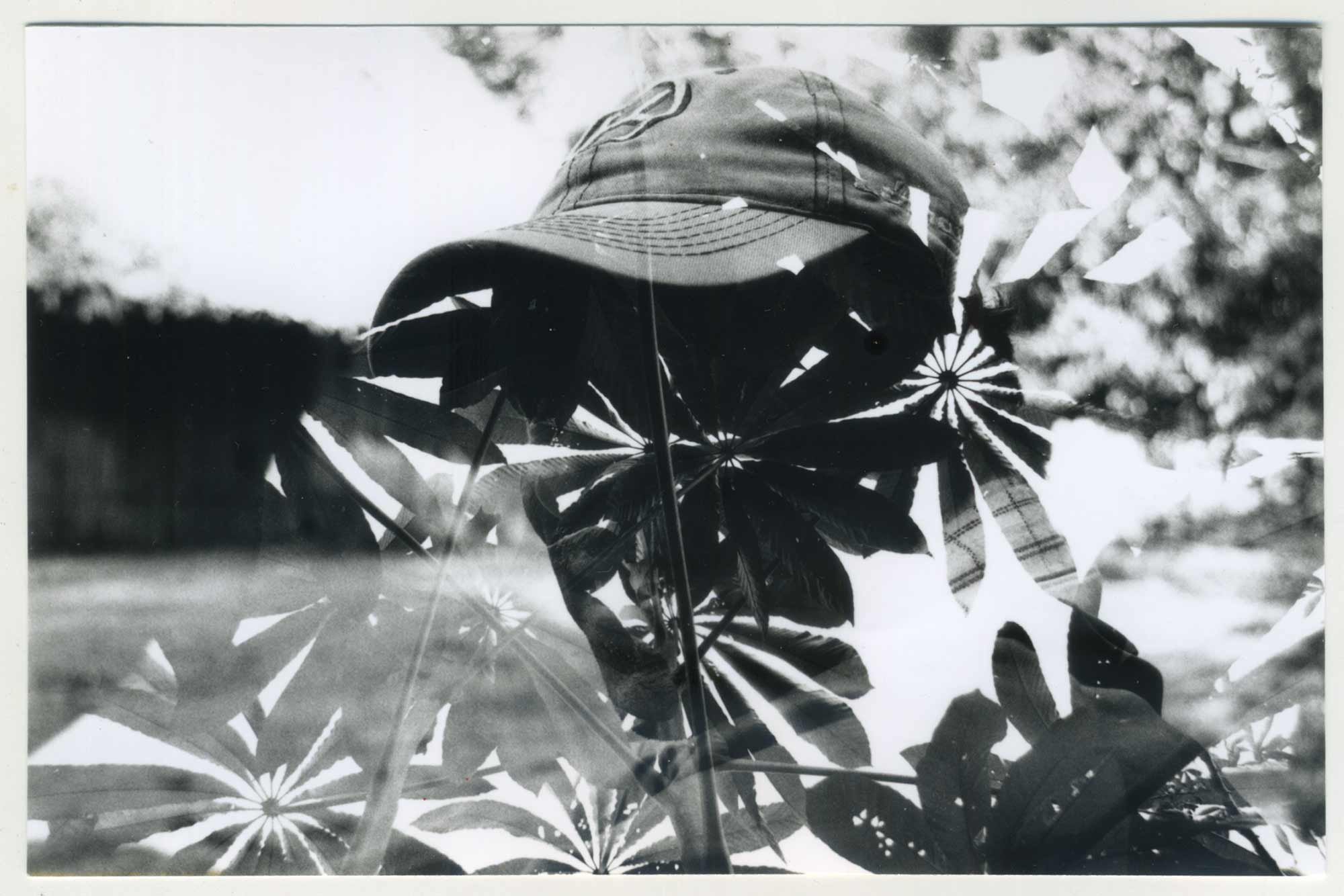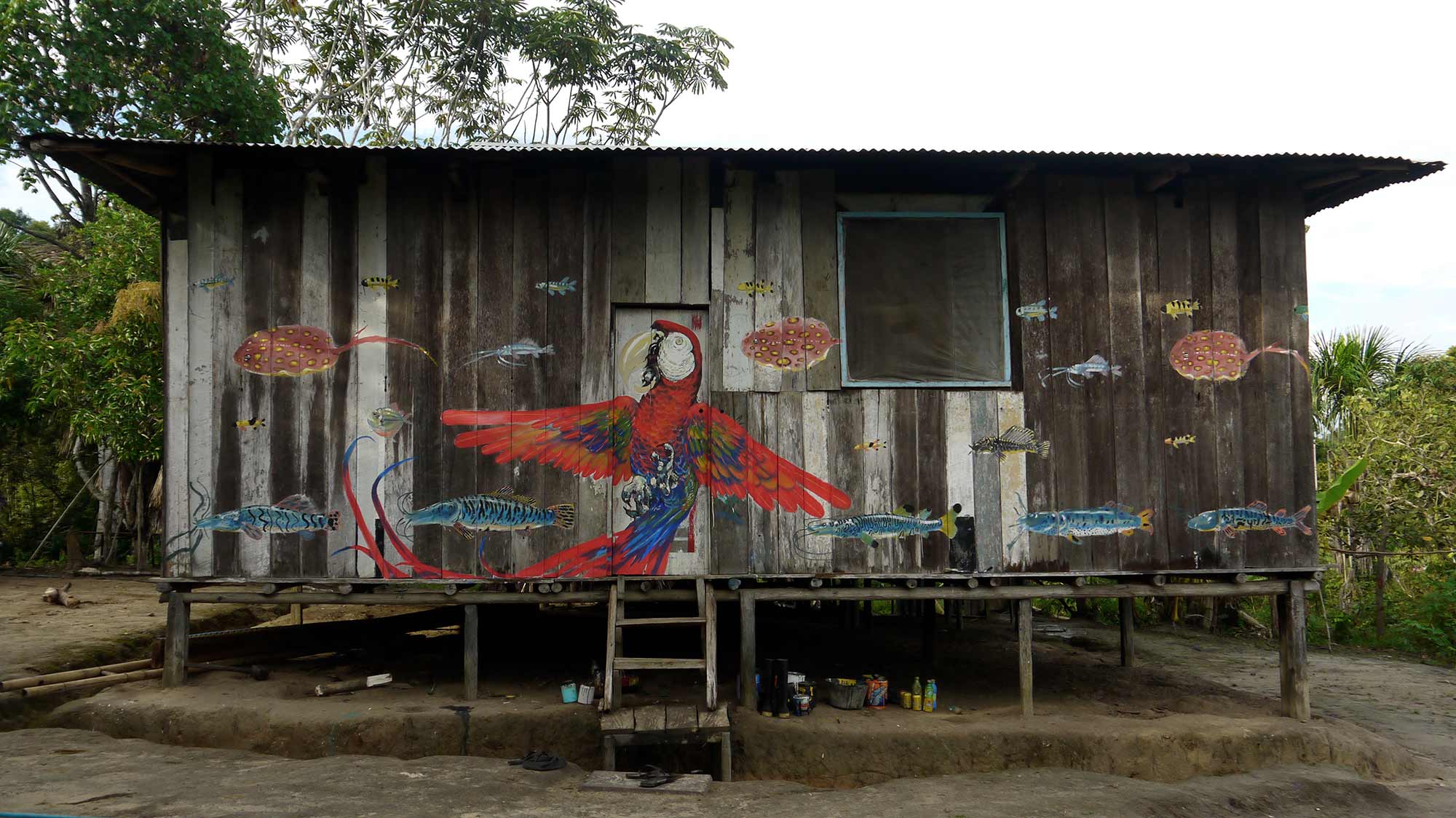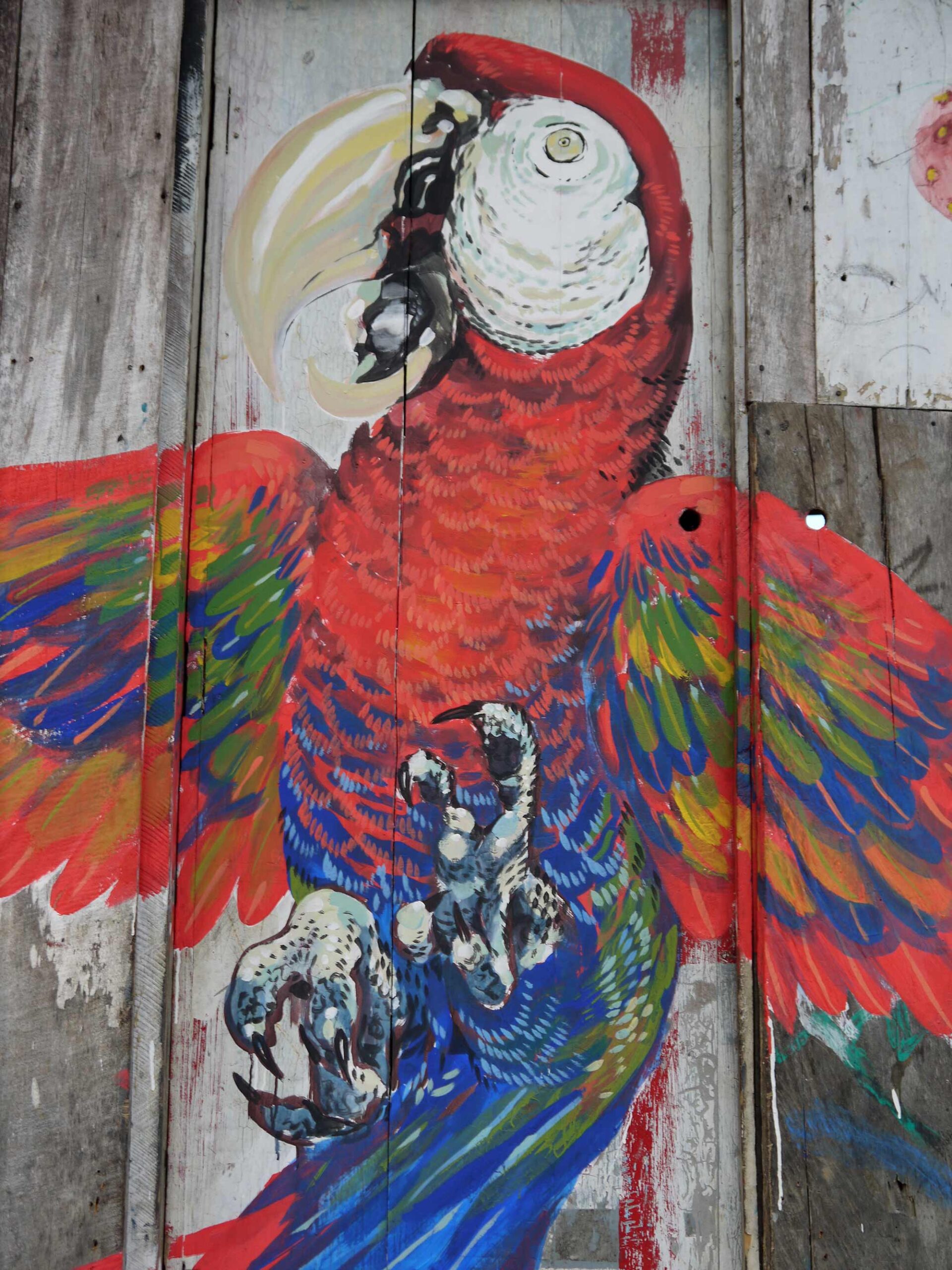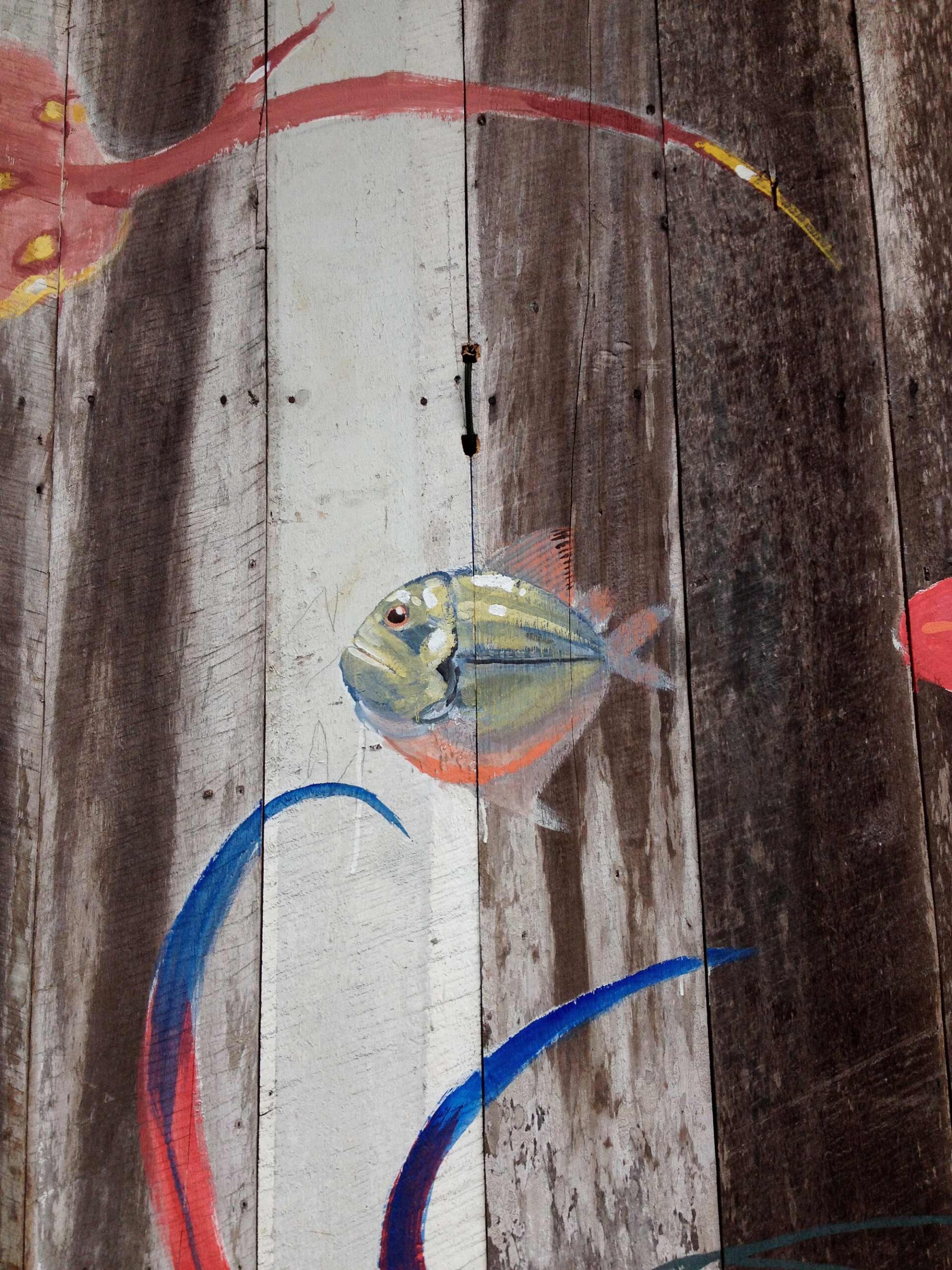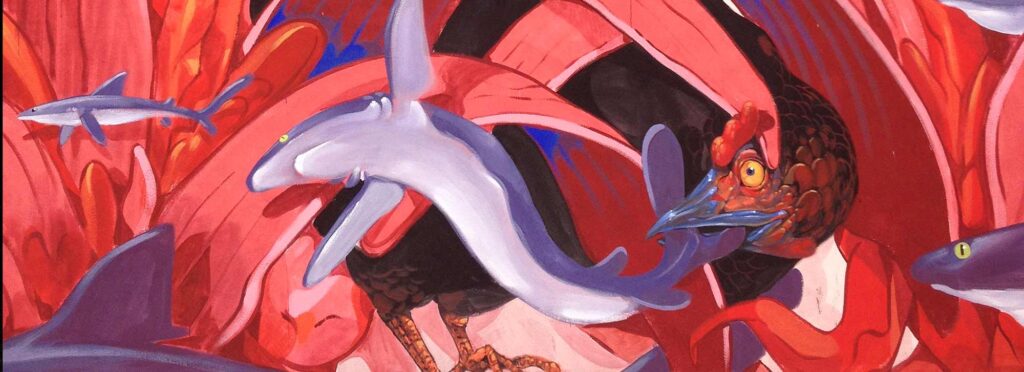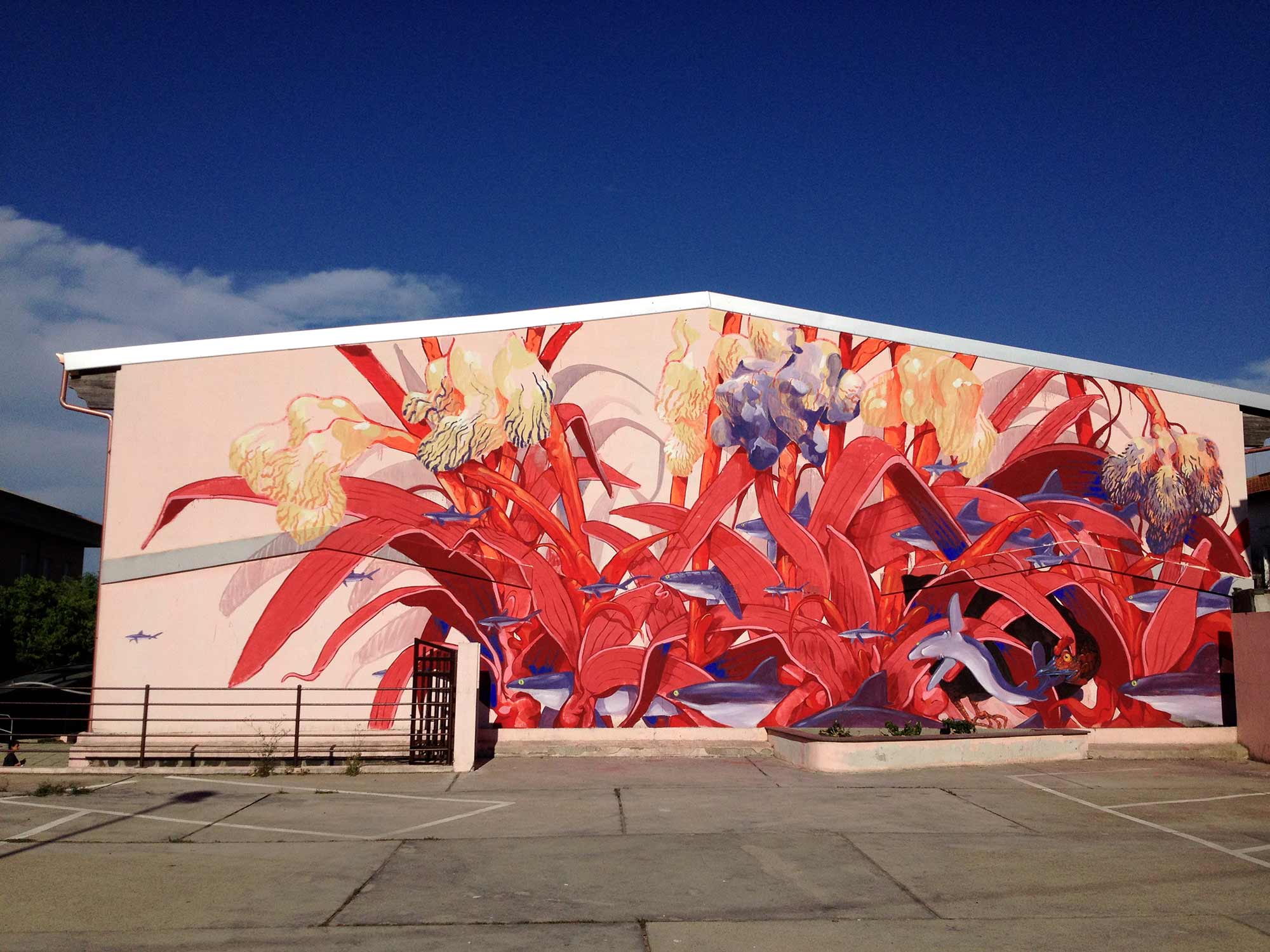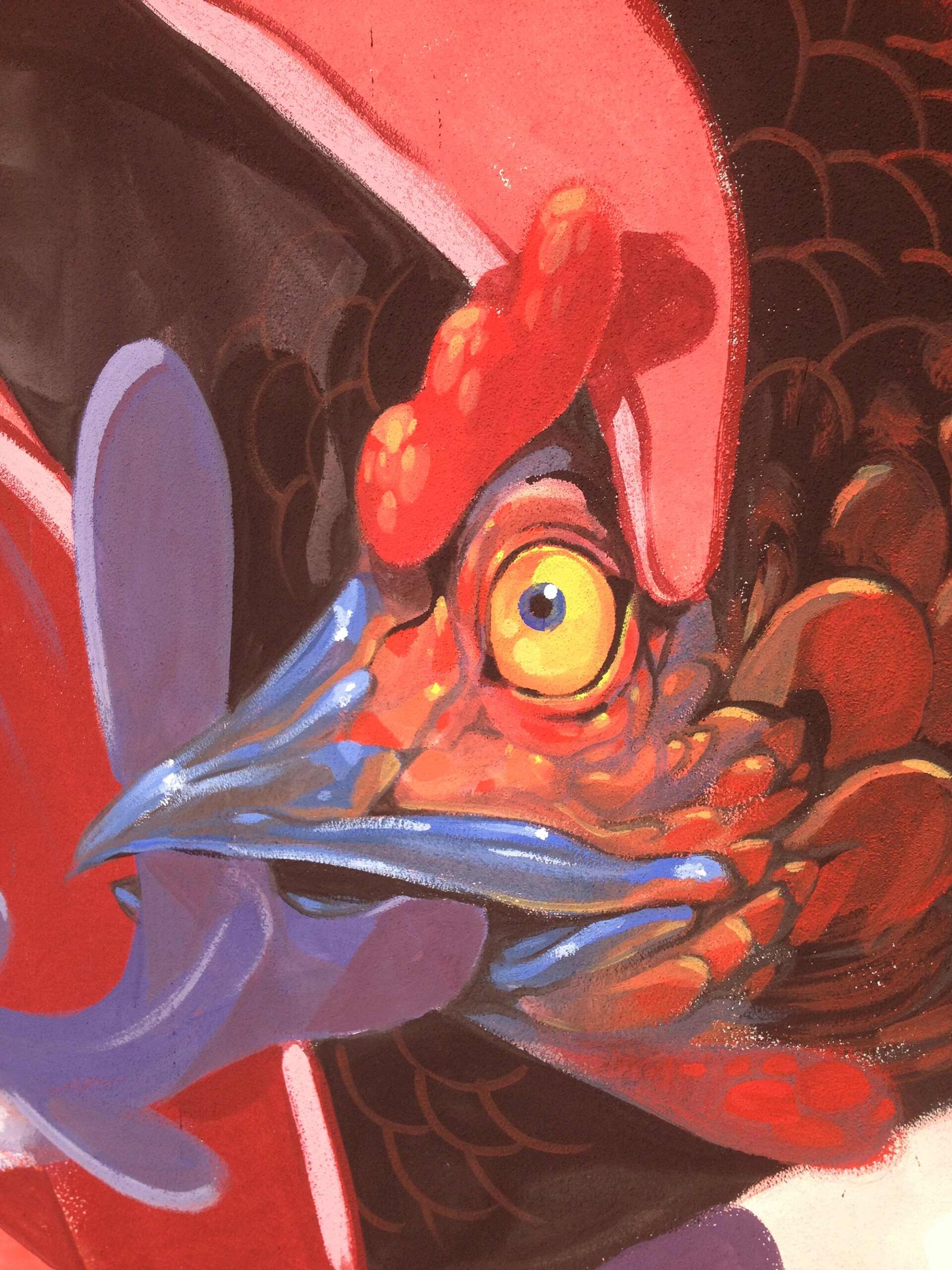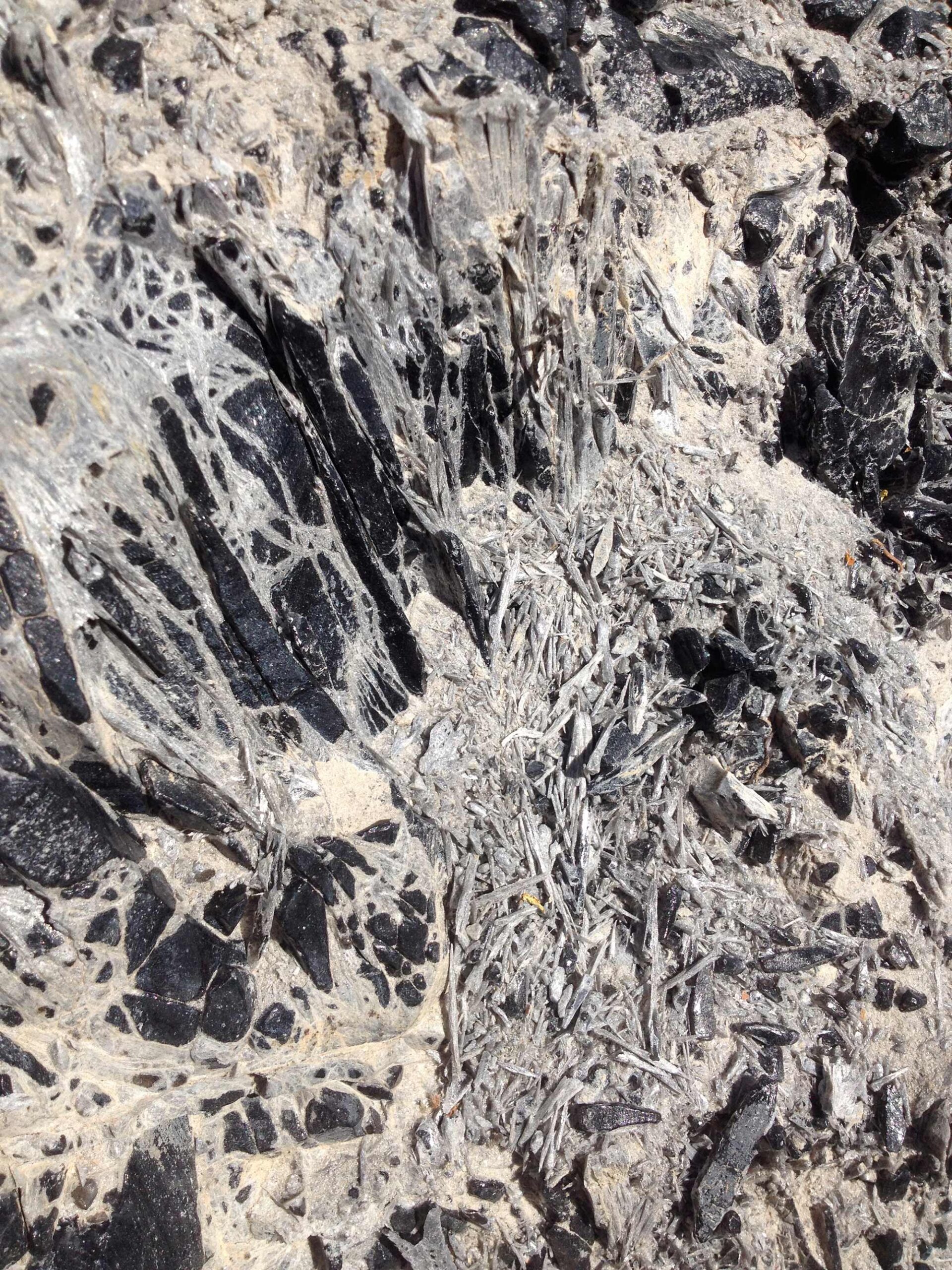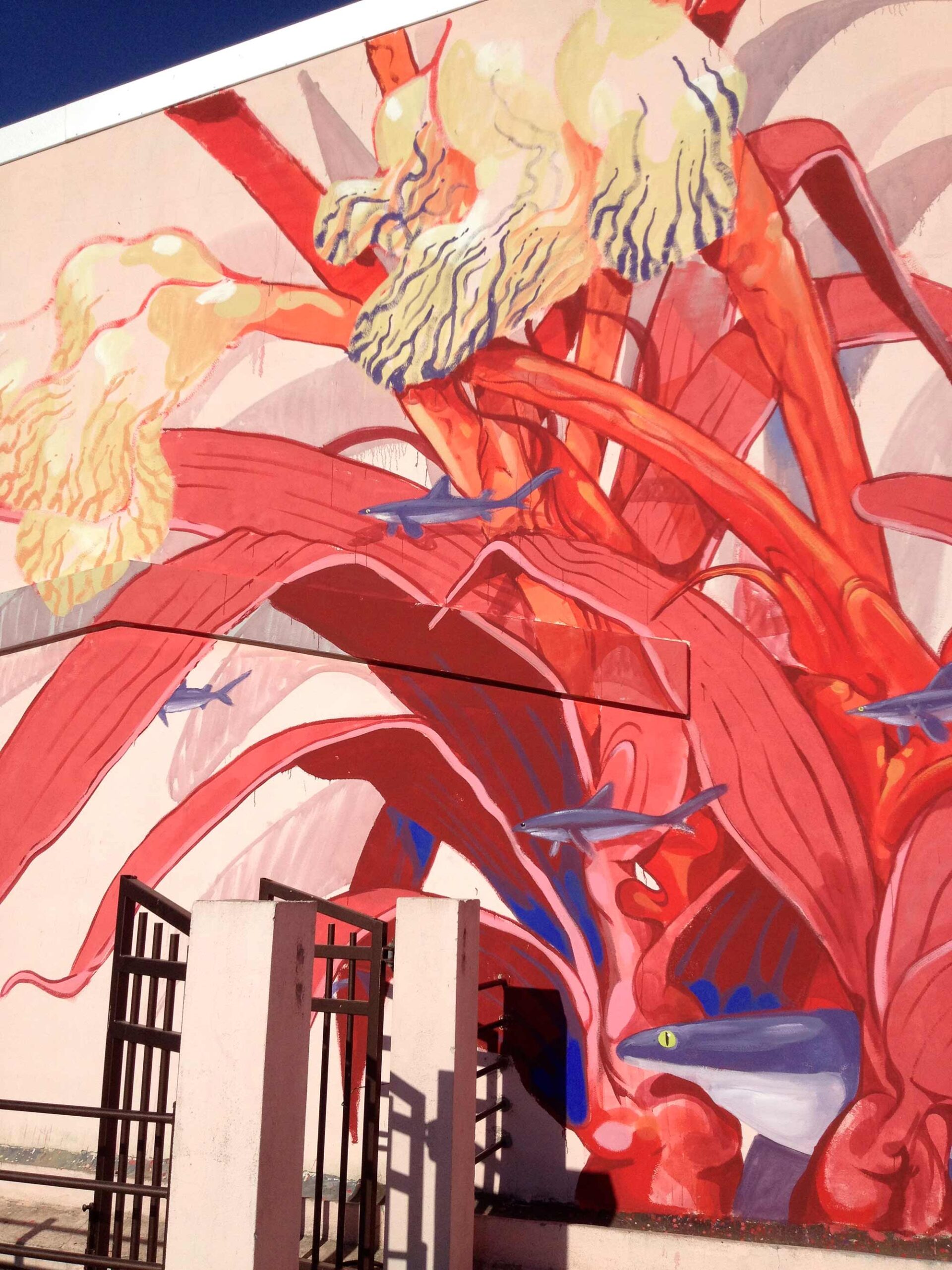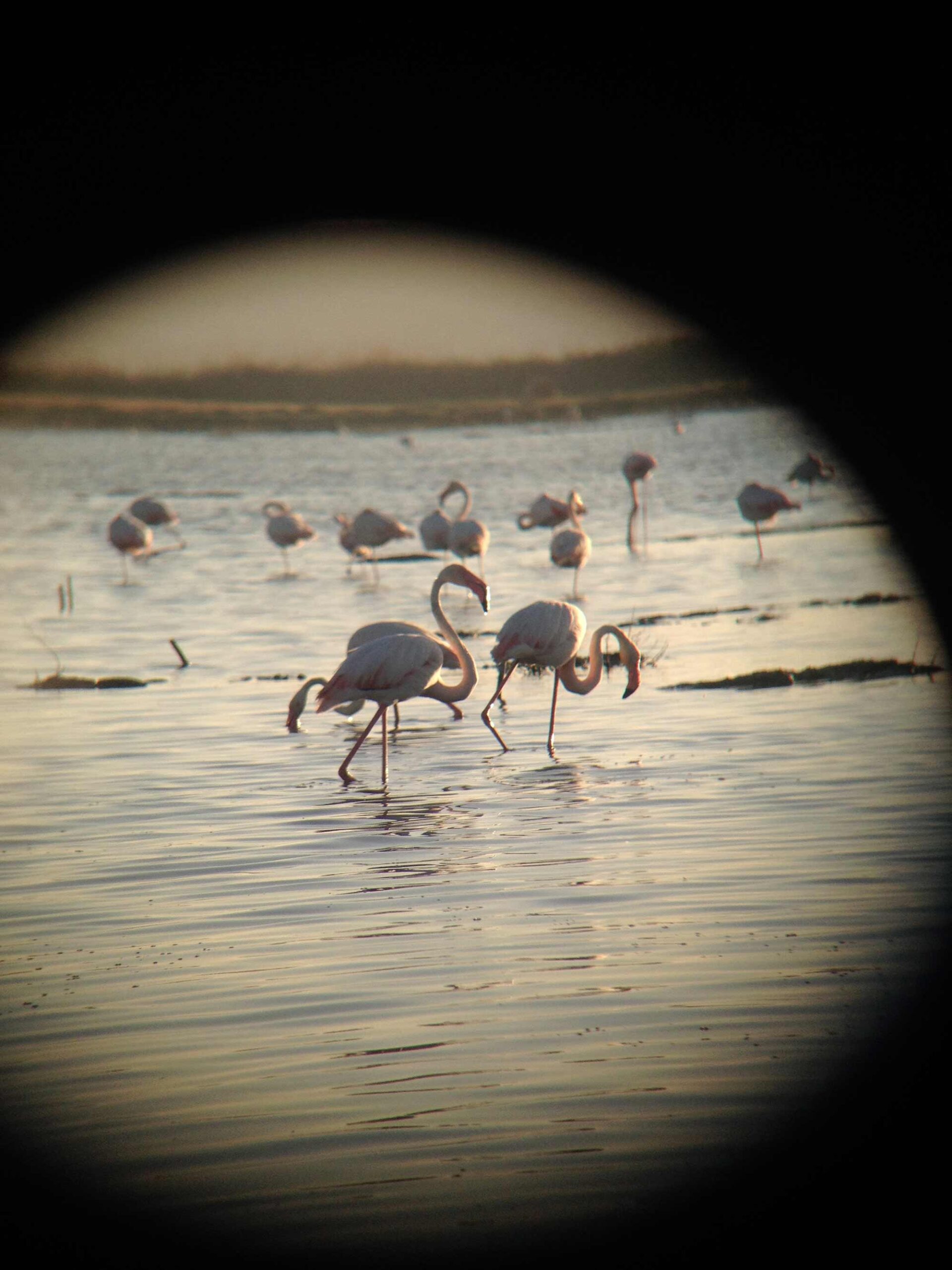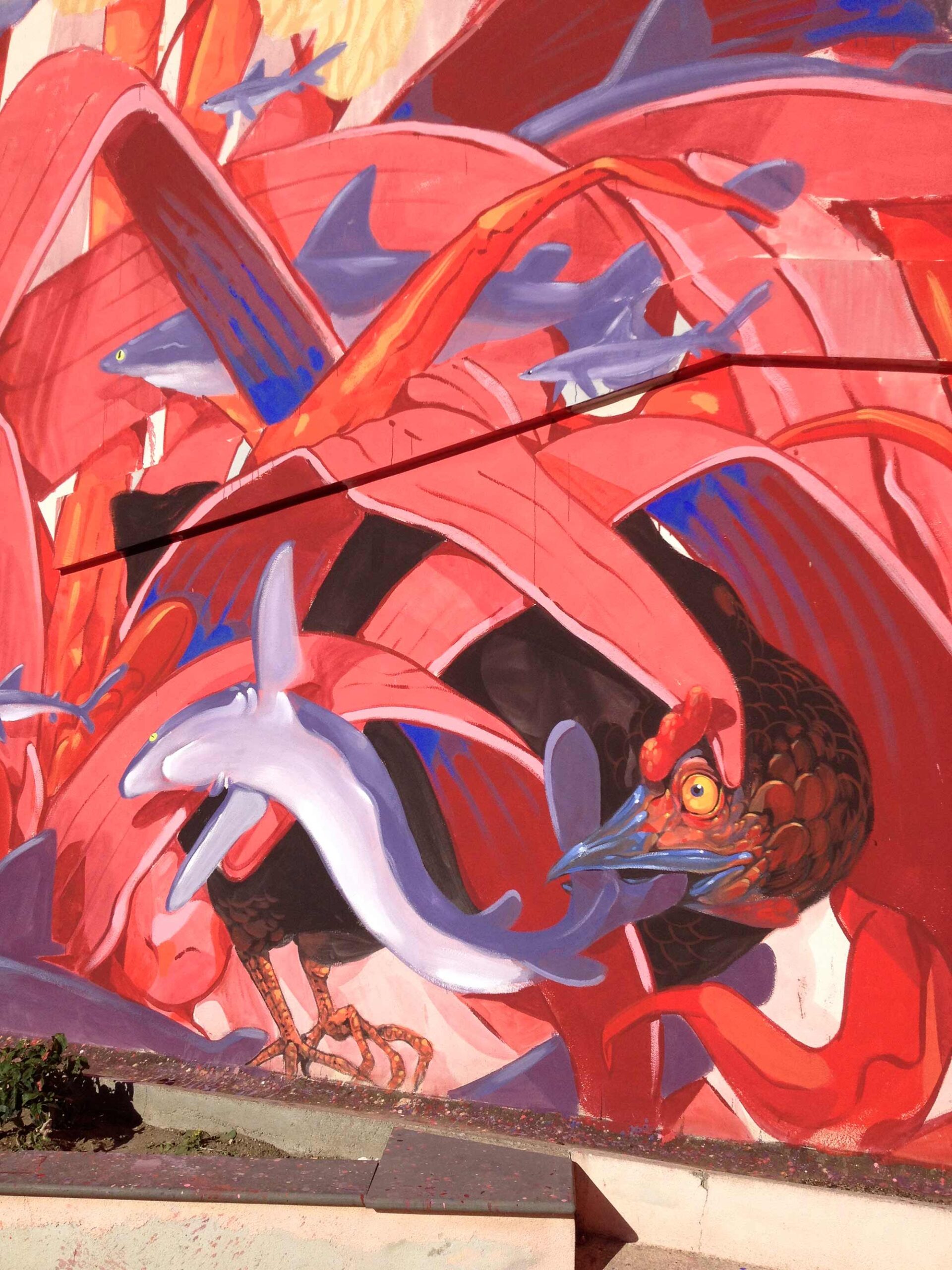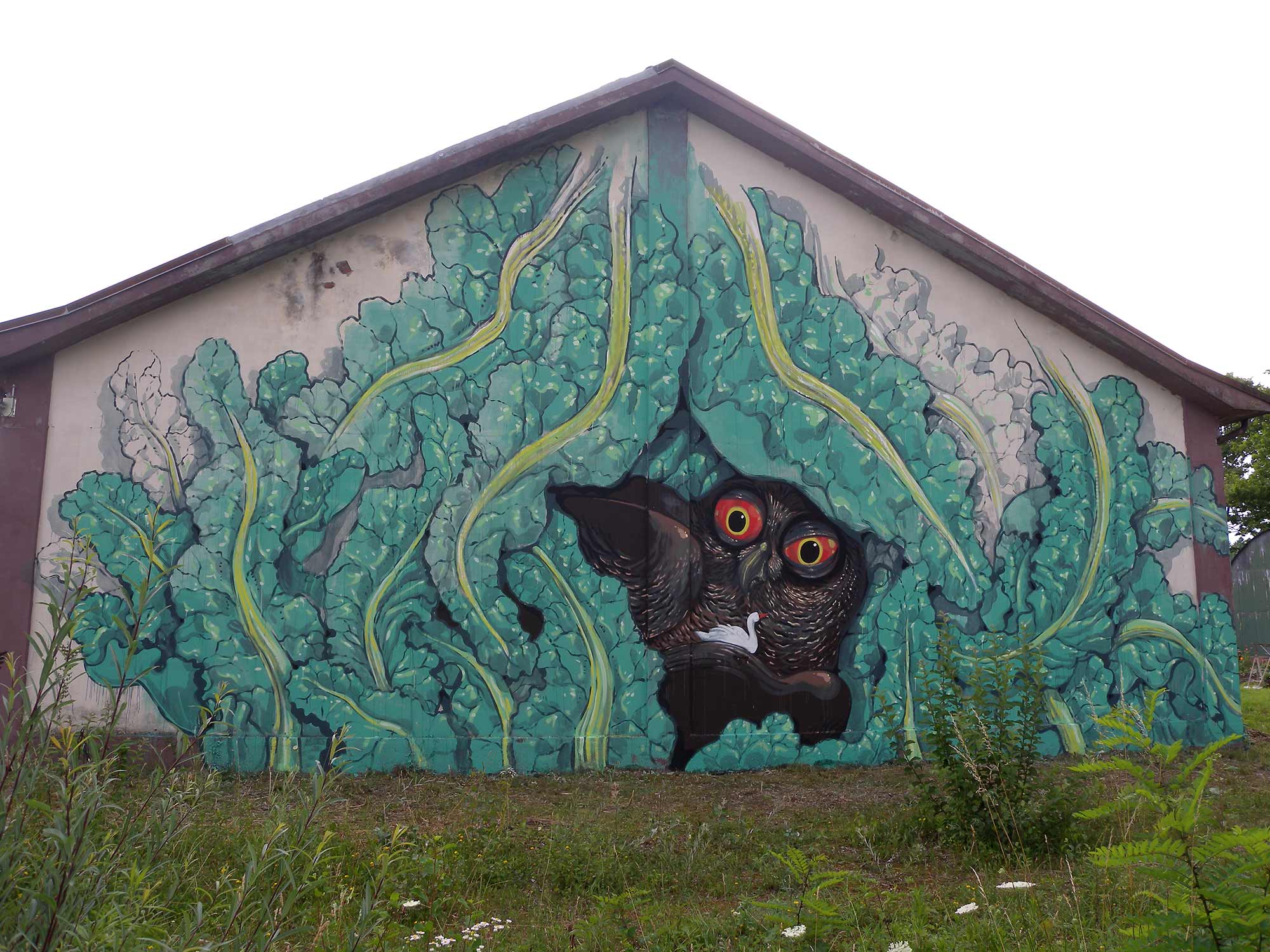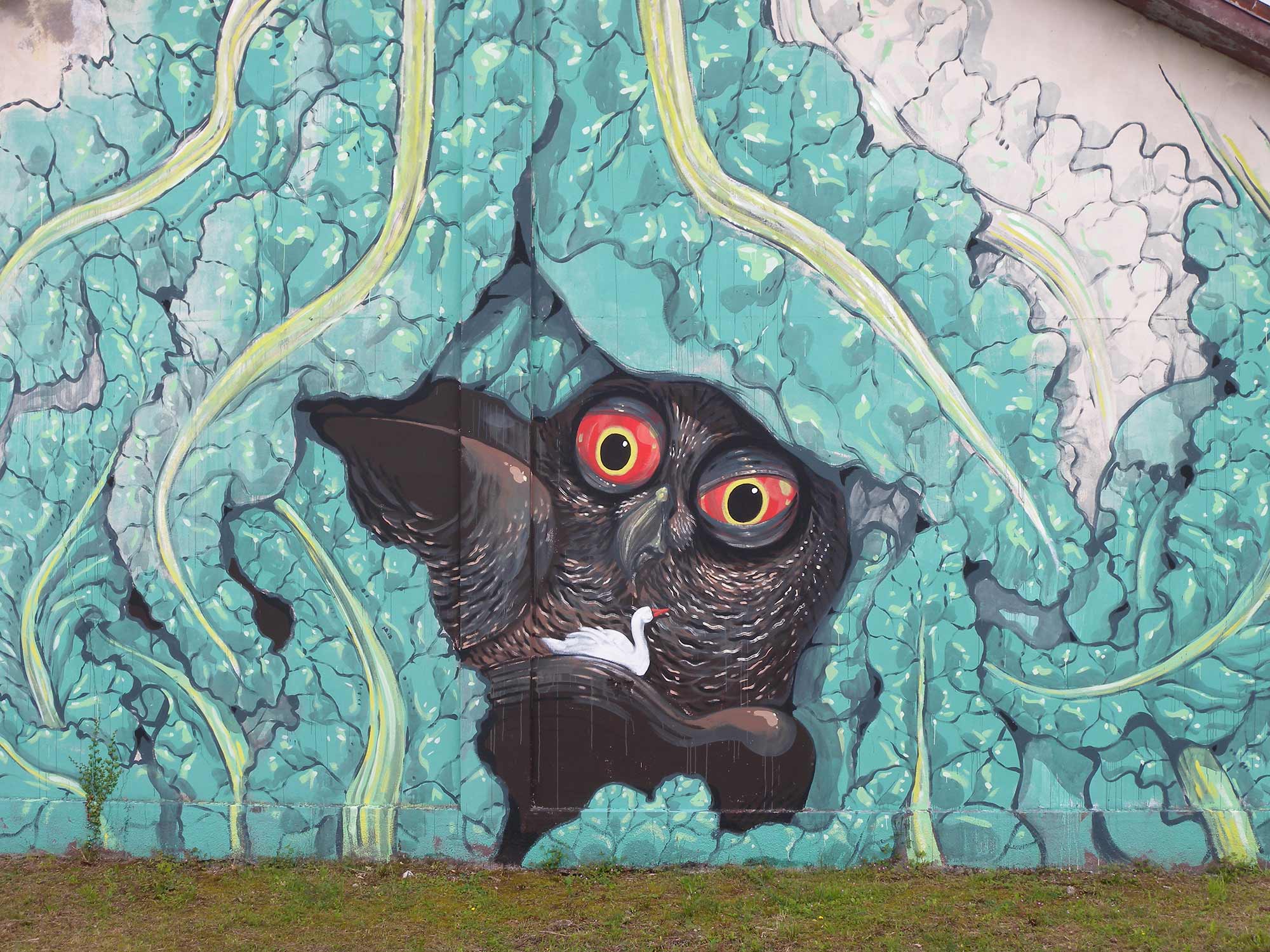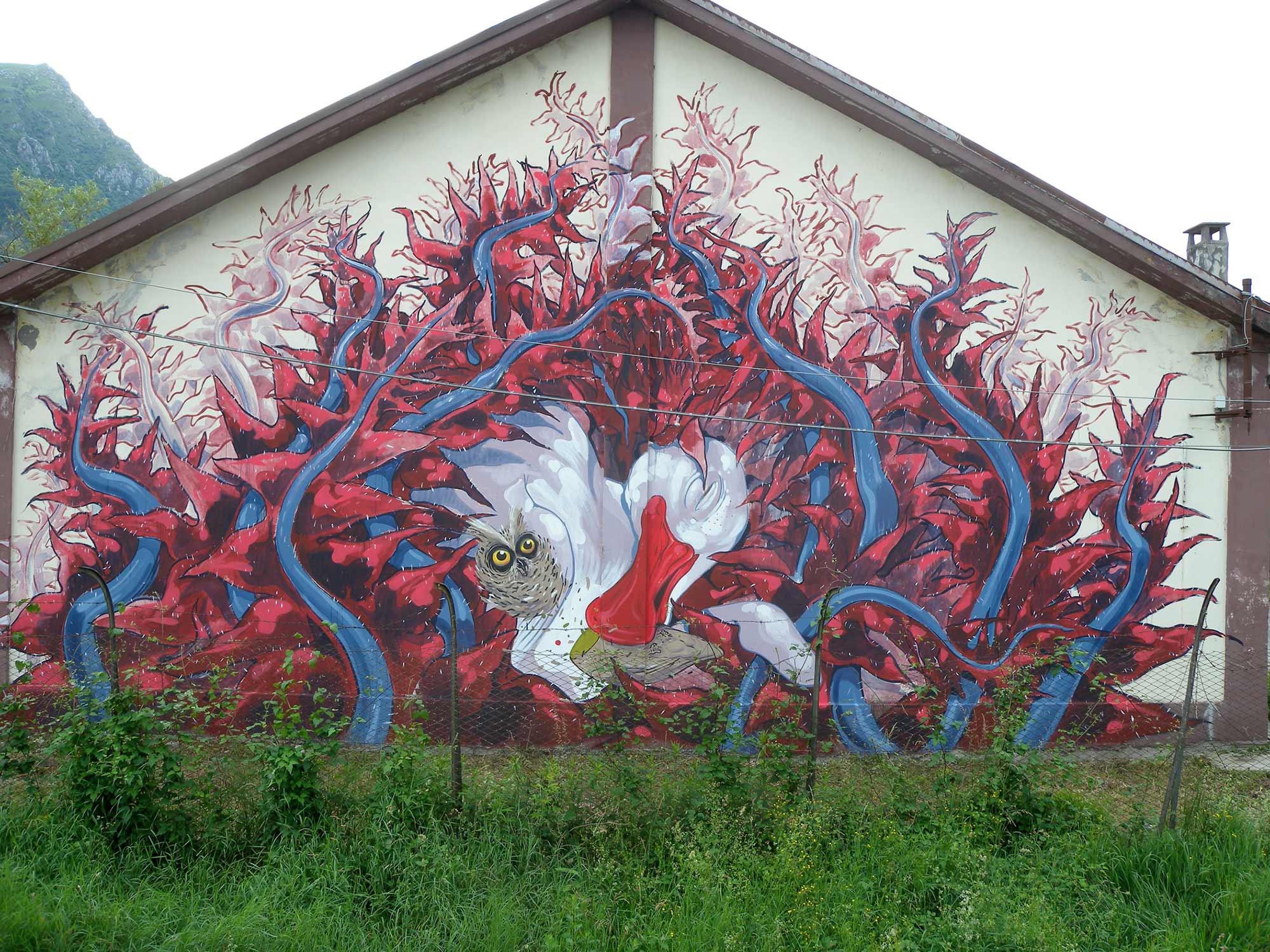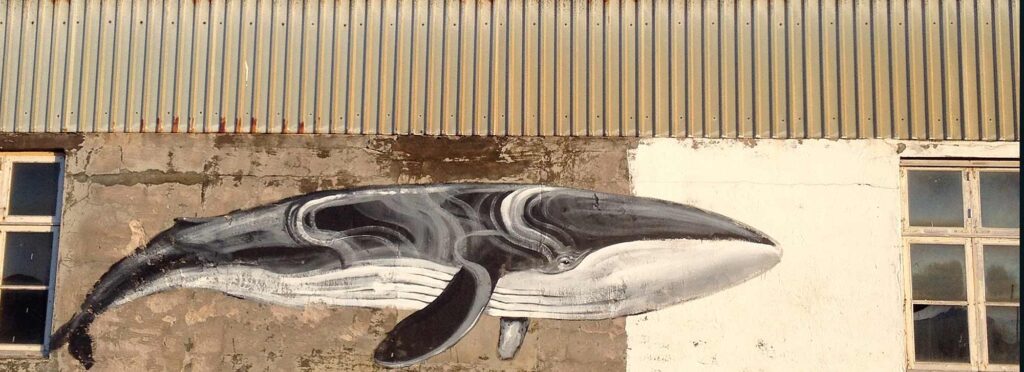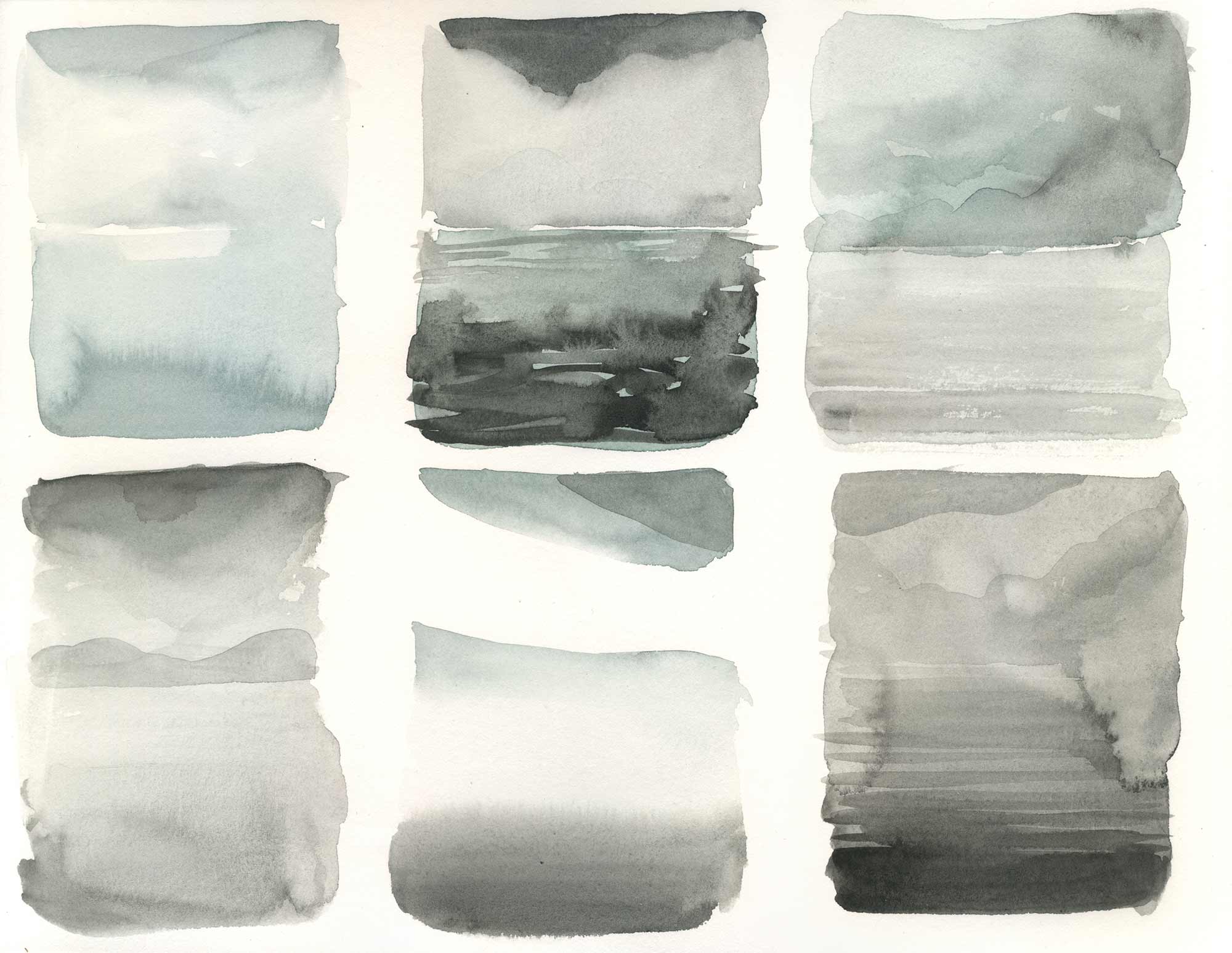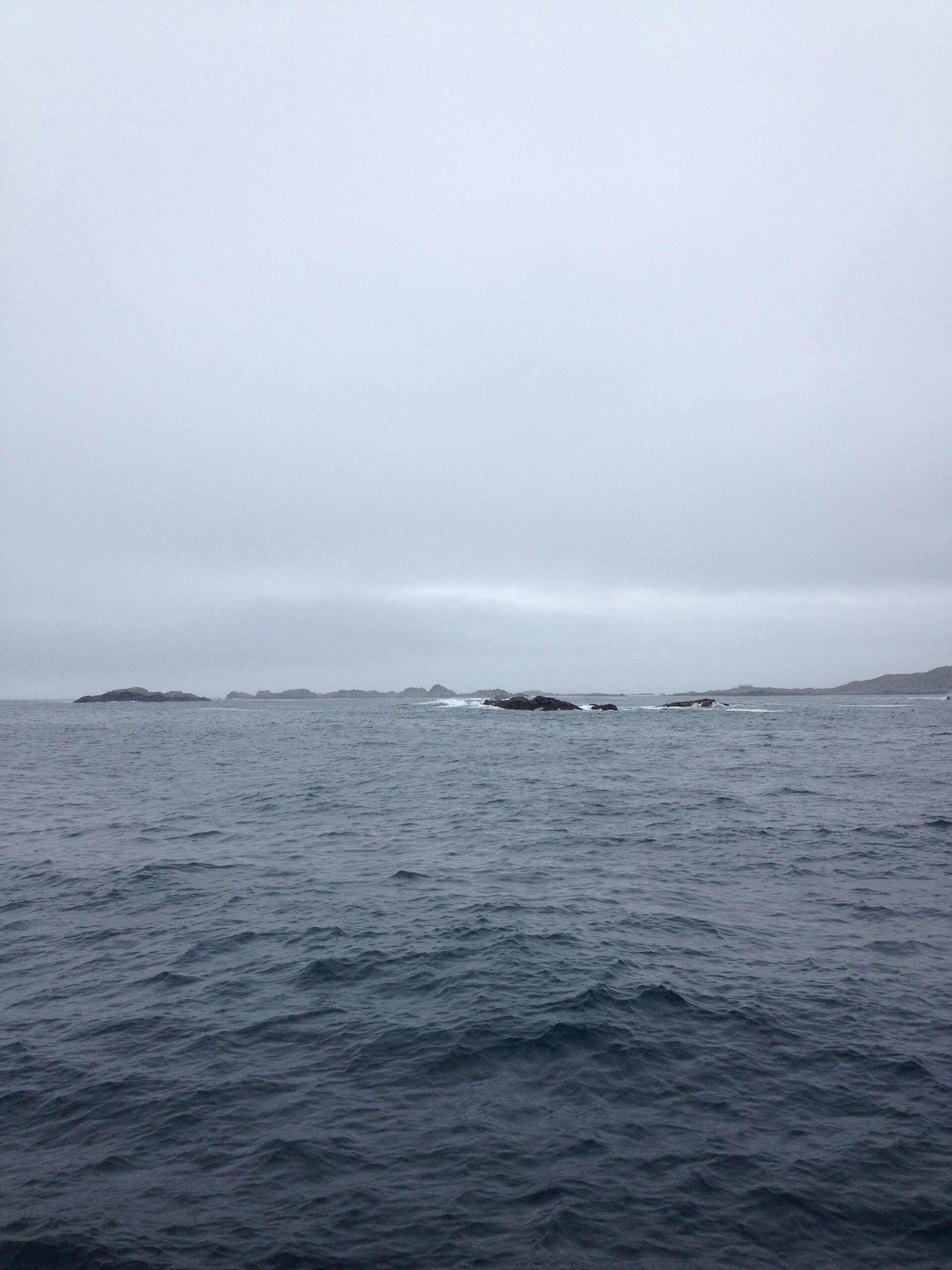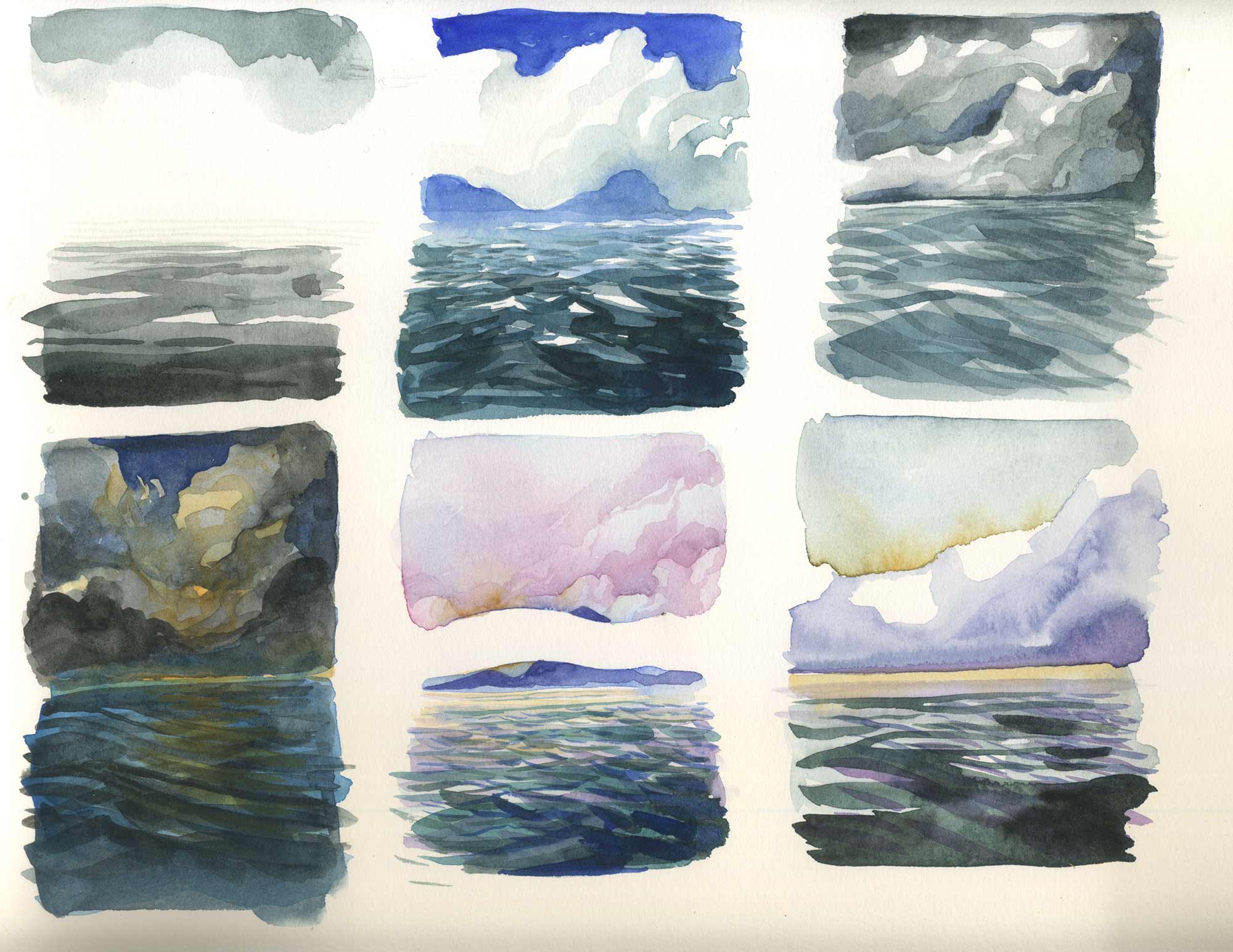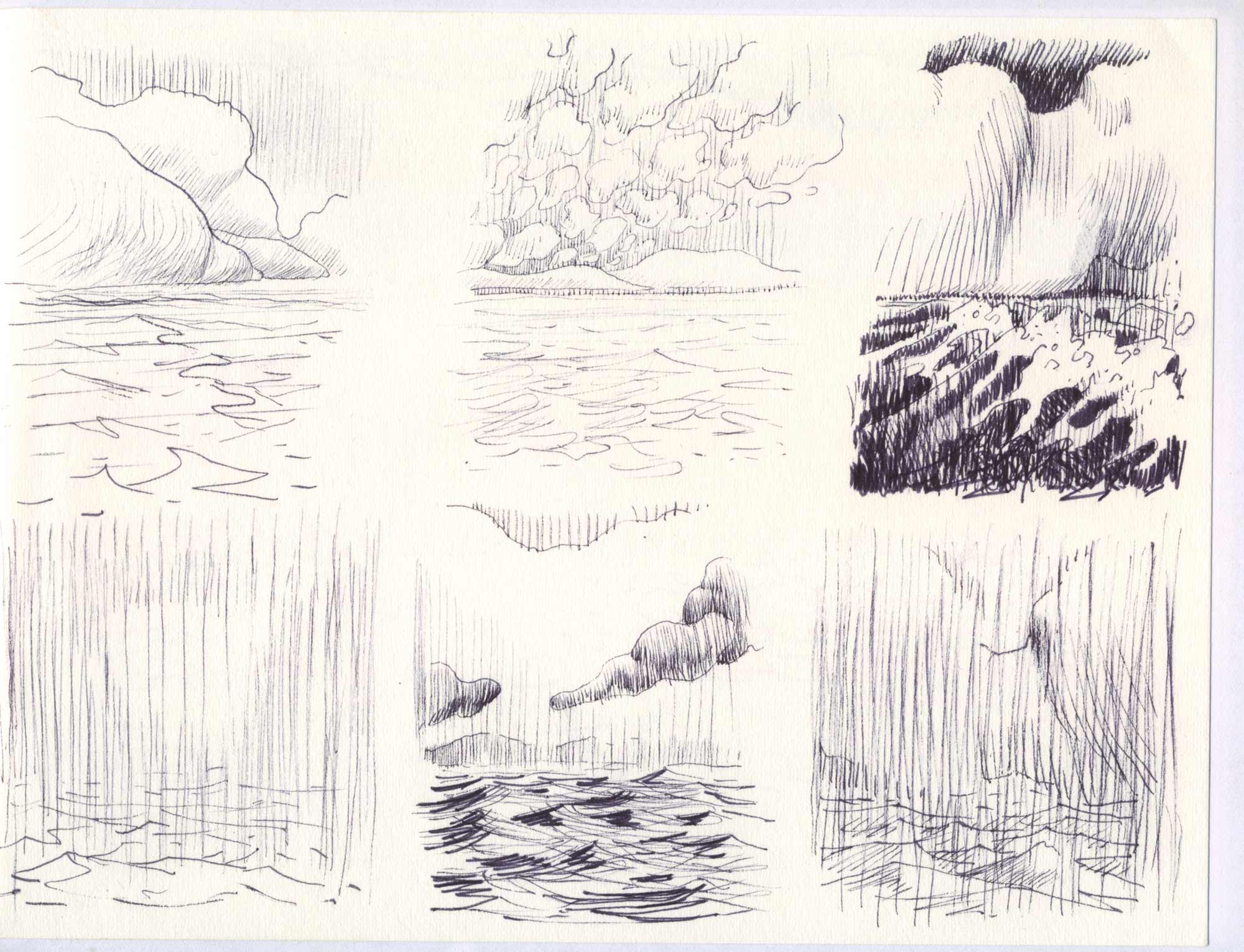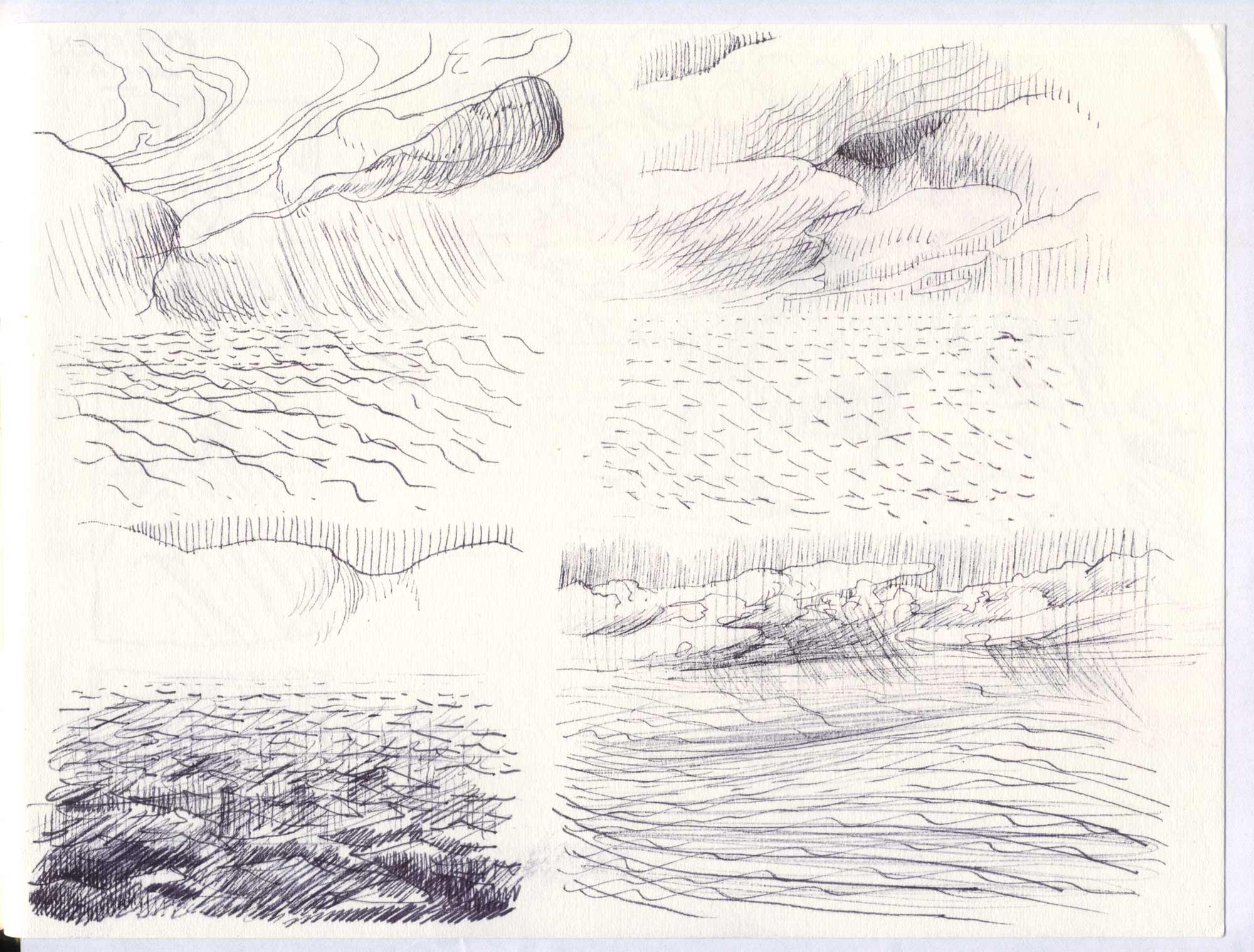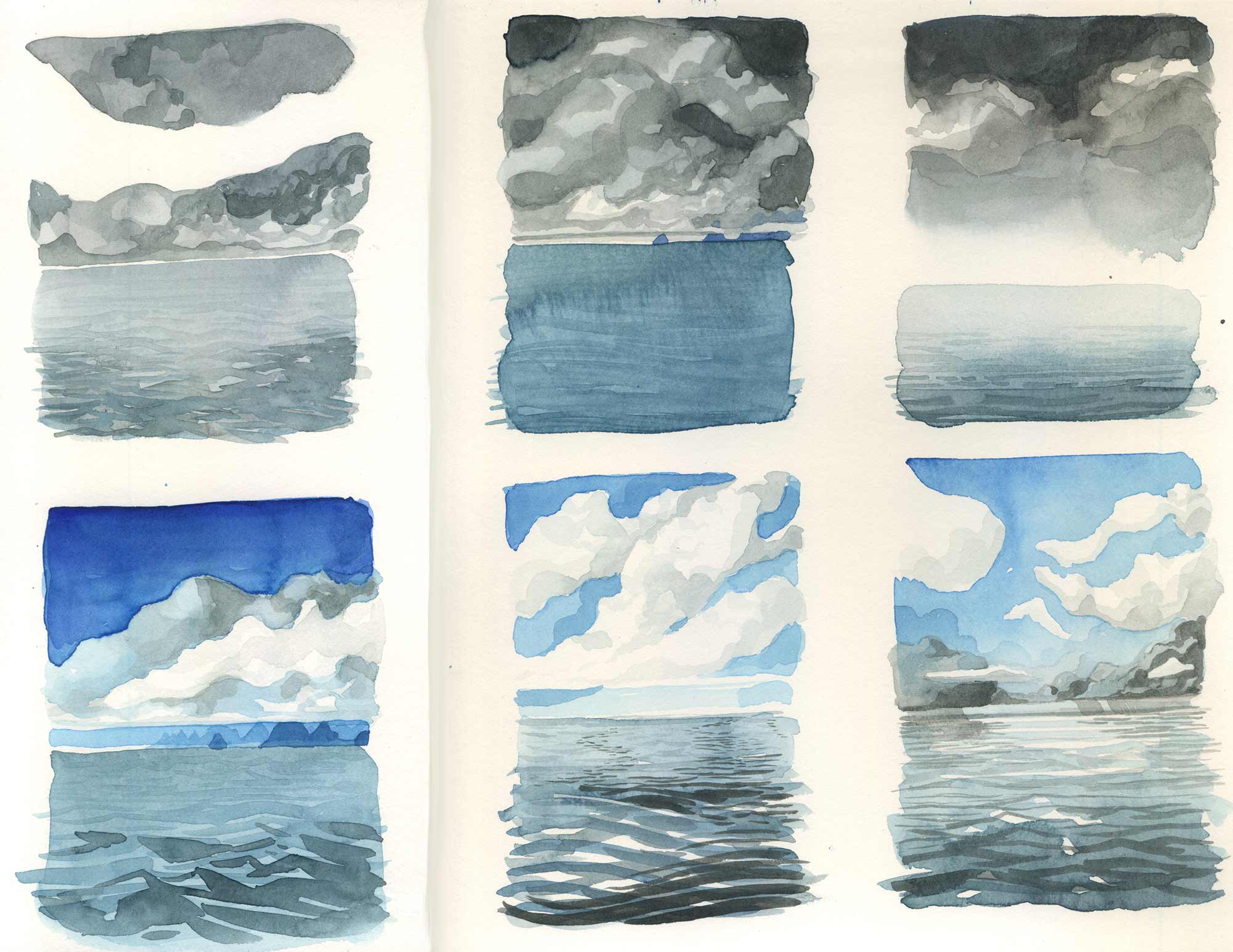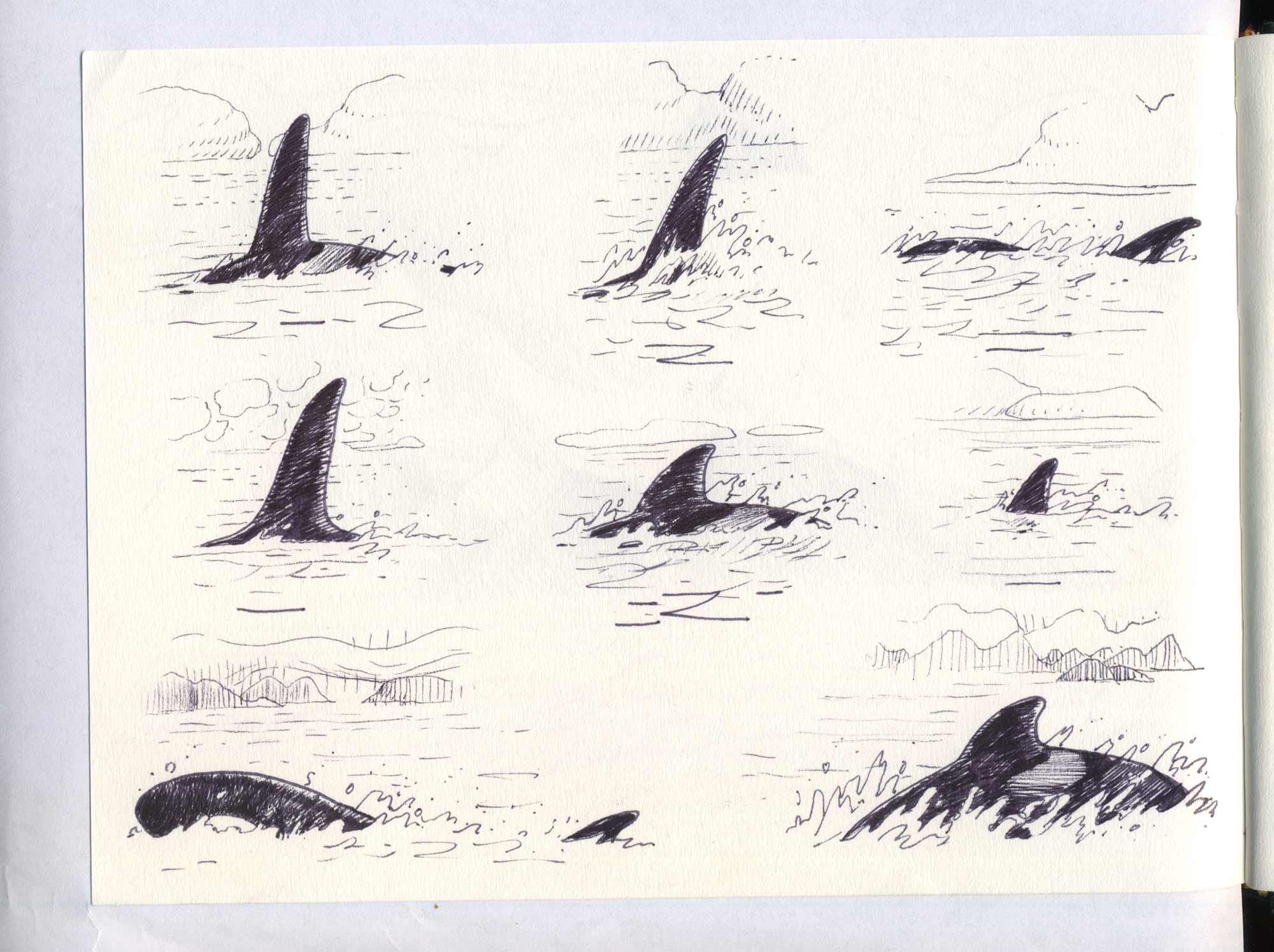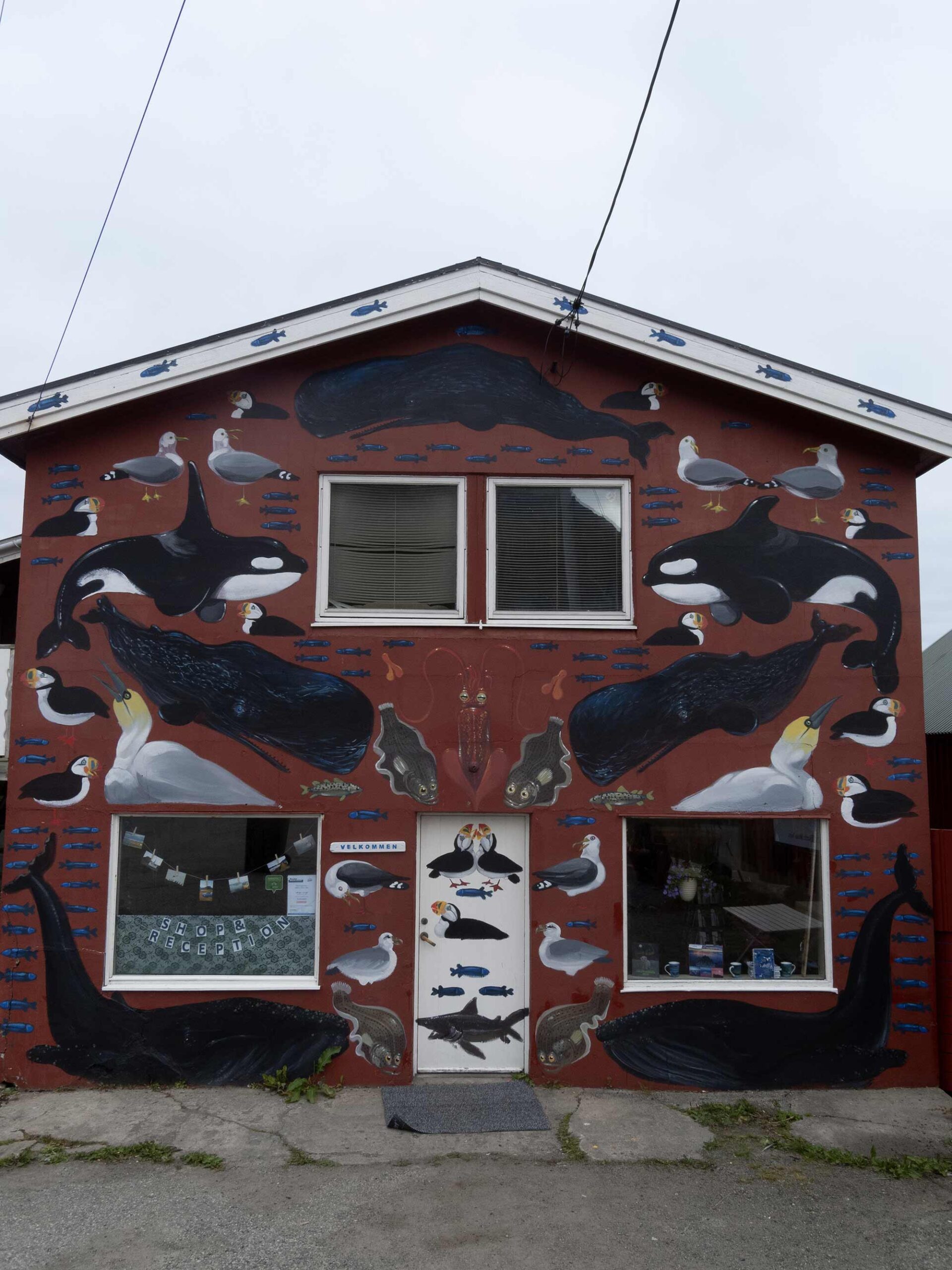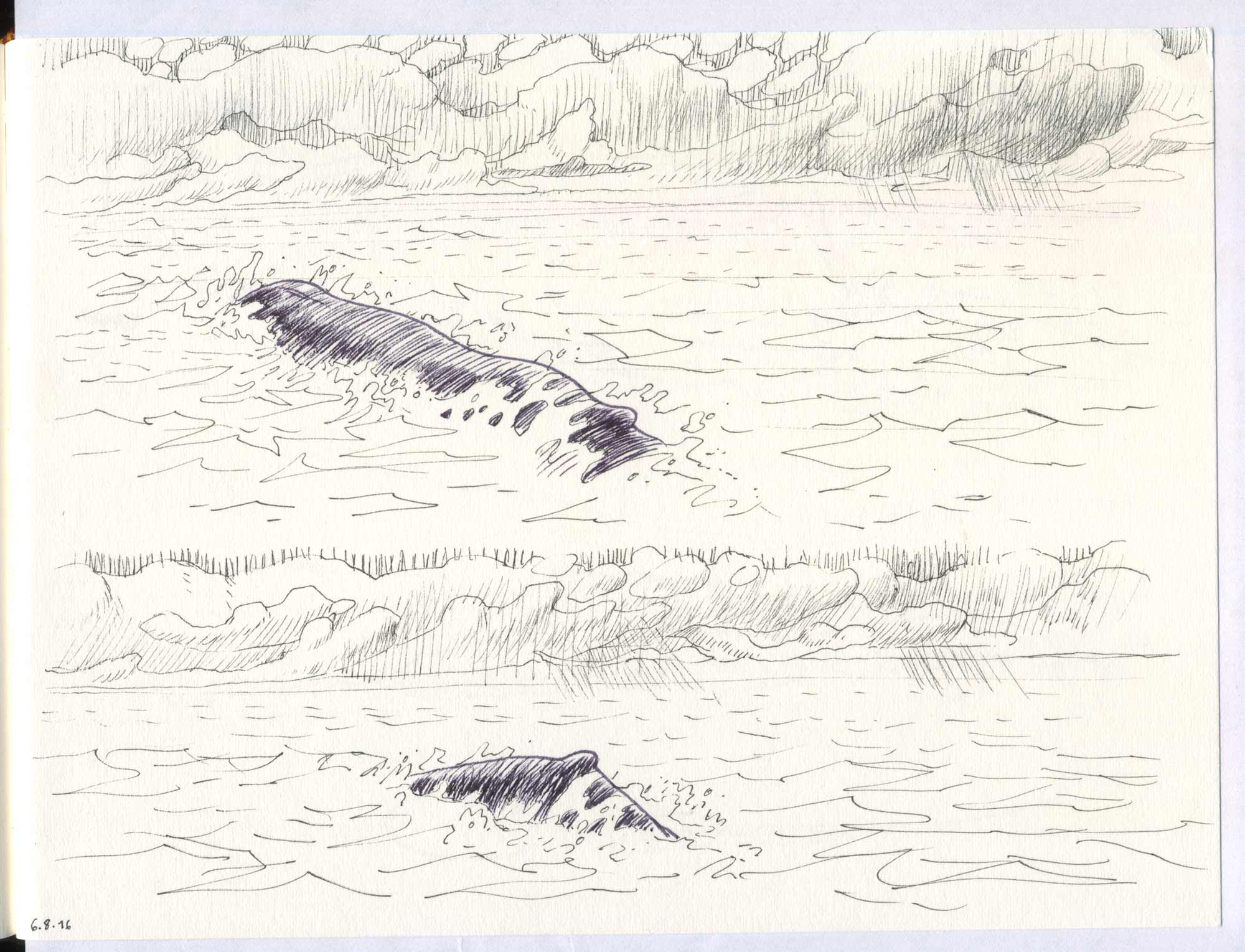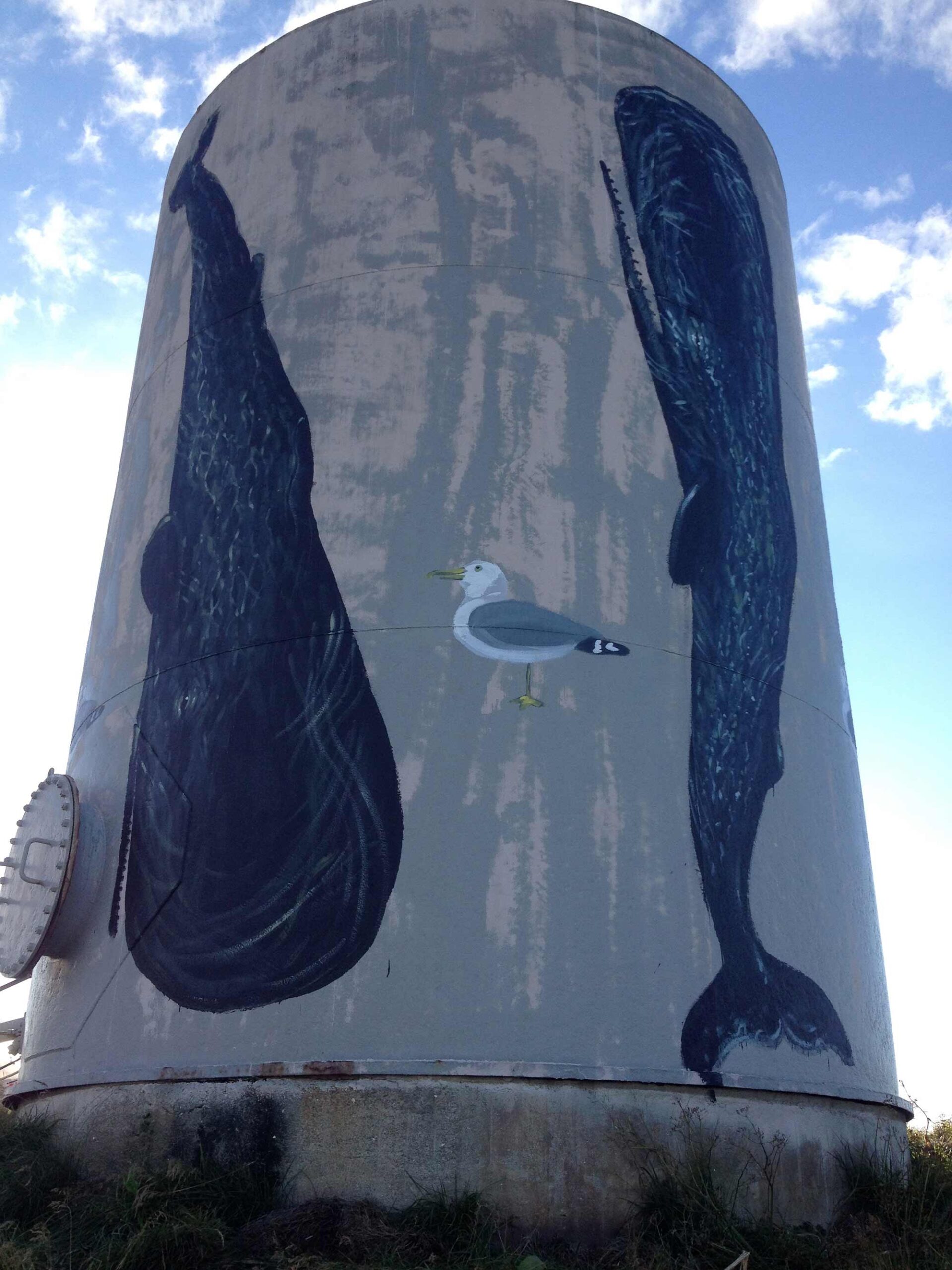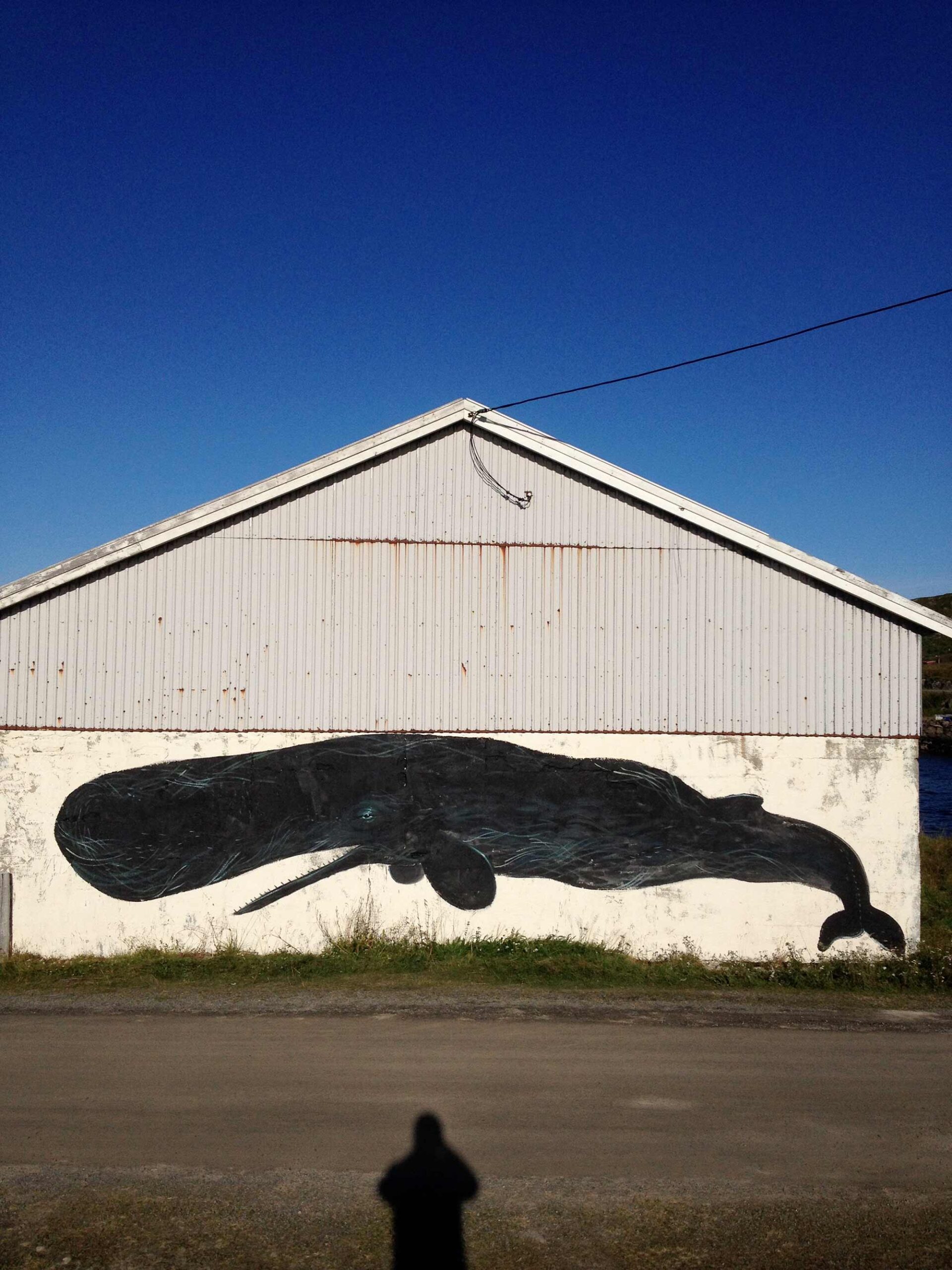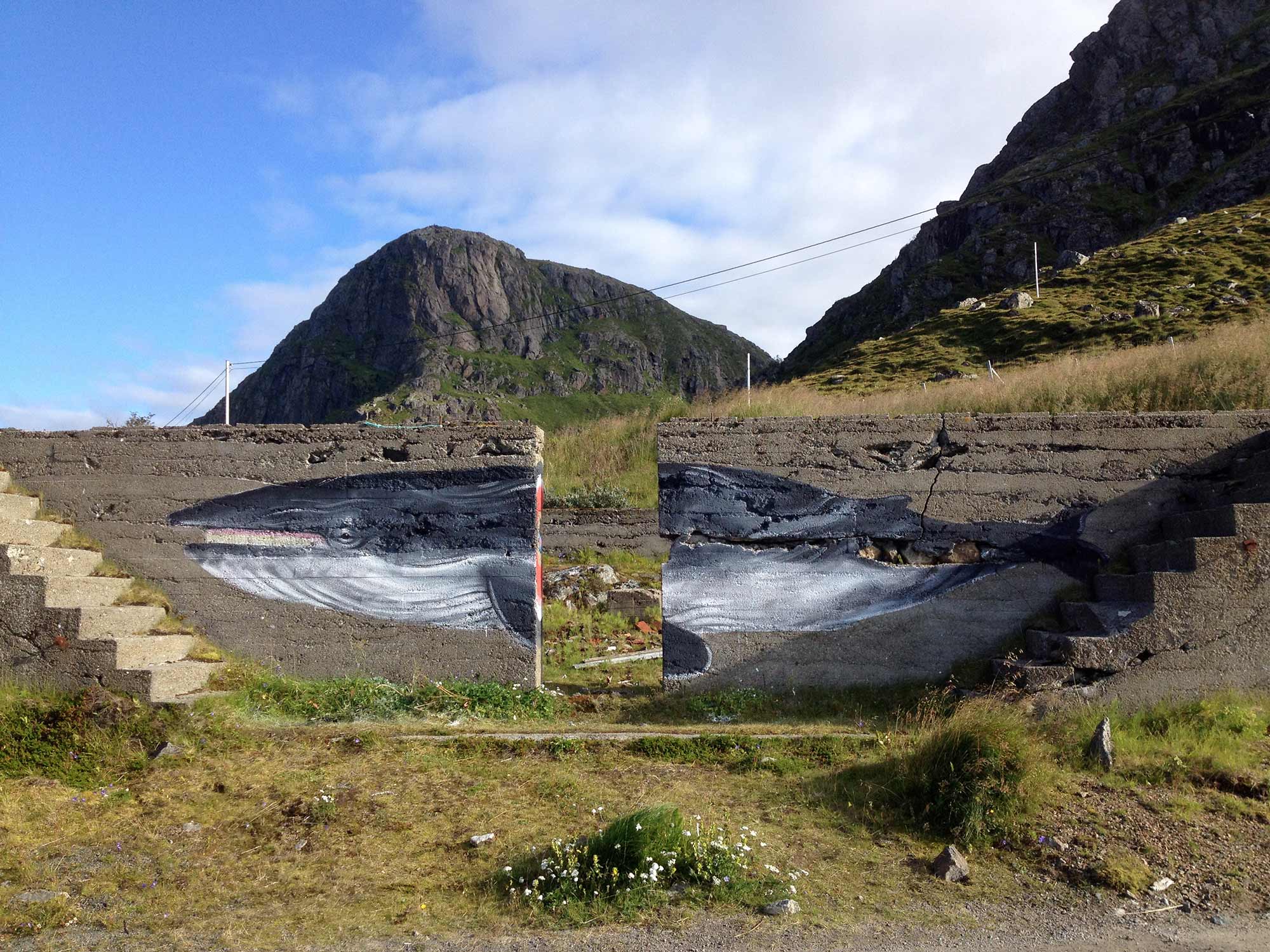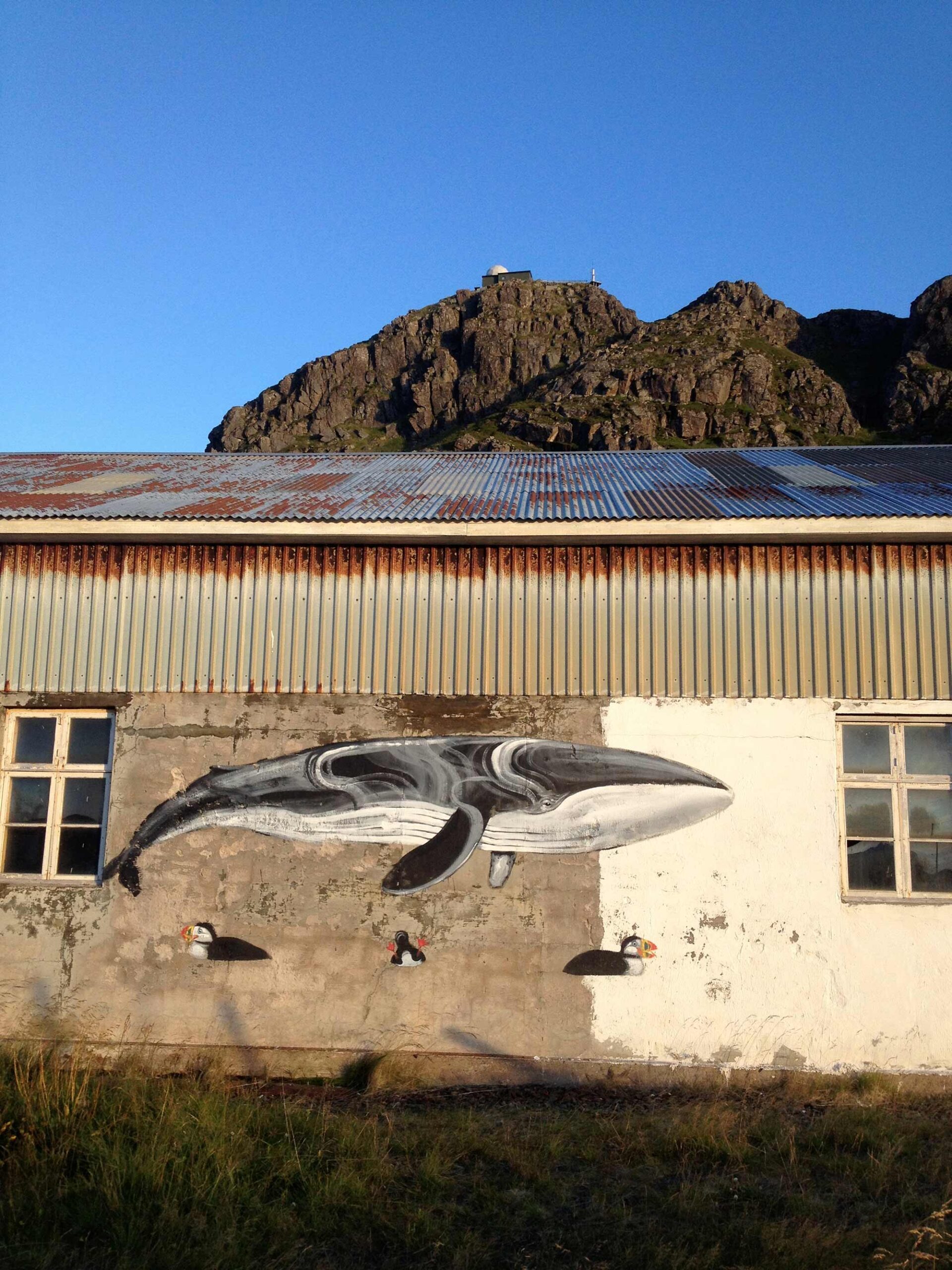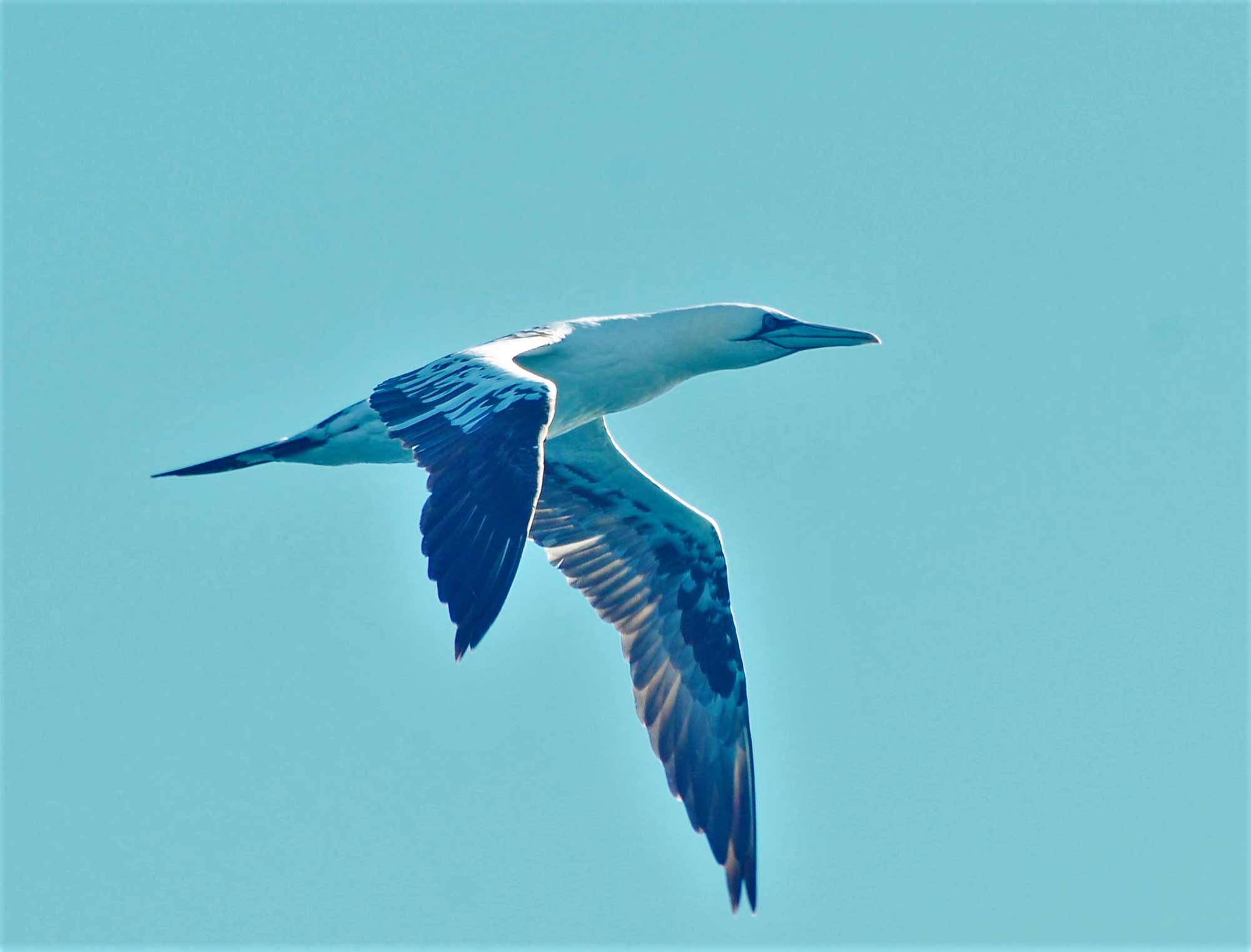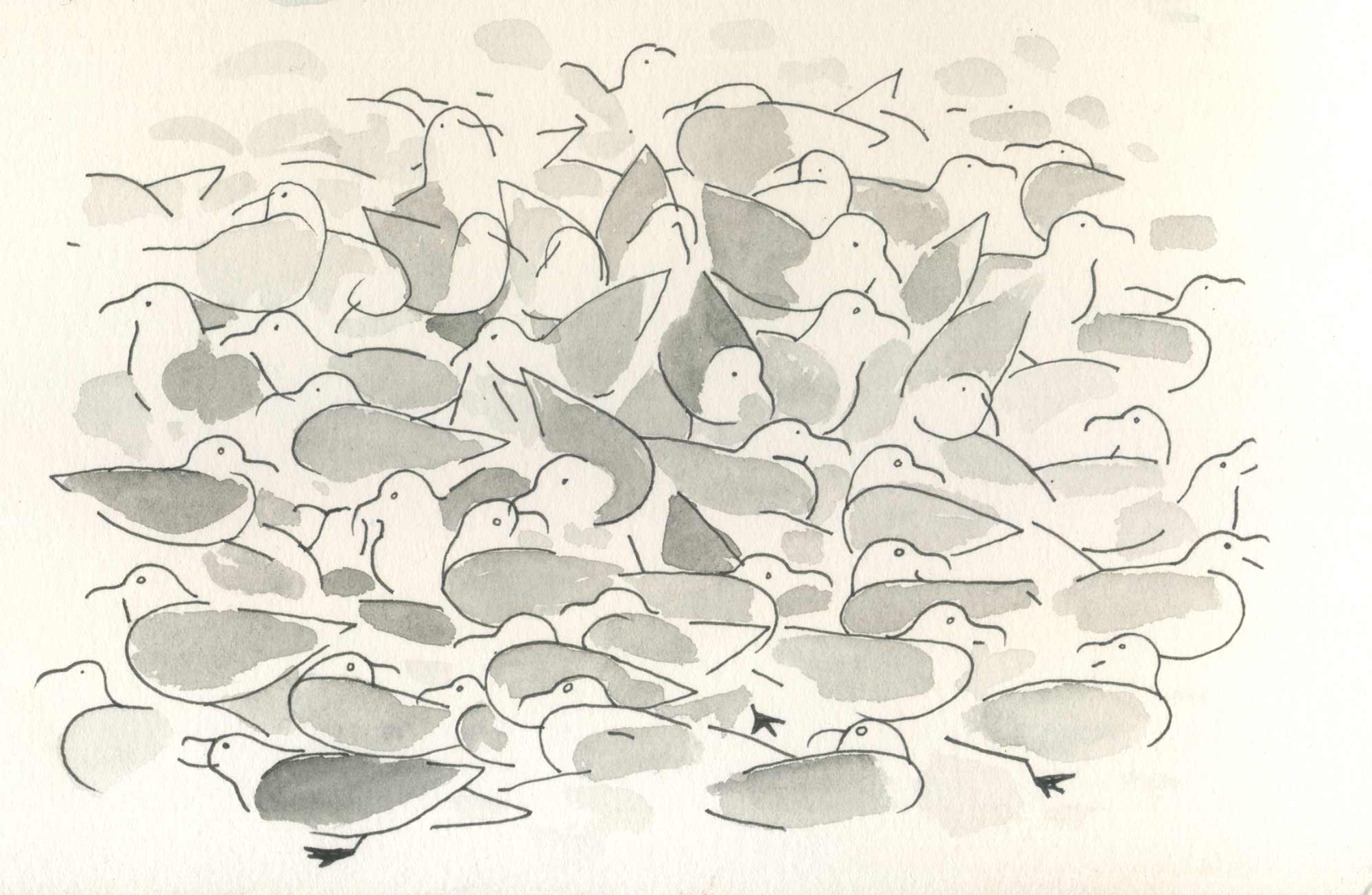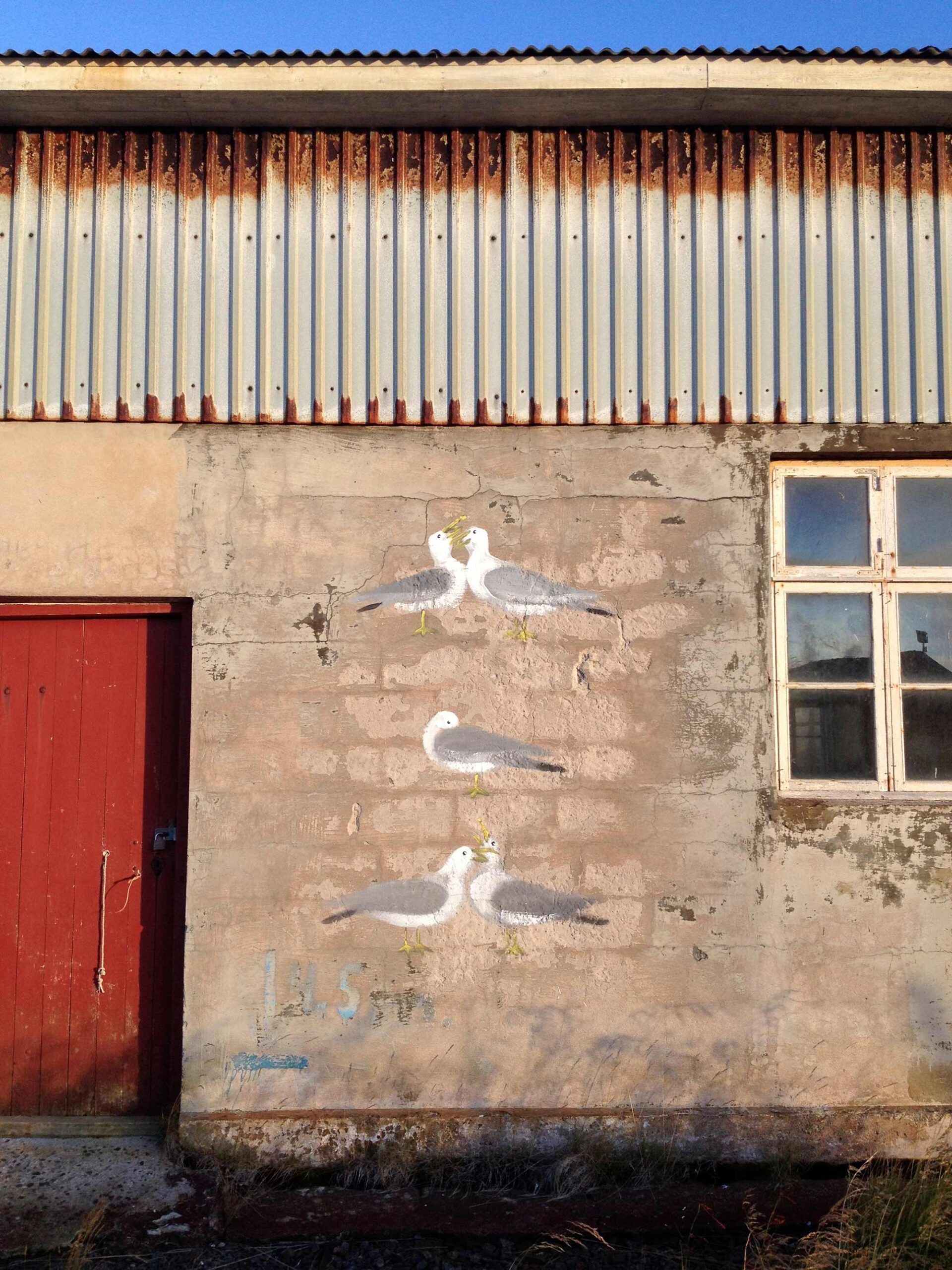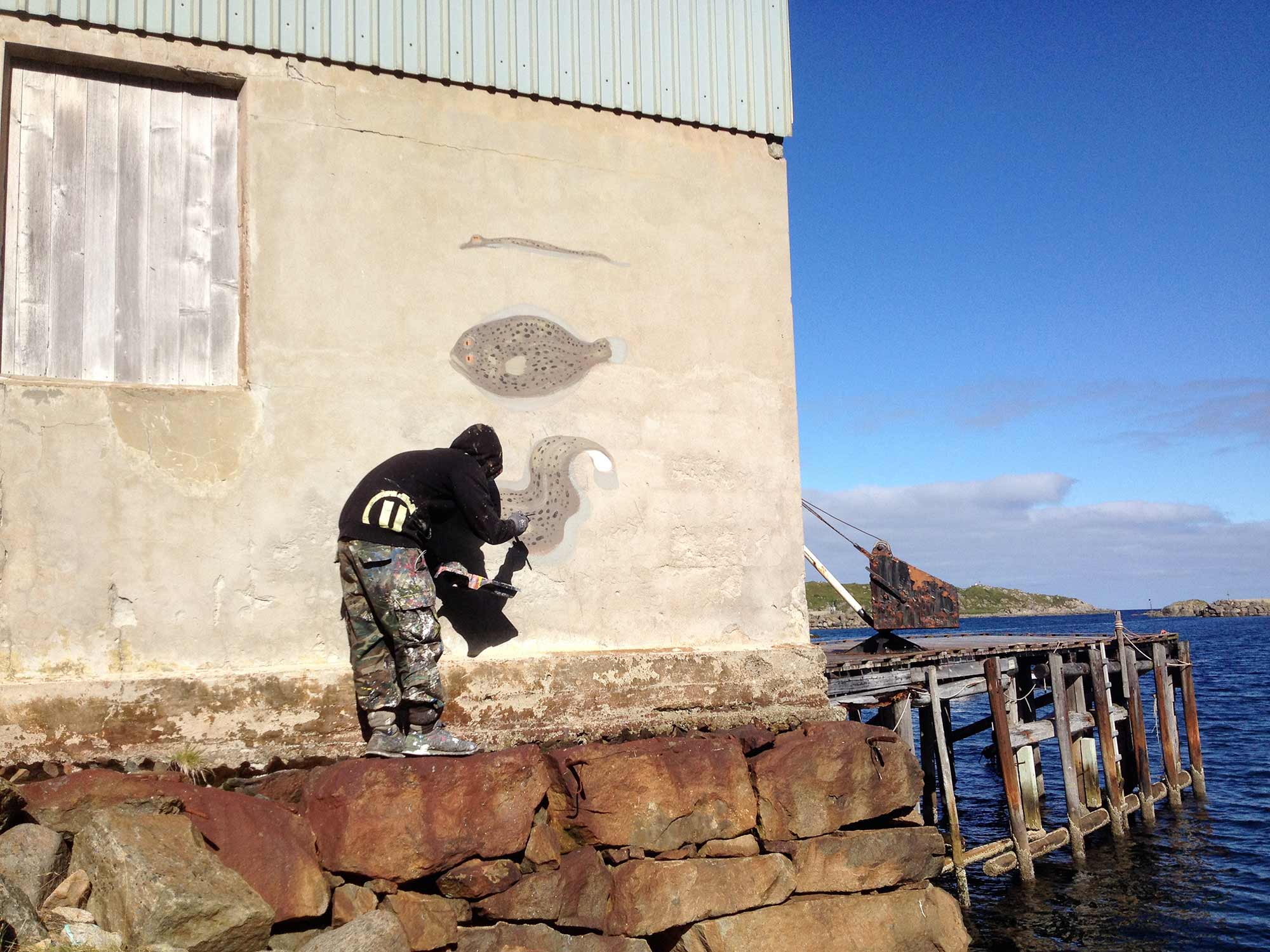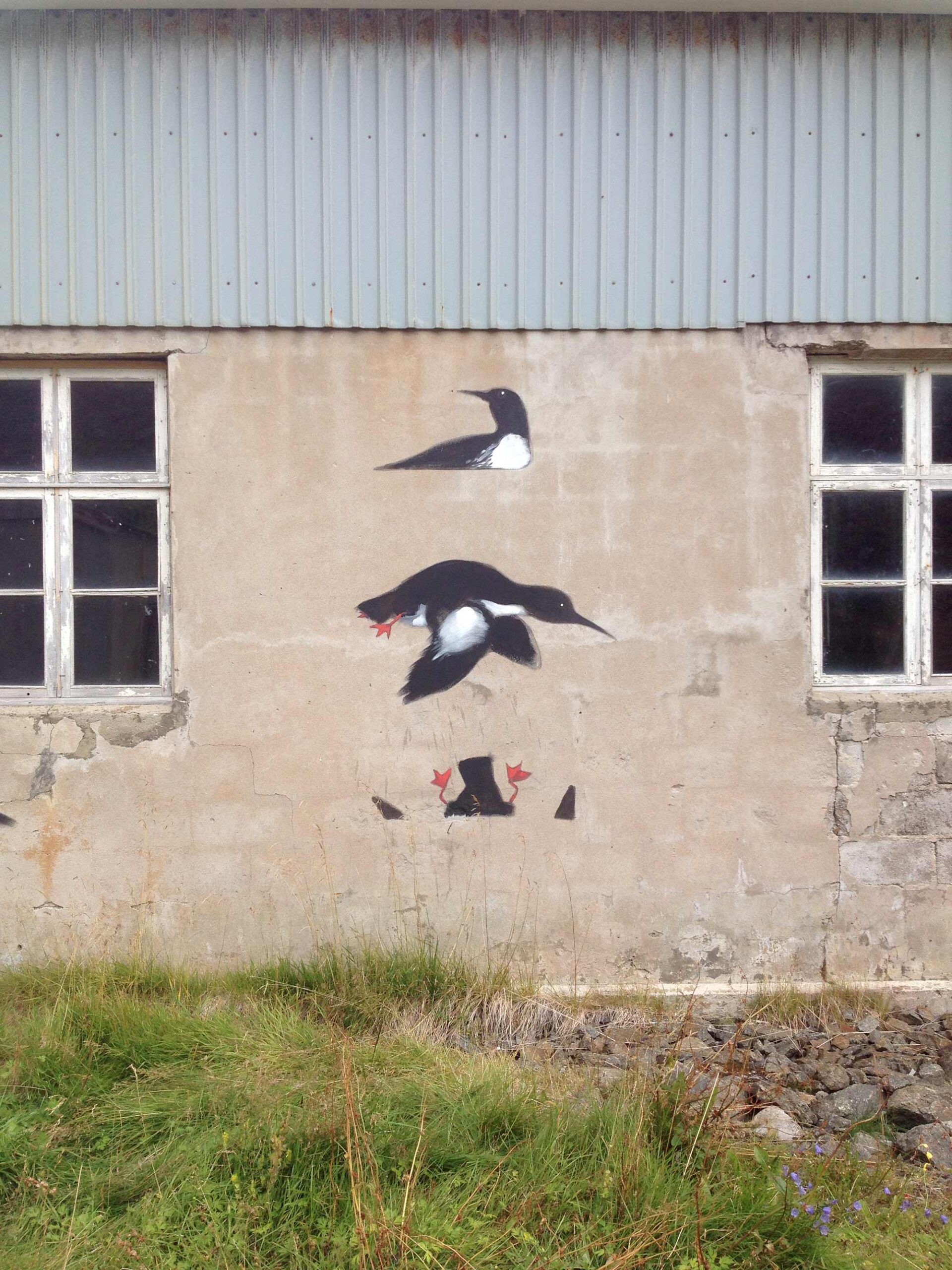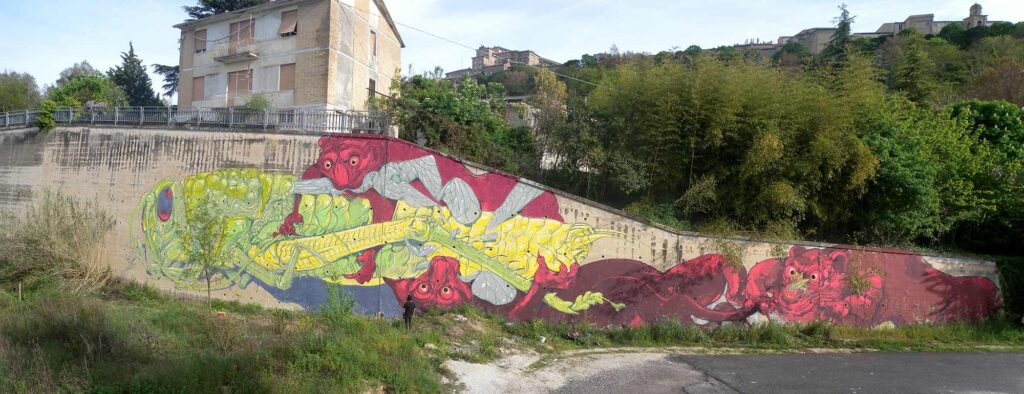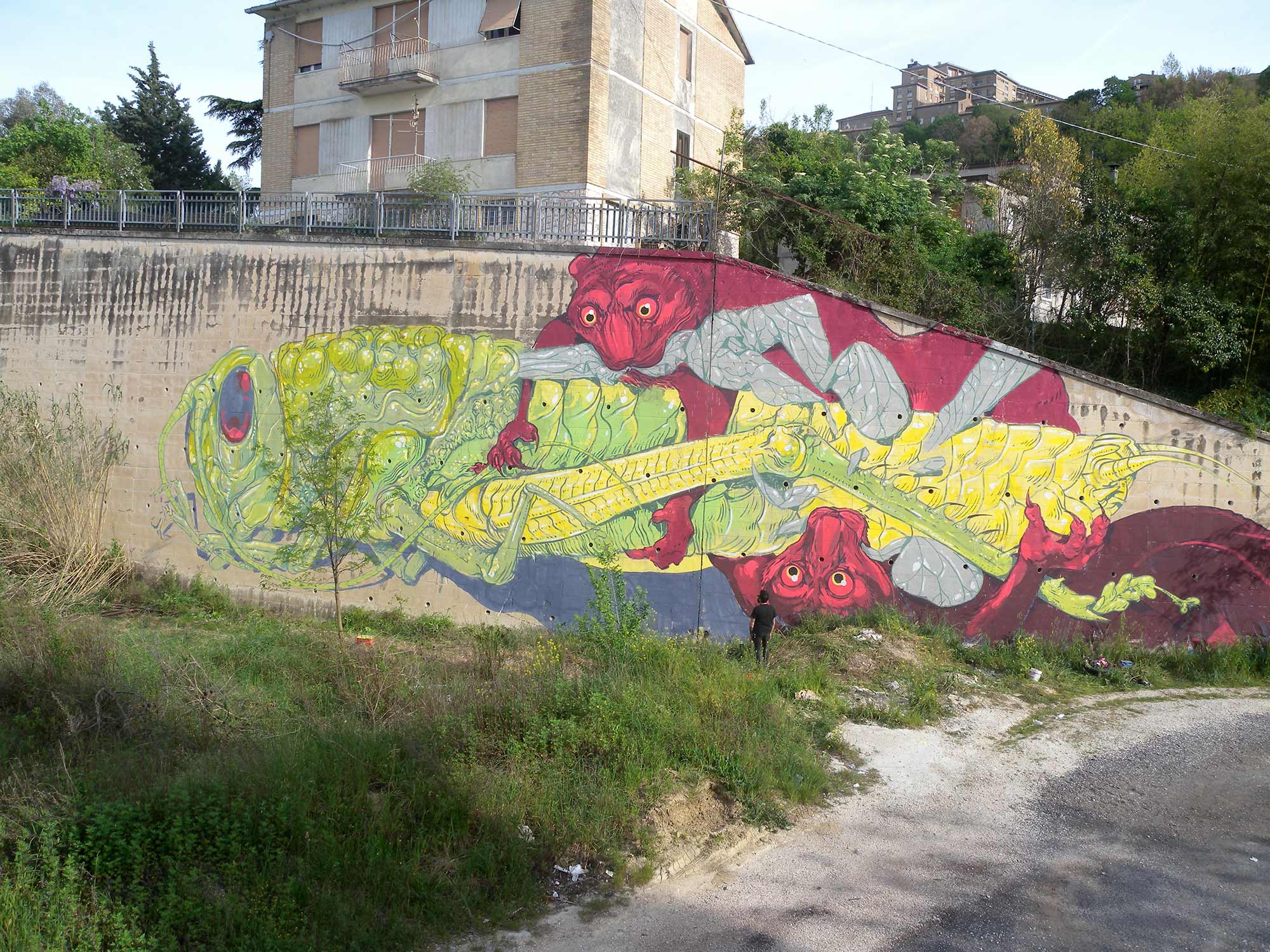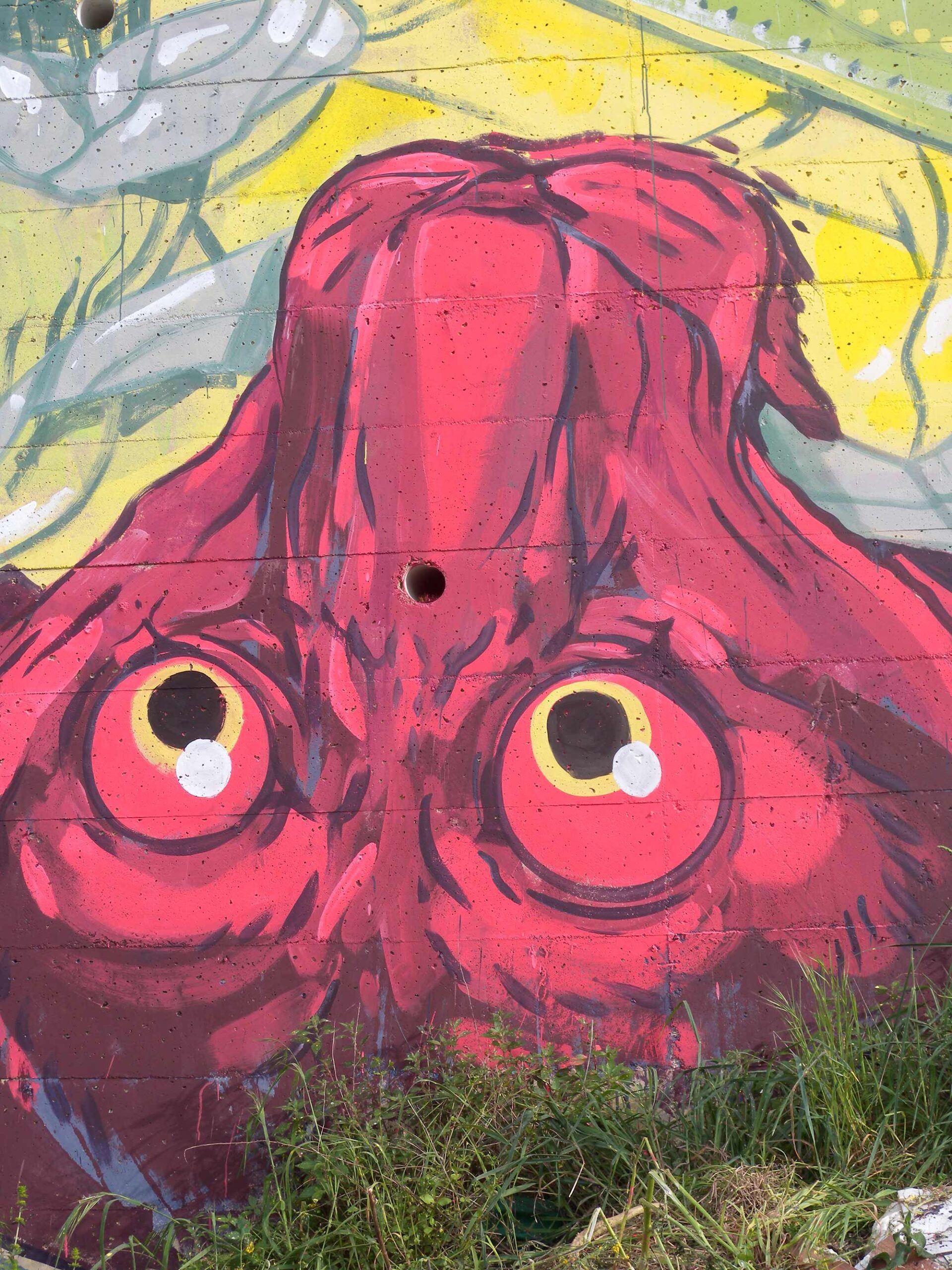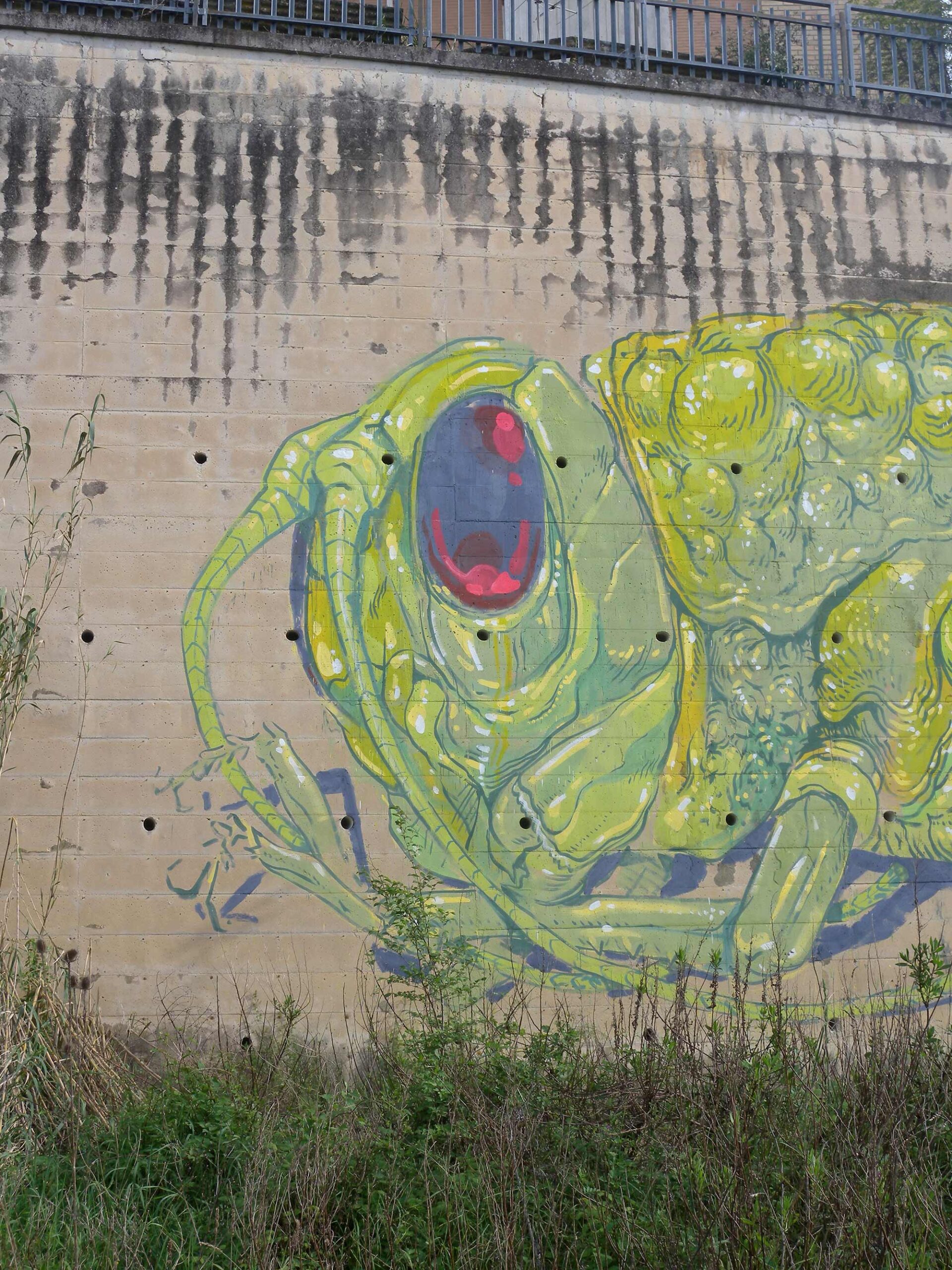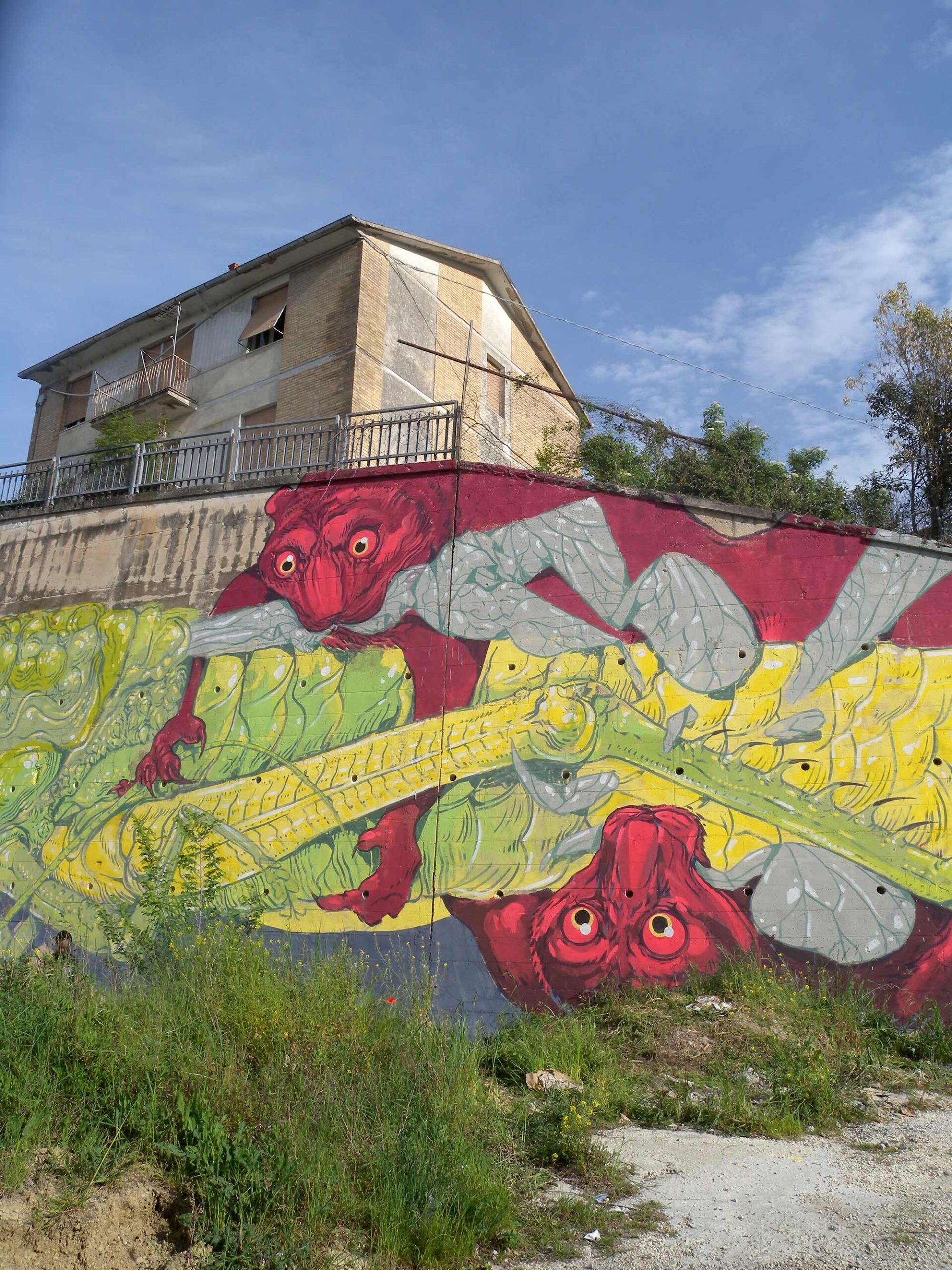
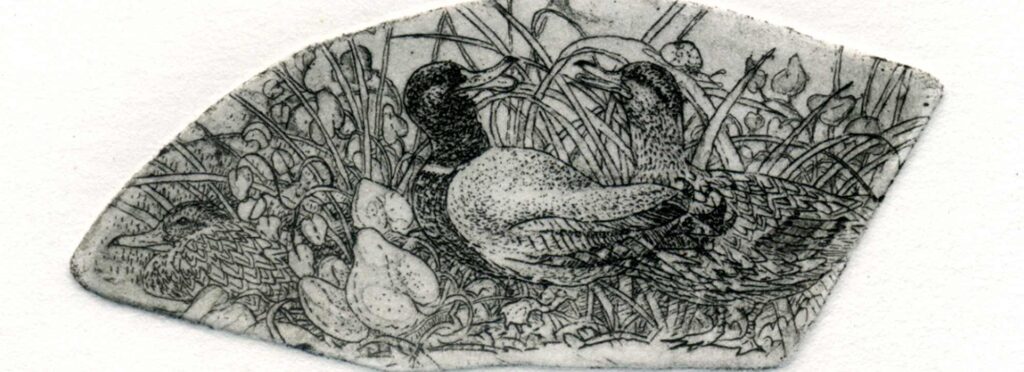
Civitacampomarano, the longest Italian city name. This little village in Molise is the stage for a festival called Cvtà, organized by Jessica Stuart and Alice Pasquini. I got invited at the 2016 edition.
La Collezione Sommersa (2016)
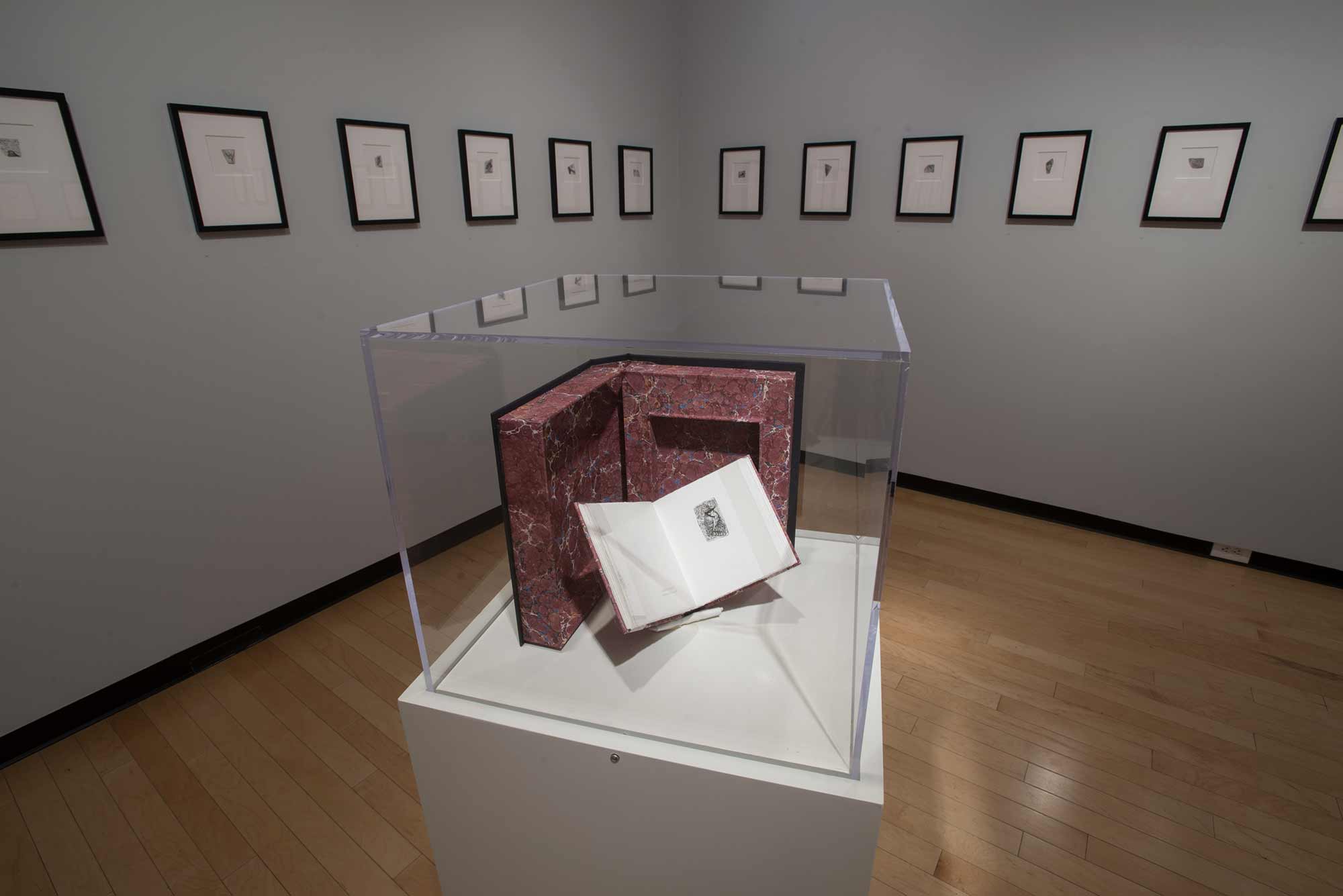
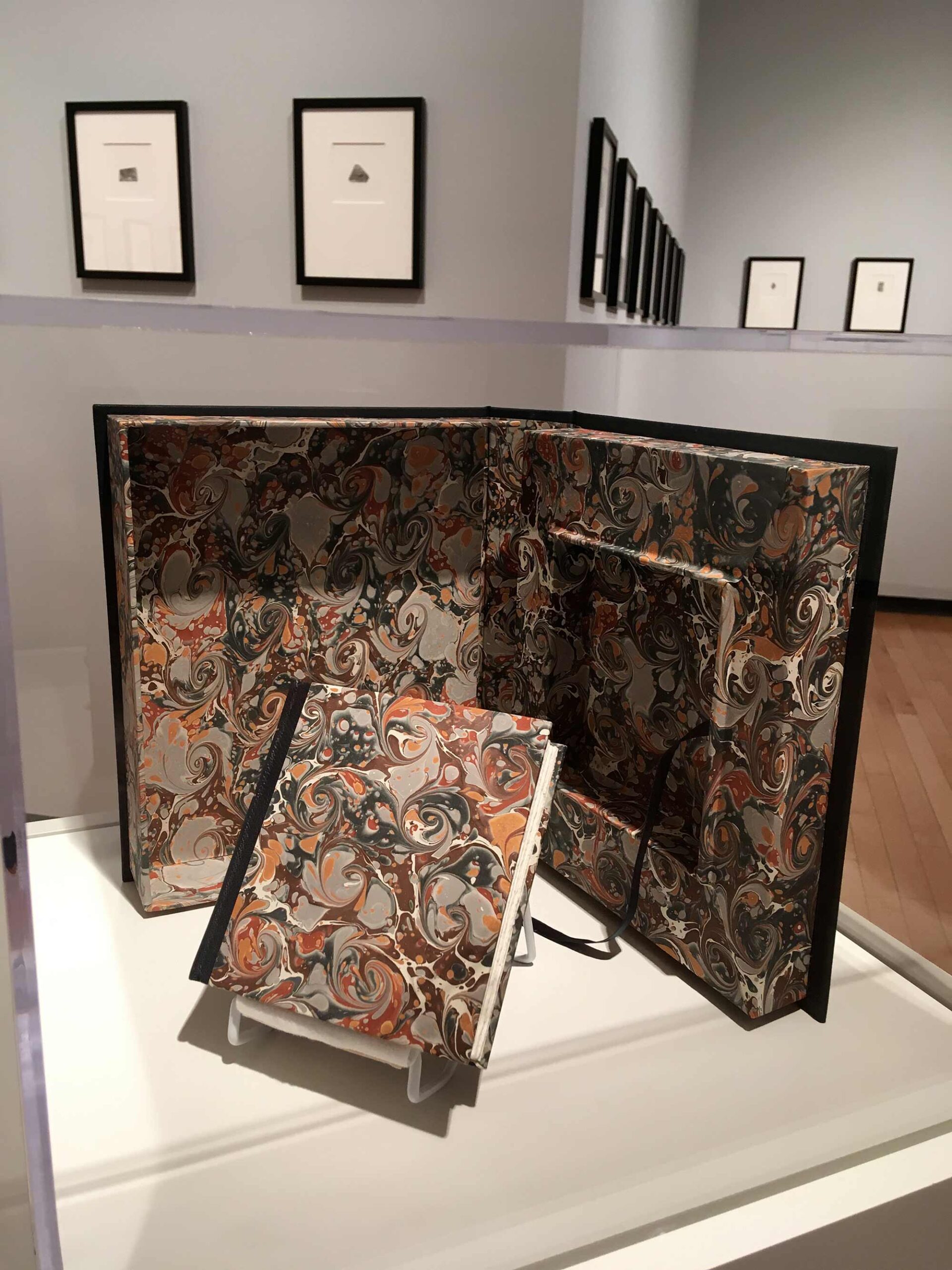
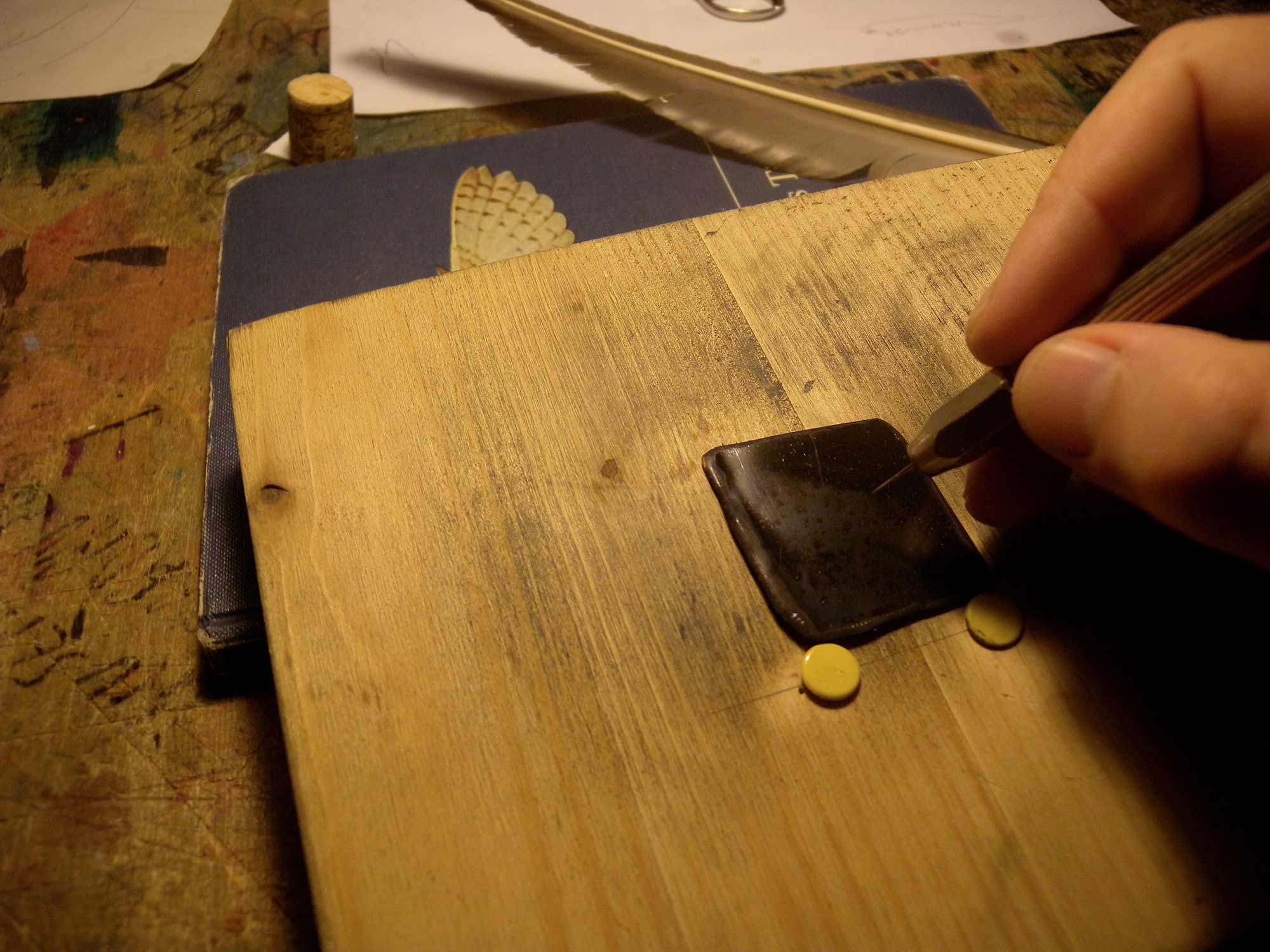
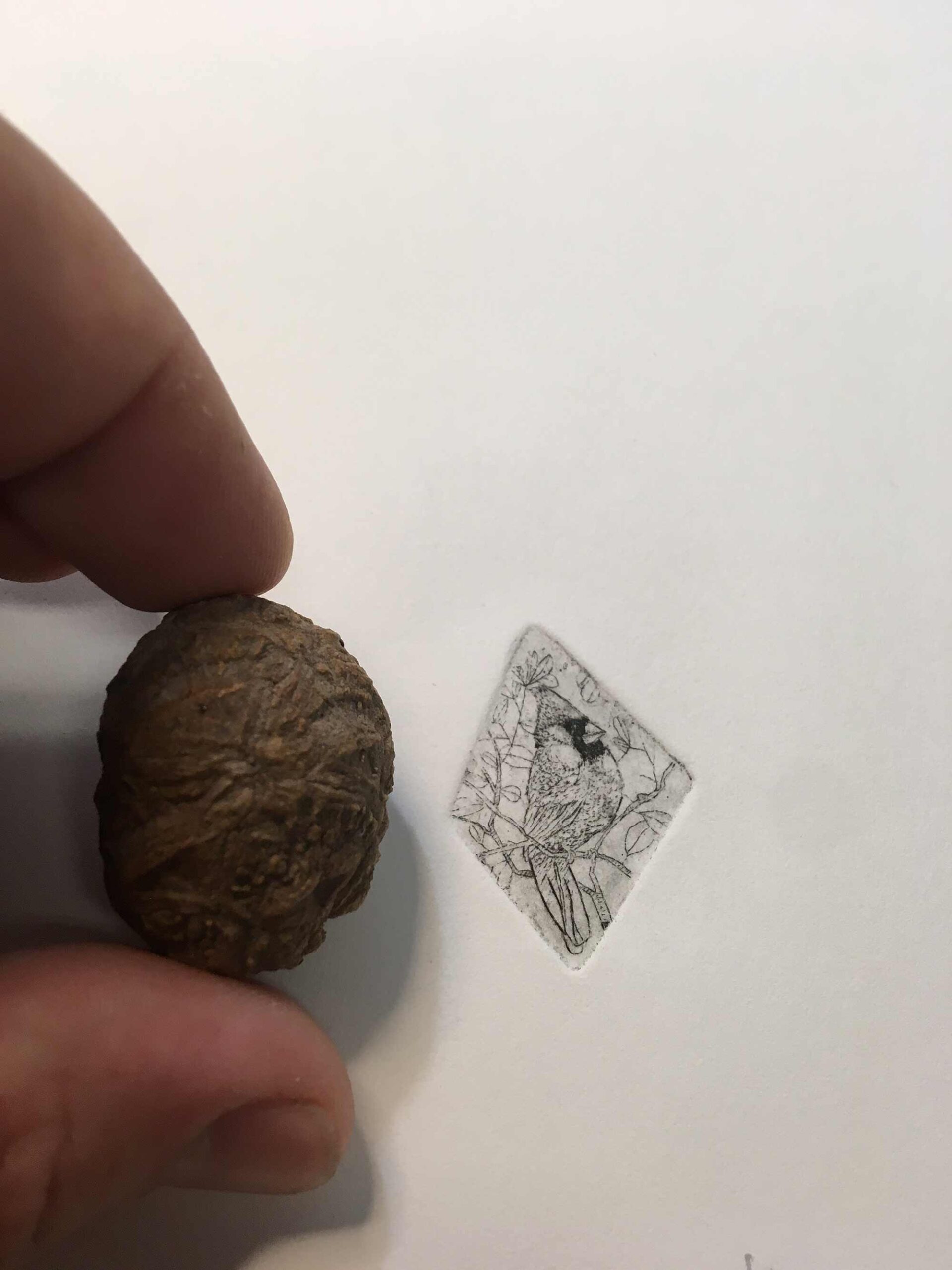
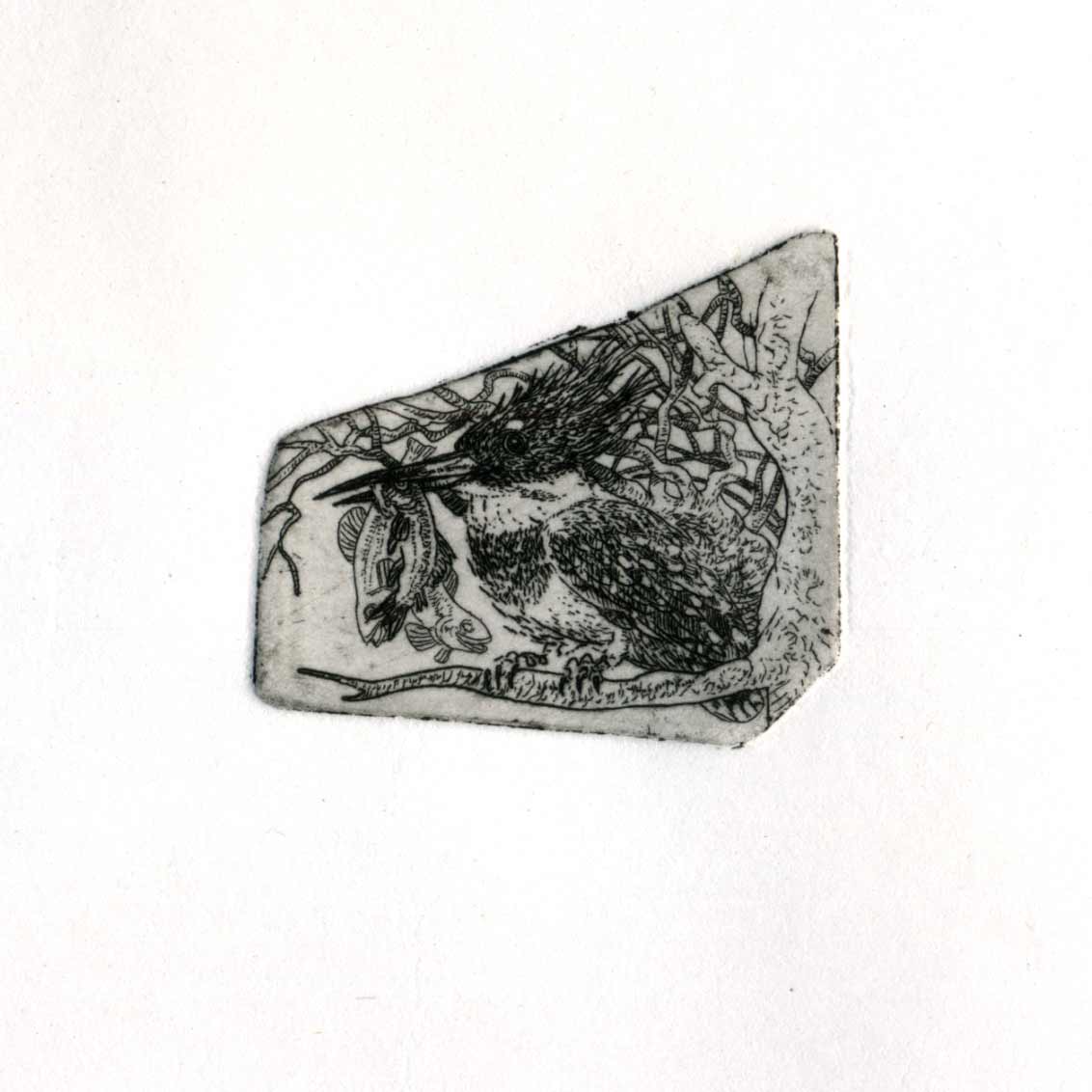
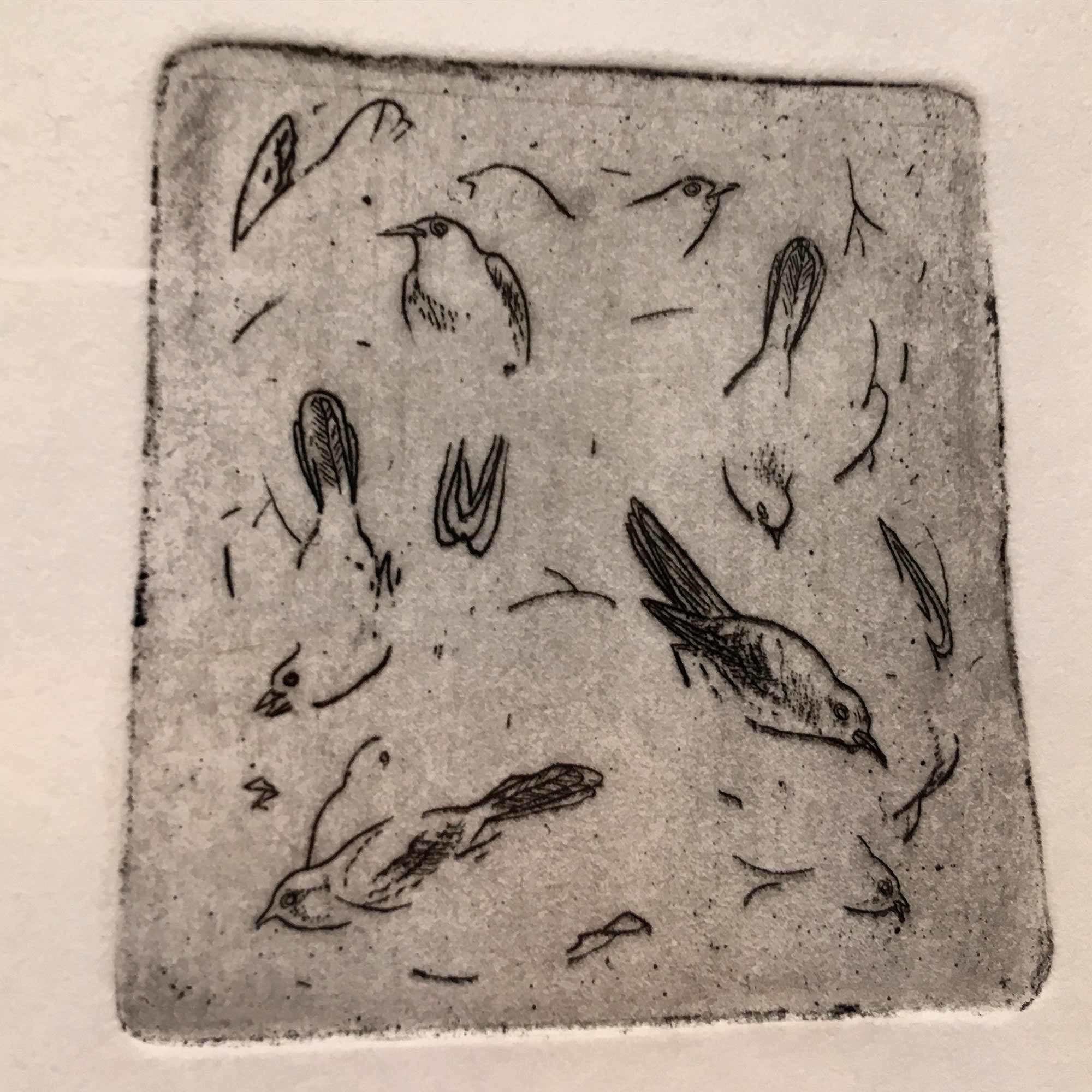
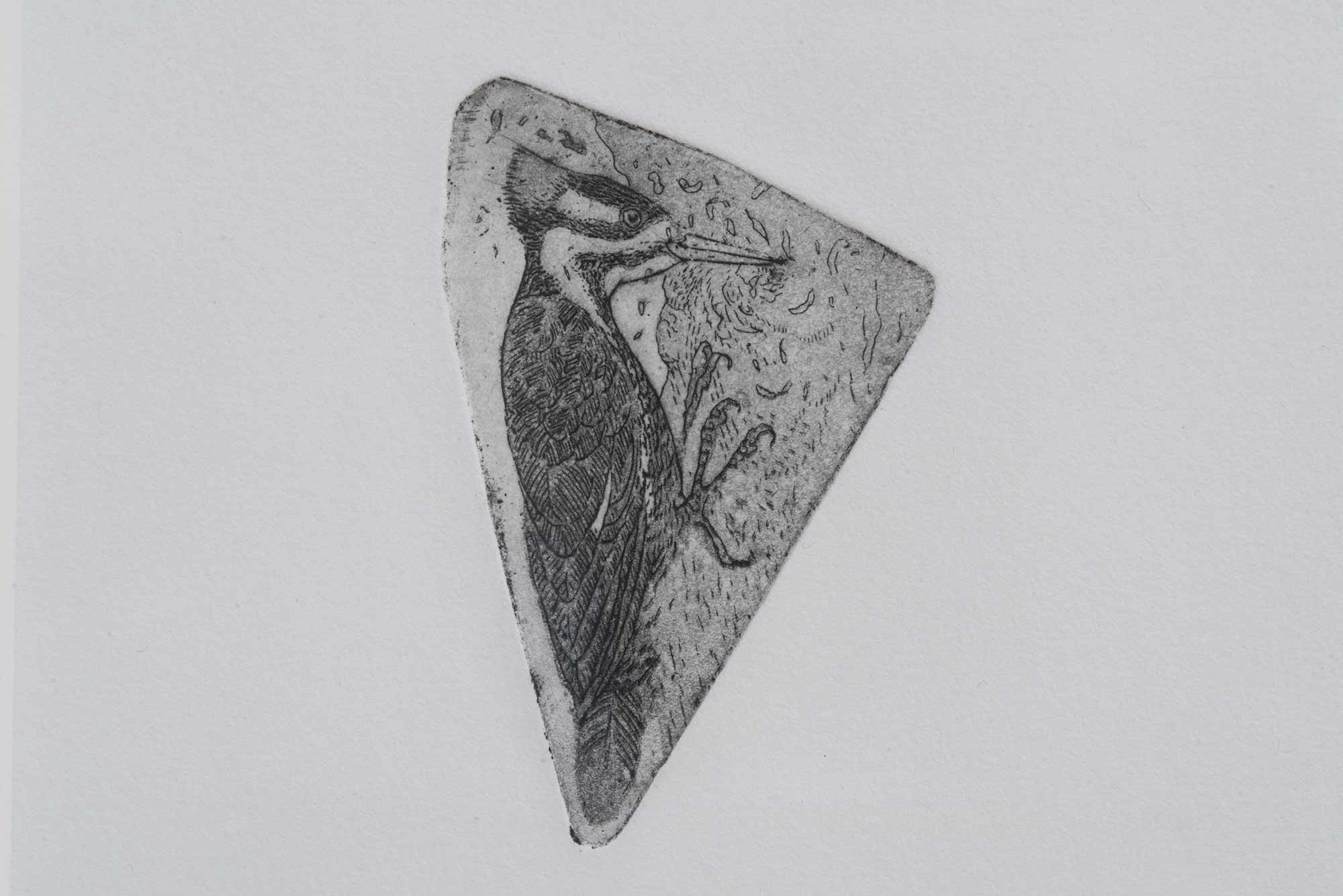
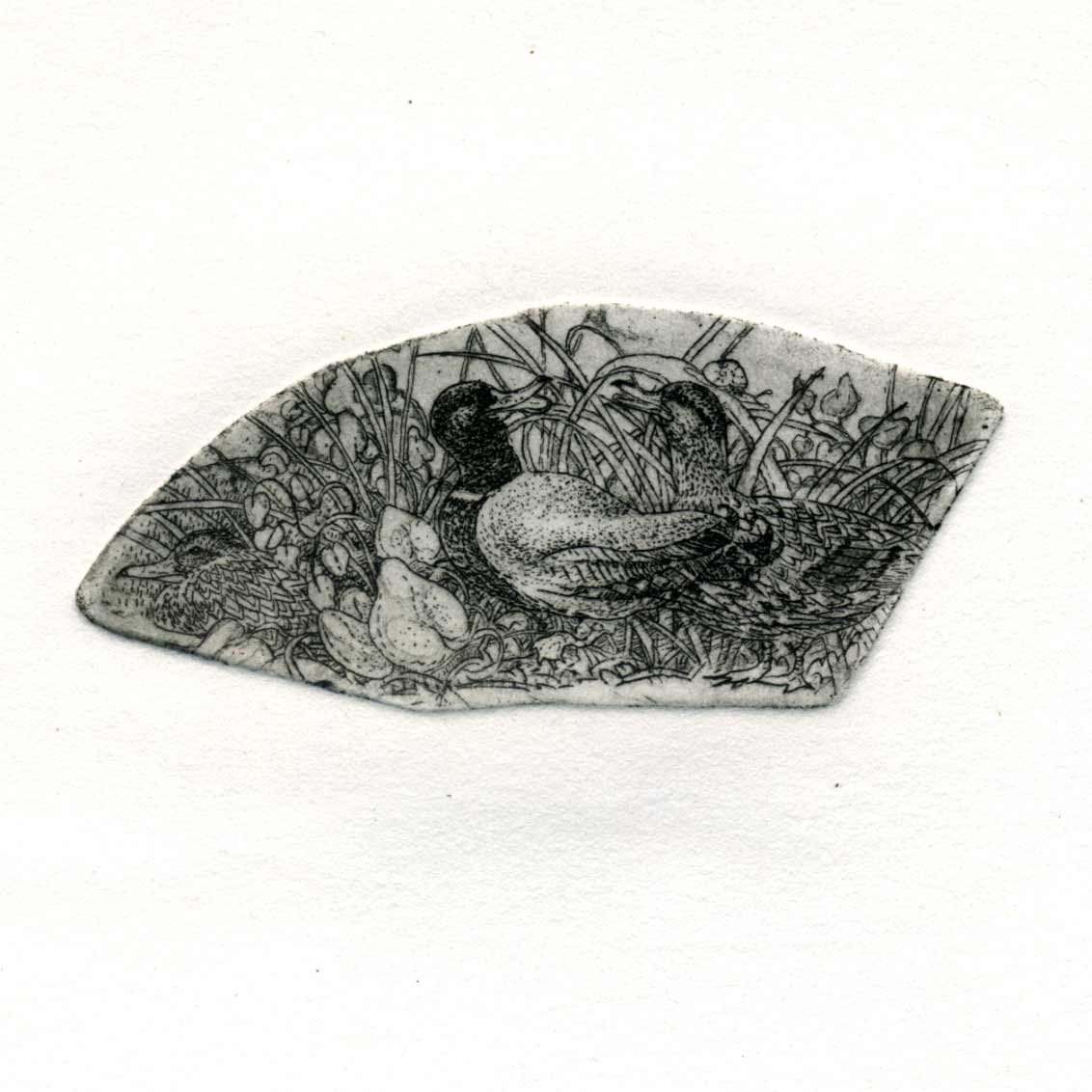
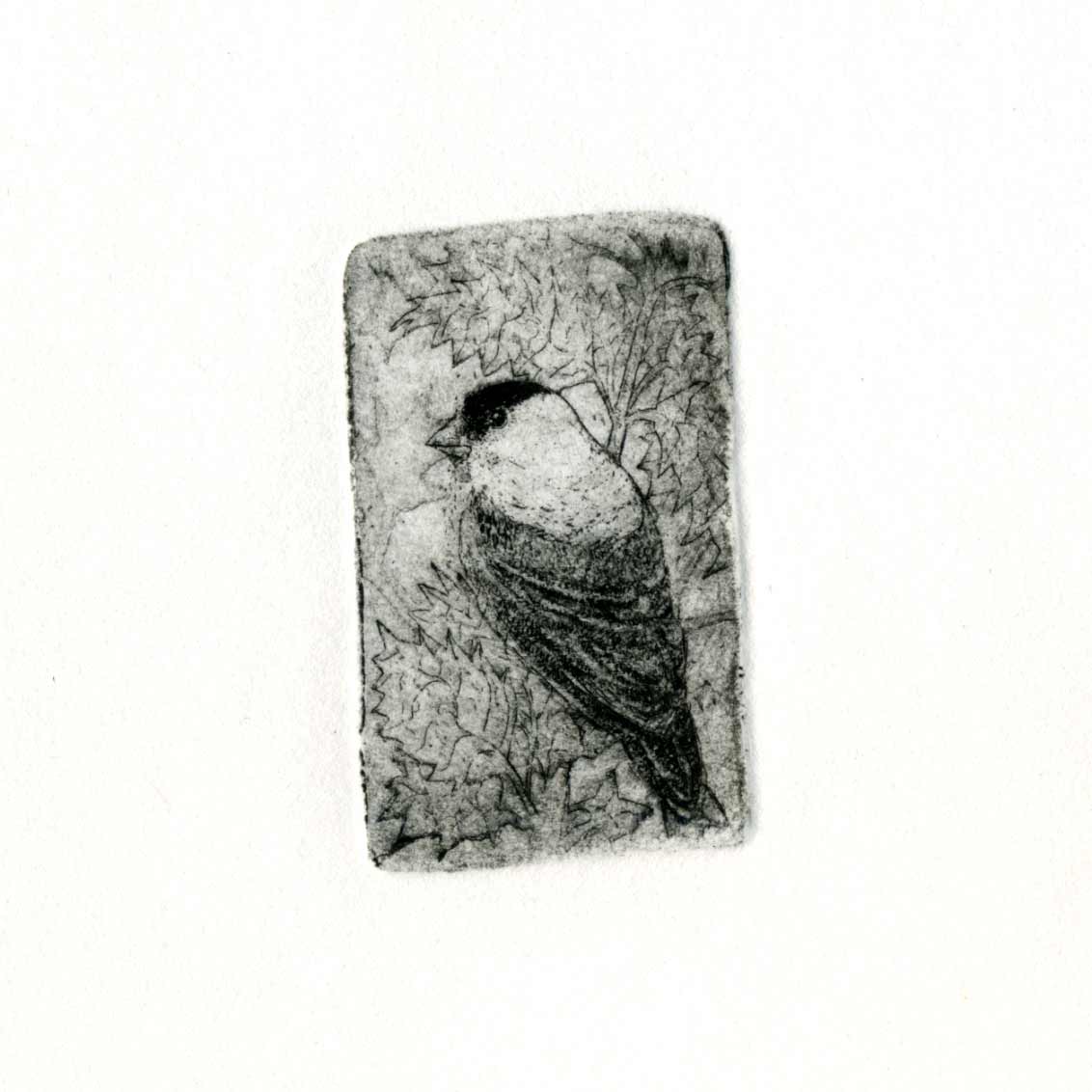
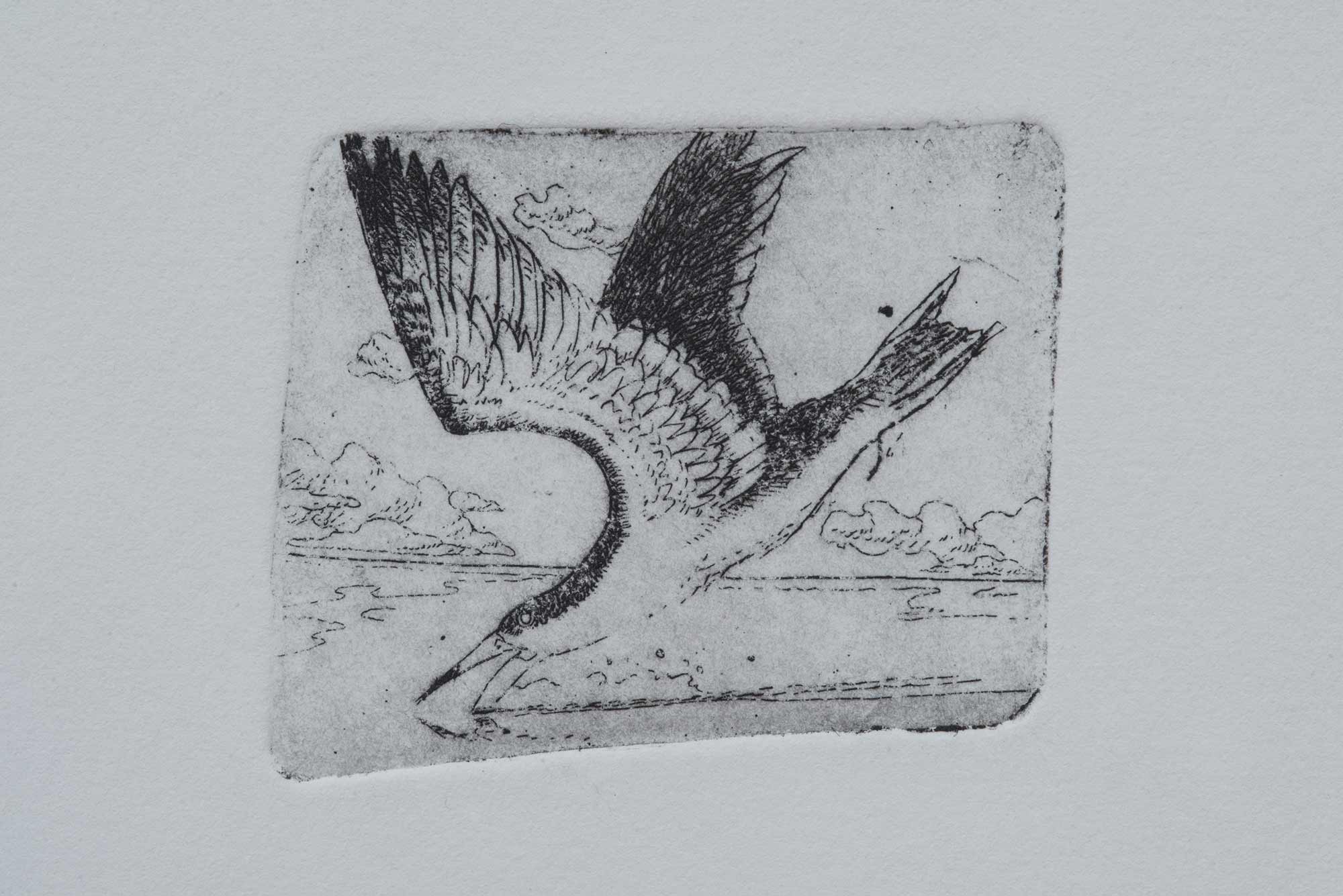
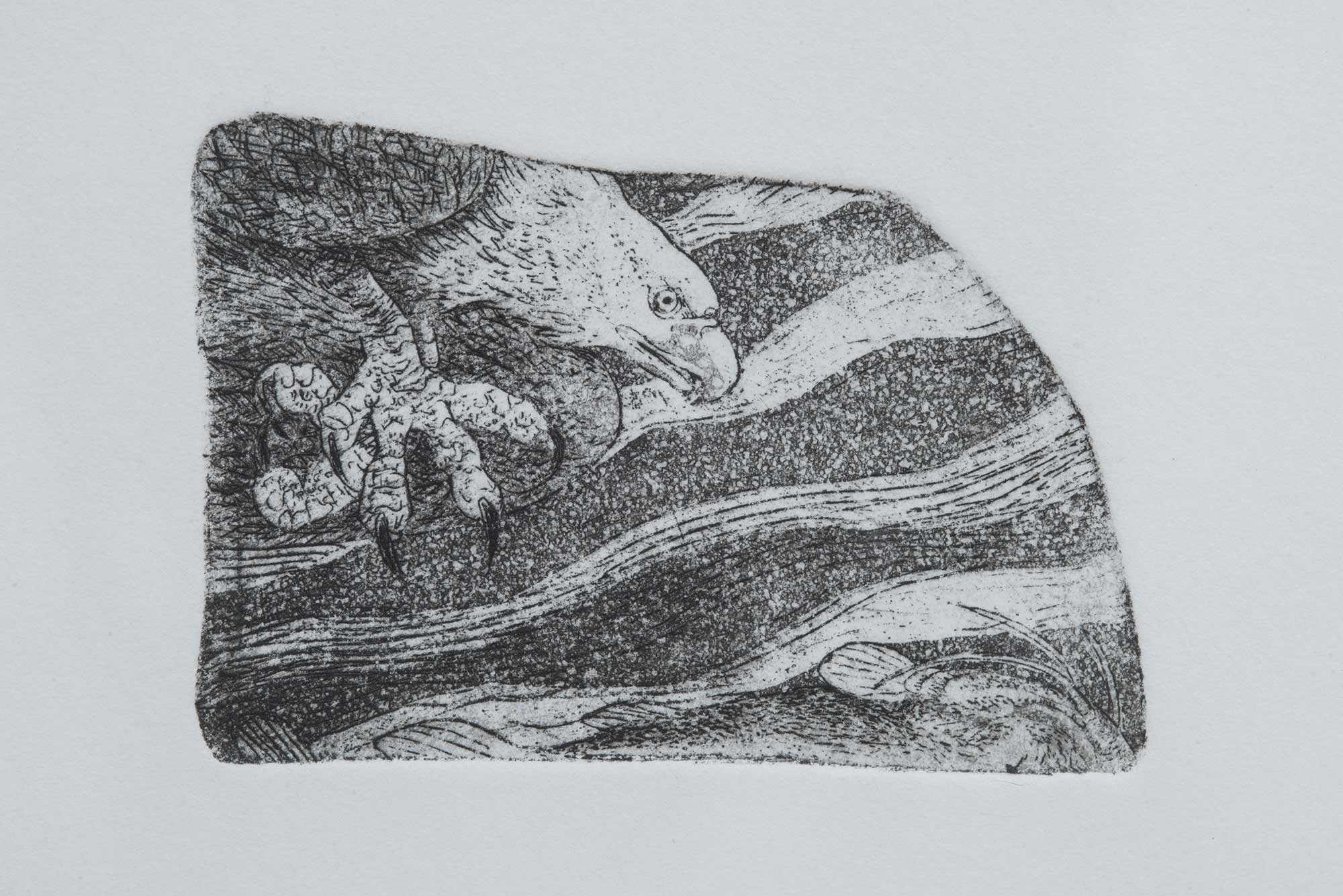
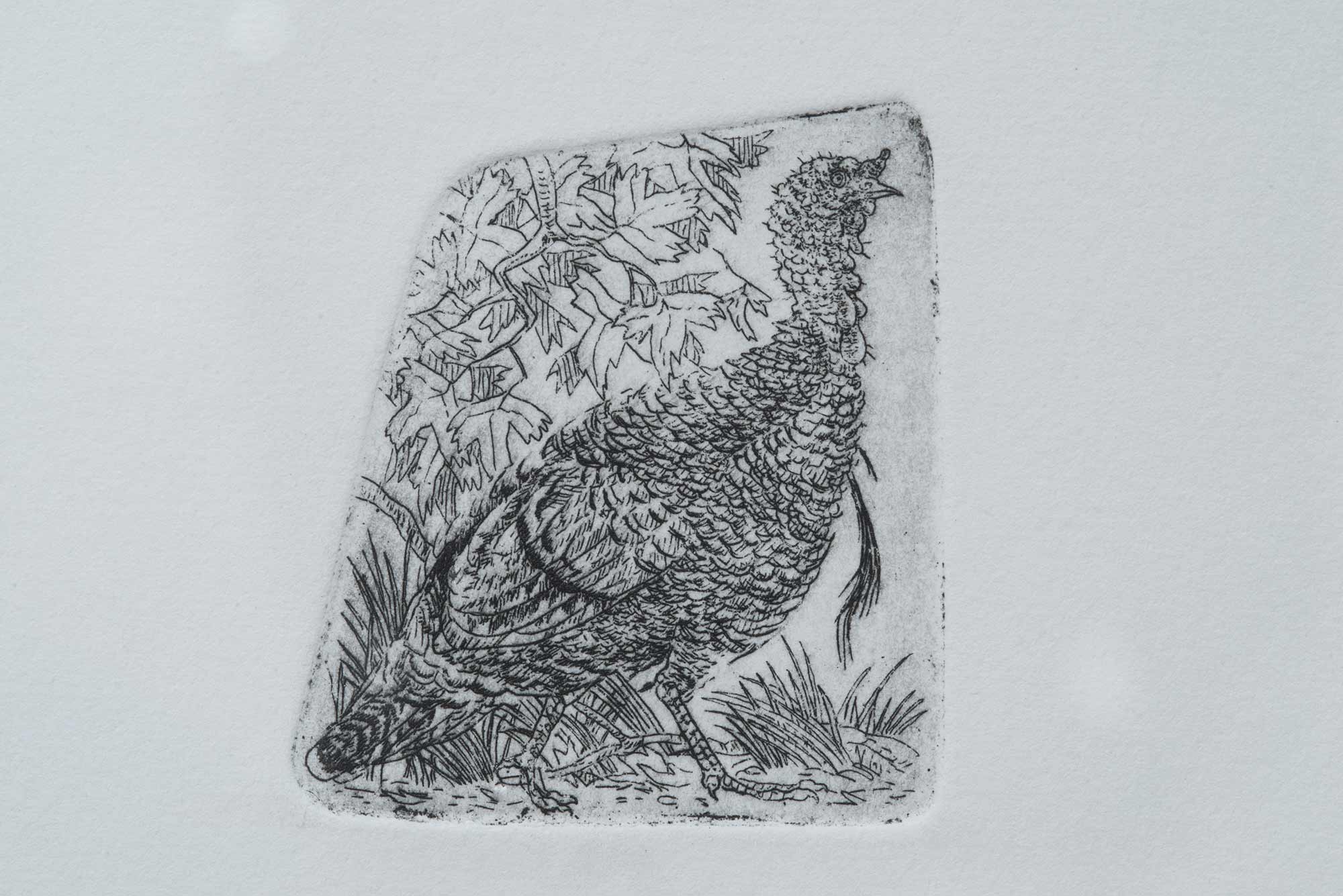
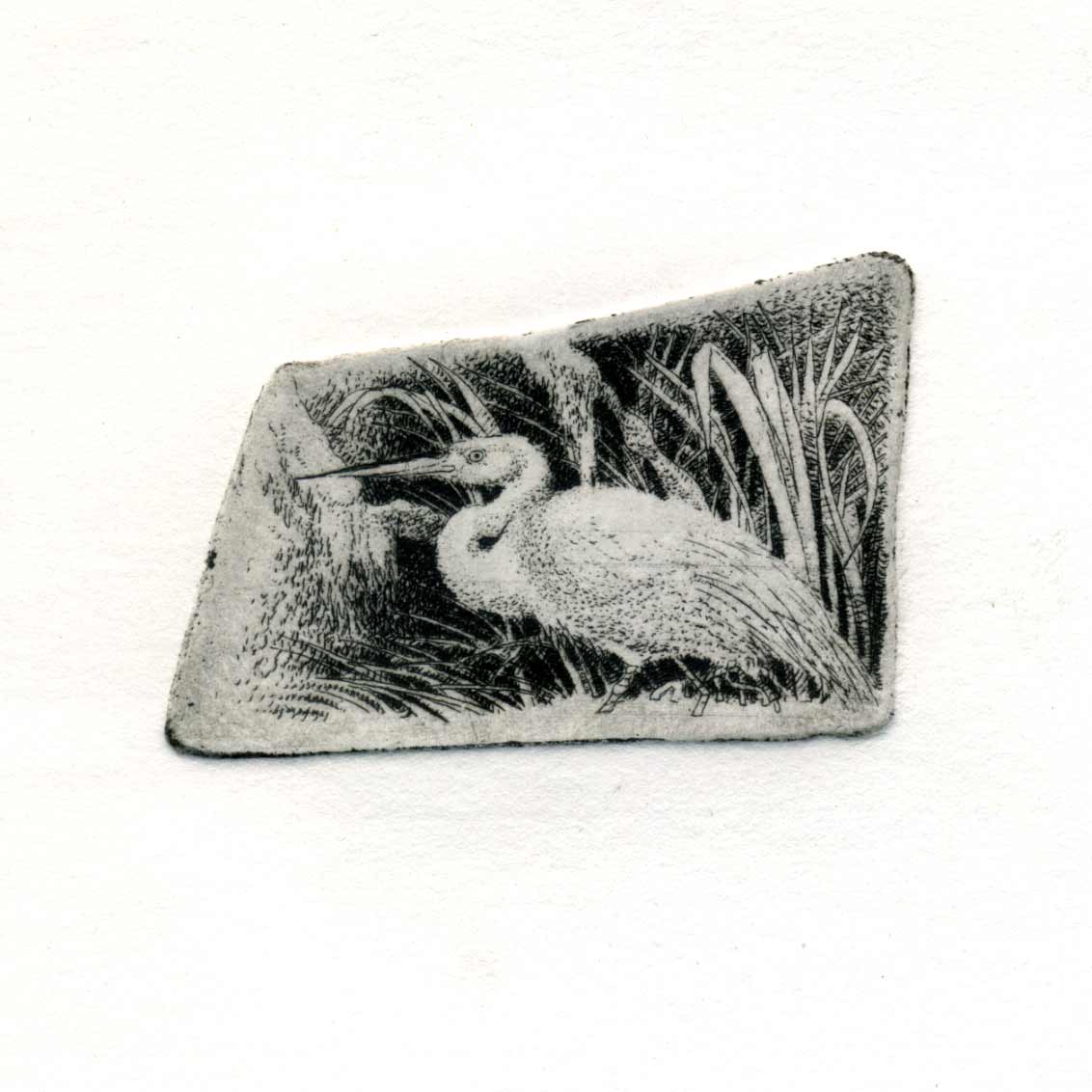
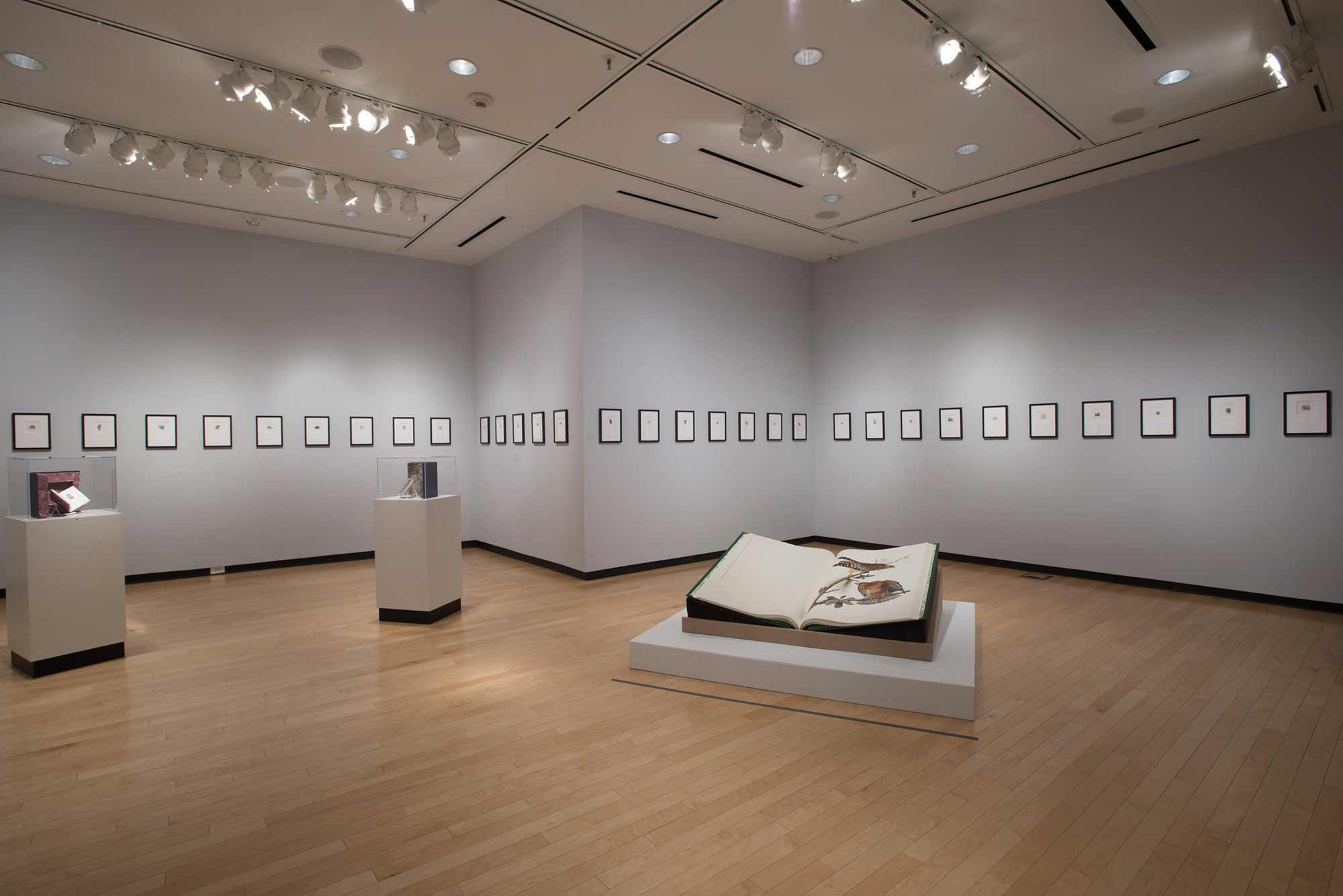
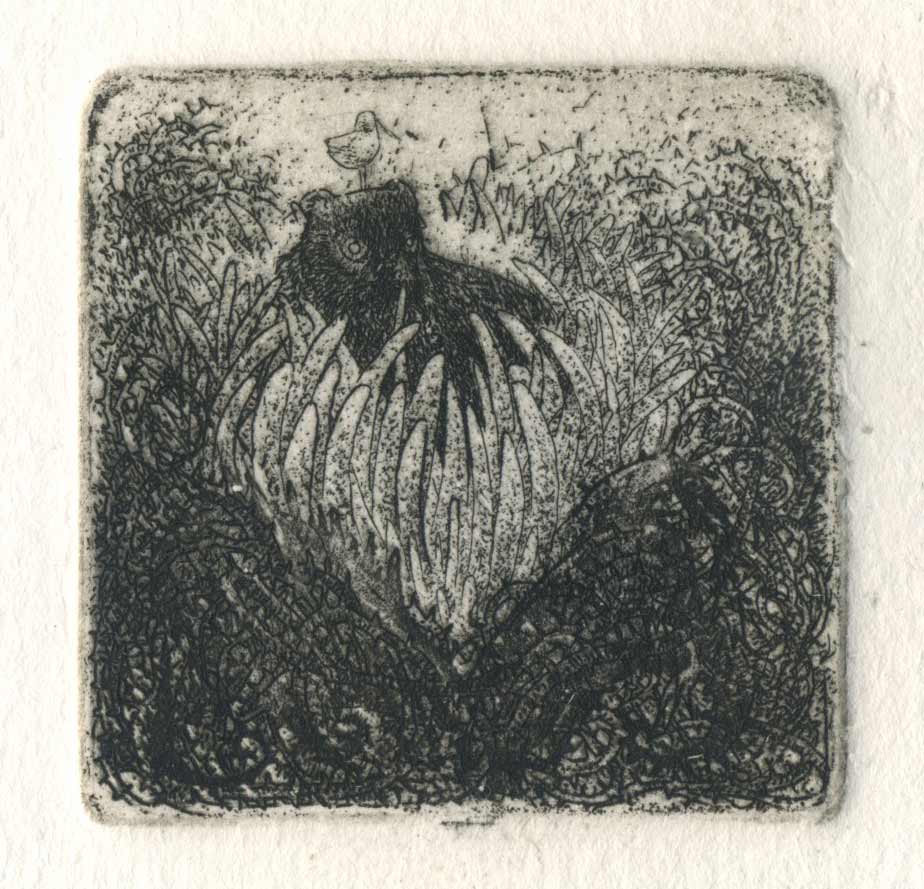
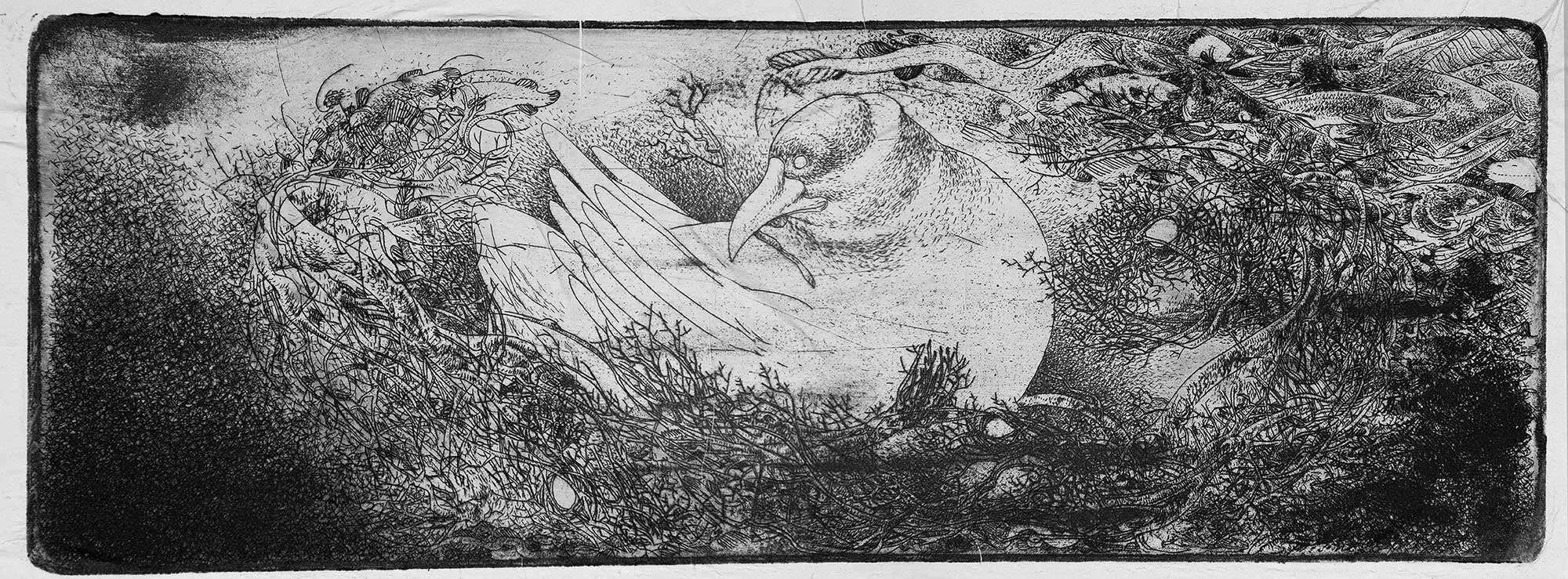
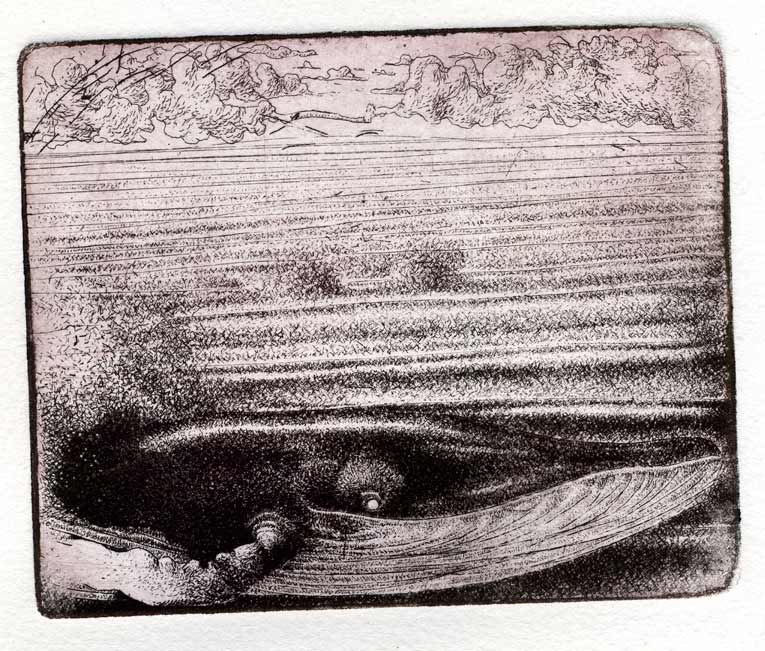
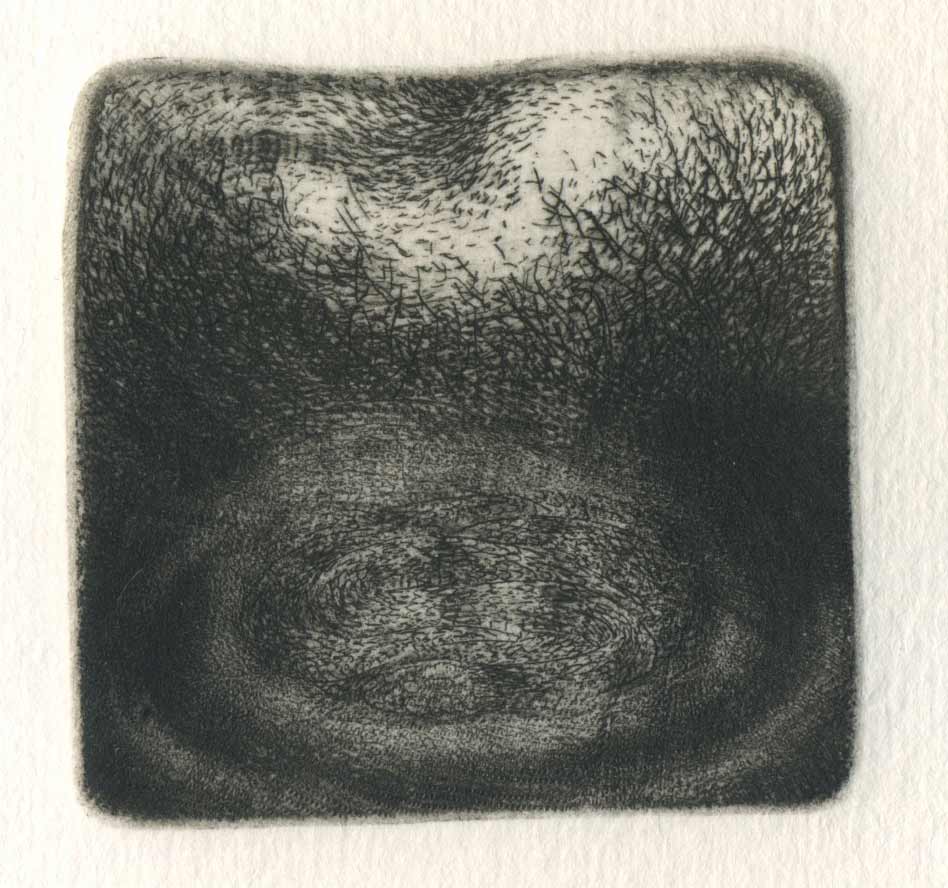
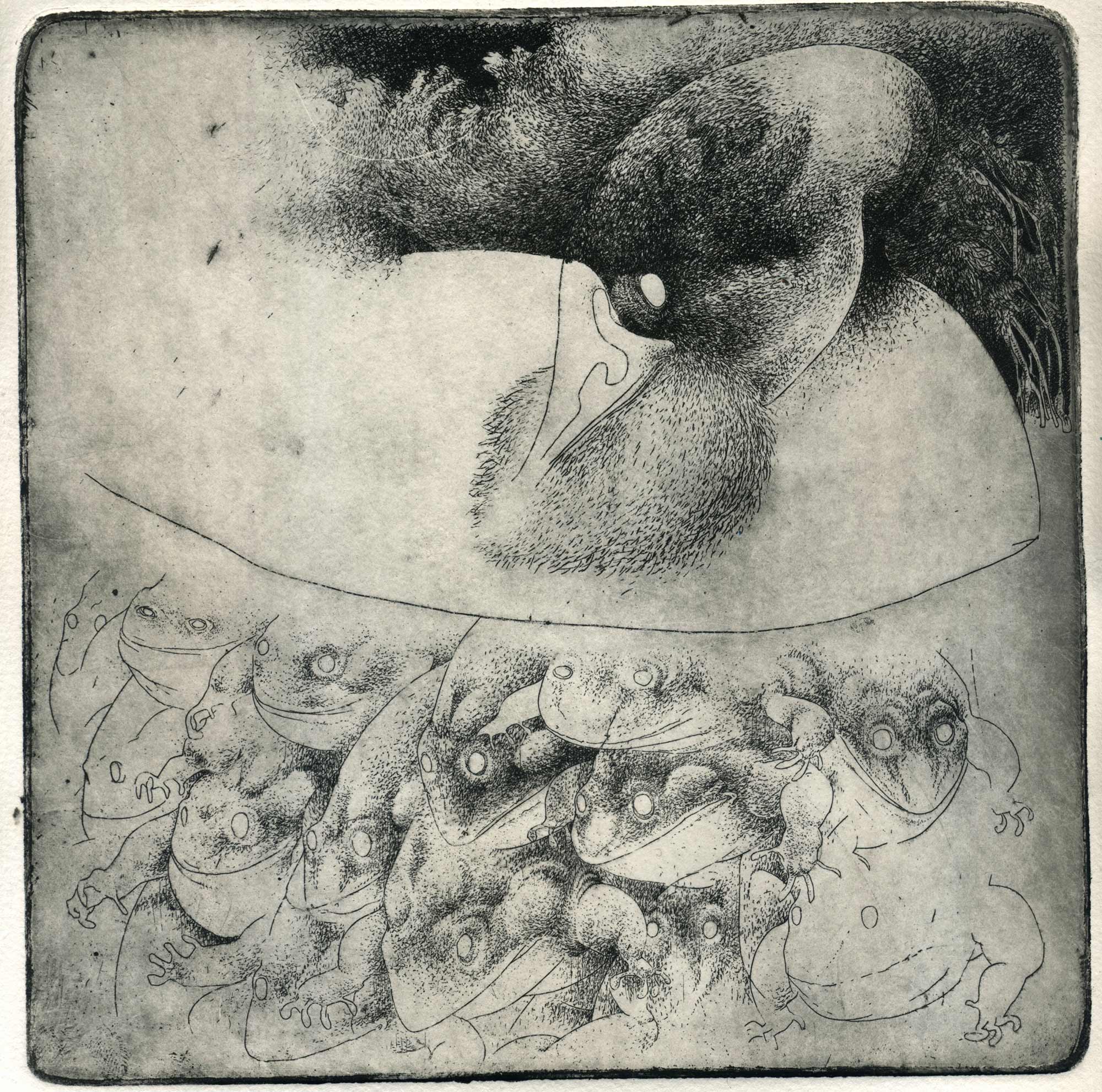
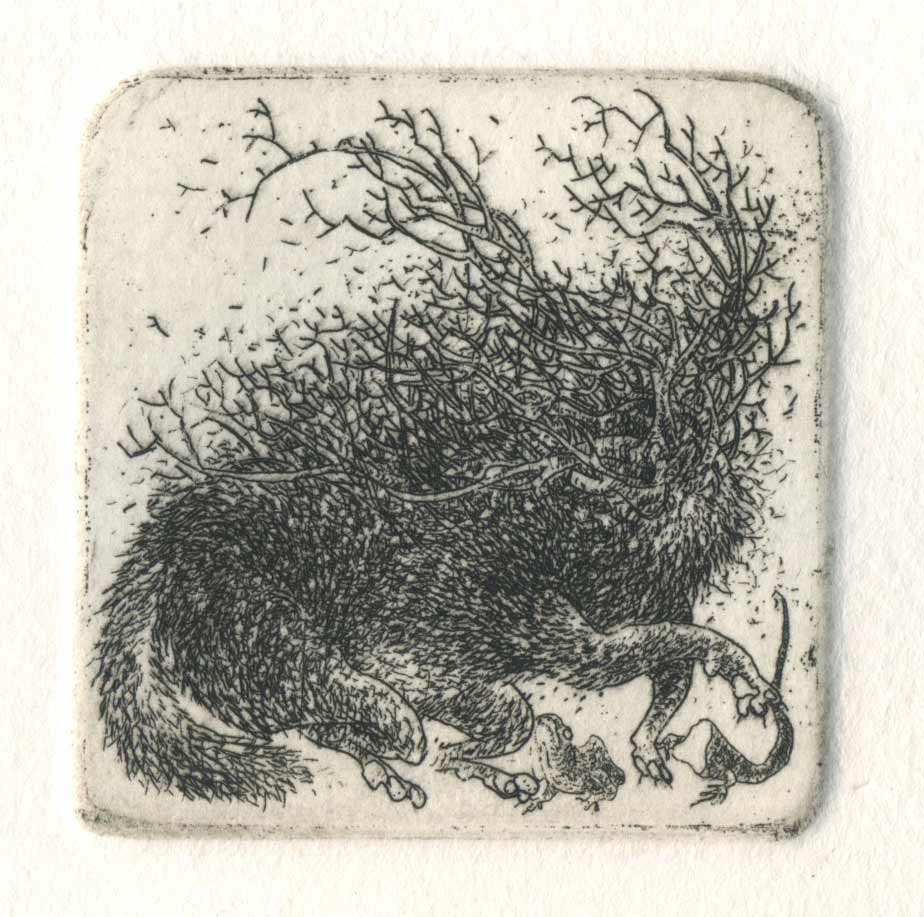
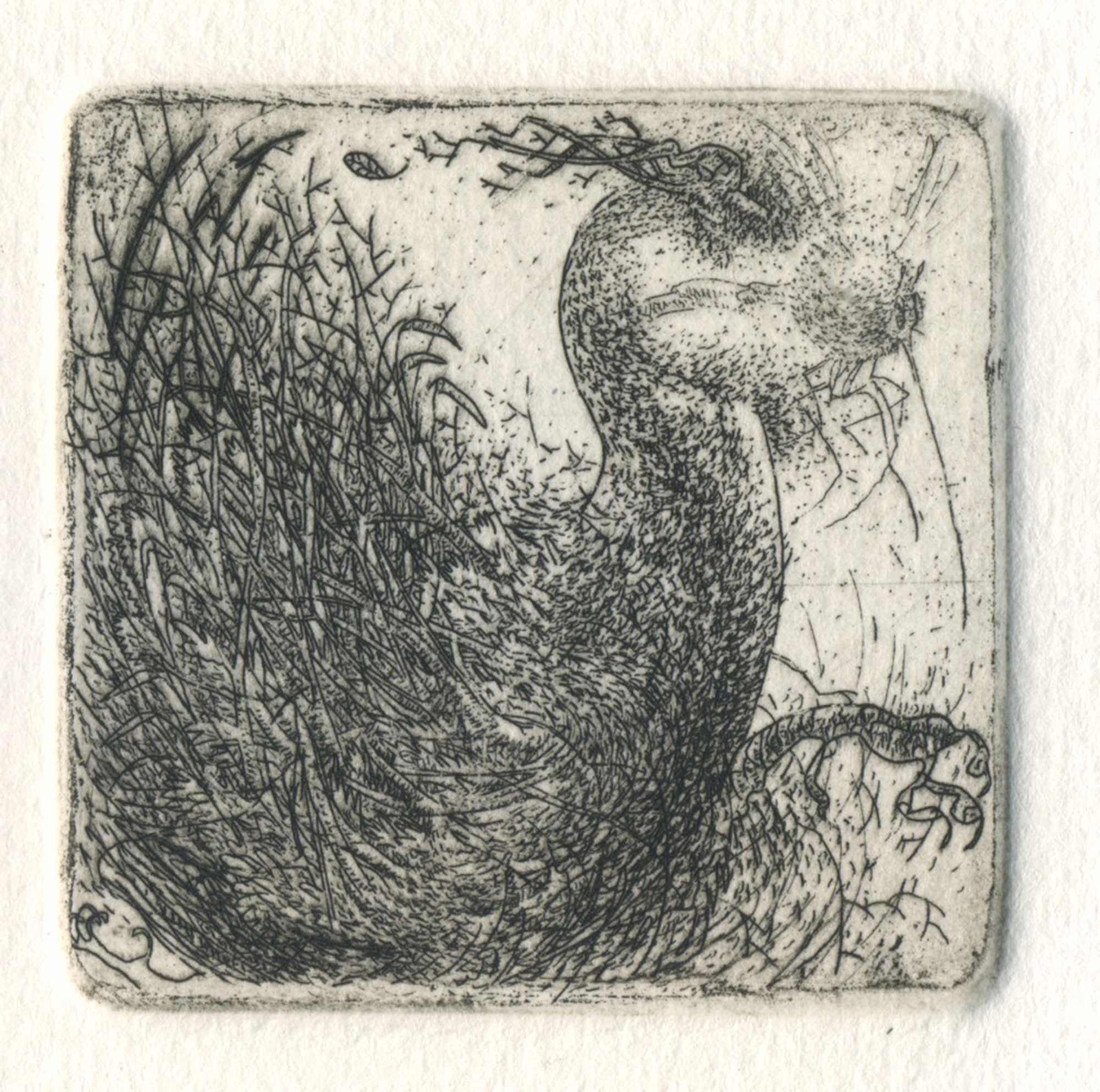
“La Collezione Sommersa”, The Submerged Collection is a site specific exhibition for the Etruscan Museum of Trevignano Romano. This little city is placed on the shores of lake Bracciano, the pieces of the exhibition where elegedly found on the bottom of the lake.
The exhibition was curated by Elisa Cella, the director of the museum and Hitnes. The 20 pieces, of different sizes and shapes where placed in to the display cases with other archaeological finds in order to create a controlled illusion for the viewers. Also the title where given with an archaeological order. The city of Trevignano Romano sponsored a mural that was realized in the occasion of the exhibition.
THE IMAGE HUNTER the Journey (2015 )
‘What drives a man to dedicate his life to pursue his obsession for hunting images? ’
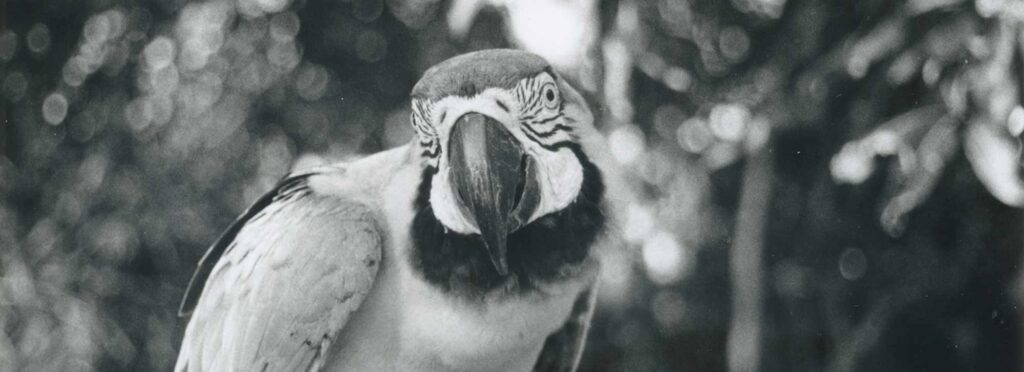
This was the fundamental question ‘The Image Hunter’ sought to answer during a three-month journey through America. ‘The Image Hunter’ was a more than twenty-city, self-financed road trip to retrace and rediscover the America that John James Audubon traversed in the making of The Birds of America.
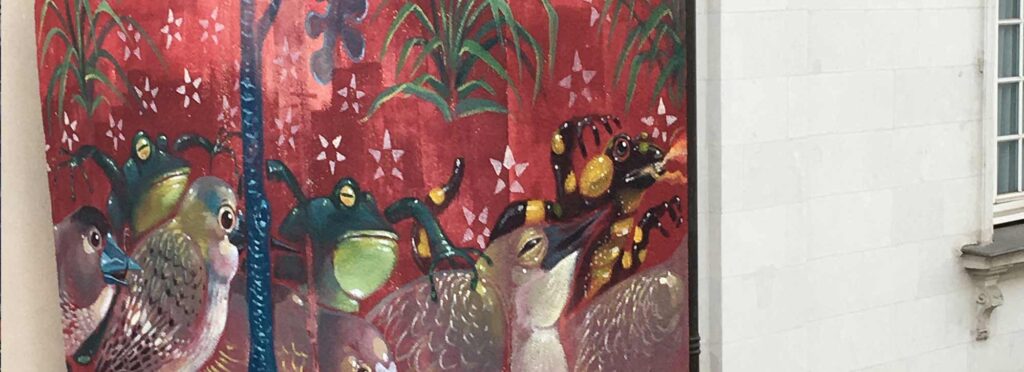
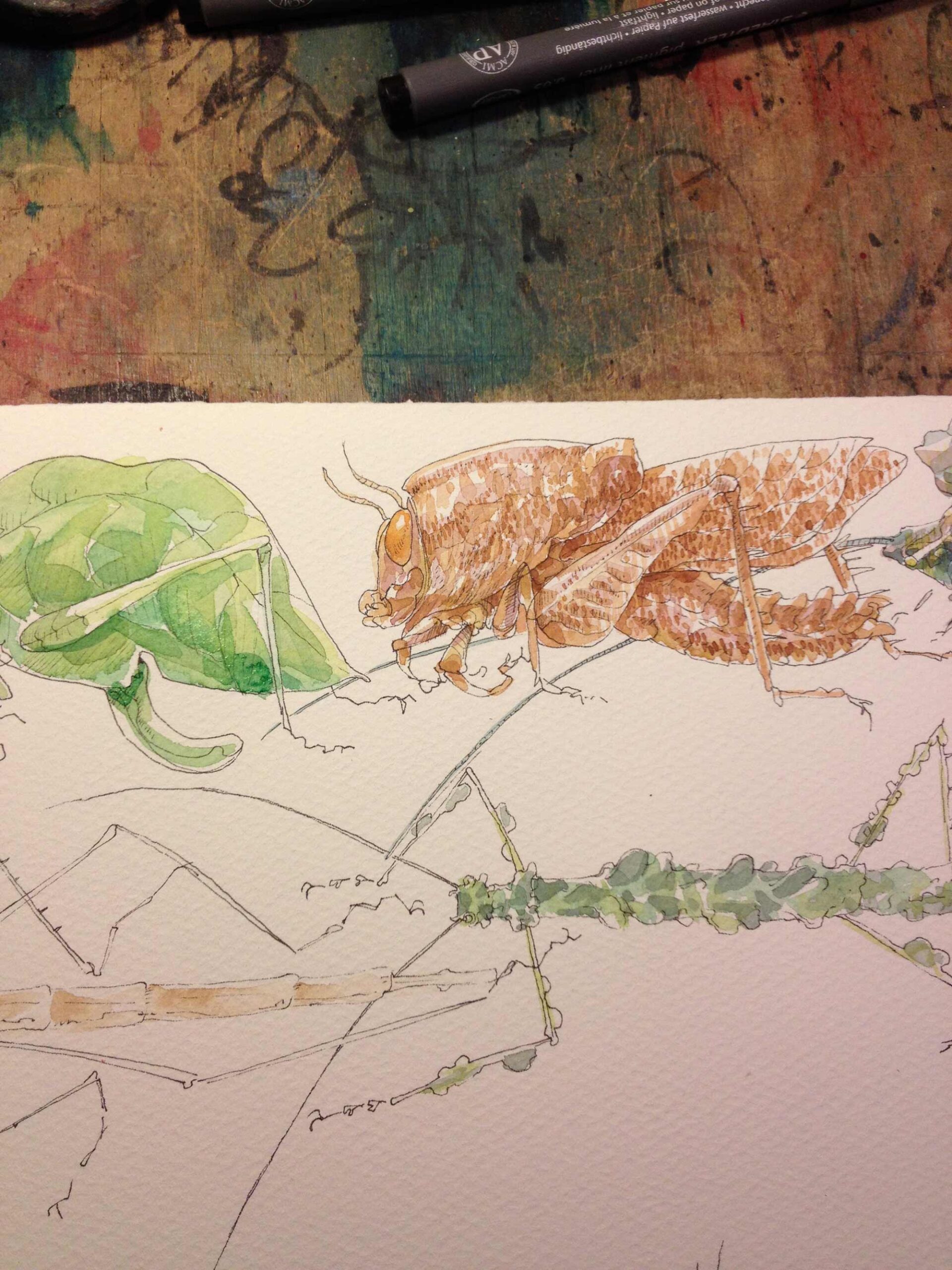
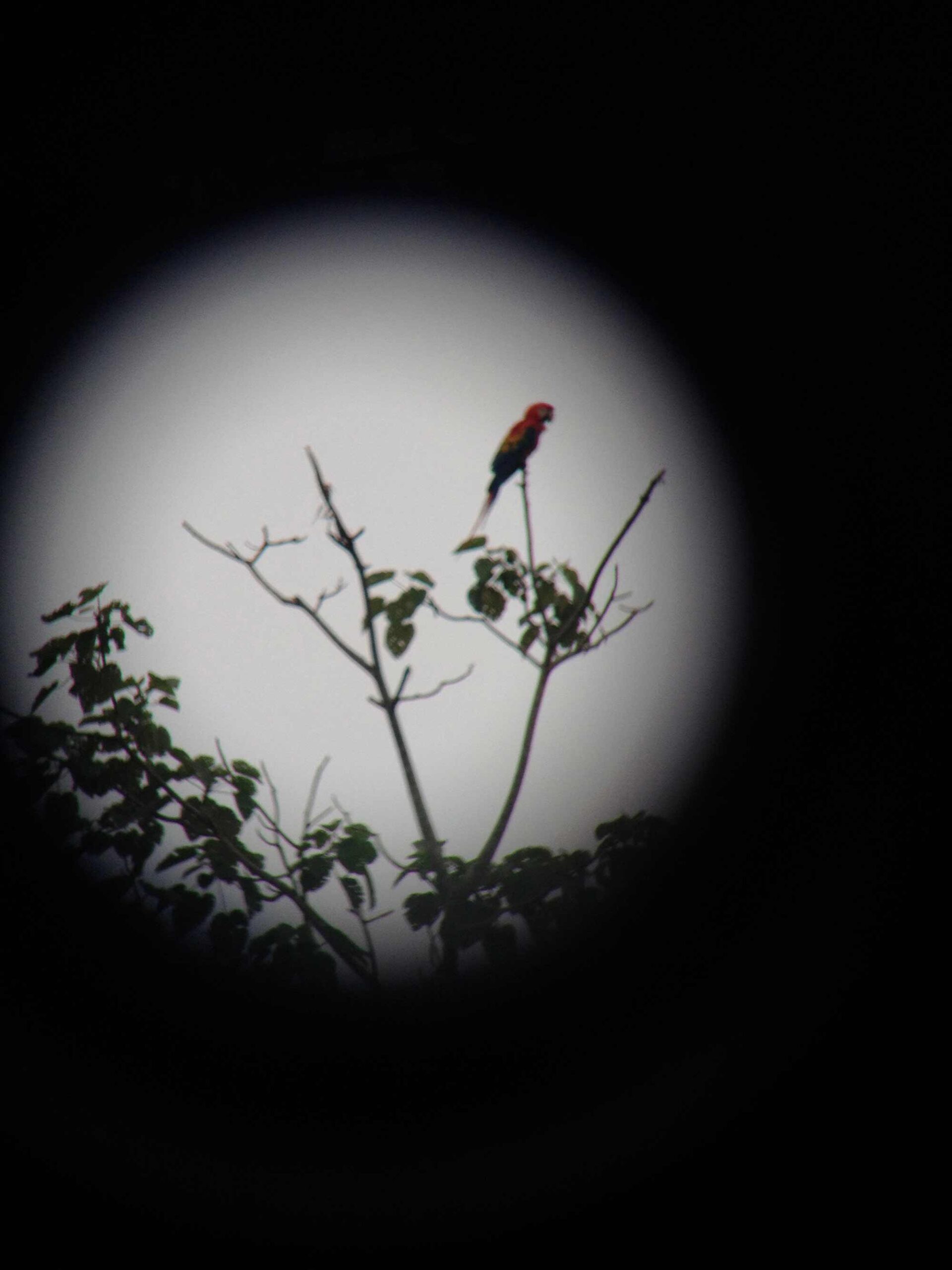
From late July to late October 2015, the Roman artist Hitnes traveled along Audubon’s exploratory paths from the 1800s, delving into the current state of the birds he documented and attempting to recreate in three months that which took Audubon thirty years.
The remains of this epic piece of performance art are the sketches and materials gathered – live matter and photographic – in the contemporary American wilderness, as well as the 15 public murals painted during Hitnes’ brief emergences from the wild into modern American urban capitals. This material will then be revealed to the public via an exhibition in an American museum.THE IMAGE HUNTER the Exhibition.
Video documentation by filmmaker Giacomo Agnetti, which captures the sites, sounds, and spirits encountered along the way will be turned into a documentary feature scheduled for release in 2018: THE IMAGE HUNTER the Film.
Quotidianità dei segni rupestri (2015)
Museum Circuit of Lazio National Ethnographic and Prehistoric Museum “Luigi Pigorini”
Quotidianità dei Segni Rupestri represents the second chapter of the Declinazioni di Comunità series, created and curated by Emanuele Rinaldo Meschini as part of the Torno subito project. Promoted by the region of Lazio, Declinazioni di Comunità is a contemporary art program divided into three exhibitions aimed at analyzing the relationship between artists and community in relation to the Pigorini Museum’s ethnographic and prehistoric collections. The exhibition Quotidianità dei Segni Rupestri, on show from May 7 to May 30 2015, is curated by Emanuele Rinaldo Meschini and Alessandra Serges. The work of two artists, Hitnes (Rome, 1982) and Il Baro (Paolo Baraldi, Bergamo,1977), creates a dialogue between street art and the prehistoric and protohistoric rock art found in two importan tinternational sites – Tadrart Acacus in Libya (VII-I millennium BC) and the Valle Camonica in Italy (Brescia, V-Imillennium BC). In particular, this dialogue comes from the need to grapple with issues surrounding the current concept of street art as it moves into galleries and becomes increasingly self-referential, yet tries to re-establish contact with primitive forms of public communication. Both Tadrart Acacus and Valle Camonica, with their unique representations, cast a light on a primitive concept of public communication. By bringing together narrative and visual vocabulary, this “pre-communication” fused different layers of communication into the first “identity” narrative.
The artistic output Hitnes created for the Pigorini Museum dialogues with the rock paintings of Tadrart Acacus, primarily the reproductions created during Fabrizio Mori’s missions. The Mori Collections, a body of rock art reproductions created between 1958 and 1969 by Piero Guccione and Lorenzo Tornabuoni, is currently conserved in the museum. These collections were the inspiration for the Roman artist’s work, who used the concept of reproduction as a starting point in creating a series of painted rocks inspired by Saharan motifs. The technique developed by Guccione, which he himself defined as “false rock,” entailed recreating rock backgrounds on canvas, which Hitnes, in this instance, has contorted by using real stones and creating “false artifacts” that consist of dreamlike zoomorphic figures.
SANBA (2015)
The SANBA project in the roman neighborhood of Sanbasilio lasted 28 days in the rainy february winter. This work wouldn’t be possible wihtout the help and support of the Sanbasilio comunity, in particoular my grate little helper Tommaso! The project was organized and curated by Walls . The movie and the photos were made by the Blind Eye Factory guys.
La Macchia dell’Unicorno (2015)
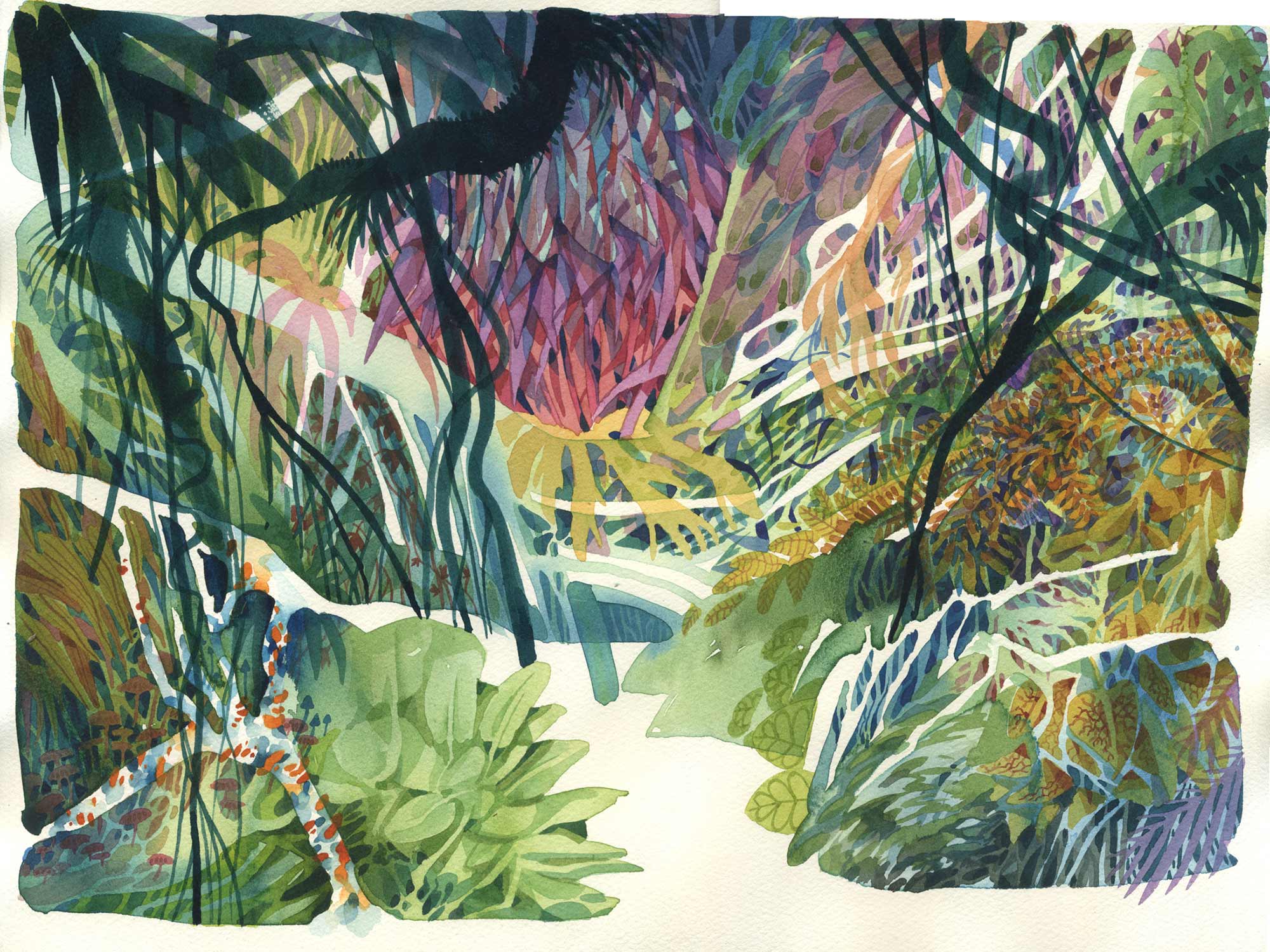
Creato dal tempo come molte altre figure fantastiche, l’unicorno è formato da tasselli di cronache e leggende, che uniti tra loro, gli hanno attribuito sembianze e significati sempre diversi. L’unicorno fra questi lavori non c’è. O Forse non è visibile. Si vede invece una fitta macchia di fiori, da dove l’unicorno è sfuggito ai cacciatori che lo braccano. Opera ispiratrice di questo “labirinto vegetale”, formato da 31 dipinti su carta, è il ciclo di arazzi fiammingo sulla “Mistica caccia dell’unicorno” (XV secolo). Questa perenne primavera irta di allegorie sulla dolcezza e le crudeltà della natura, è l’unicorno stesso. Sulle tele, ispirate alla lettura Junghiana, l’unicorno diventa invece il mercurio dell’arte ermetica, si osserva la fiamma liquida di una formula alchemica, macchia che brucia il suo stesso eroe rendendolo altro. Muta la sua forma e diventa i suoi nuovi significati.
“Nel quattrocento avanti Cristo, il medico di Artaserse Mnemone, il greco Ctesia, descrive velocissimi asini selvatici che popolano i regni dell’Indostan, di pelo bianco testa purpurea, occhi azzurri sulla fronte un corno che alla base è bianco,rosso in punta, ed in mezzo perfettamente nero. Plinio il Vecchio ne riporta altre caratteristiche ( Naturalis Historiae libroVIII, 31) In india si caccia anche un’altra fiera, l’unicorno, che per il corpo assomiglia al cavallo, ma per la testa al cervo, per le zampe
all’elefante, e per la coda al cinghiale. Il suo muggito è profondo. Un corno lungo e nero s’erge in mezzo alla sua fronte. Dicono che sia impossibile
prenderlo vivo. Al principio del VII secolo, nell’enciclopedia di Isidoro da Siviglia (Etimologiae XII libro), è riportato che una sola cornata dell’unicorno basta per uccidere un elefante: questa immagine ricorda l’analoga vittoria del karkadàn (rinoceronte) nel secondo viaggio di Sinbad, di quest’ultimo diceva che se
spaccato in due, il corno mostrava la figura di un uomo. Nemico dell’unicorno era il leone: in un’ottava dell’epopea The Faerie Queen è descritto il combattimento in cui il leone affronta l’unicorno davanti ad un albero e quando questi lo carica, il felino si scosta e l’unicorno rimane inchiodato al tronco. Questi versi si possono datare tra il secolo XVI, e il principio del XVIII, l’unione dei regni d’Inghilterra e di Scozia metterà nello stemma della Gran Bretagna: il leopardo (leone) inglese e l’unicorno scozzese. I bestiari Medievali insegnano che l’unicorno può essere catturato da una bambina: “Come lo prendono. Gli mettono davanti una vergine e lui salta in grembo alla vergine e la vergine lo abbraccia con amore e lo porta al palazzo del re.” Molti e famosi arazzi illustrano questo trionfo, le cui applicazioni allegoriche sono le più disparate: lo Spirto Santo, Gesù Cristo,
un amante, il mercurio e il male sono stati simboleggiati dall’unicorno. Nell’opera Psycologie und Alchemie (1944), Karl Jung narra la storia di questi simboli e li analizza. Un cavallino bianco con zampe posteriori d’antilope, barba di capra ed un lungo e ritorto corno sulla fronte, è la rappresentazione abituale di quest’animale fantastico. Jorge Luís Borges Manuale di zoologia fantastica(1957)
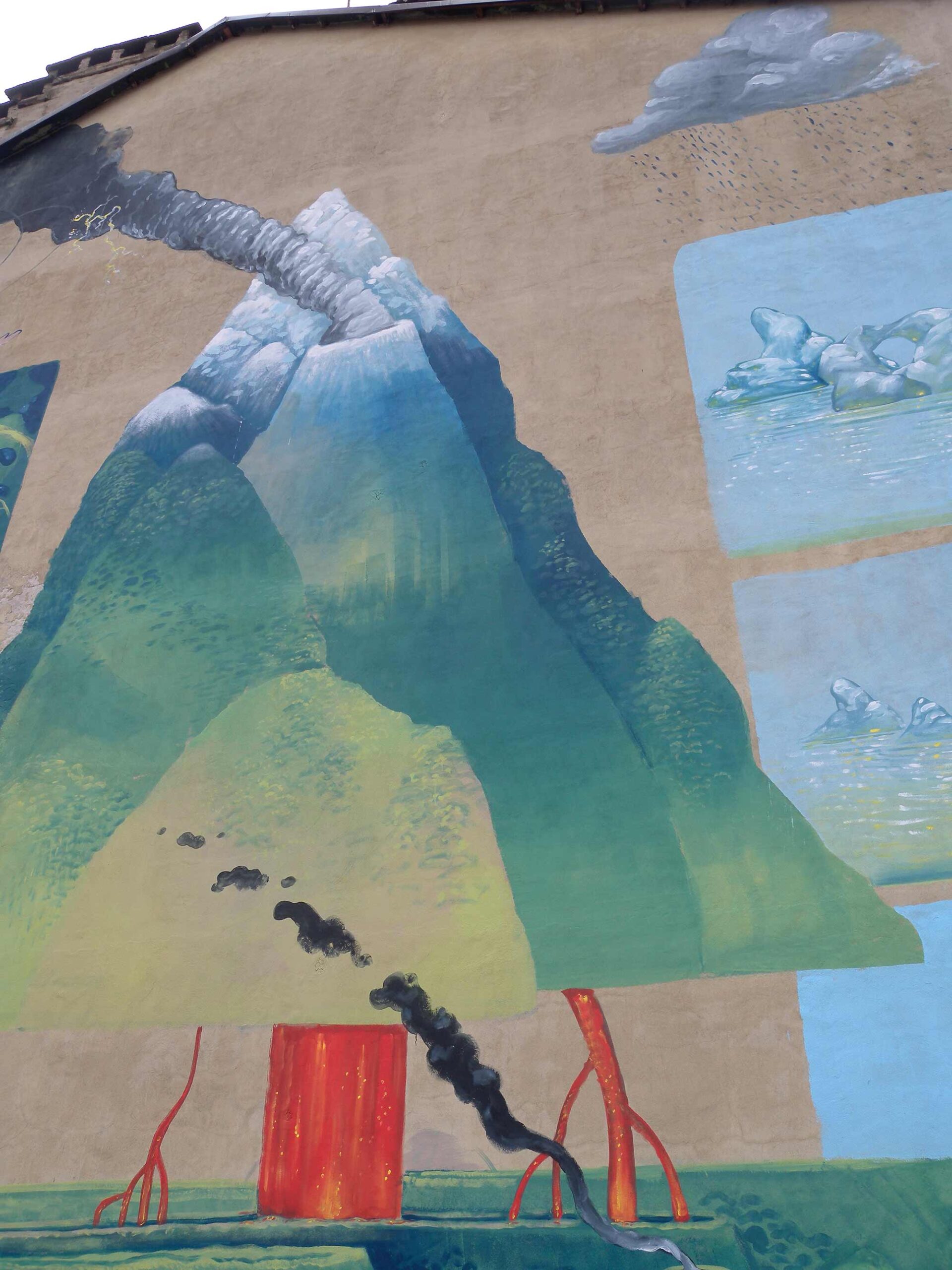
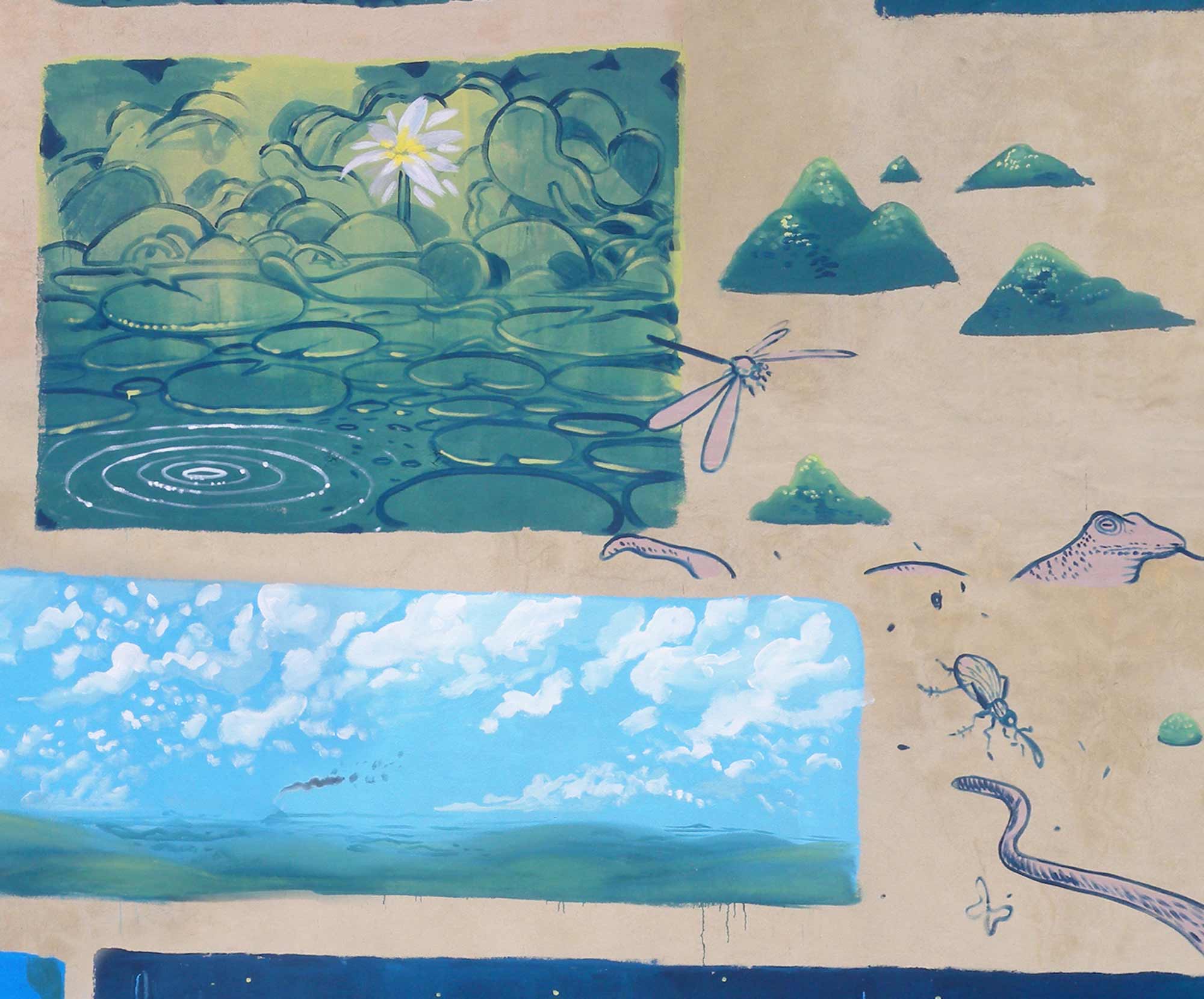
Sono l’antico drago che è ovunque sulla terra, giovane e vecchio forte e debole, morte e resurrezione, visibile e invisibile, duro e morbido; discendo nelle profondità della terra e salgo al cielo, sono il più alto e il più basso, il più leggero e il più pesante… tenebre e luce… si sa chi sono e tuttavia non esisto affatto.
Karl Gustav Jung Psycologie und Alchemie (1944)
FromStreetToArt (2014)
graffito . painting . sewing
“FromStreetToArt” a collective exhibition of italian street-art, curated by Simone
Pallotta. From the 20 ofJune till the 20 of August 2014, at the Italian Institute of
Culture in New York, showing the works of : Agostino Iacurci, Aris, BR1,
Cyop&Kaf, Dem, Eron, Hitnes, Sten&Lex, Ufo5, 2501.