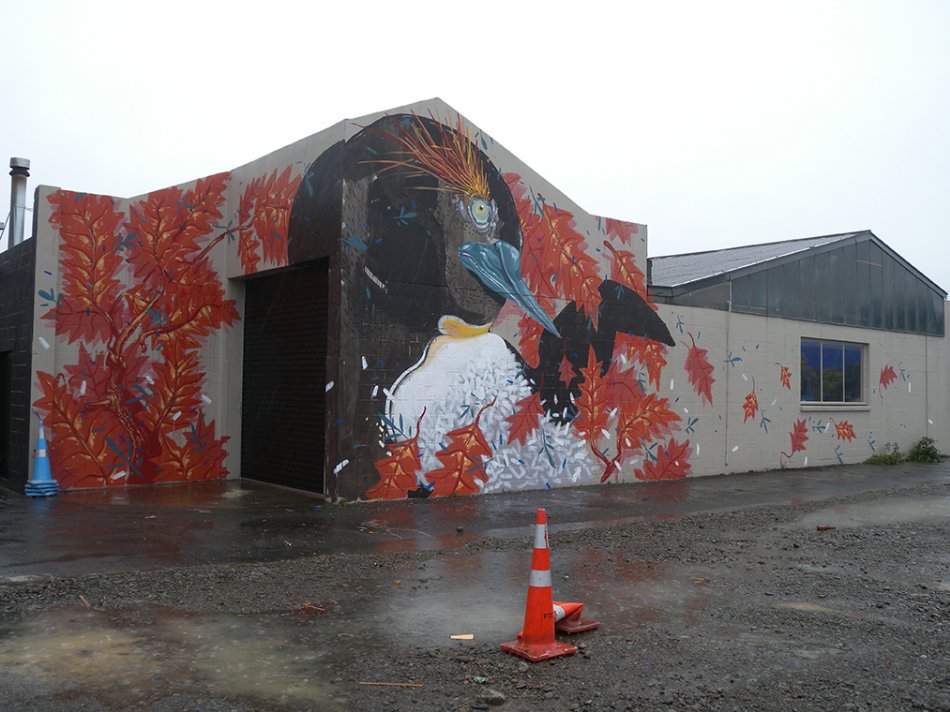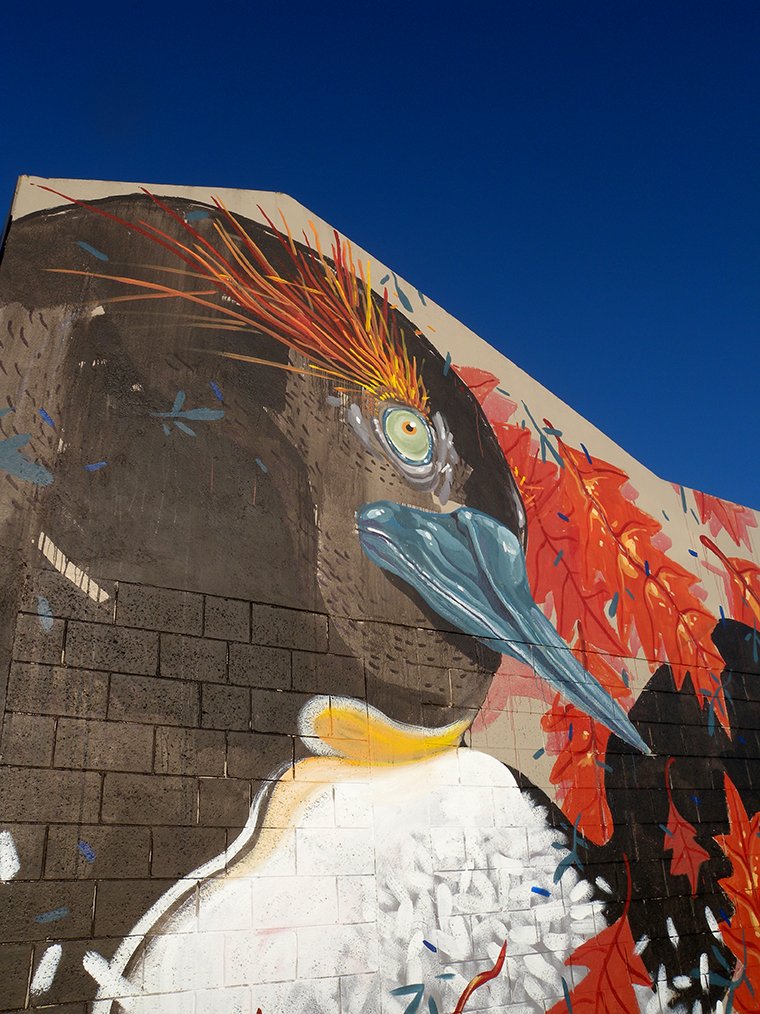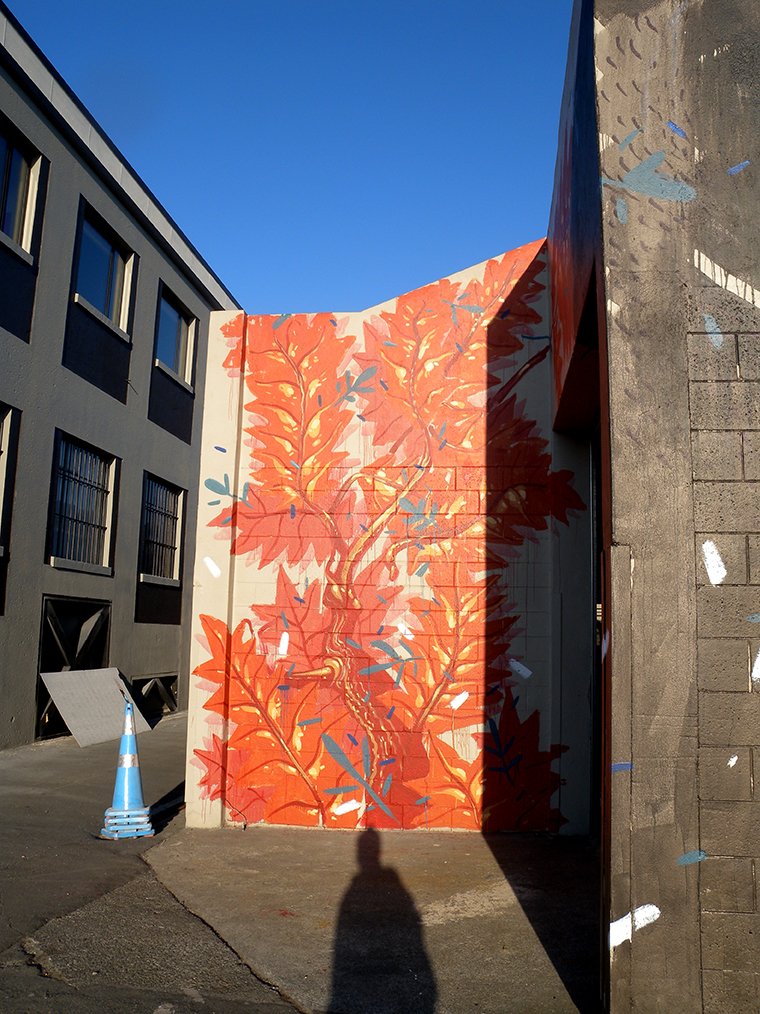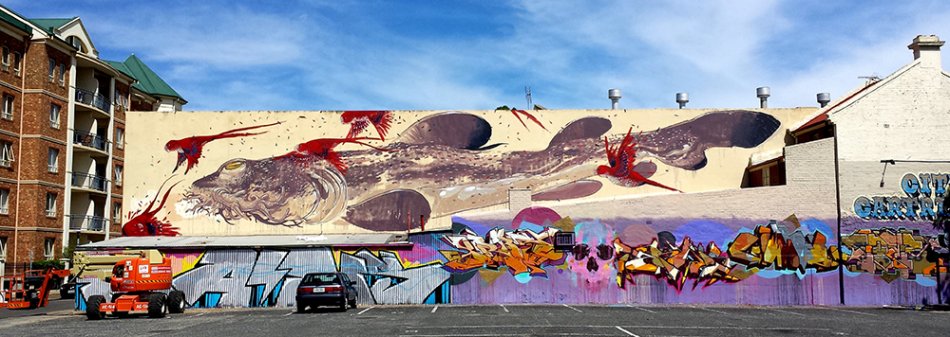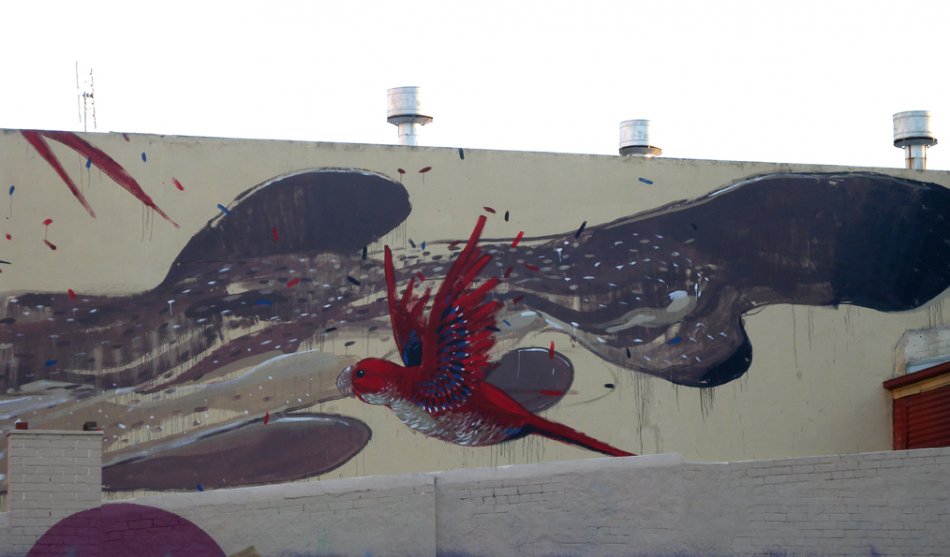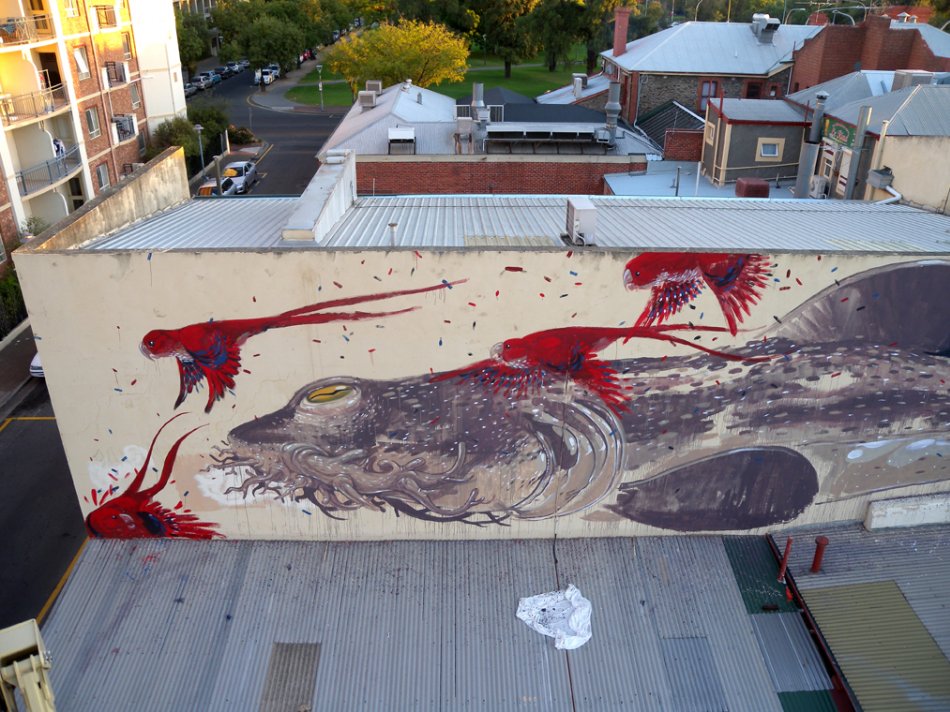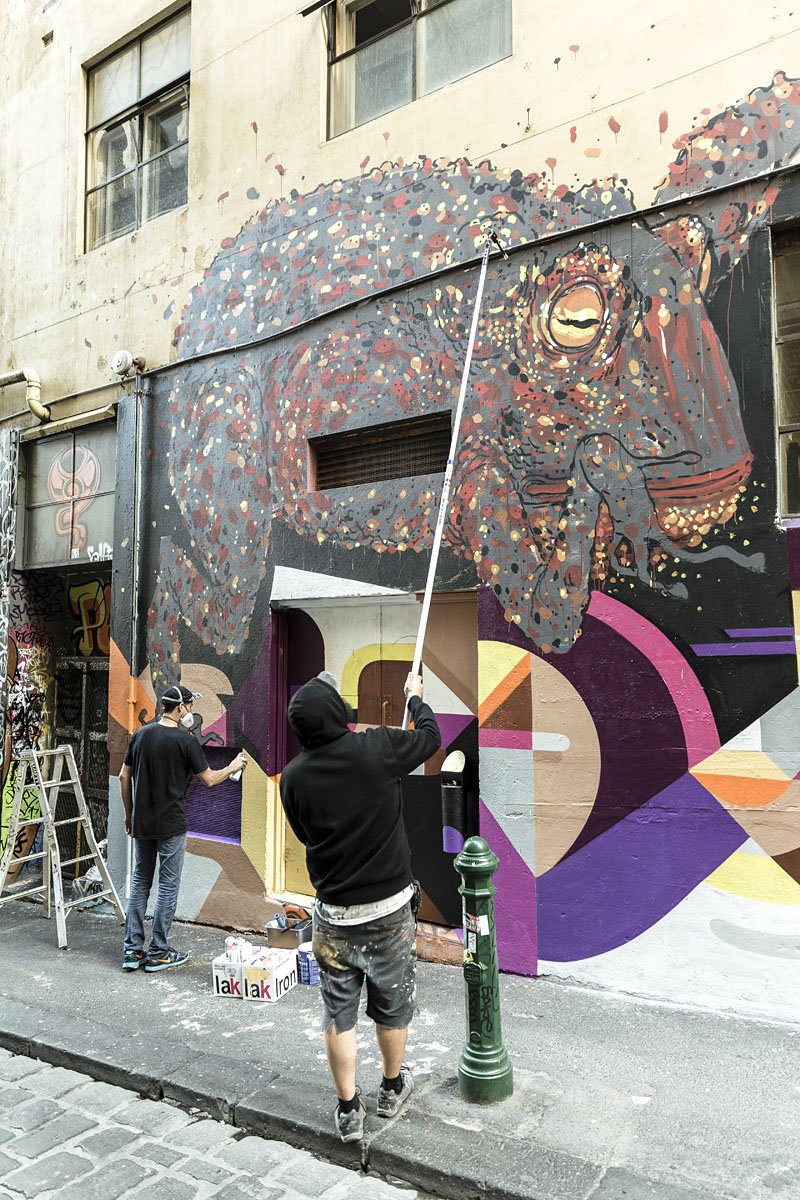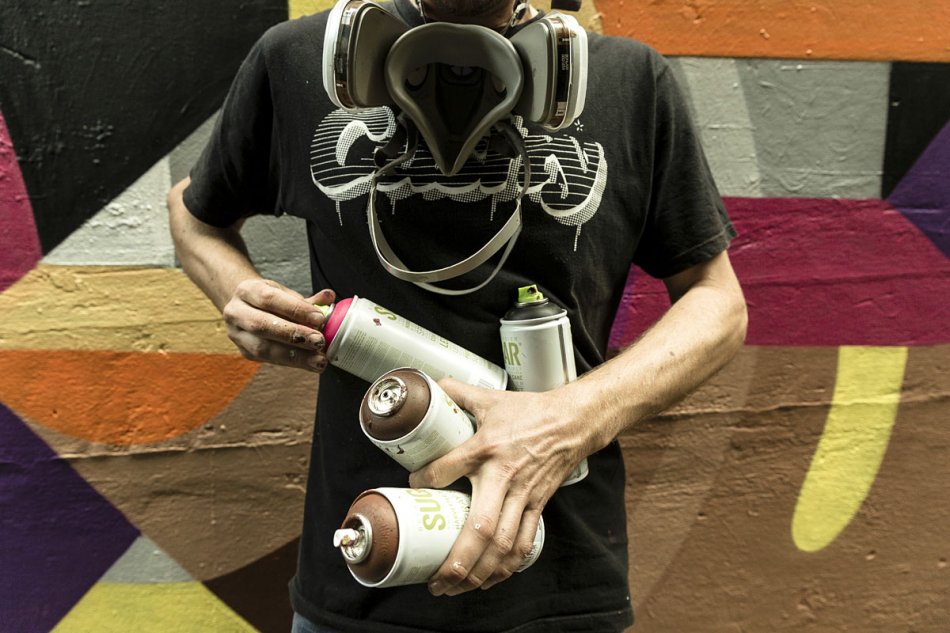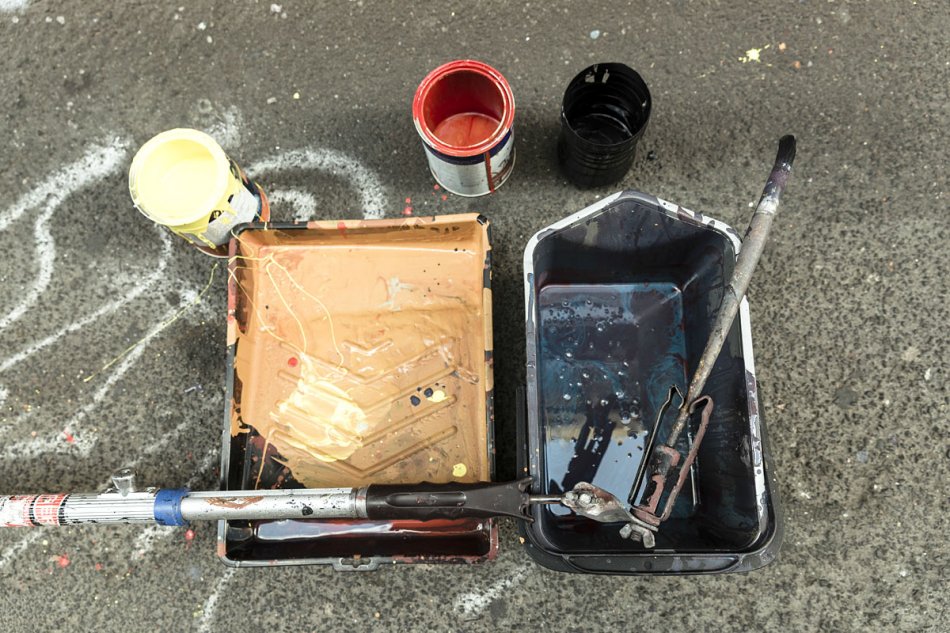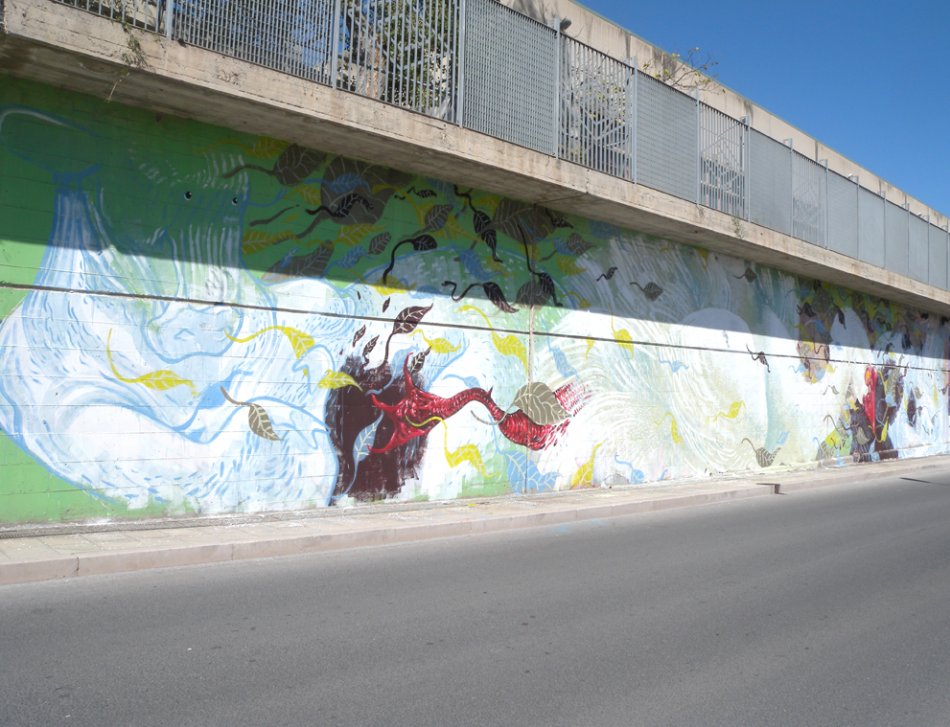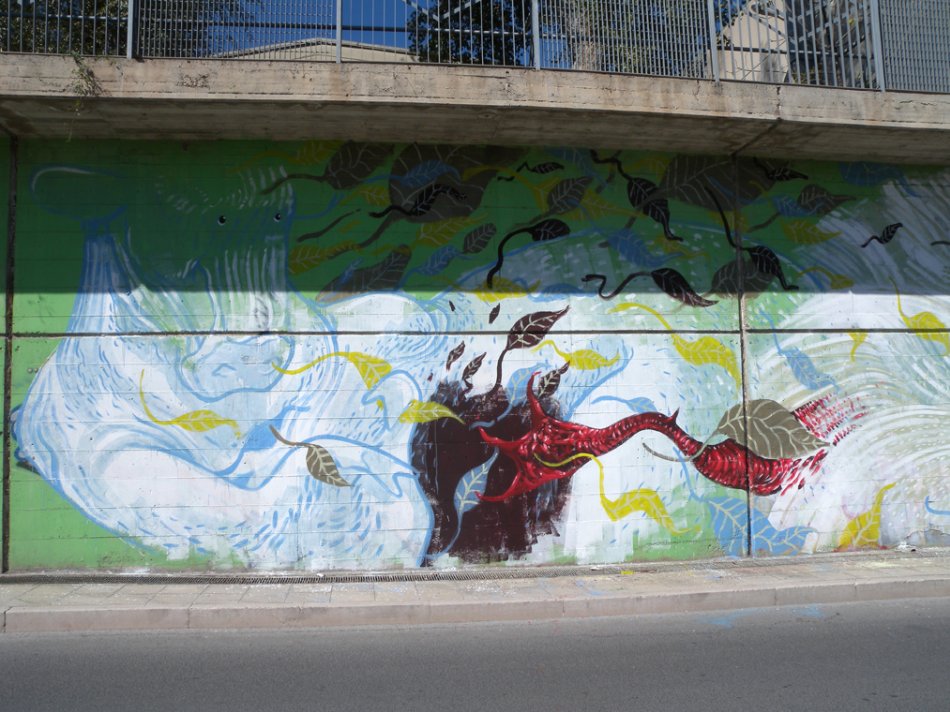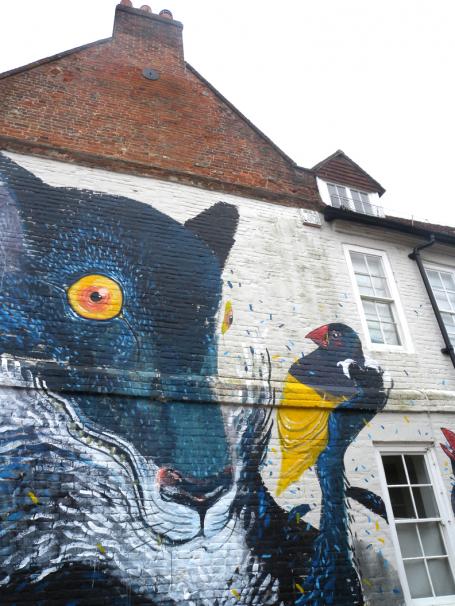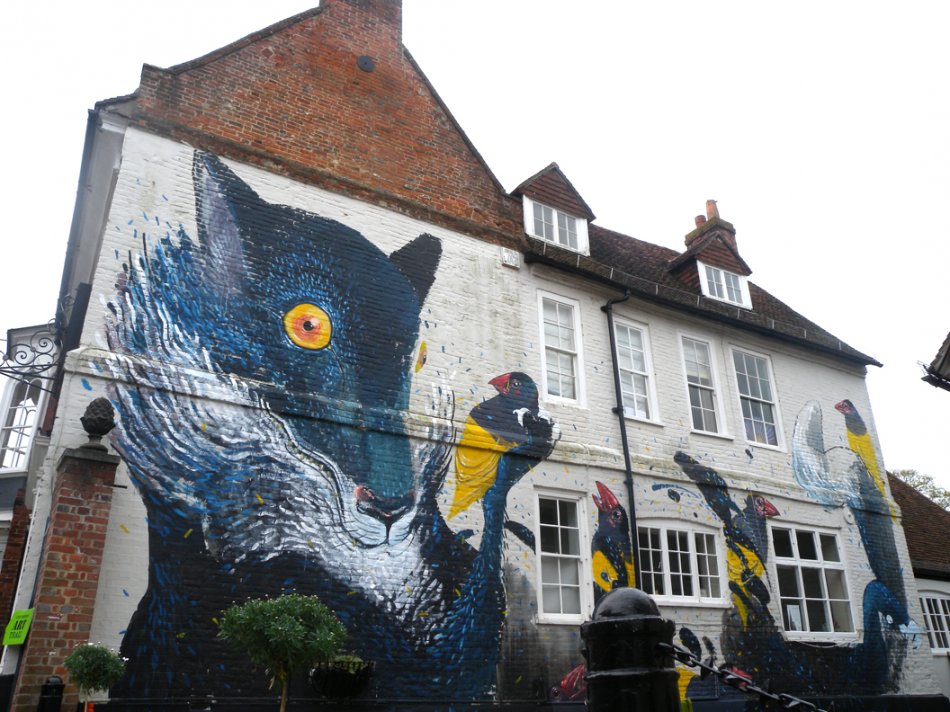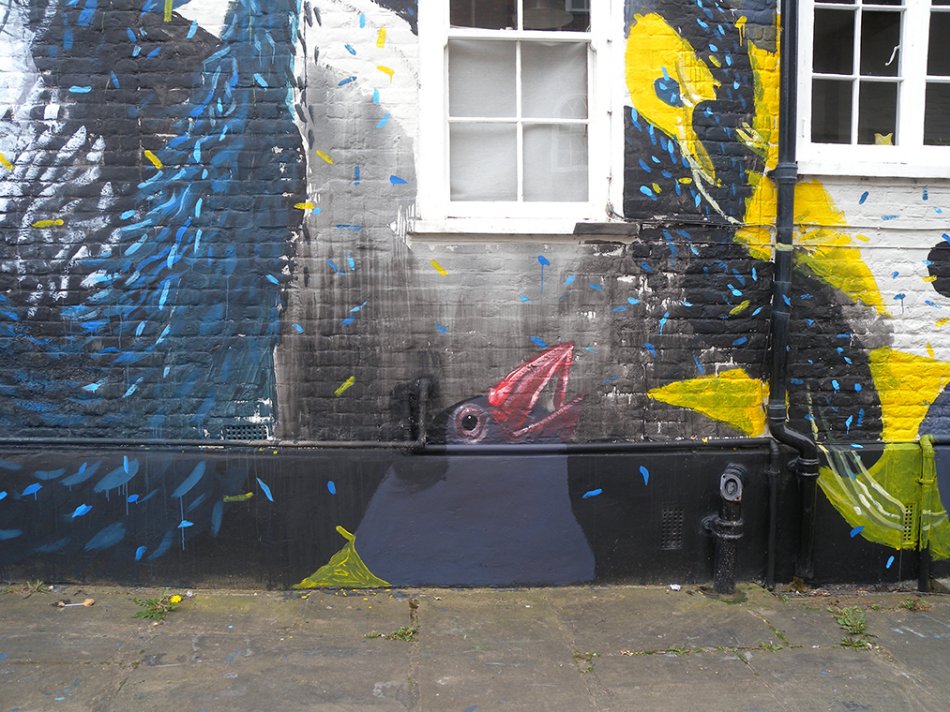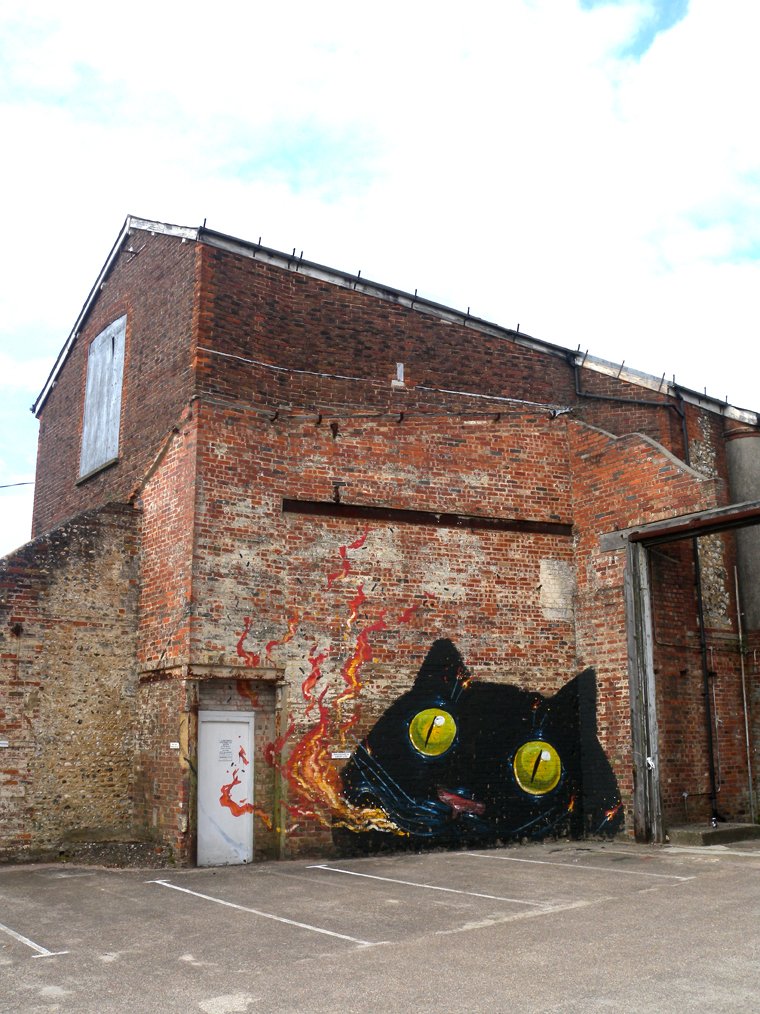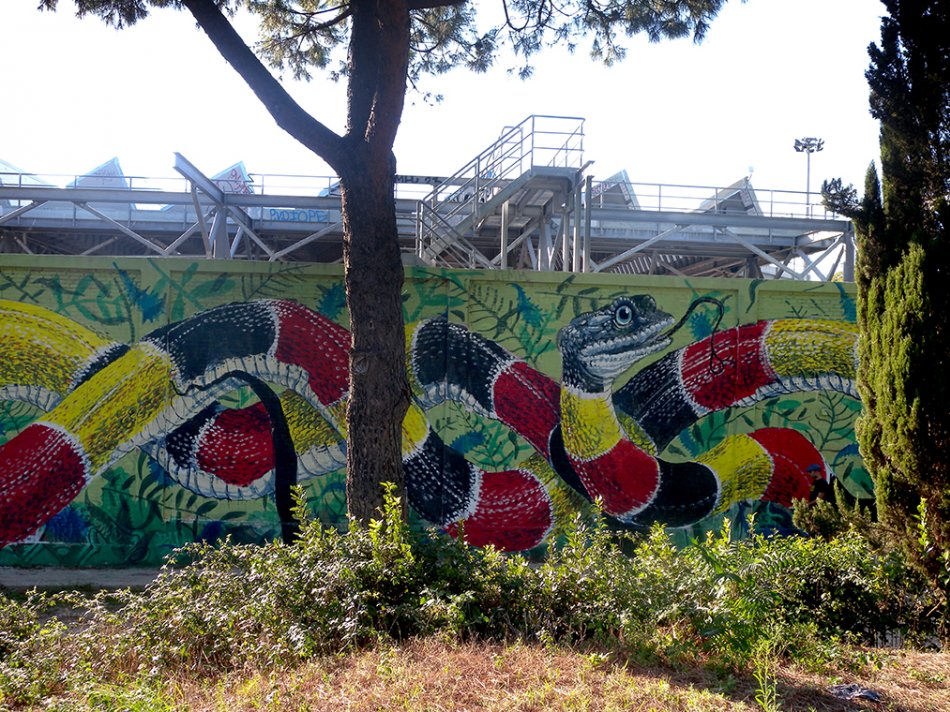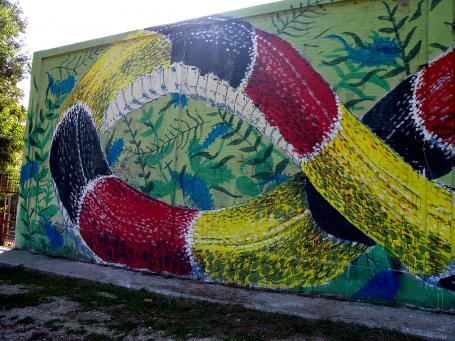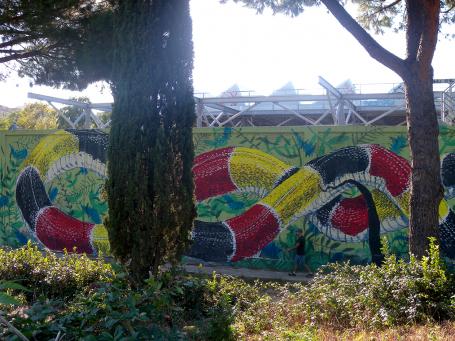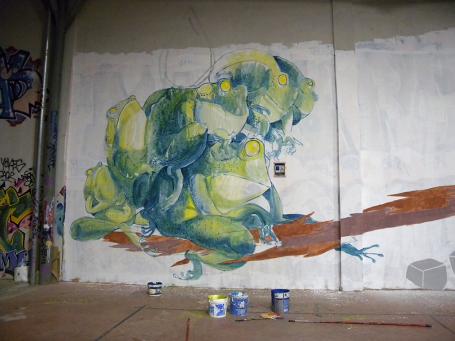
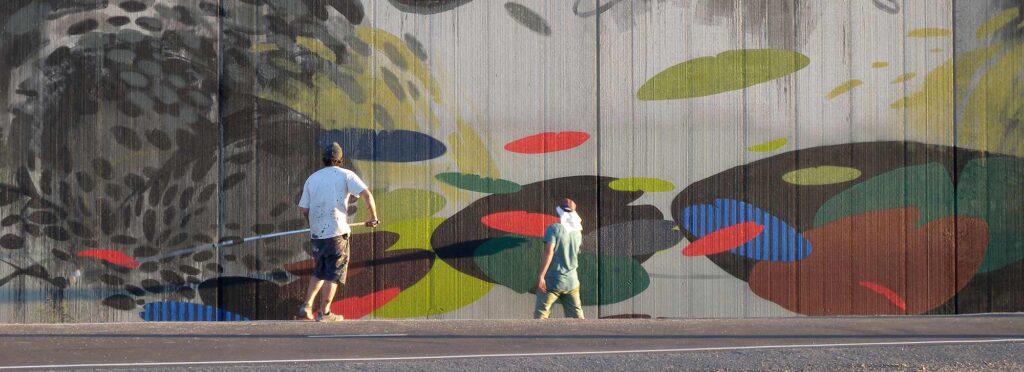
Australia (2014)
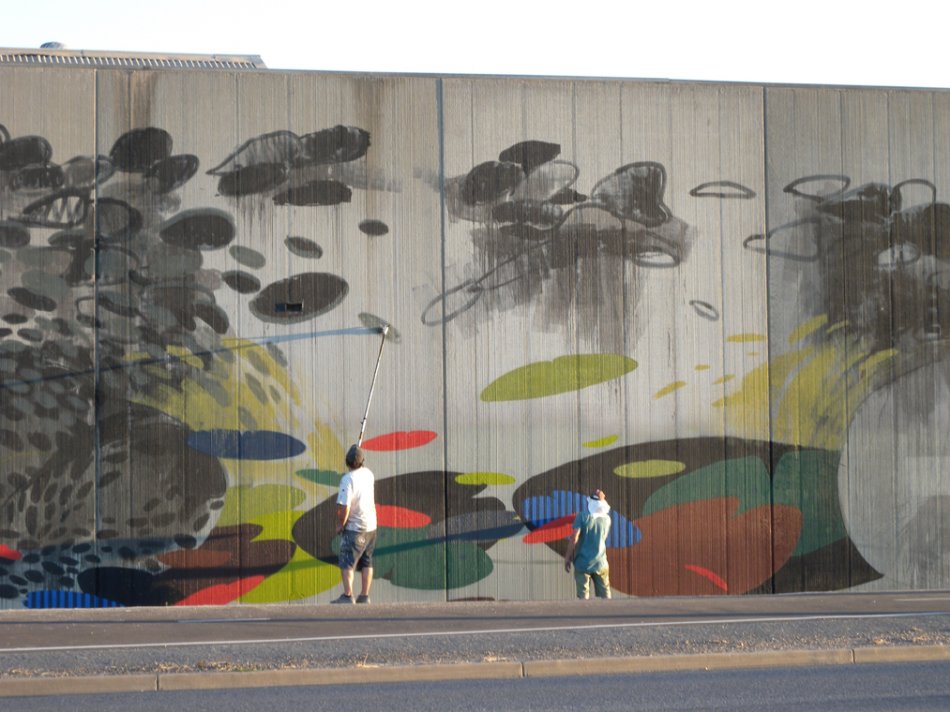
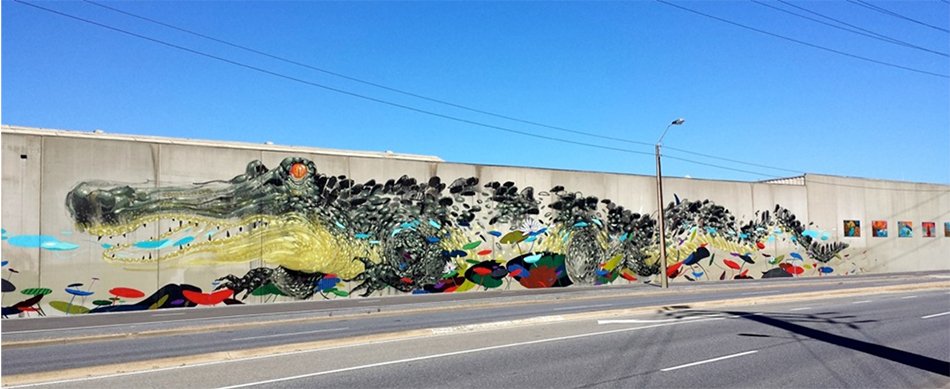
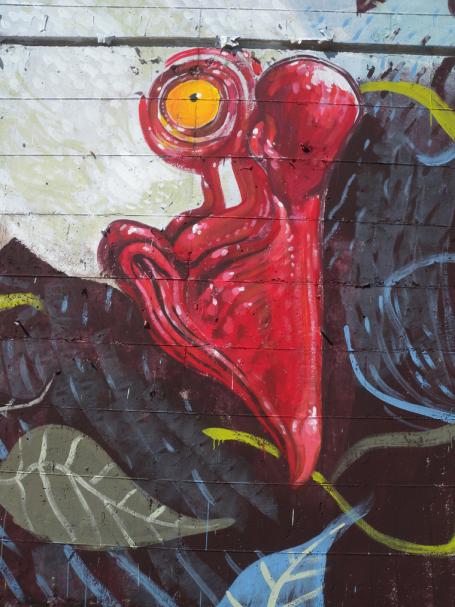
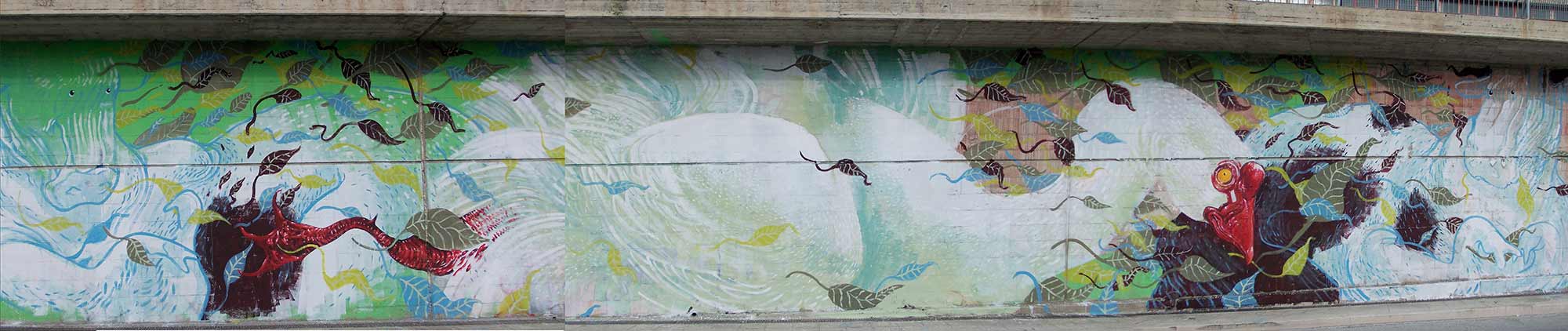
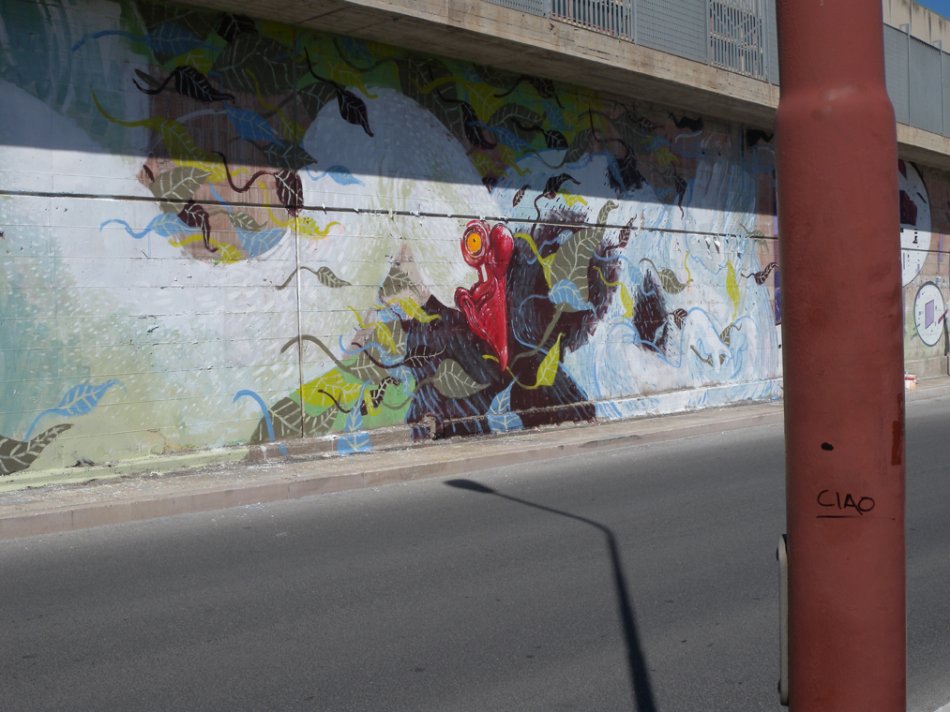
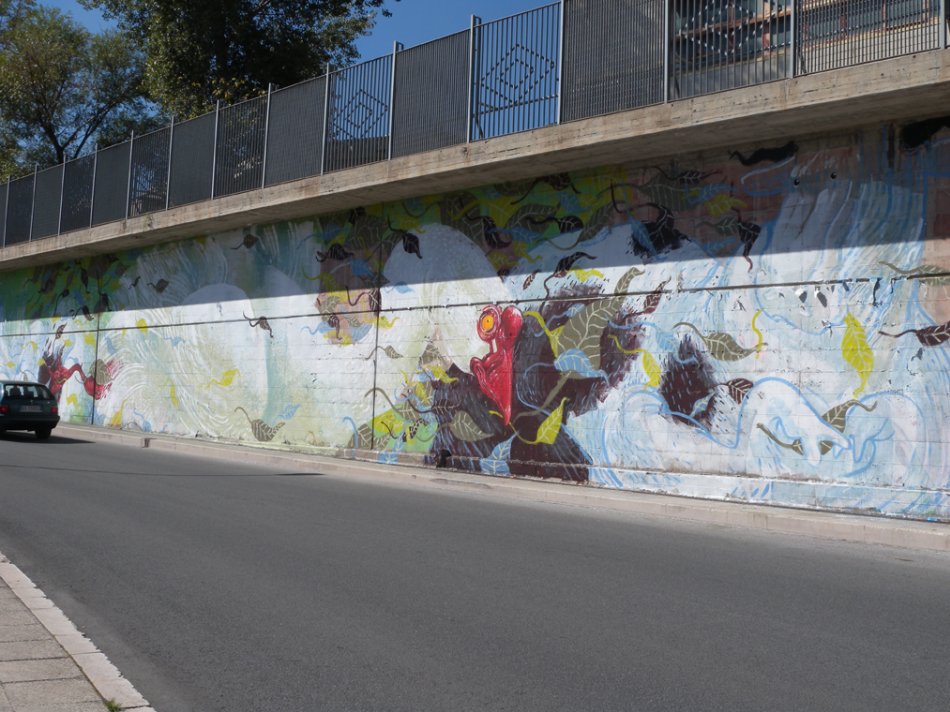
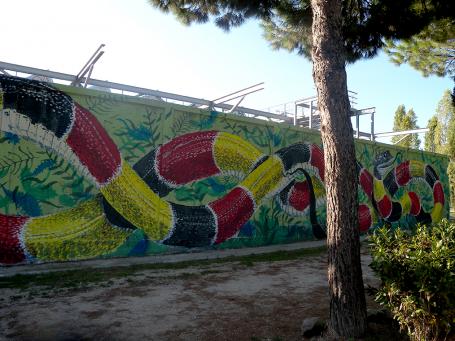
graffito
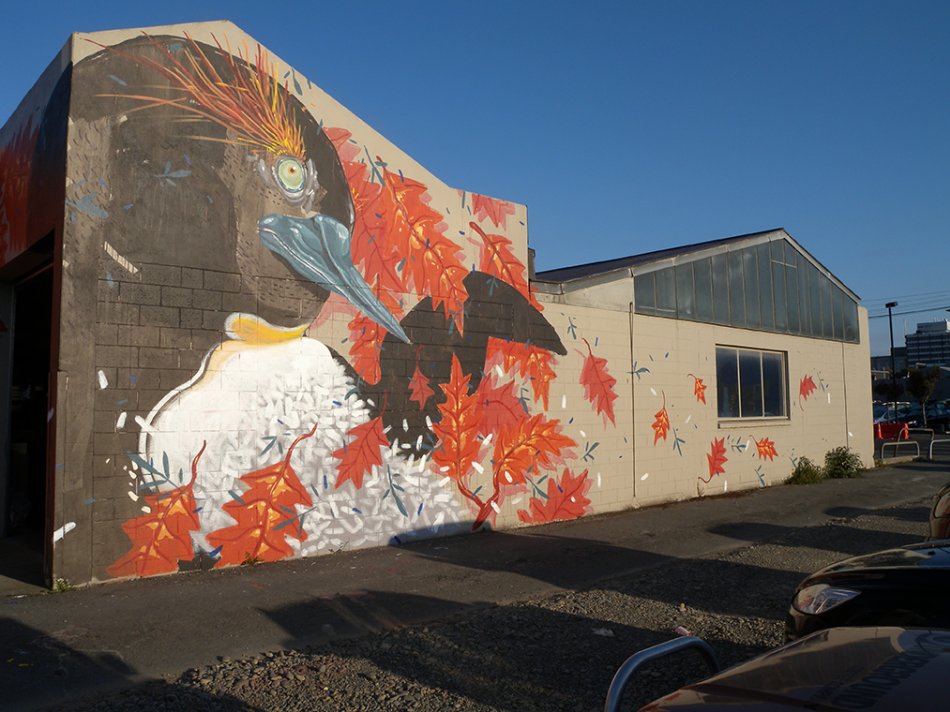
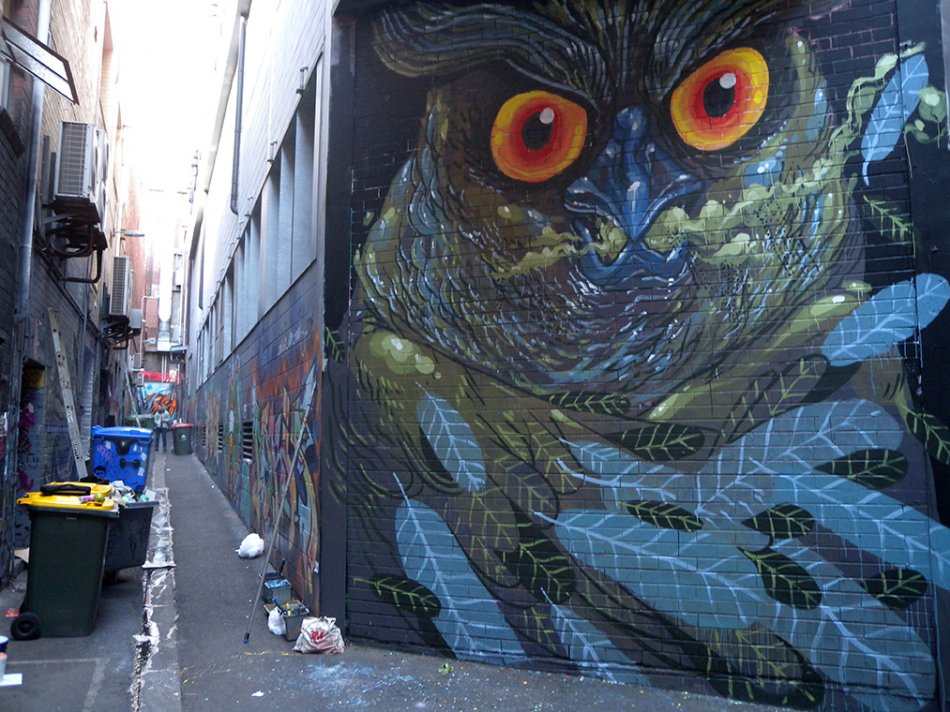
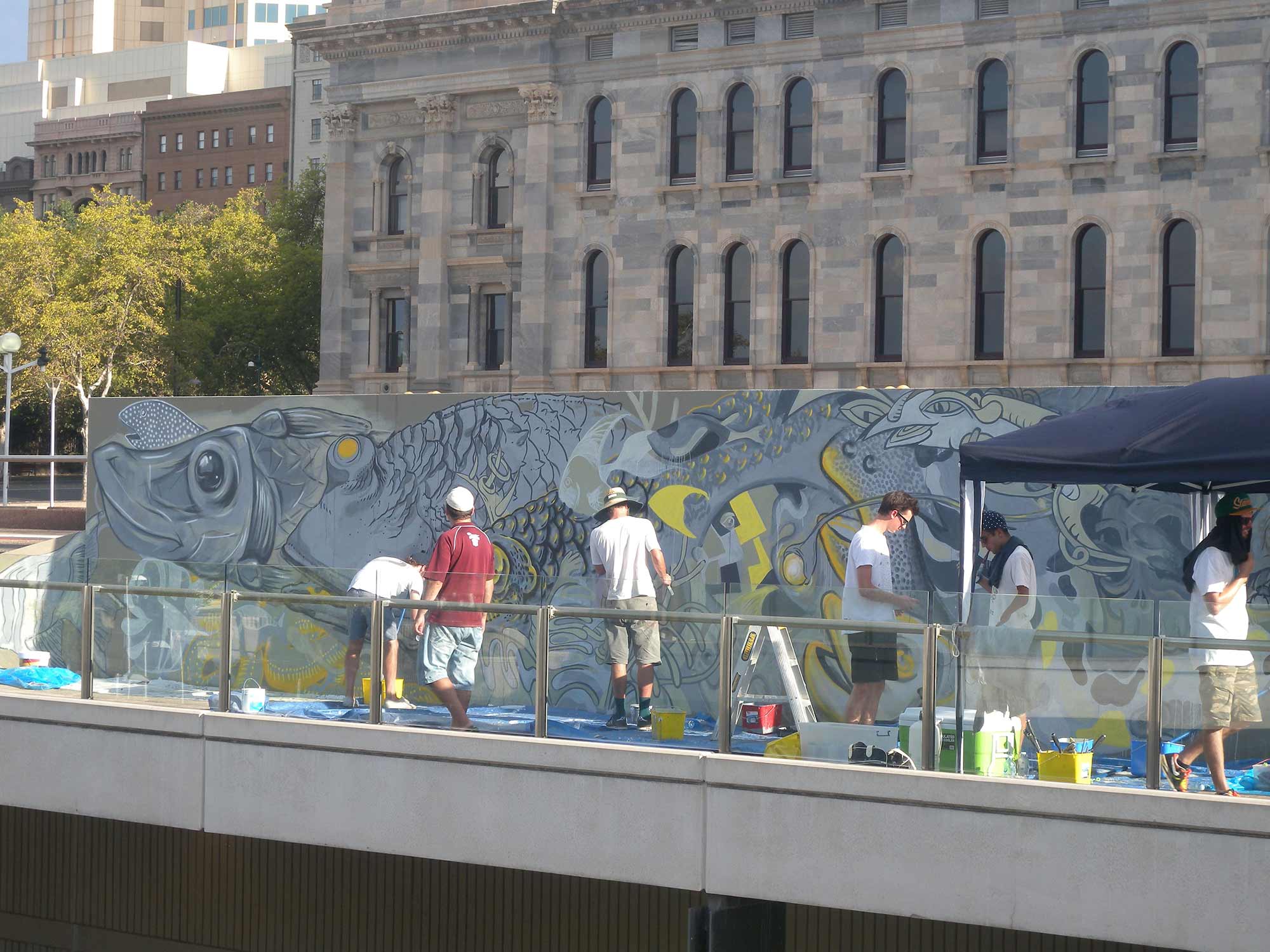
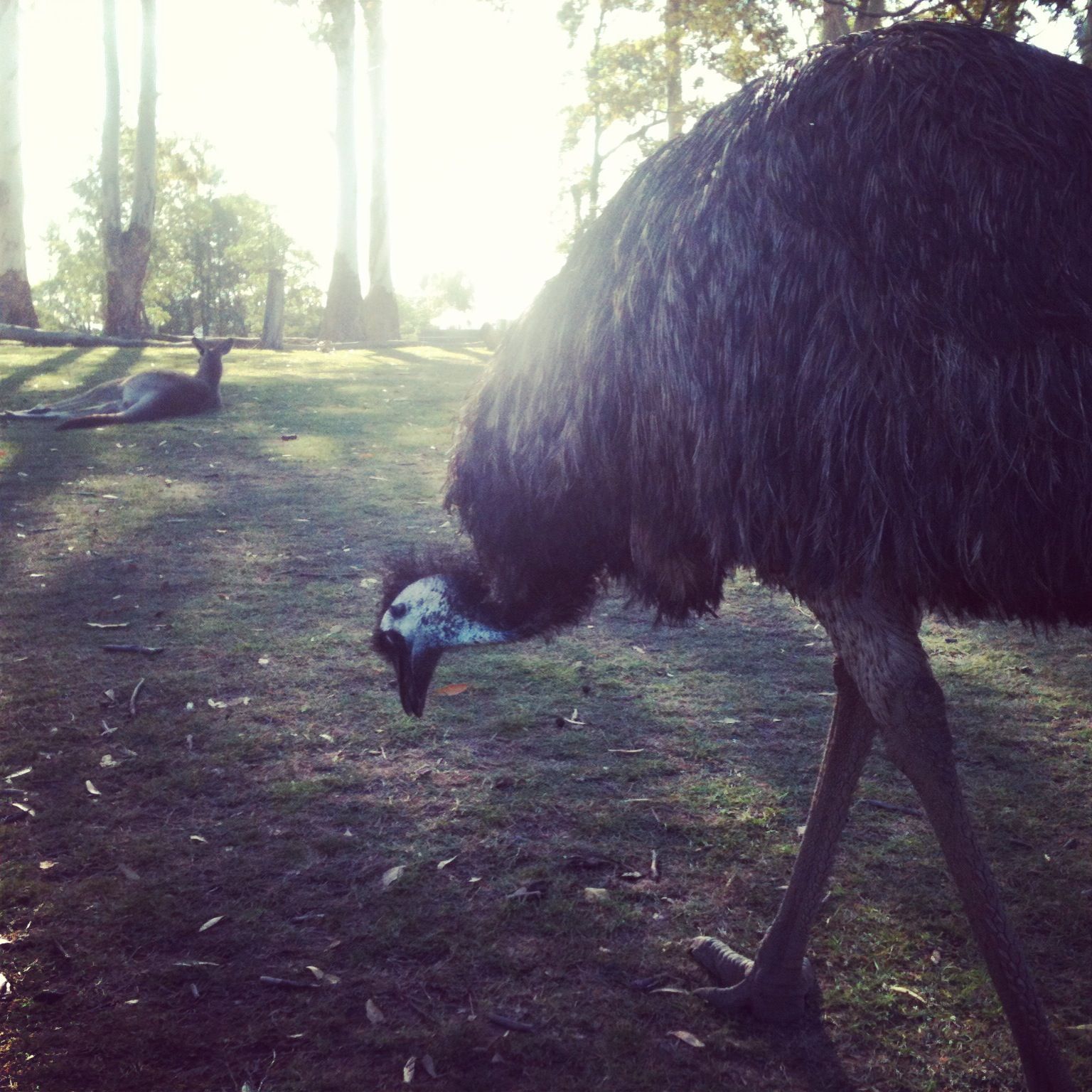
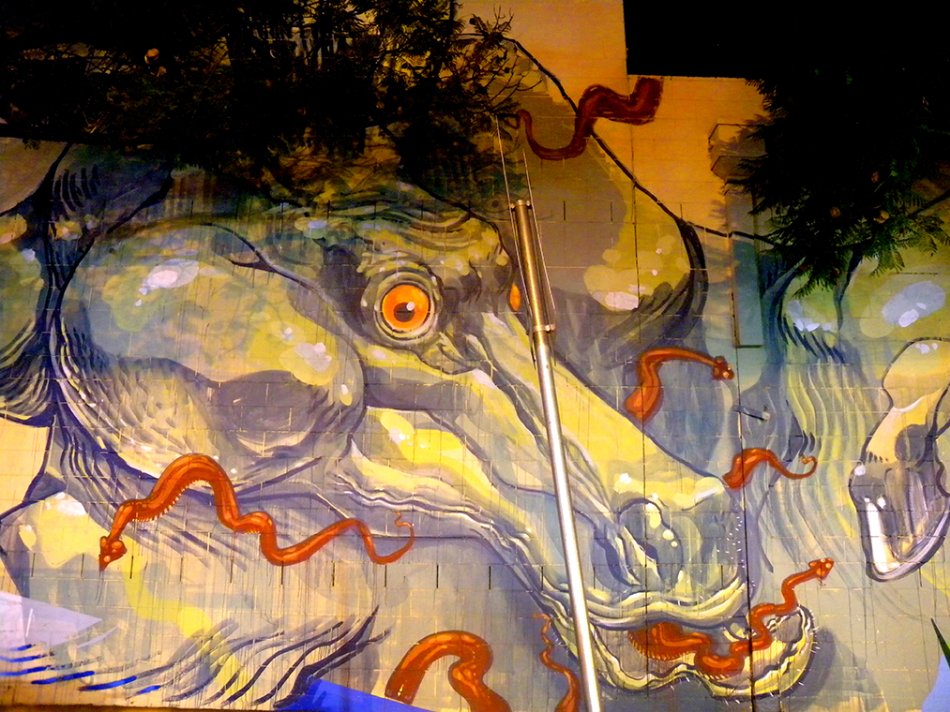
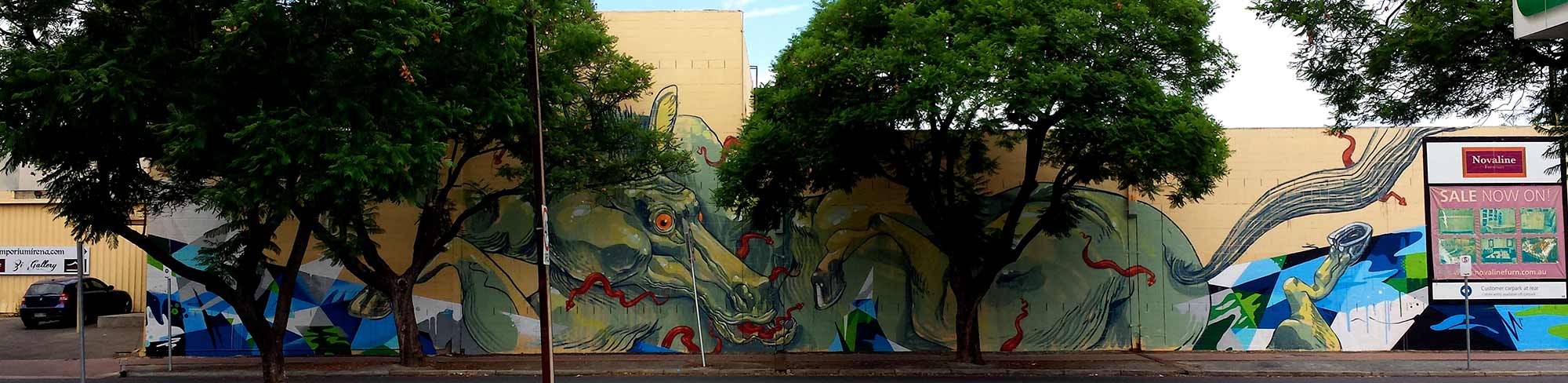
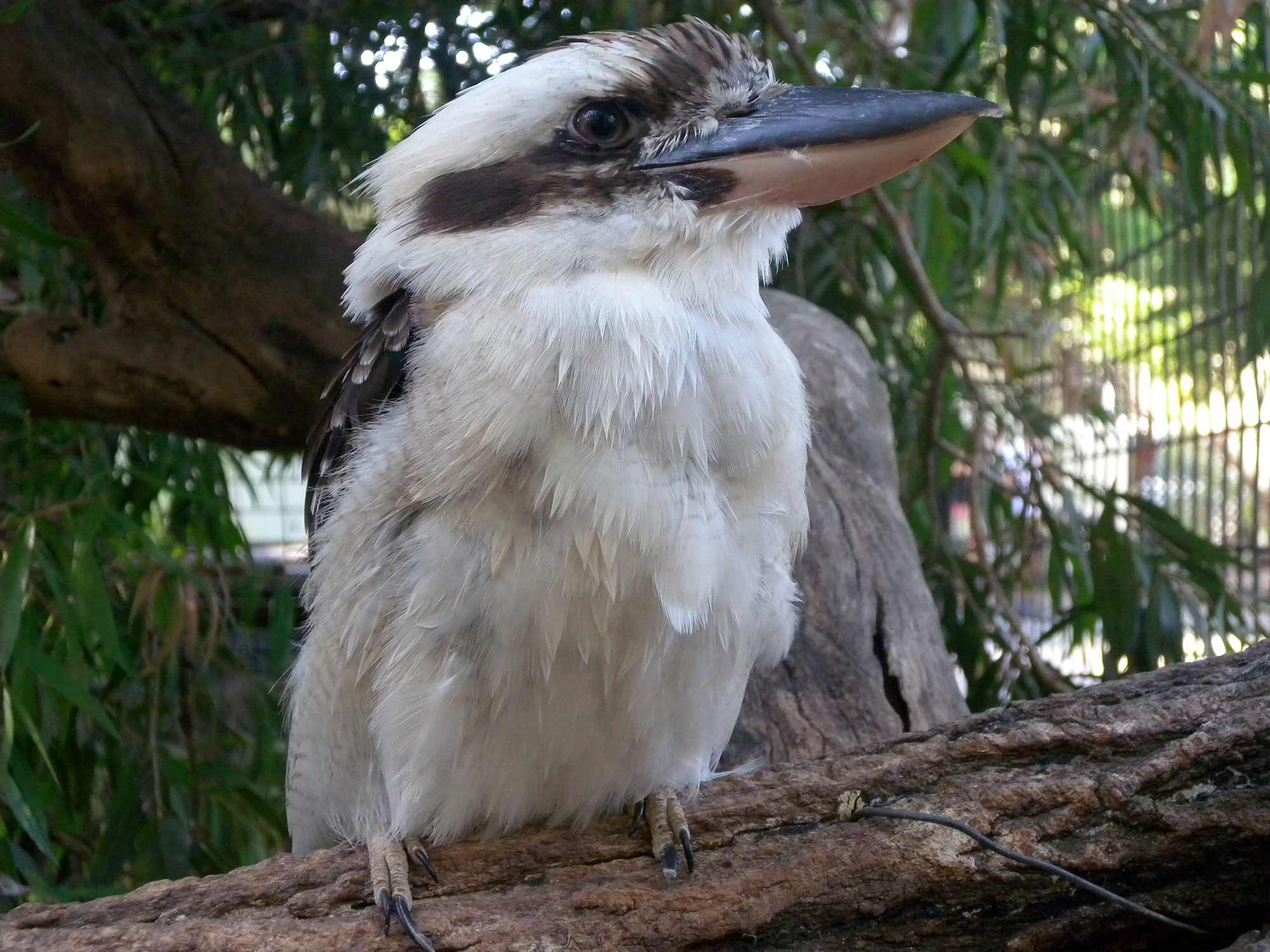
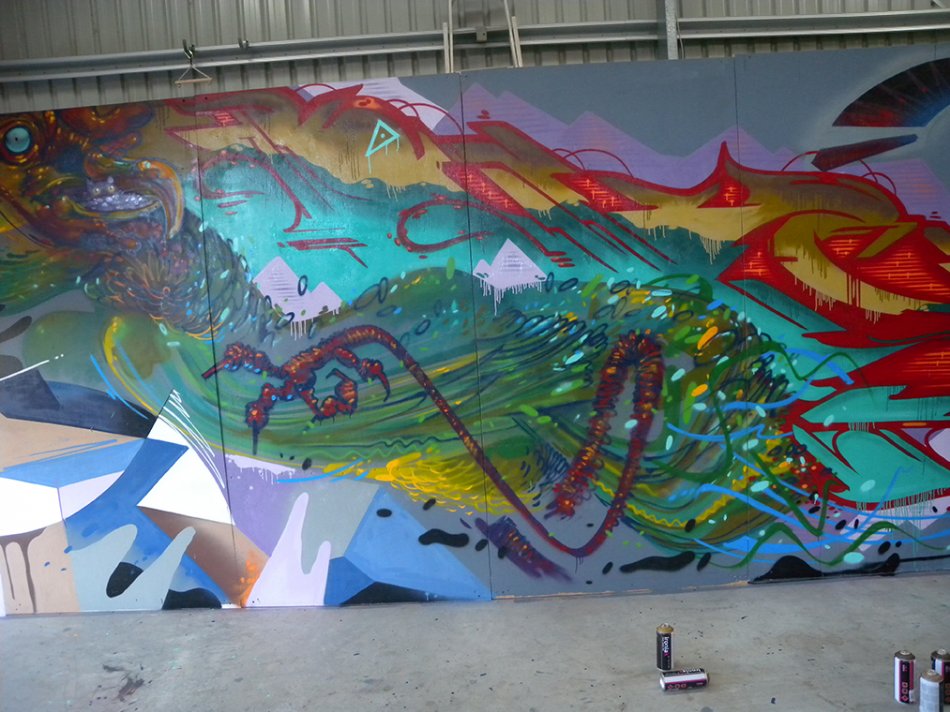
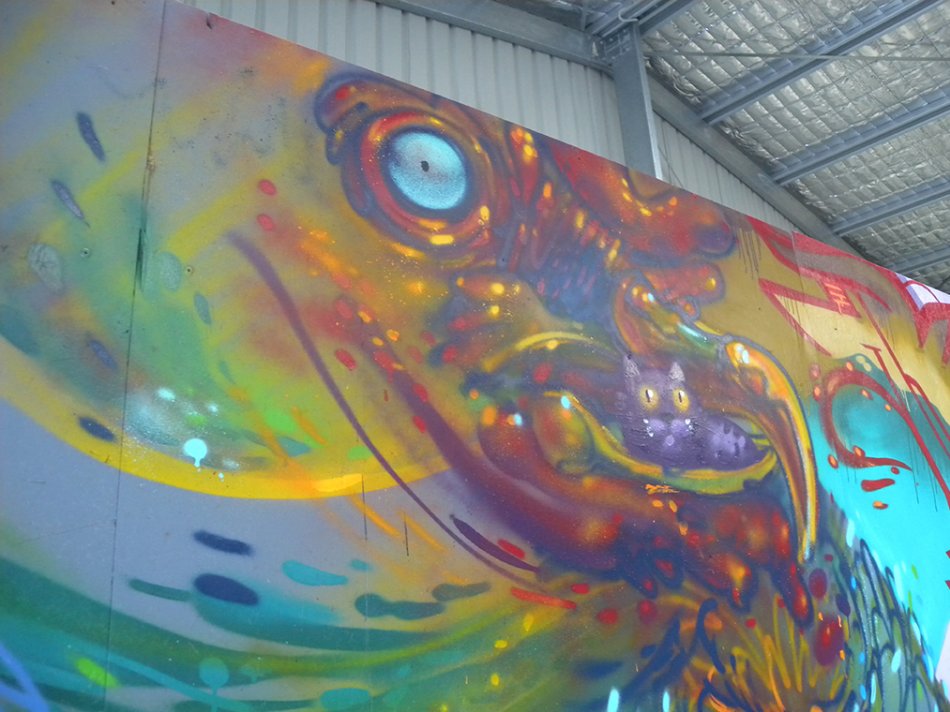
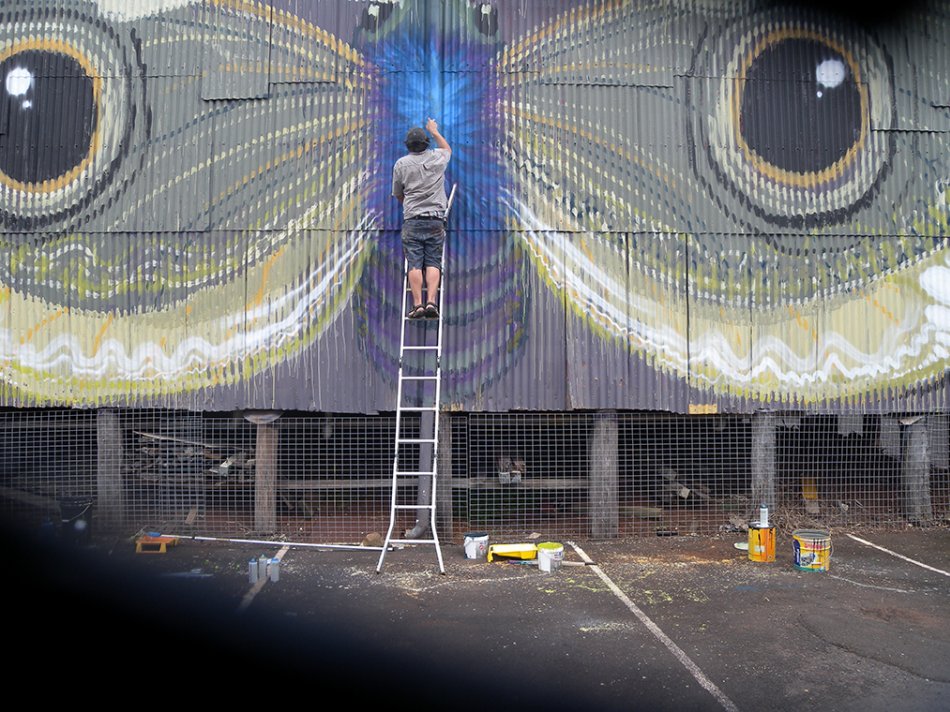
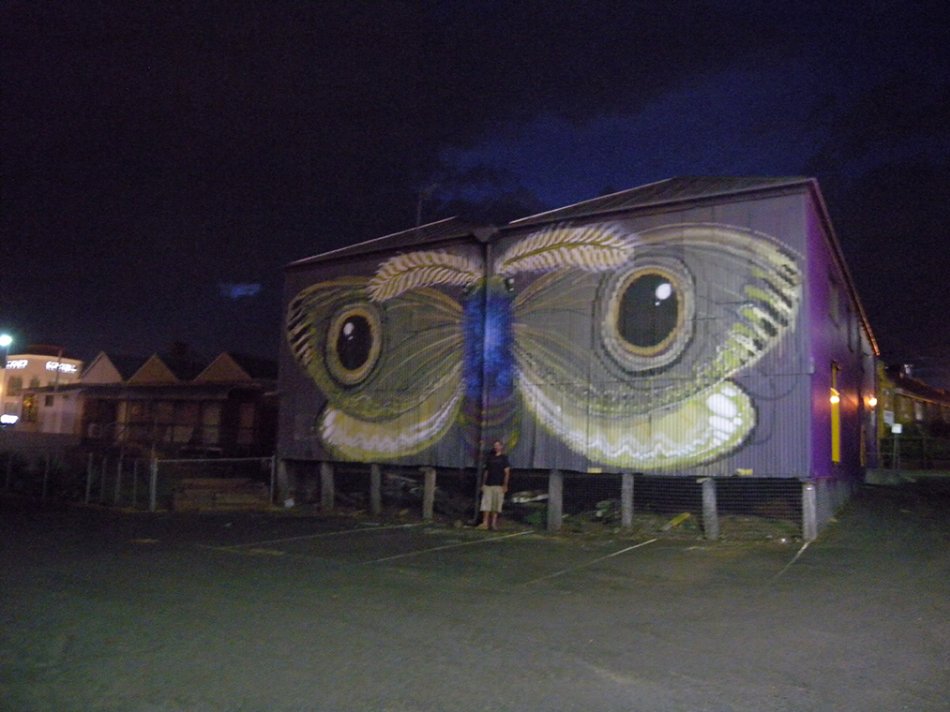
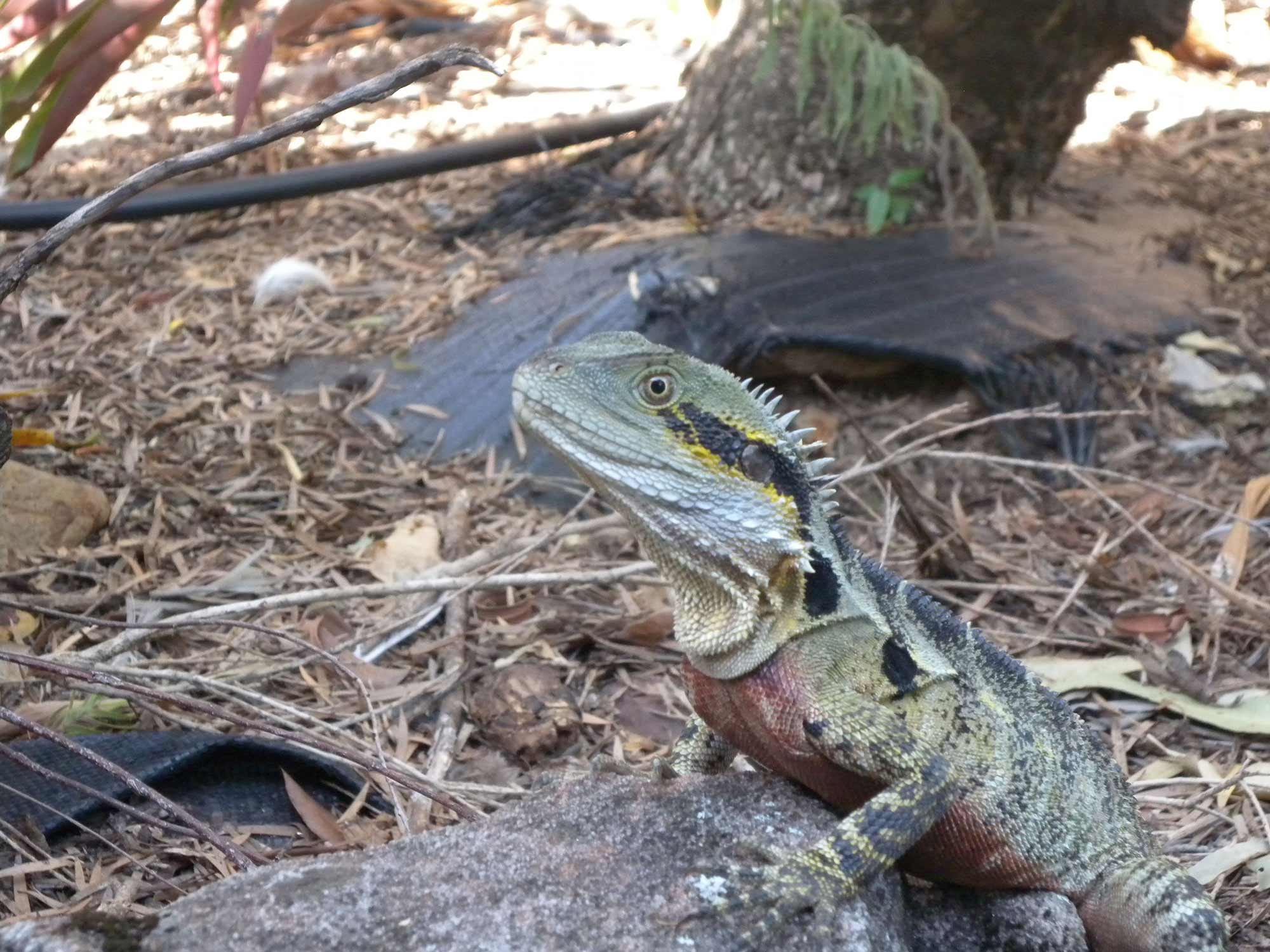
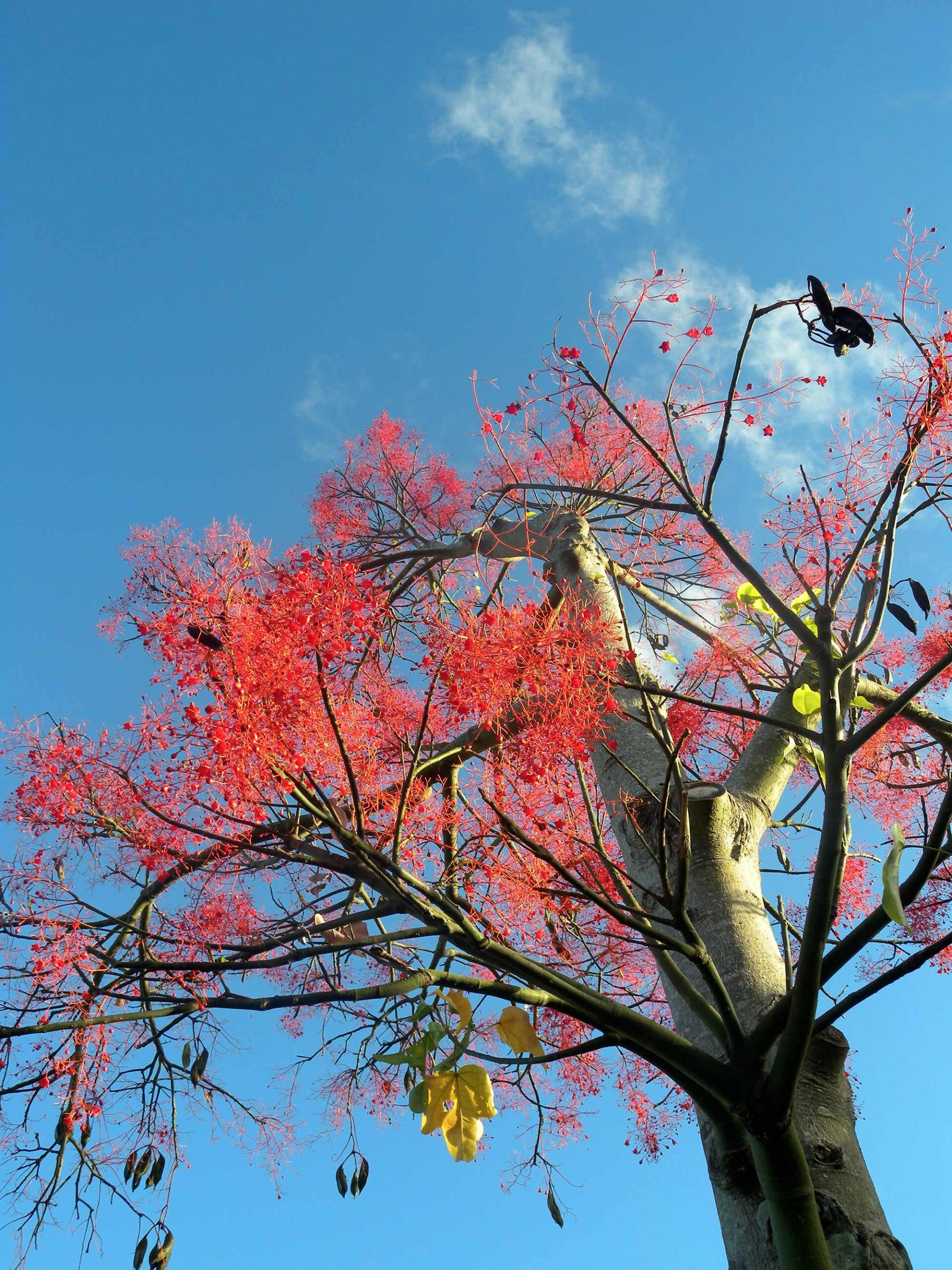
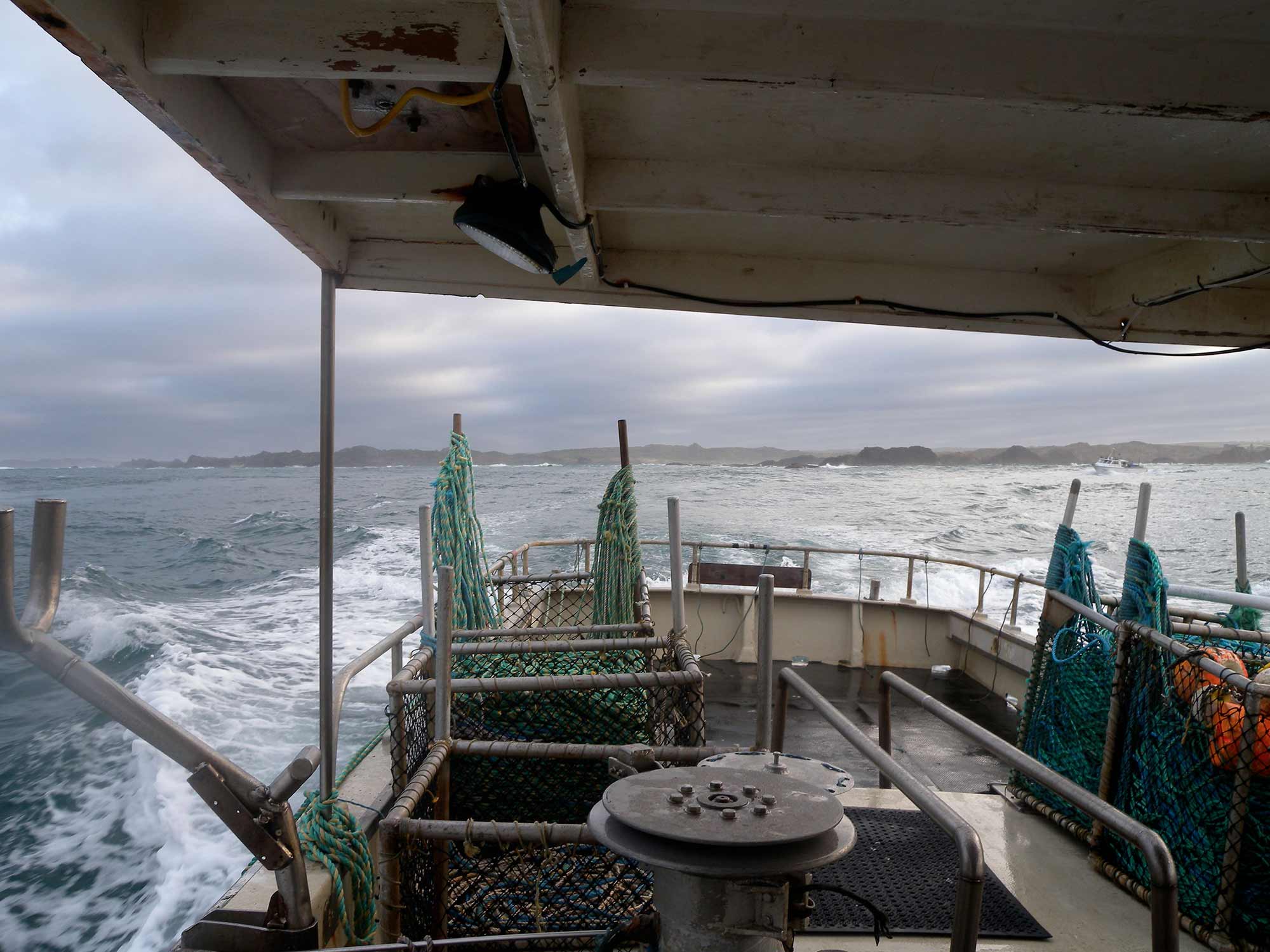
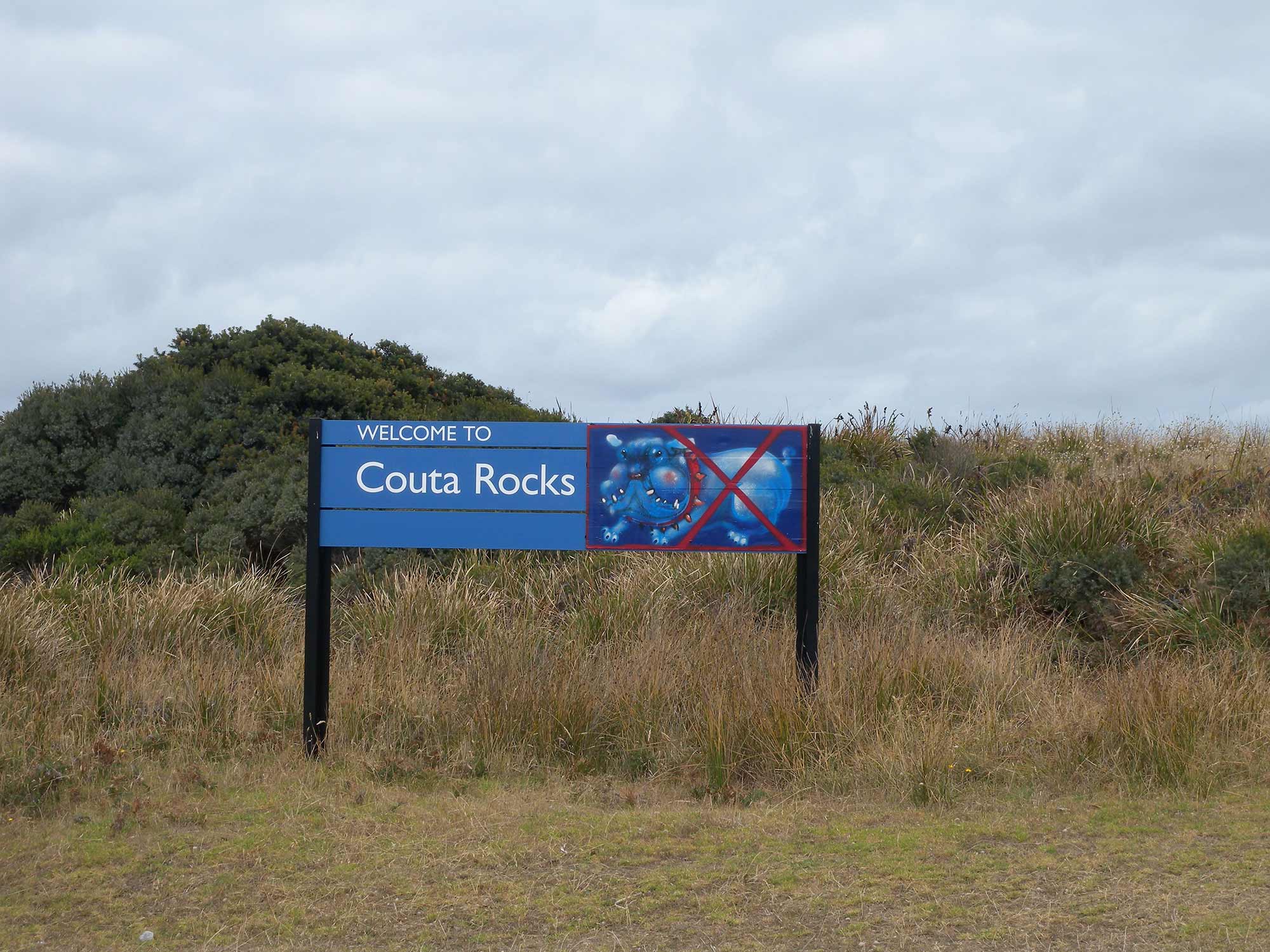
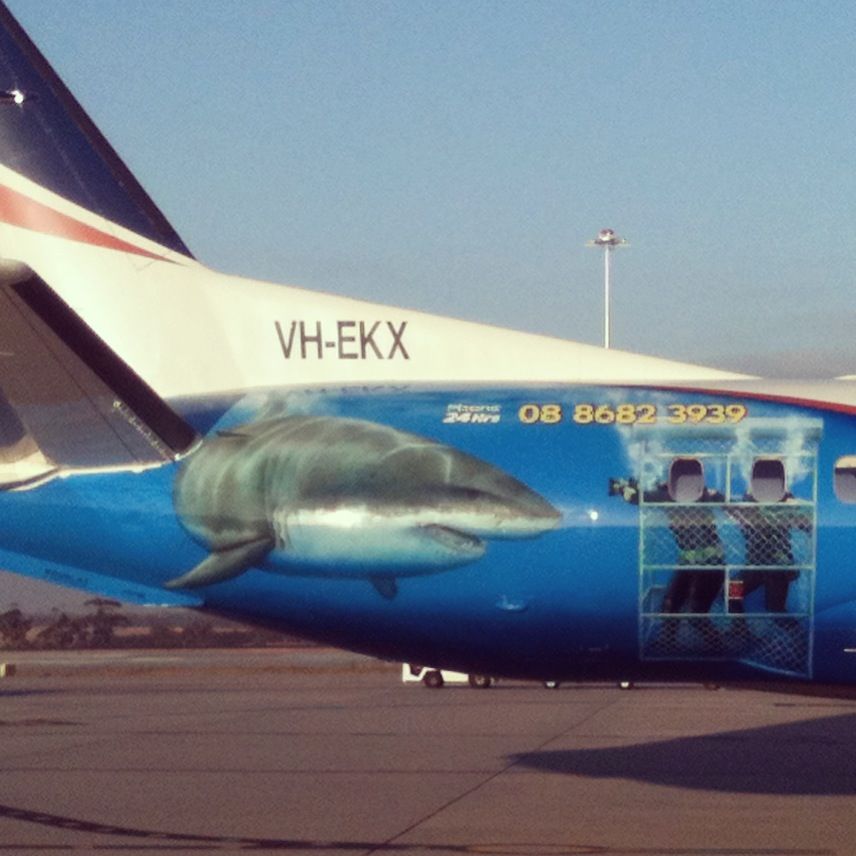
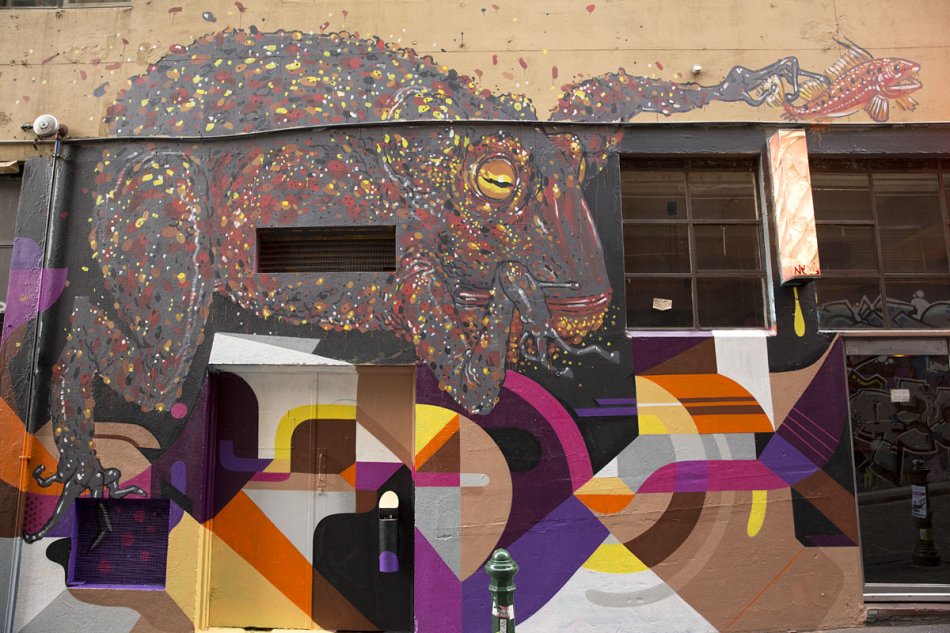
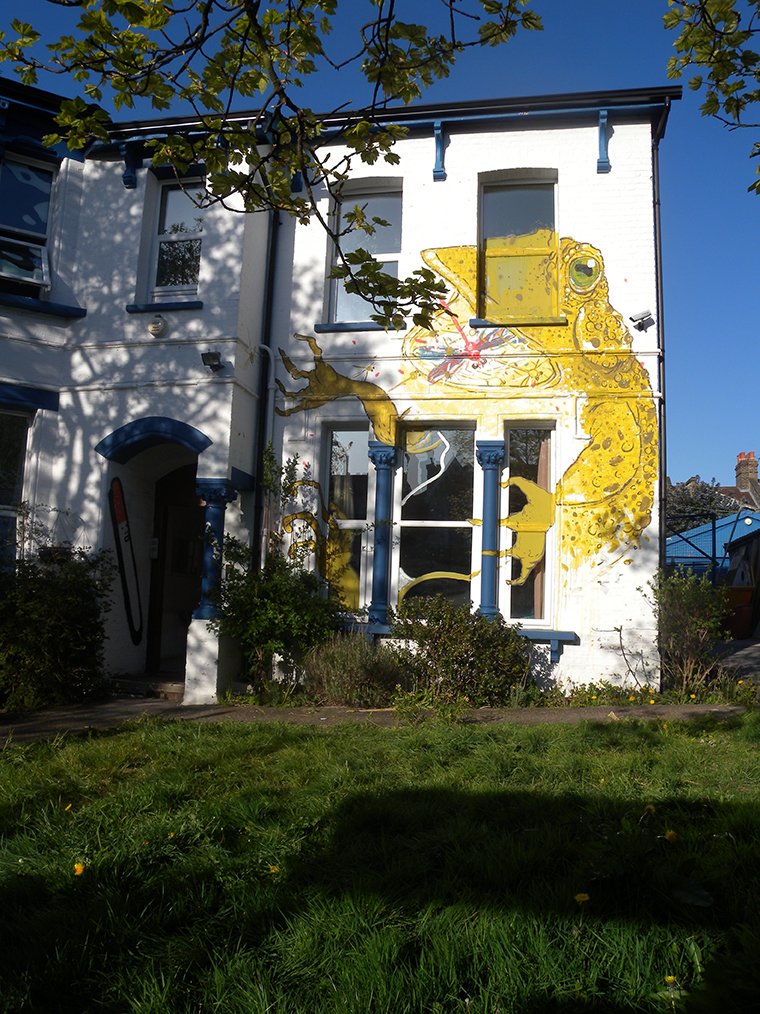
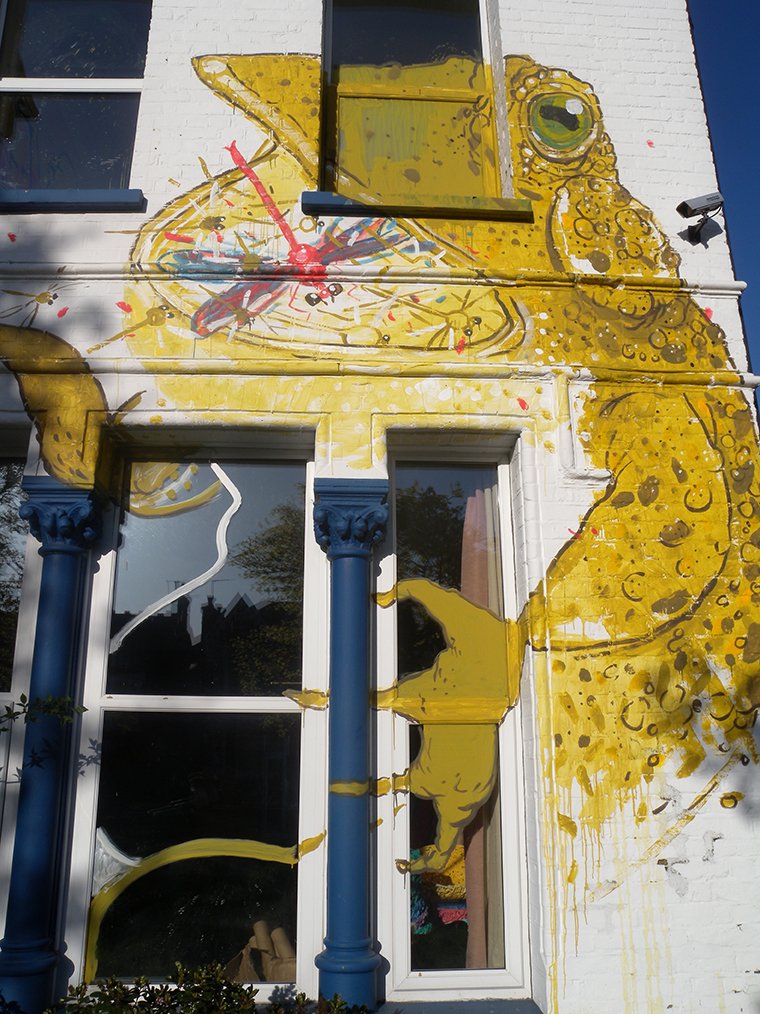
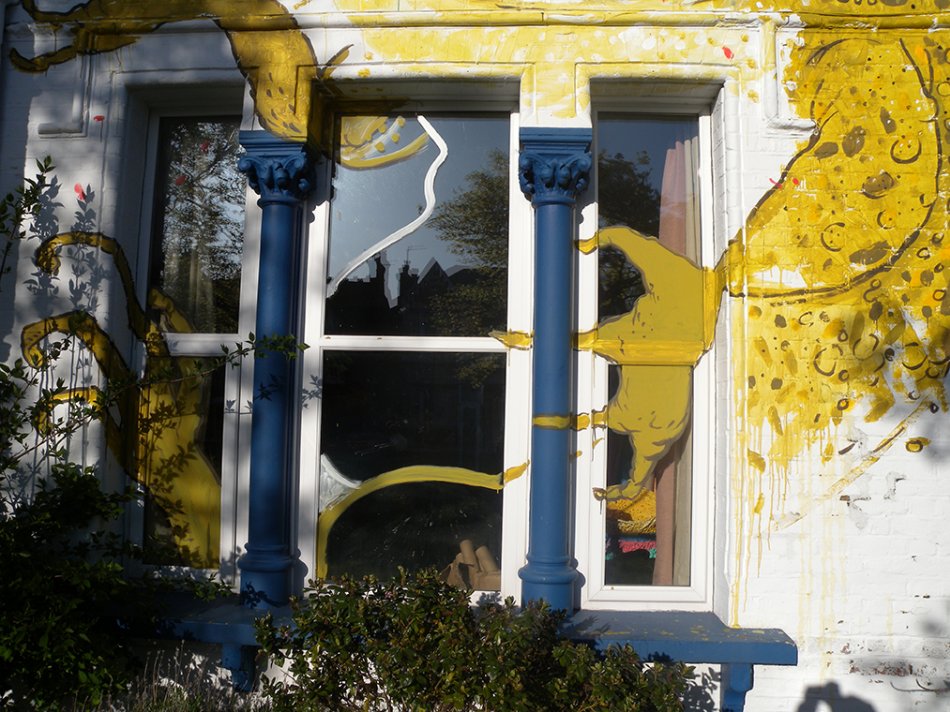
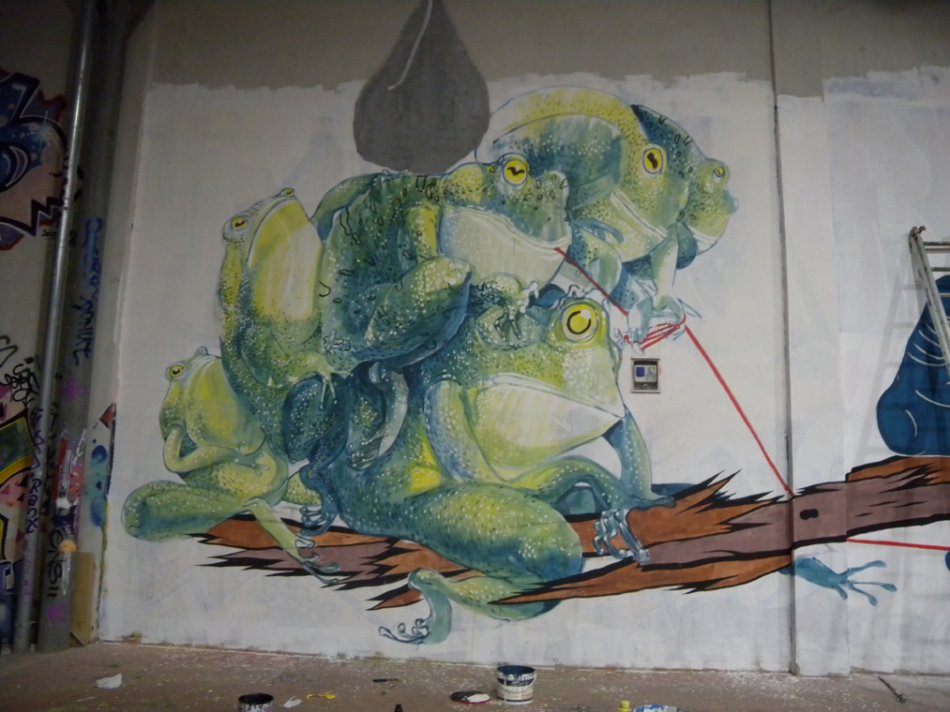
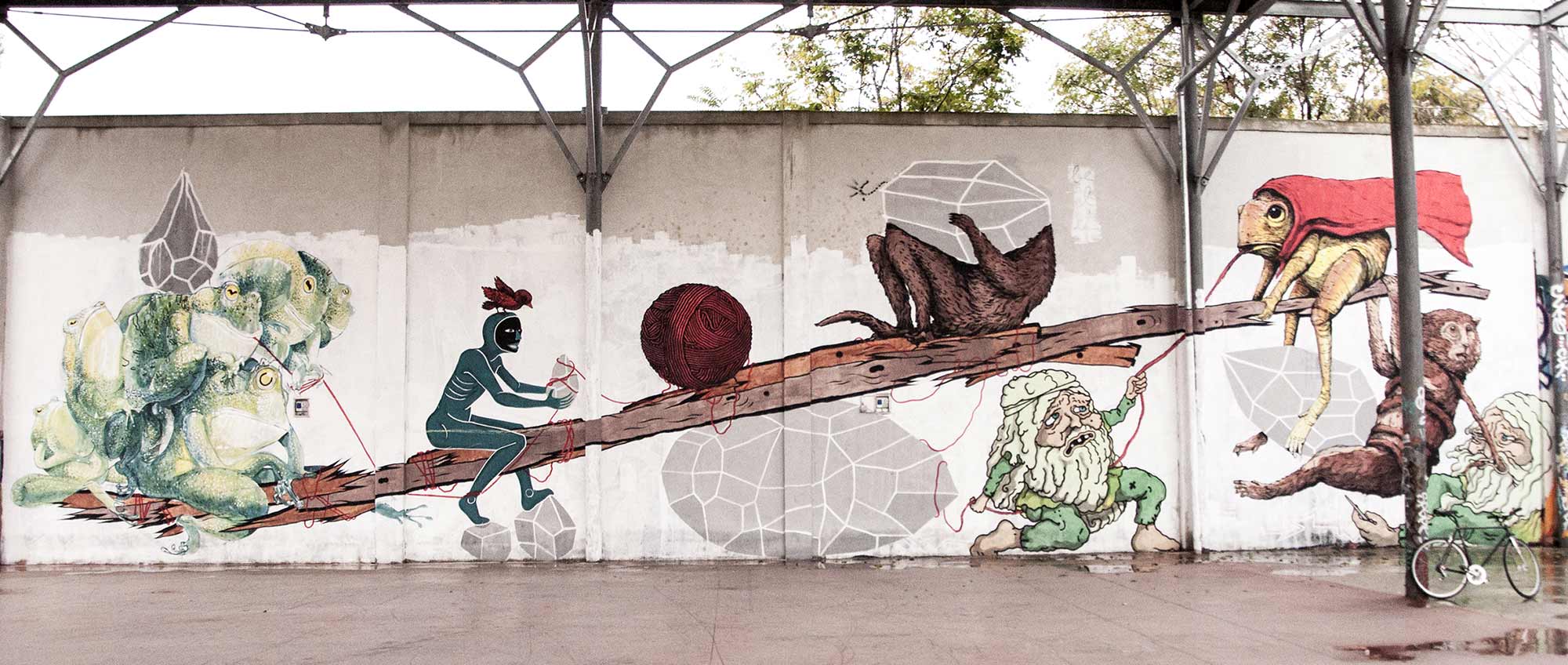
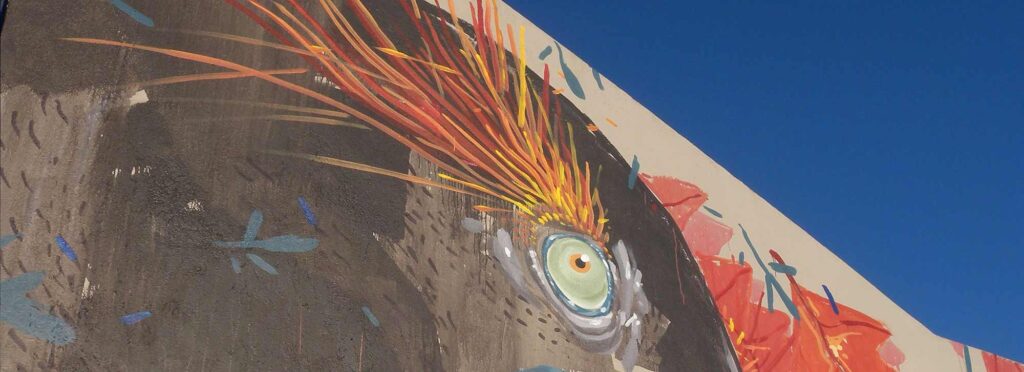
January-February-March 2014 I came back to Australia … paint and adventure
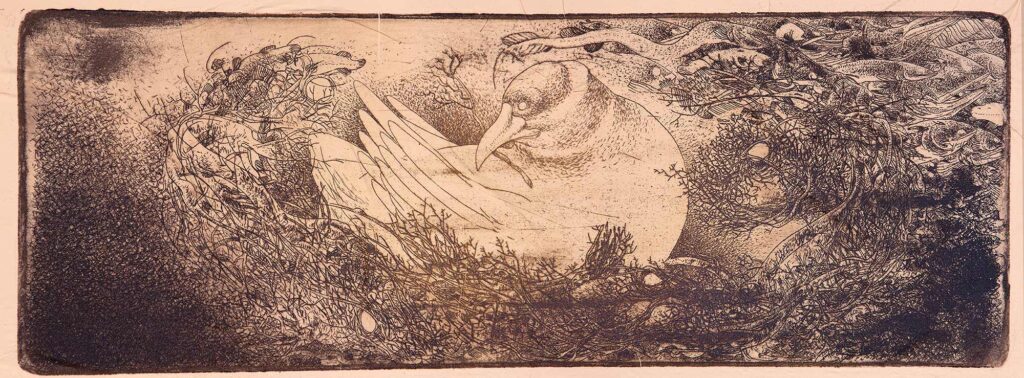
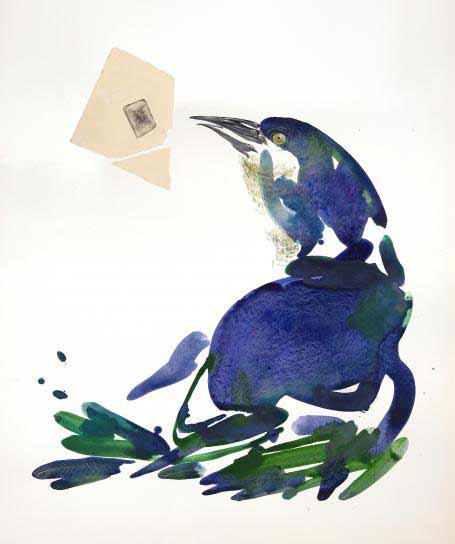
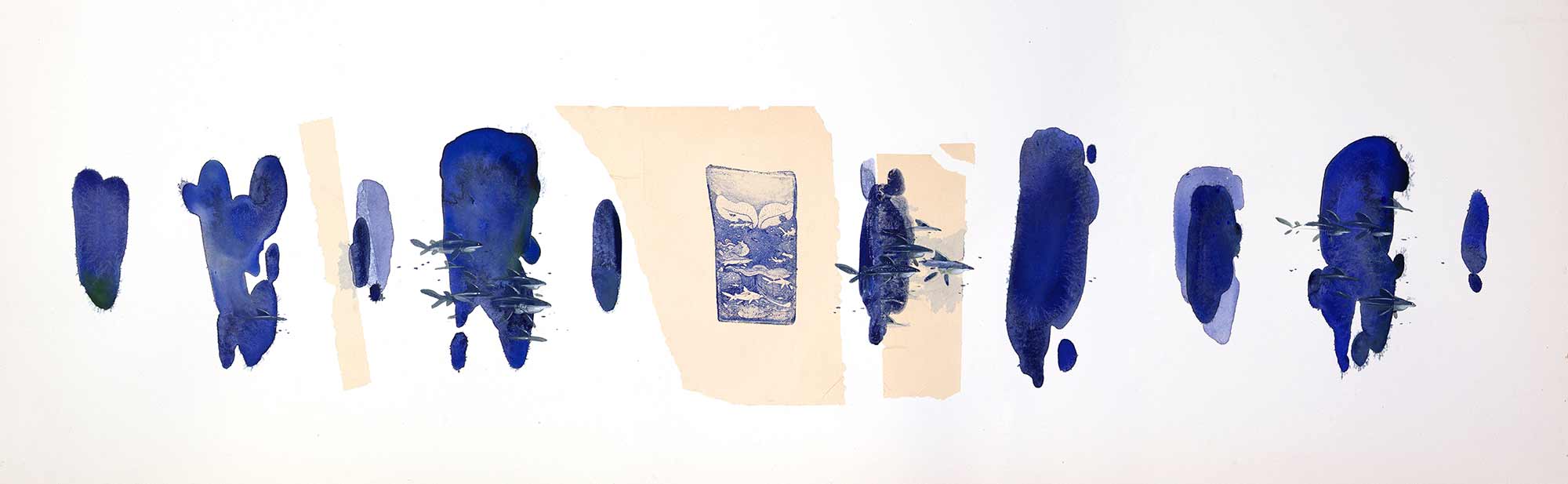
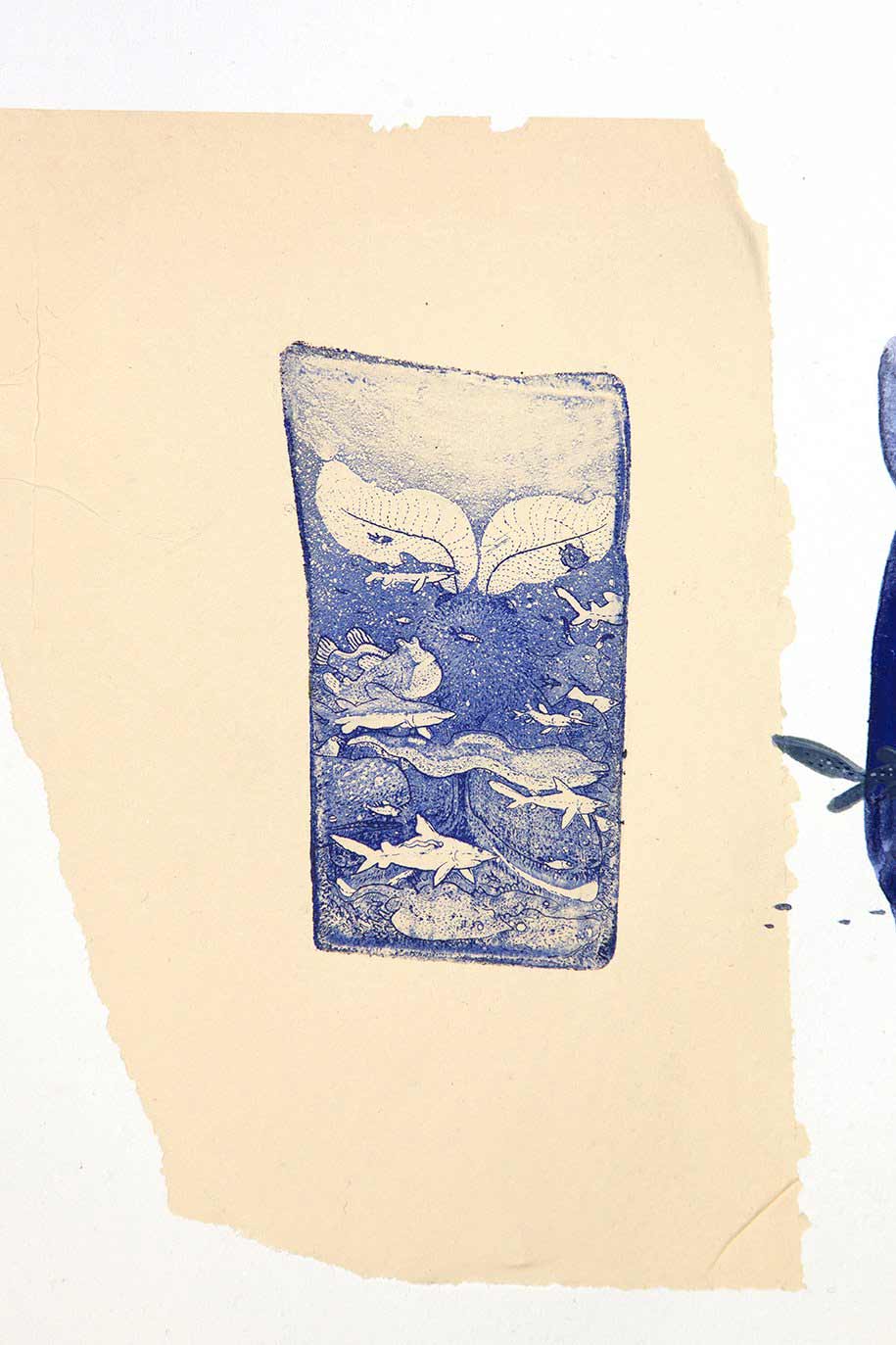
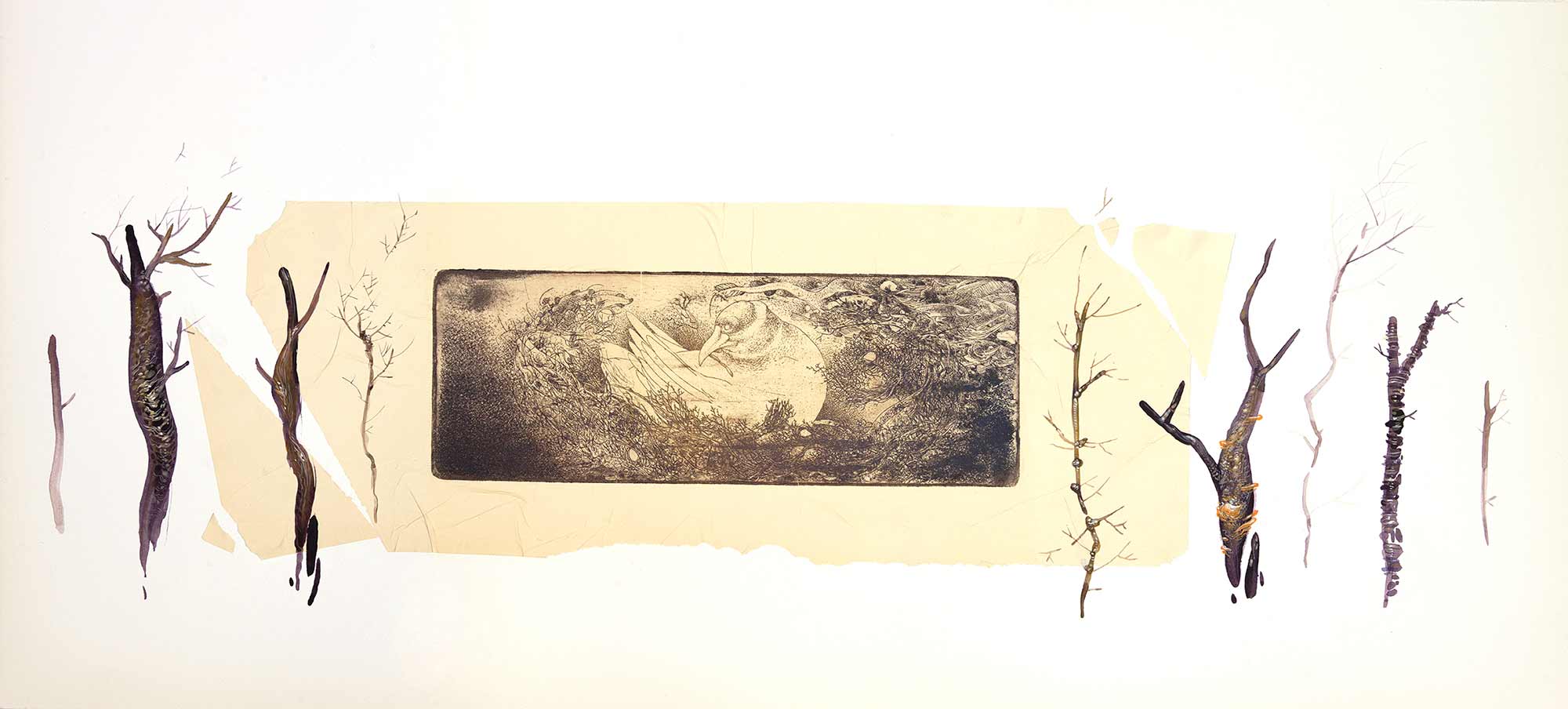
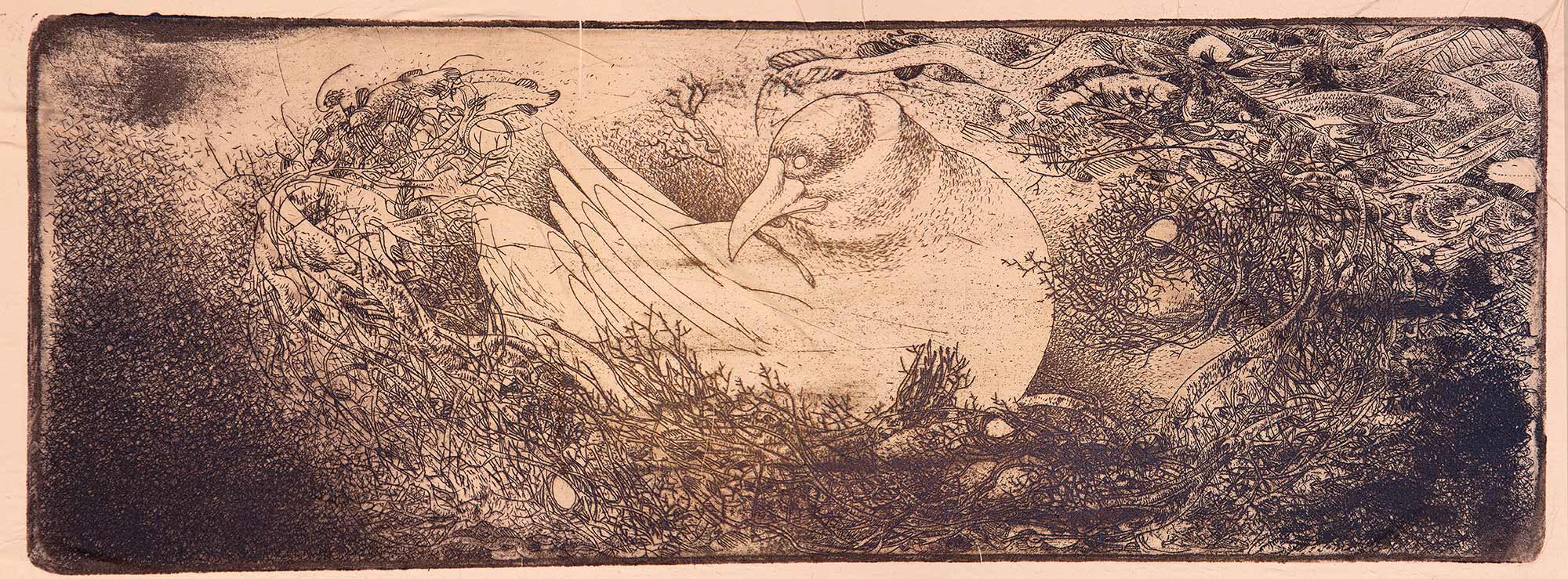
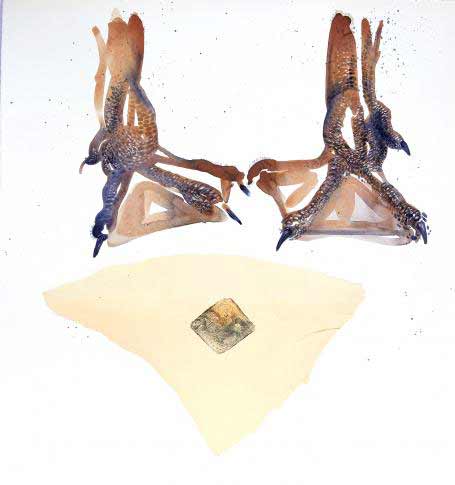
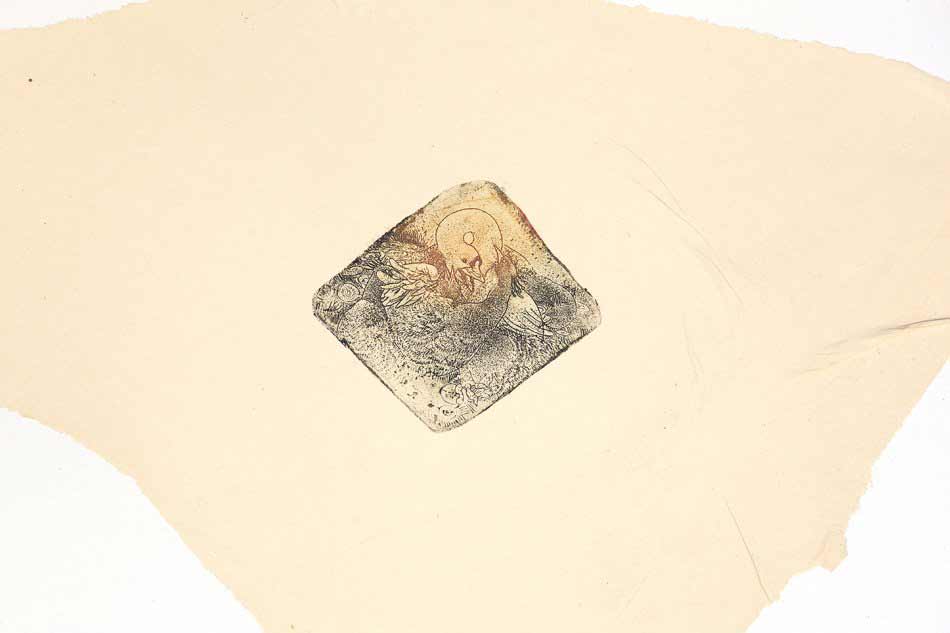
Lo storno e la mosca invisibile
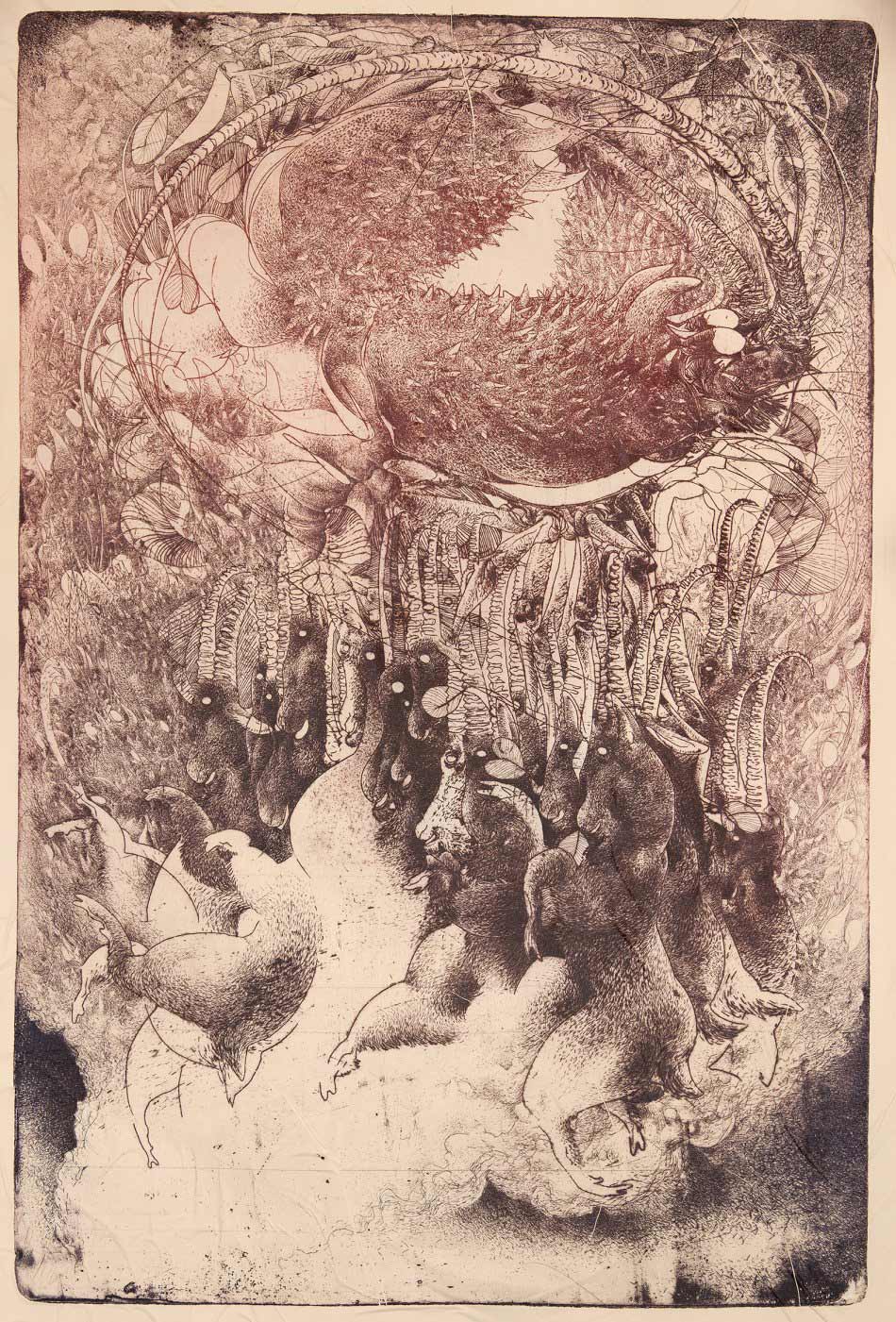
etching • paintings (2013)
Una psicosi dolce quella del Cedro.
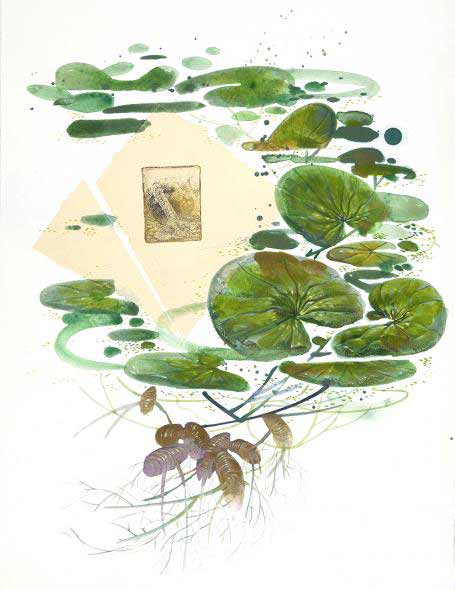
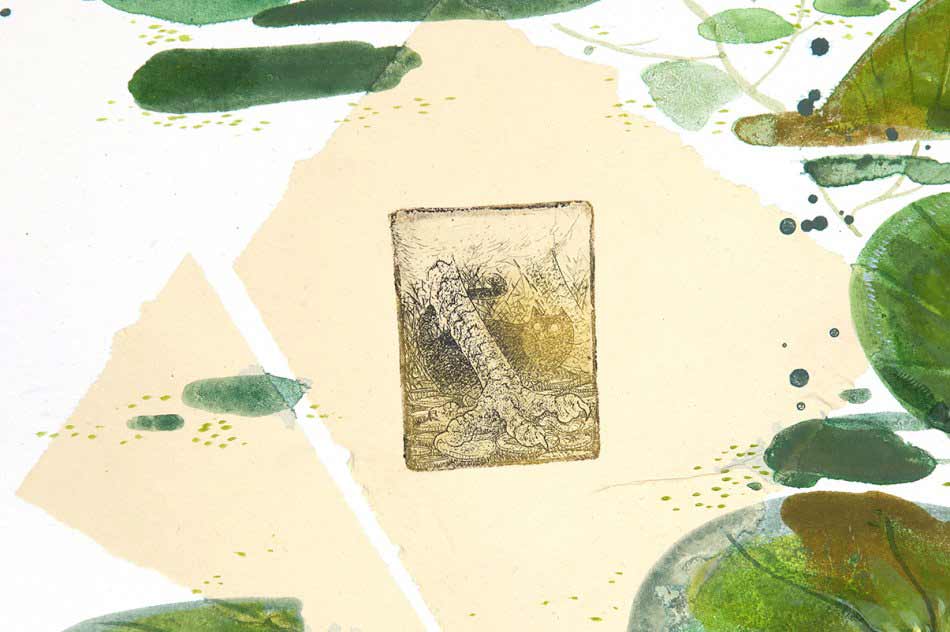
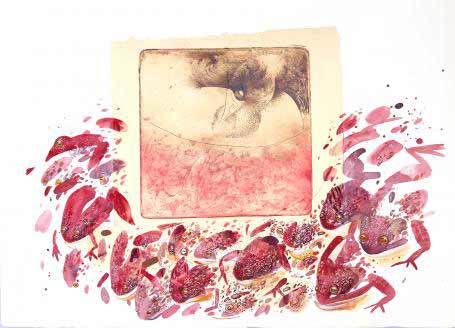
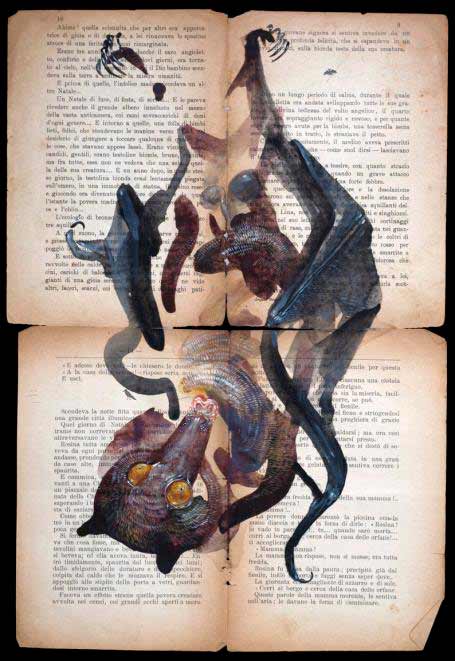
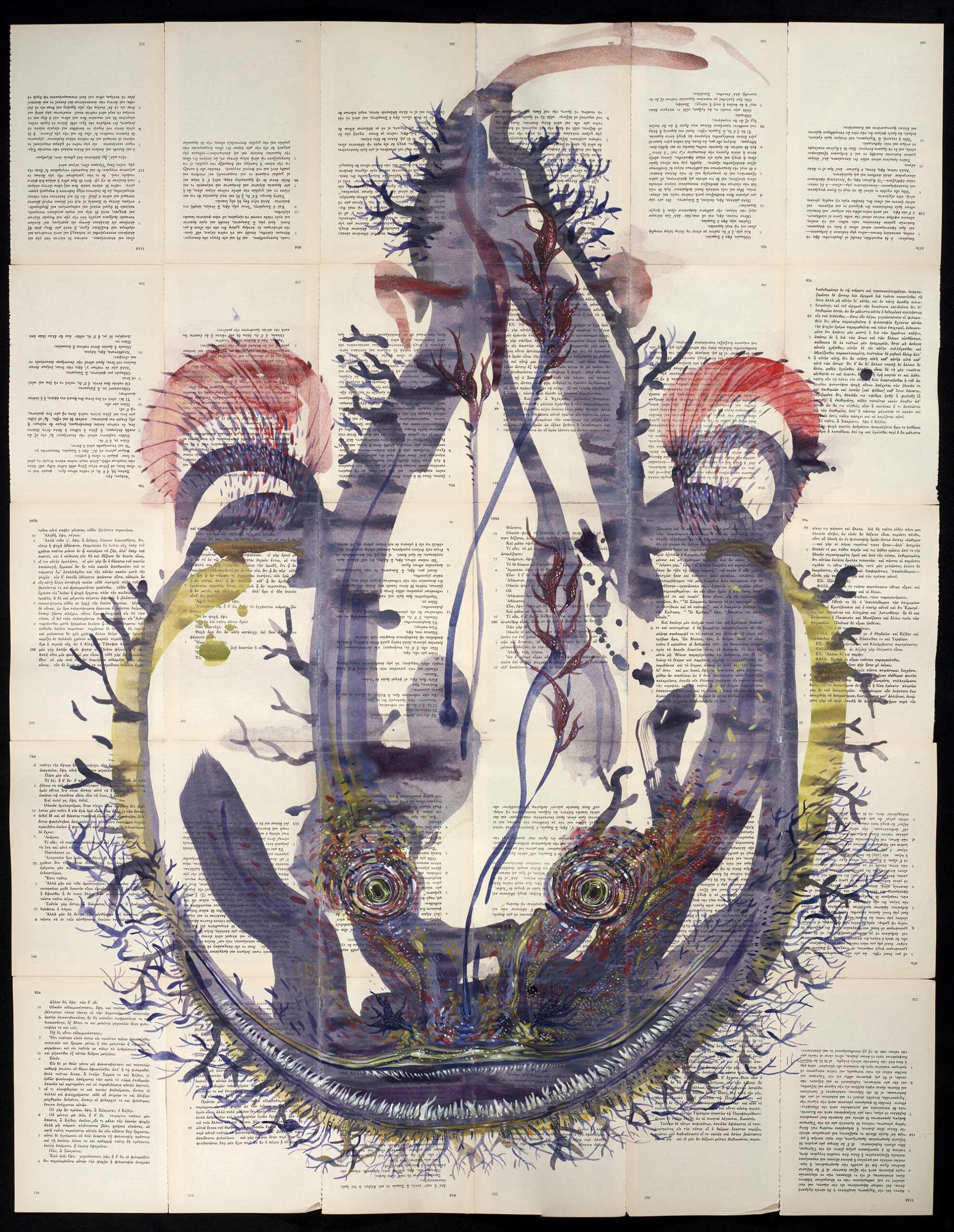
Il lavoro è un’interpretazione delle idee e dell’immaginario, del etologo e filosofo J.von Uexkull, nel libro “Ambienti animali ambienti umani”.Fra le pagine del capitolo sugli “ambienti magici”, cioè luoghi di un’esperienza soggettiva eccezionale, l’esperienza del giovane storno e della mosca immaginaria diventano il ritratto di una suggestione con protagonisti ben definiti: il rame, i segni e l’inchiostro interpretano la psicosi e il colore, il pennello e l’acqua il soggetto.
Sweet is the Citron’s psychosis.
The work is an interpretation of the ideas and the imaginary of the philosopher and ethologist J.von Uexküll, in the book”Animal environments and Human environments”.Among the pages of the chapter on “Magic Environments”, places of an exceptional subjective experience, the experience ofa young starling and an imaginary fly becomes the portrait of a suggestion whit defined characters: the copper, the signs and the ink interpret psychosis and colors, brush and water play the subject.
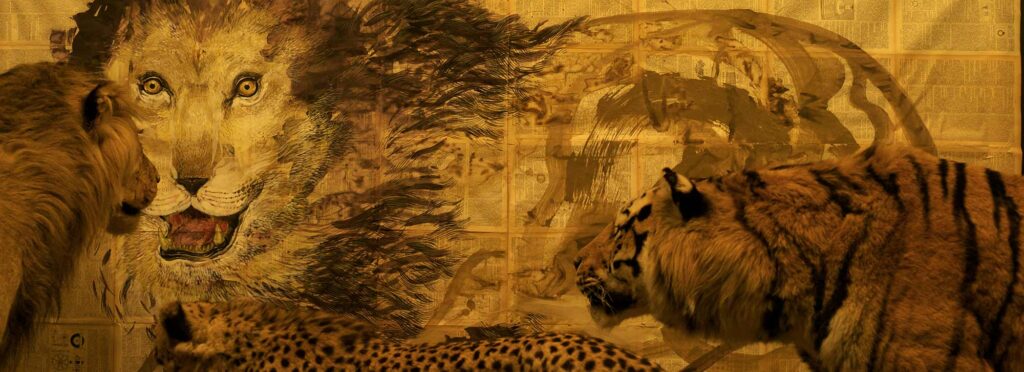
Paginae Naturalis (2013)
ritratti reali di animali fantastici
“A botany book without illustrations would be like a geography book without maps.”
John Ray, 1684.
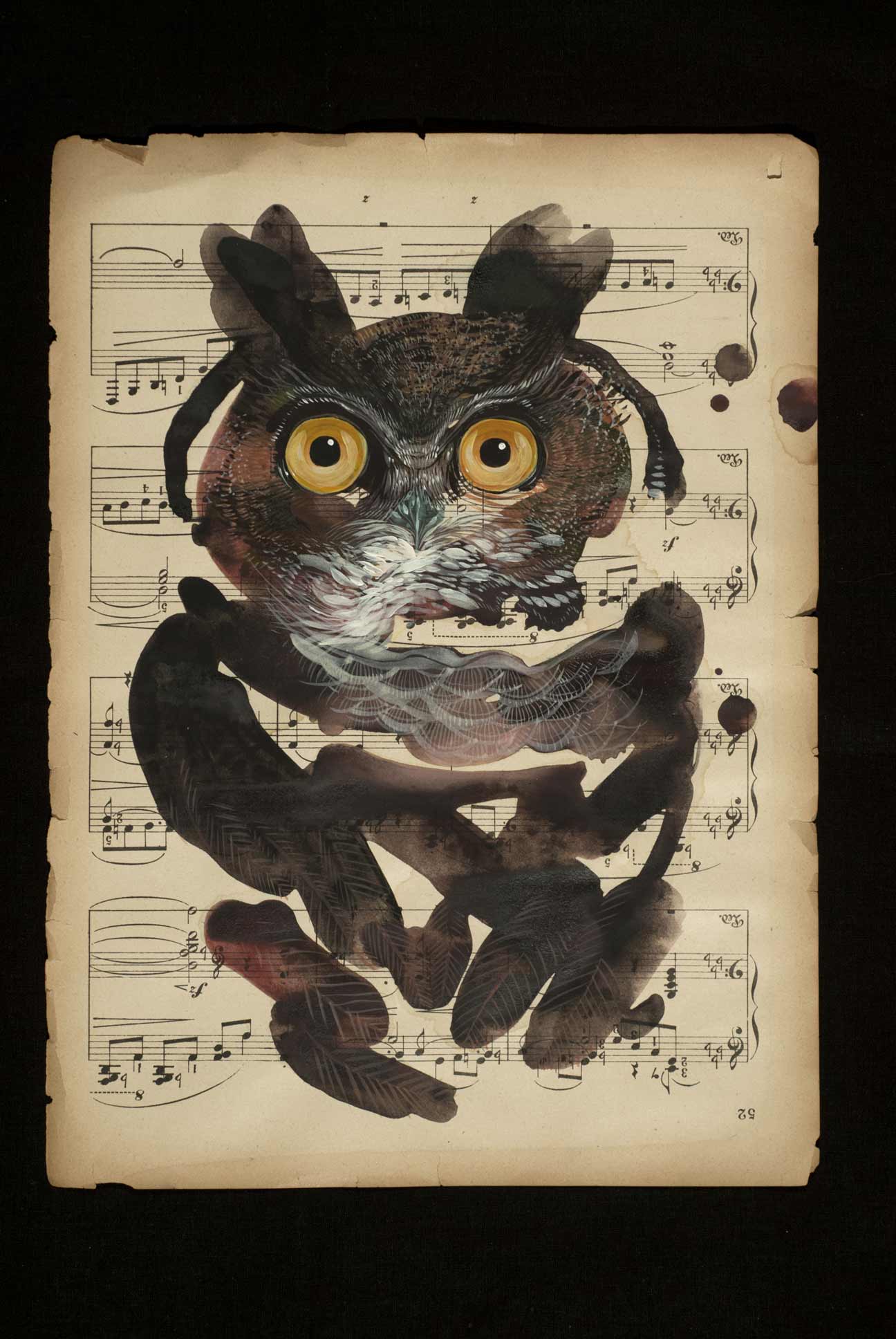
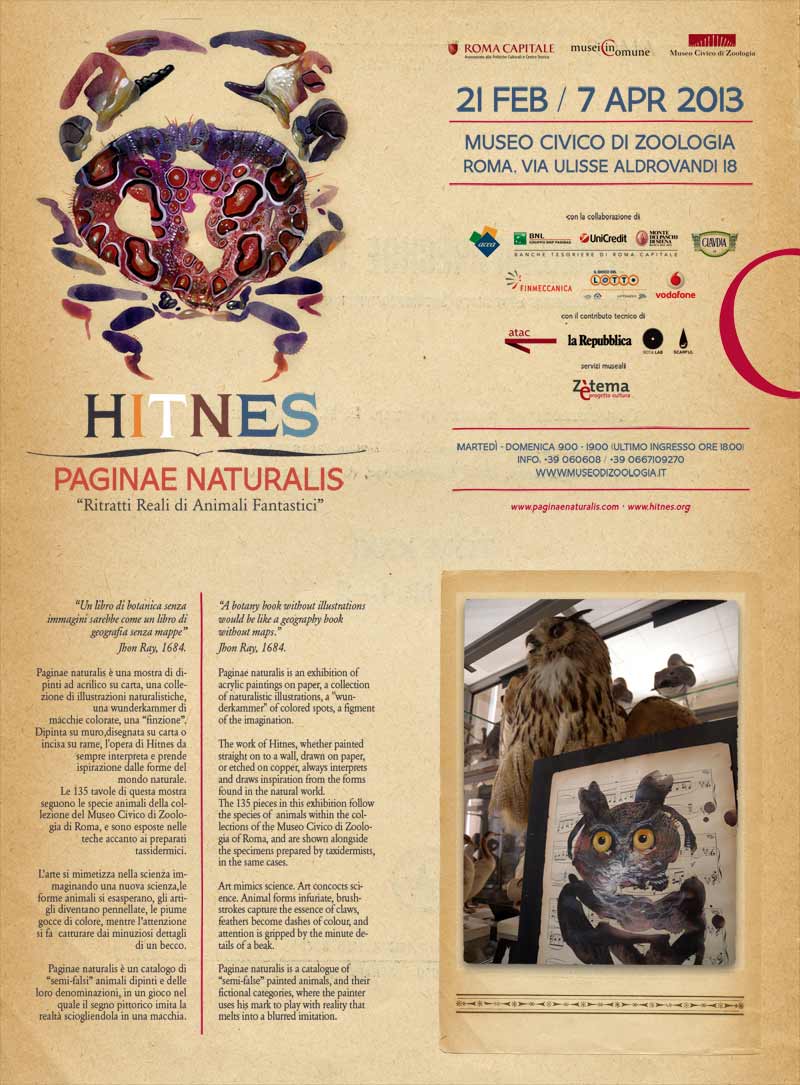
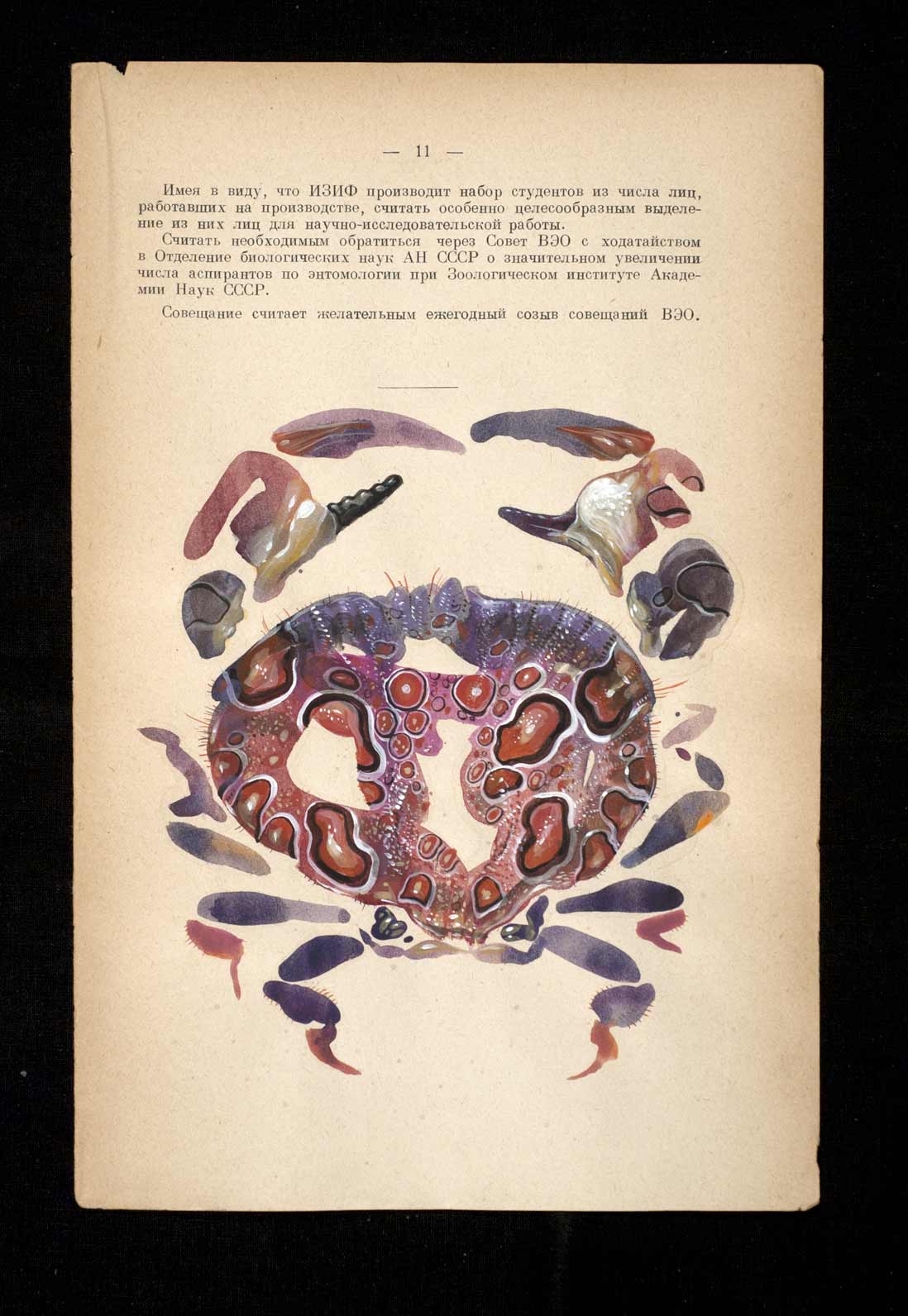
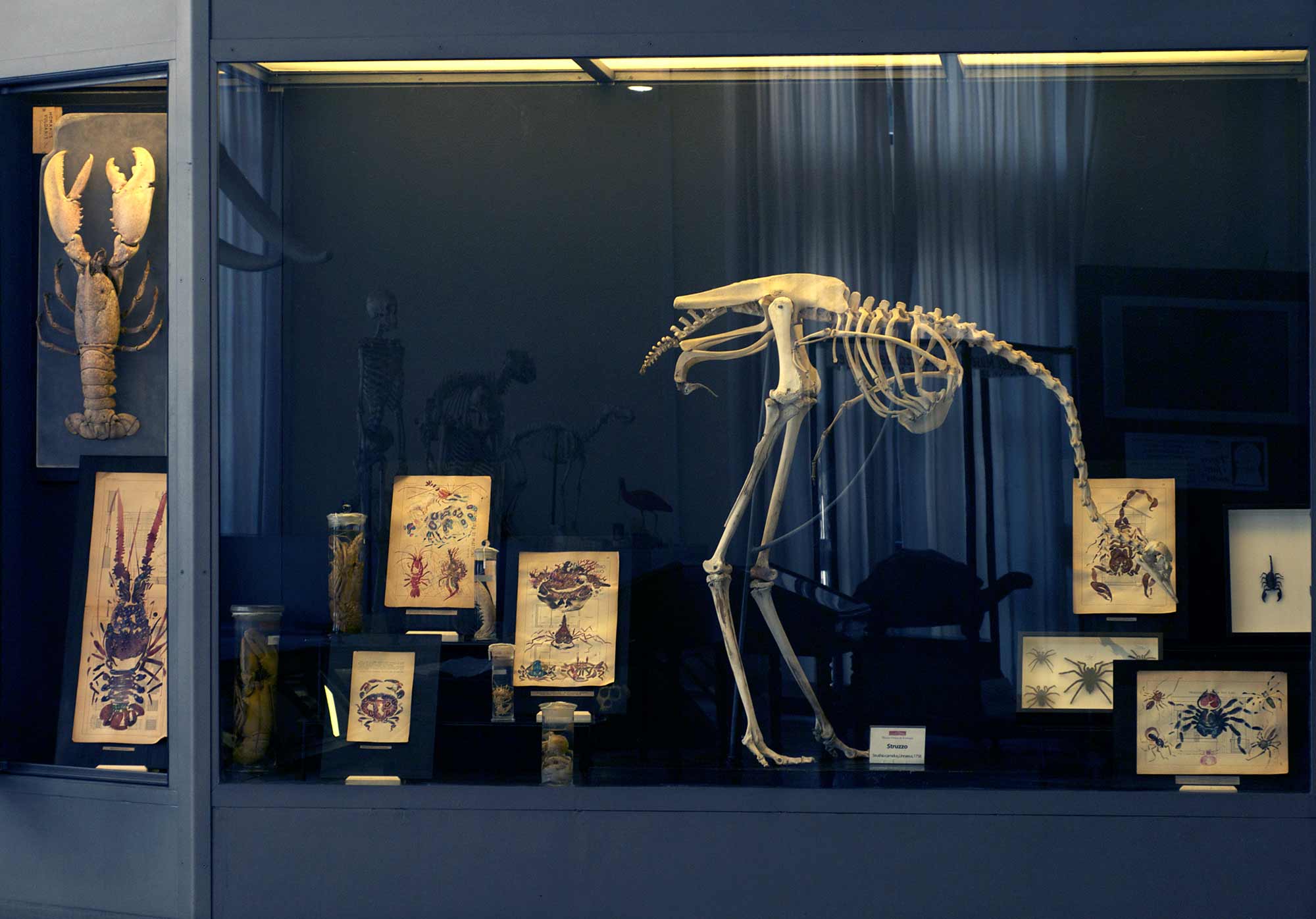
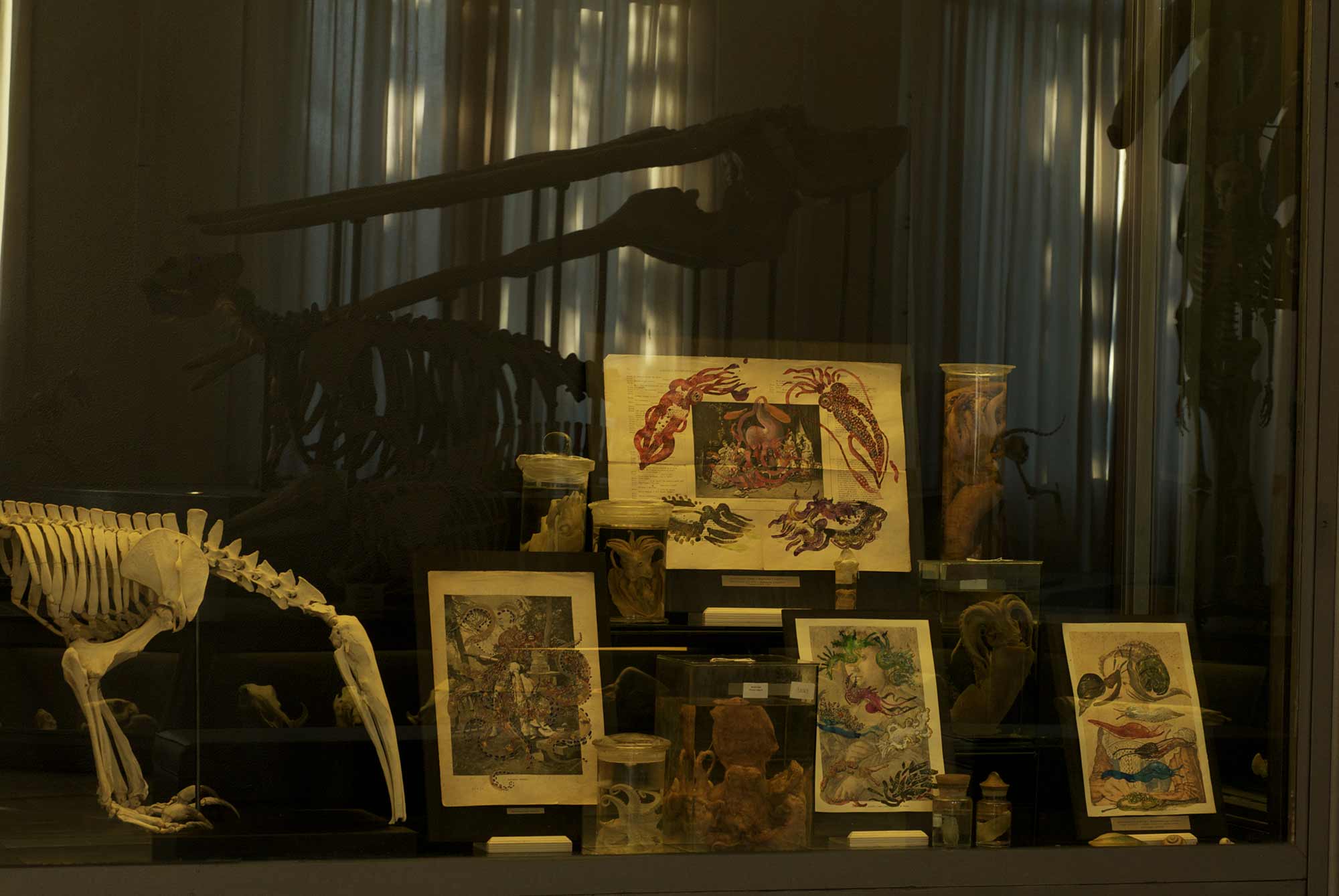
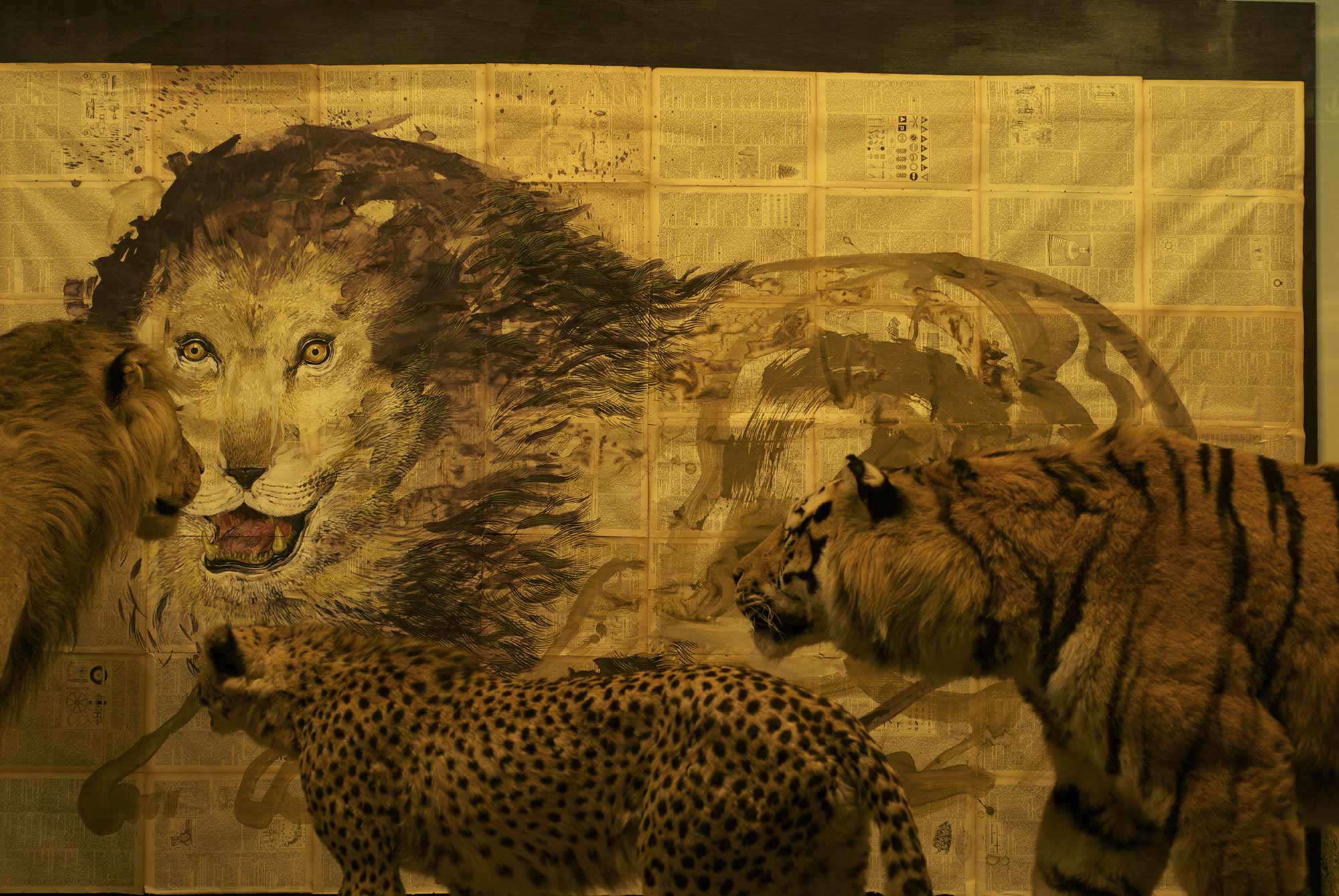
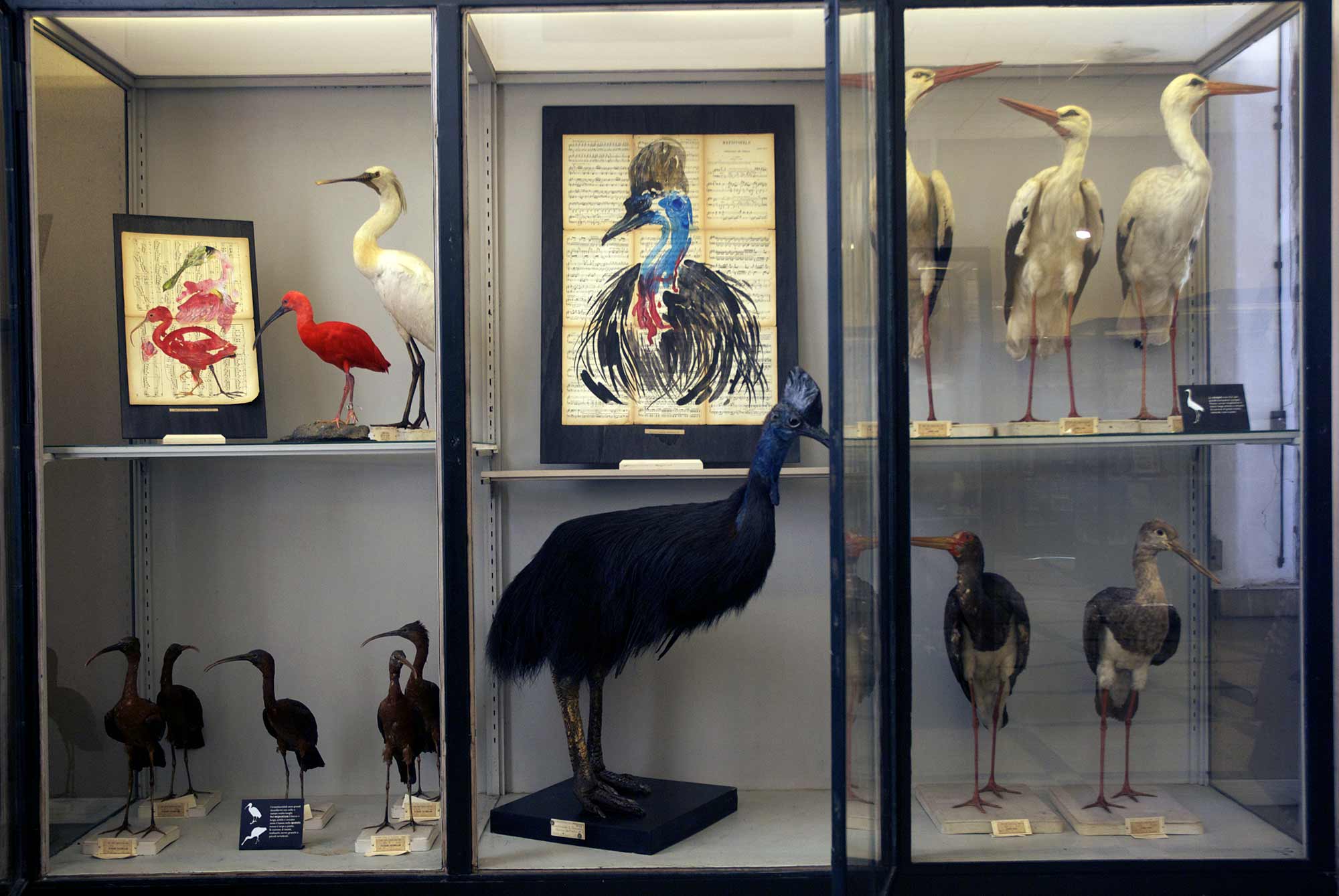
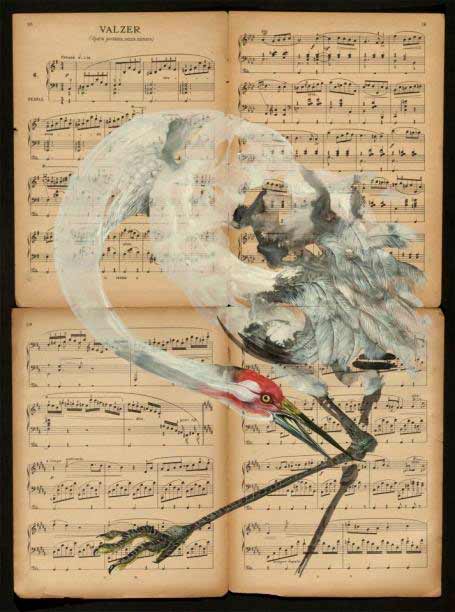
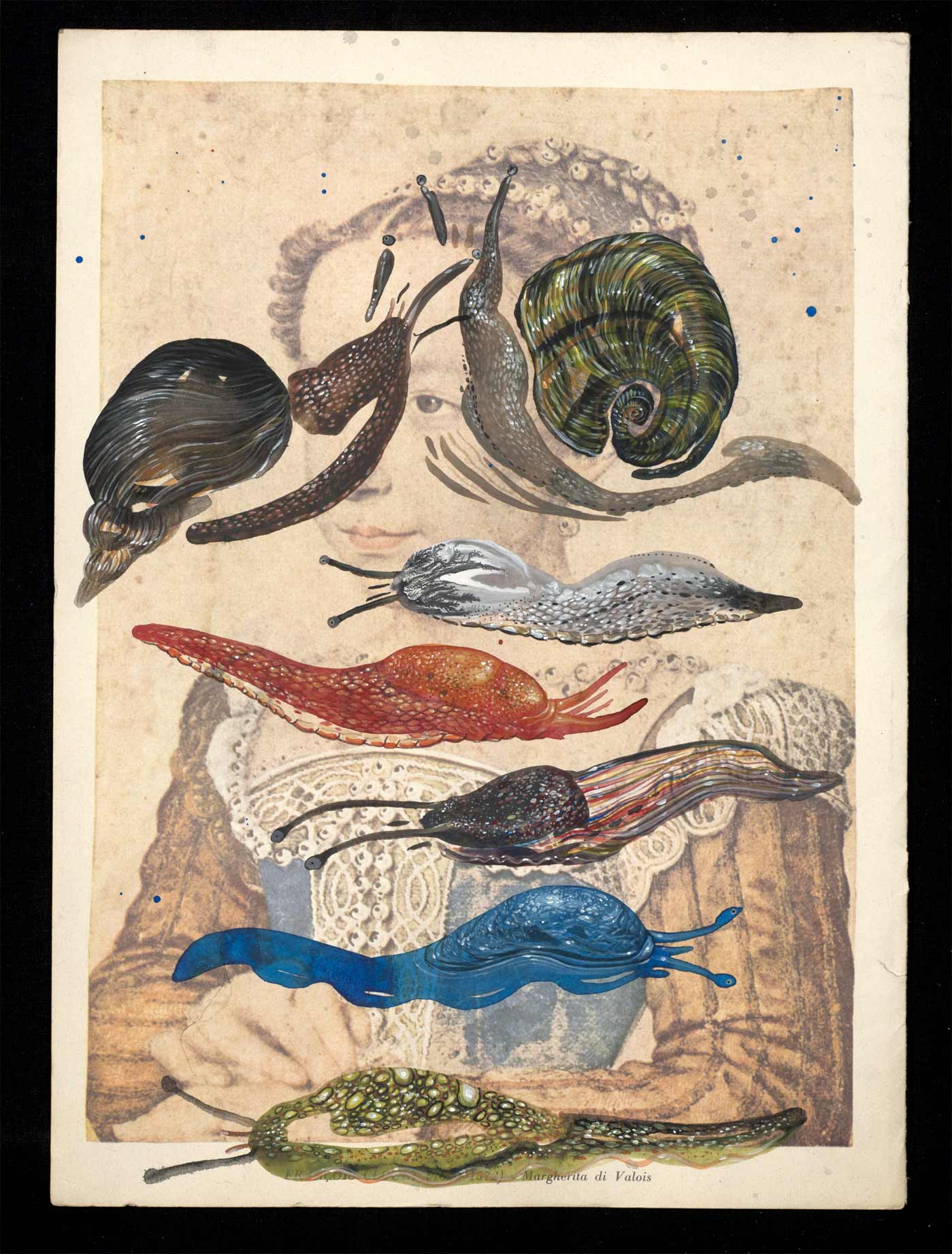
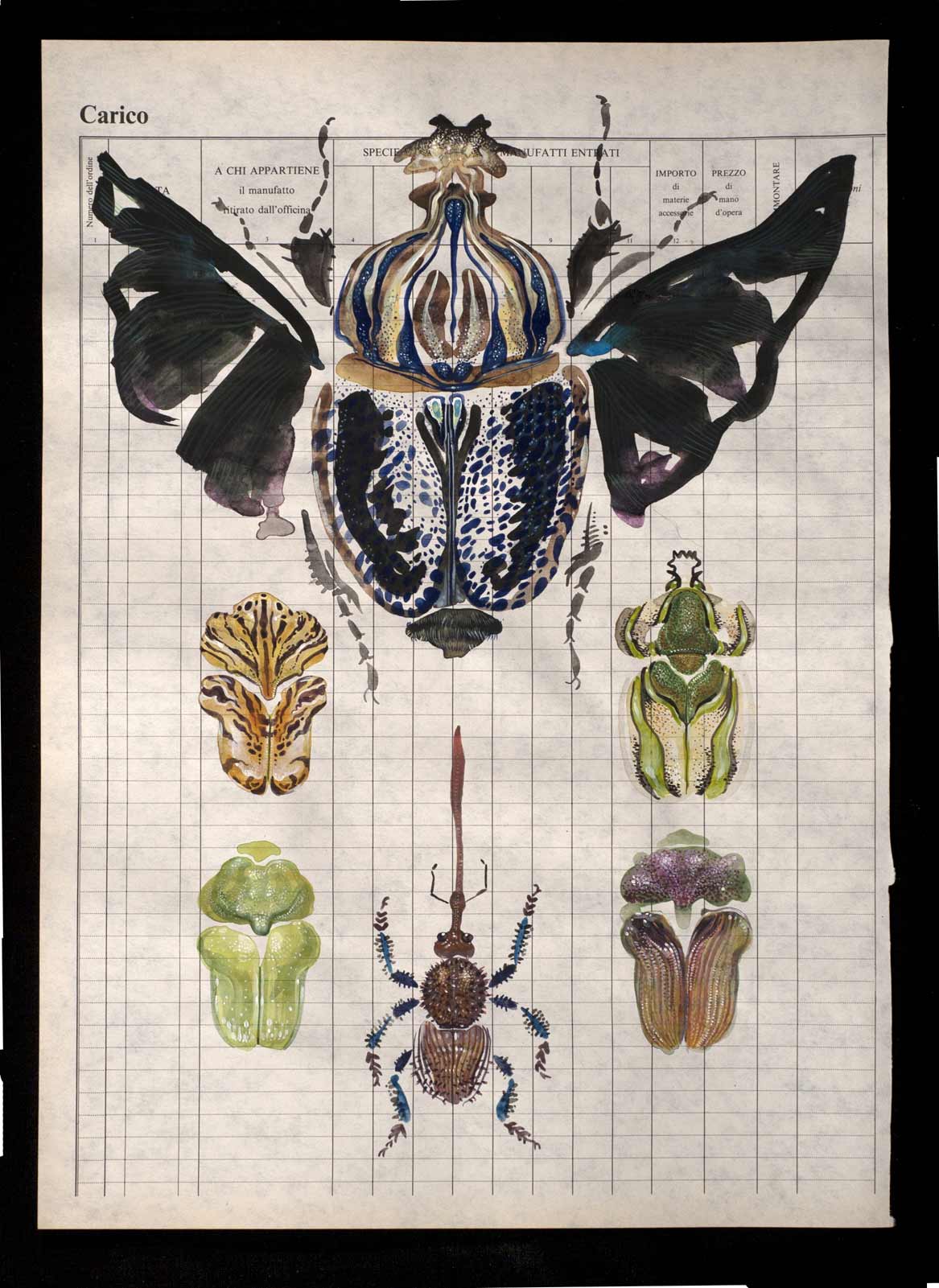
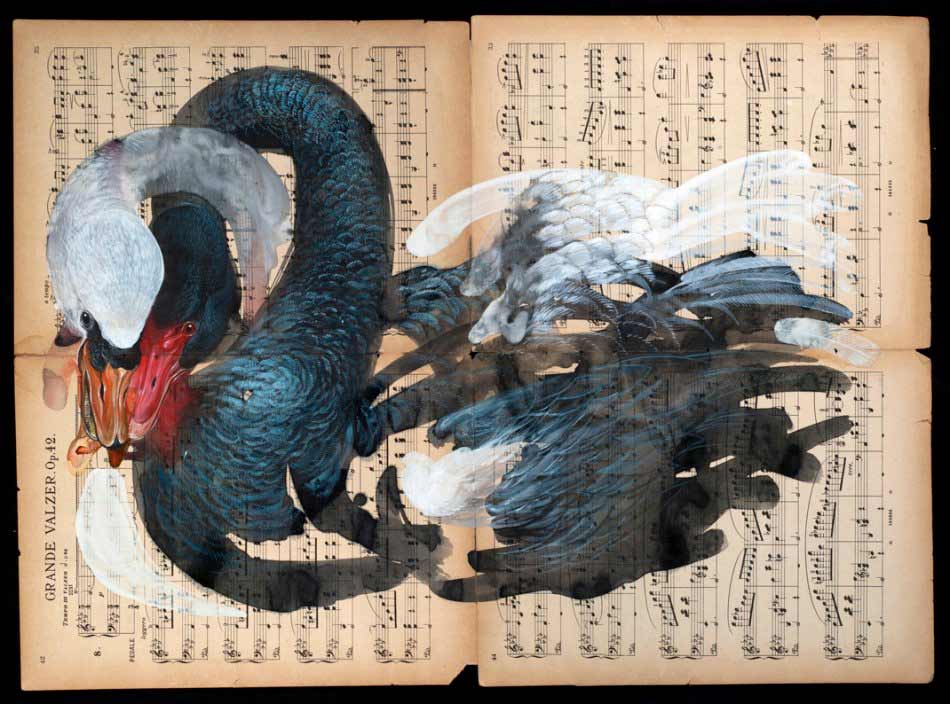
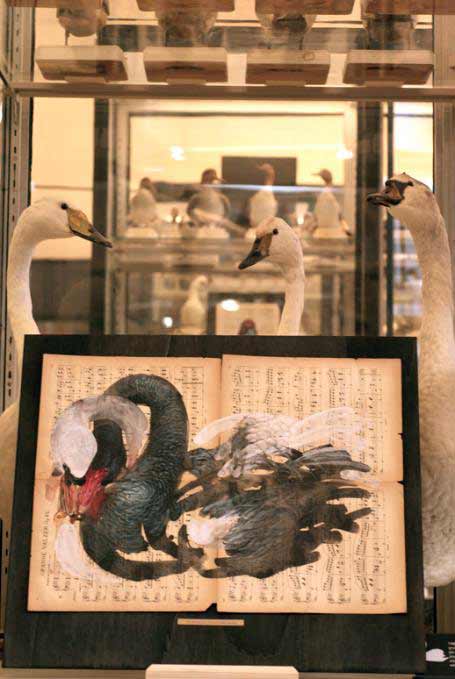
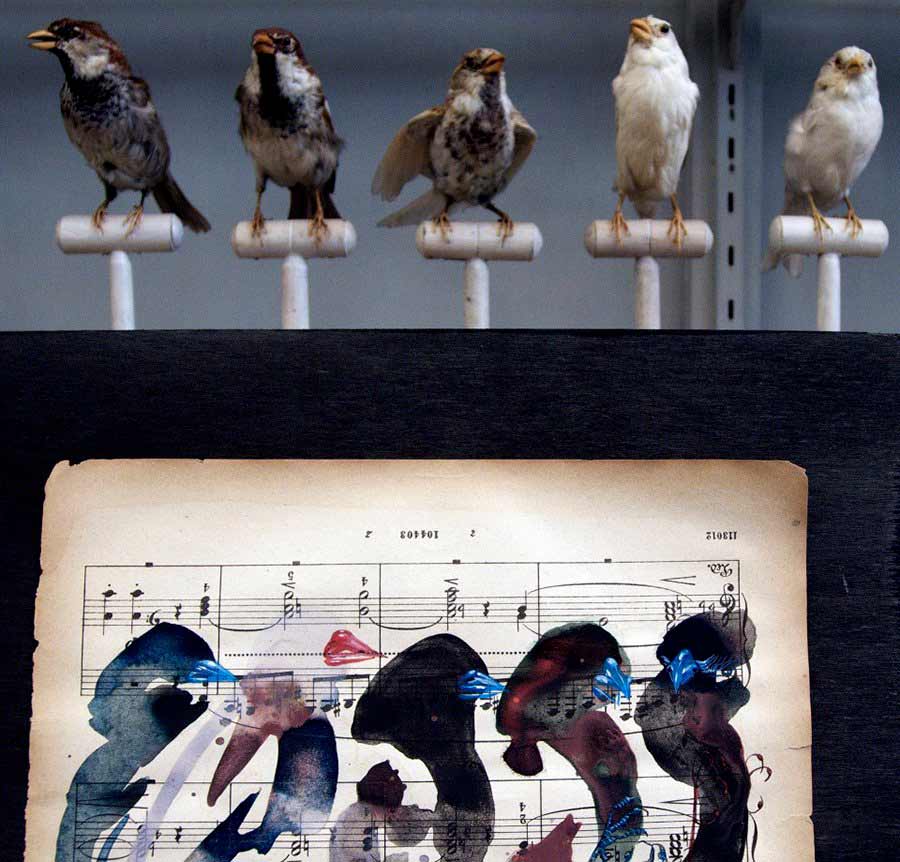
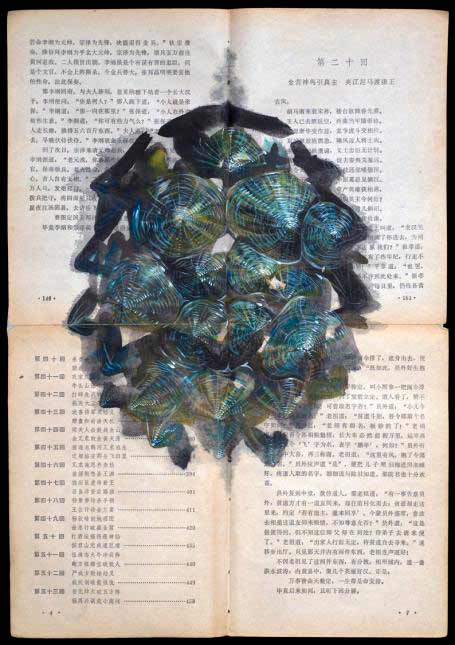
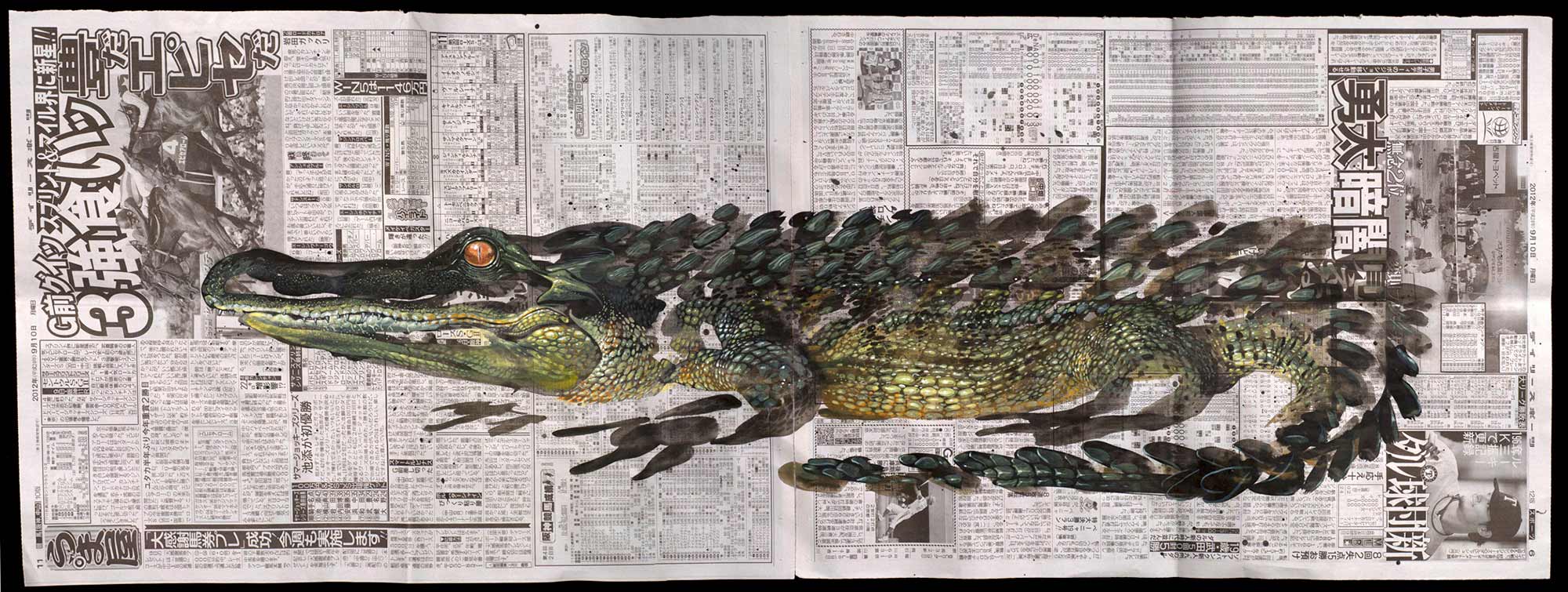
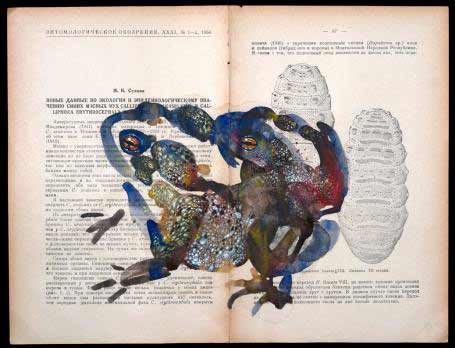
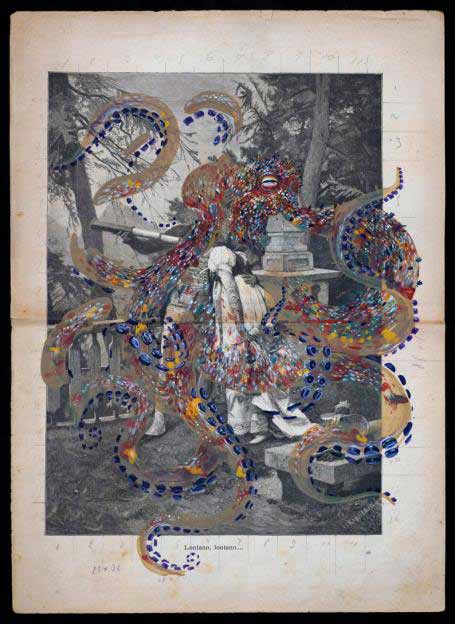
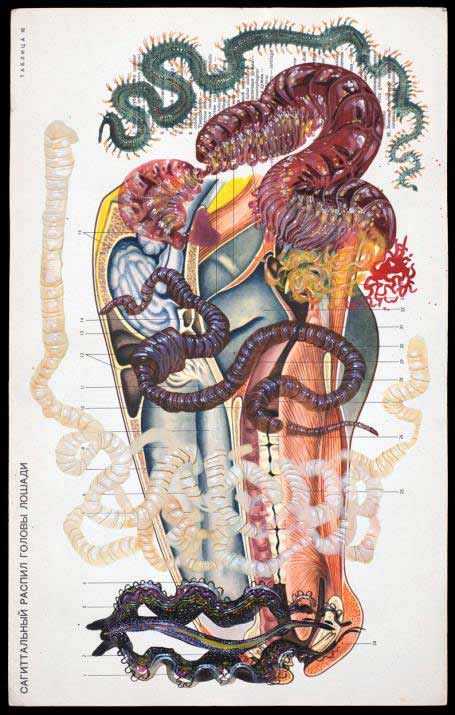
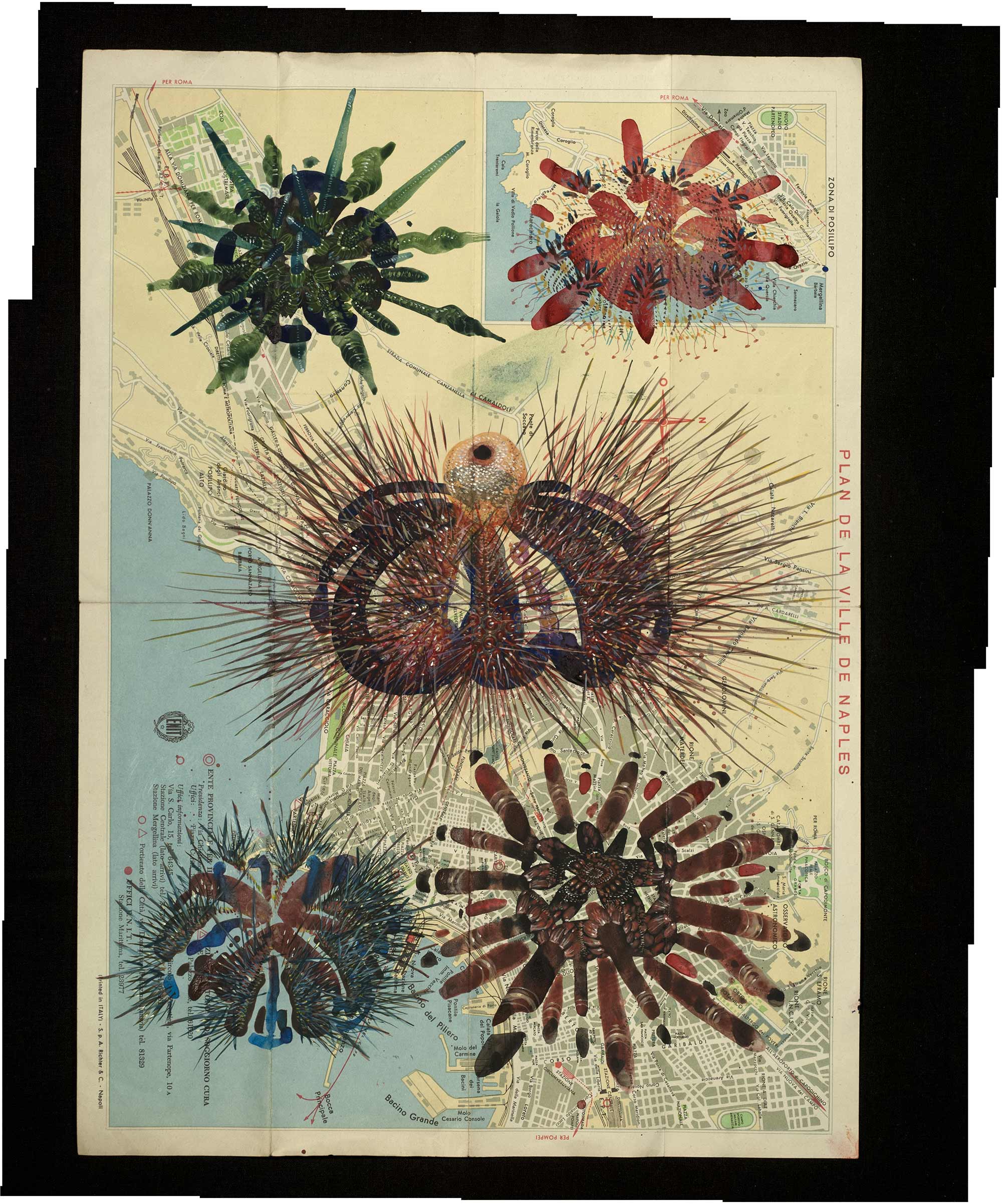
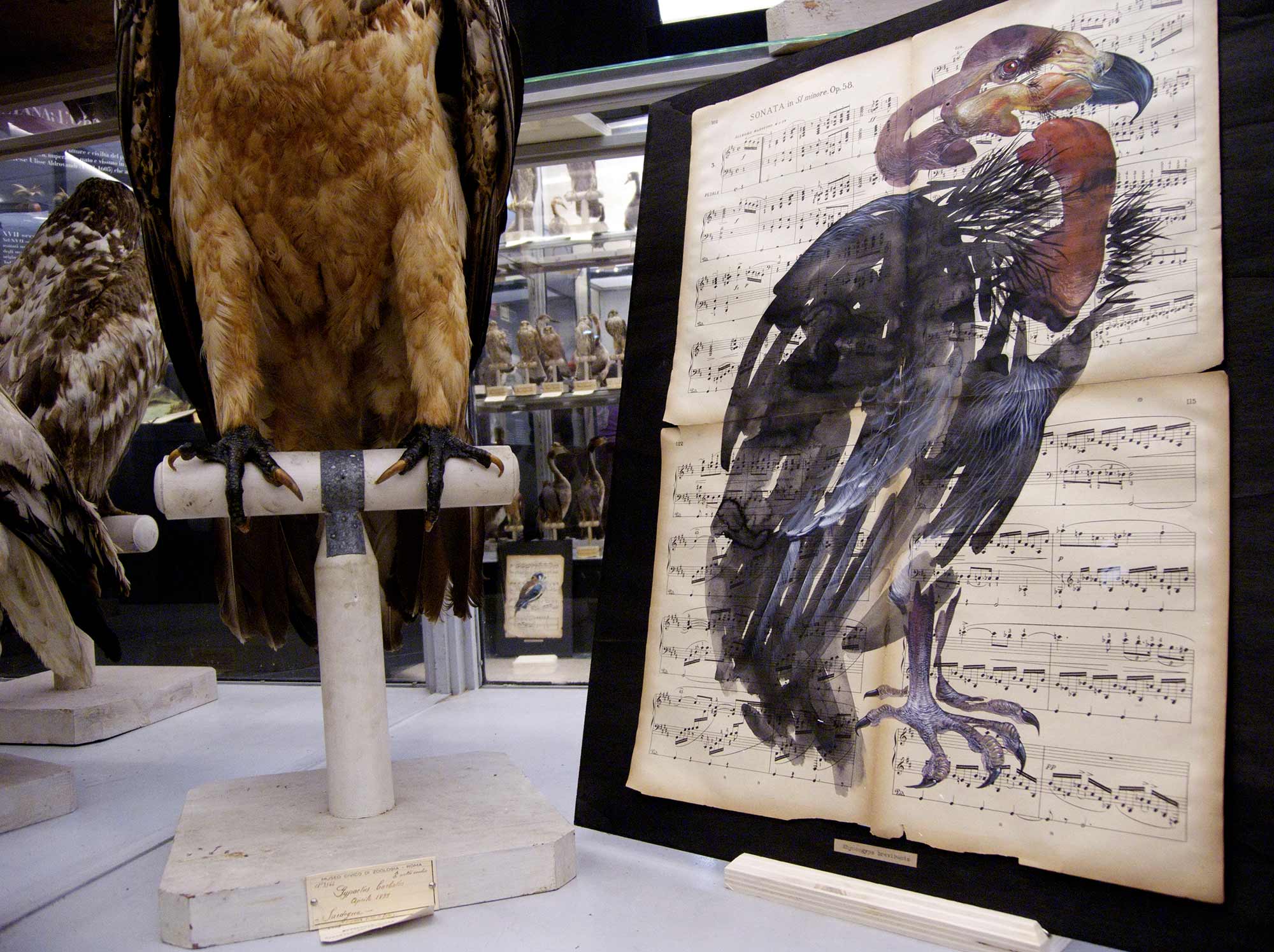
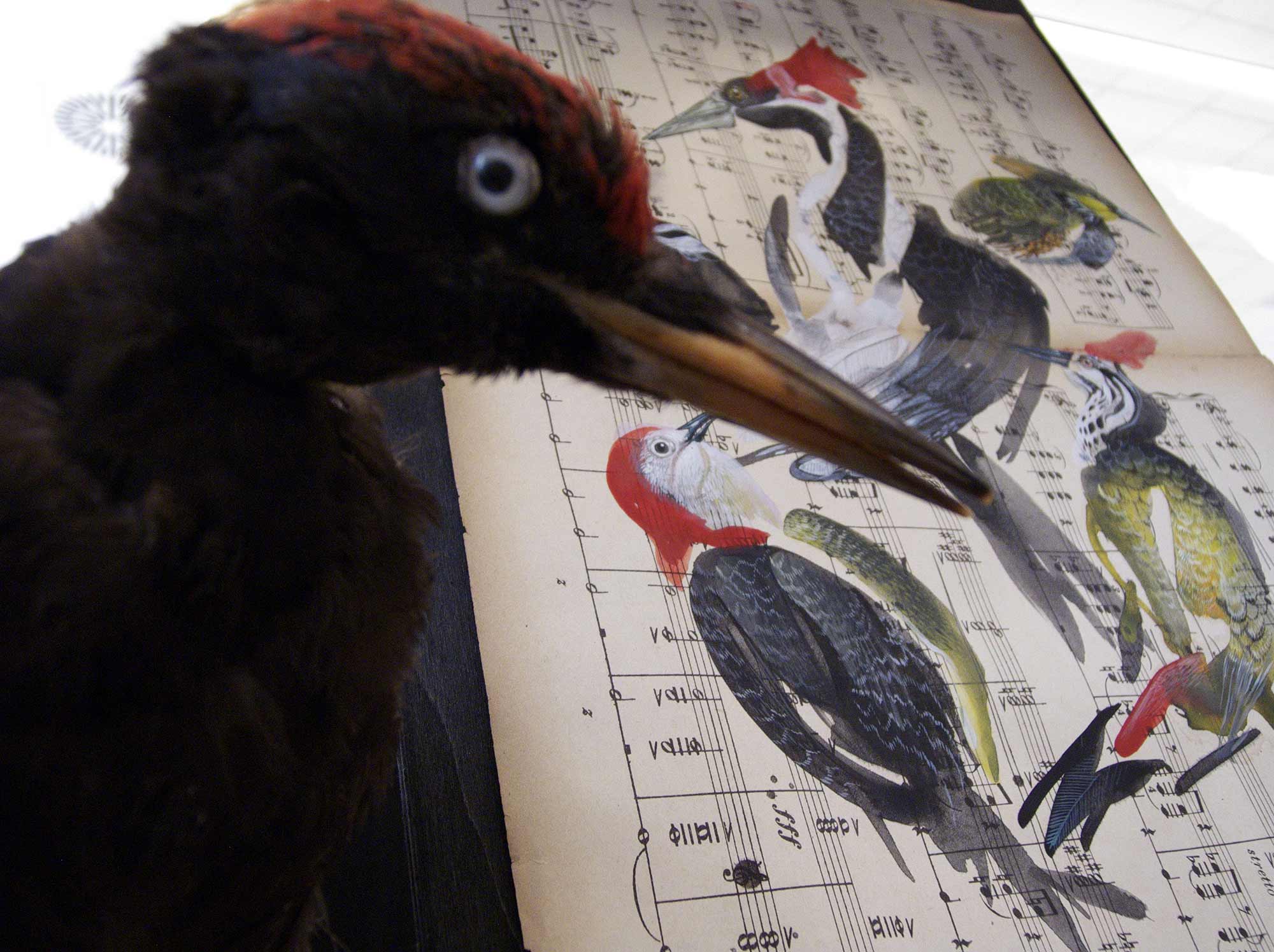
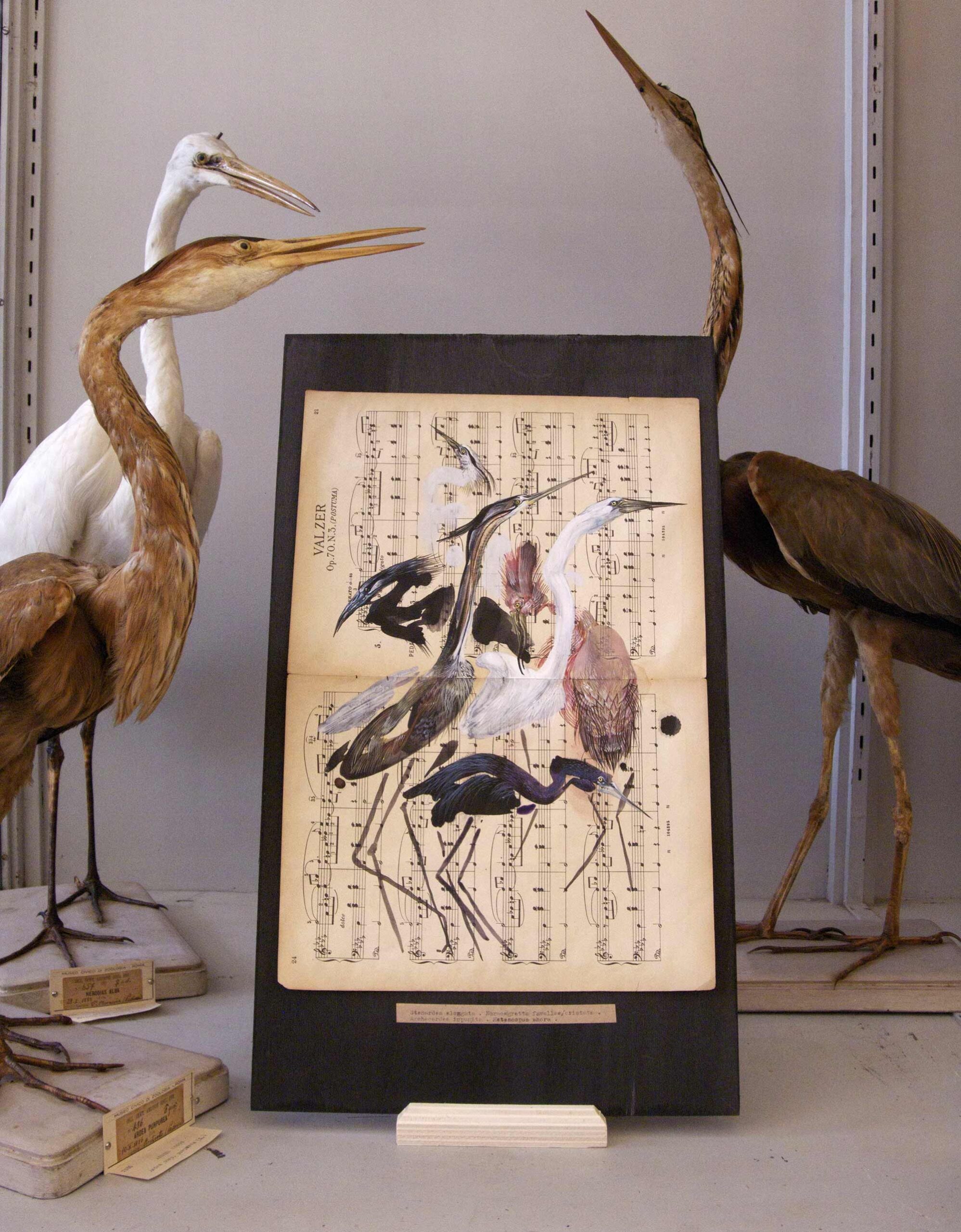
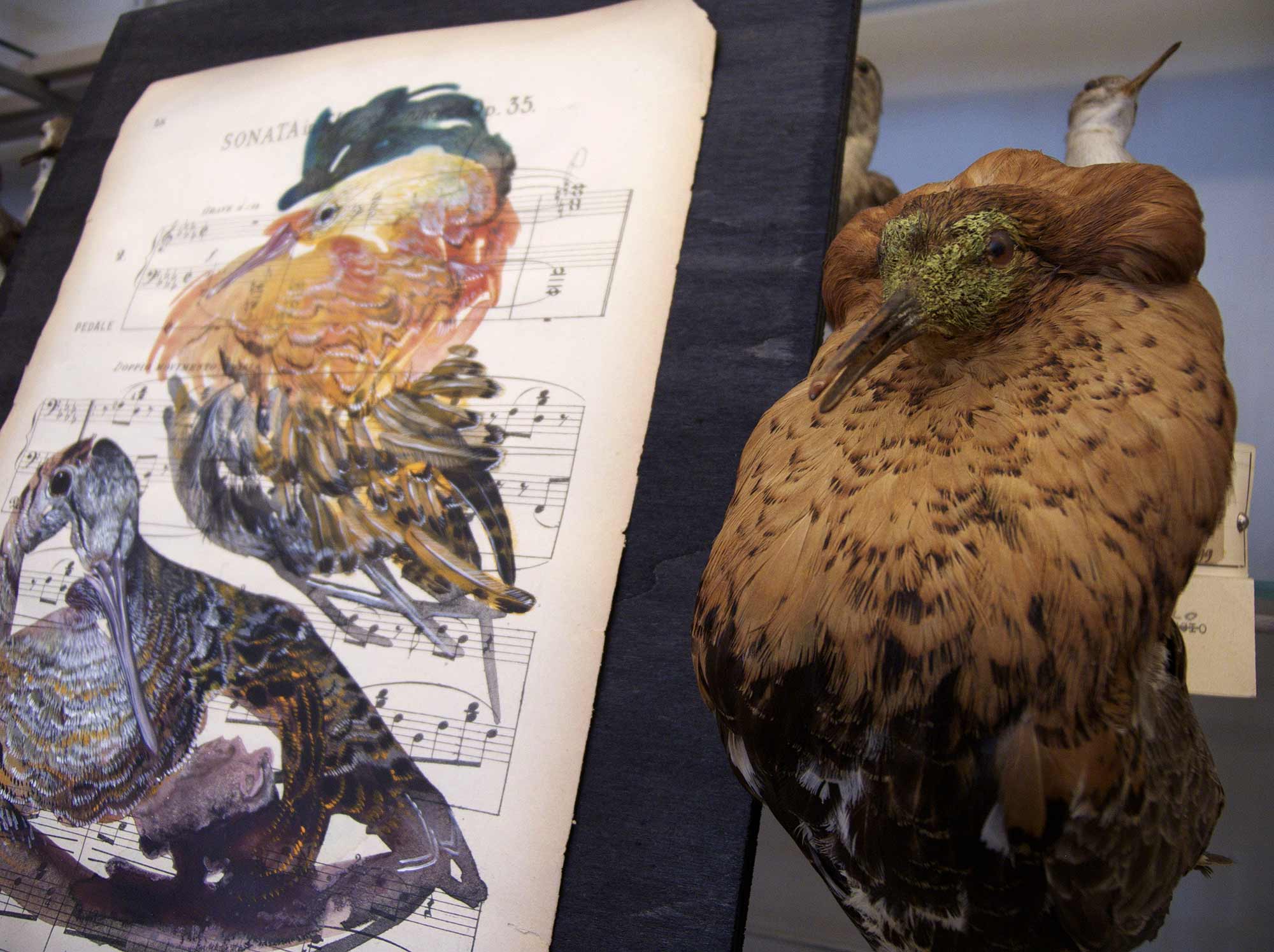
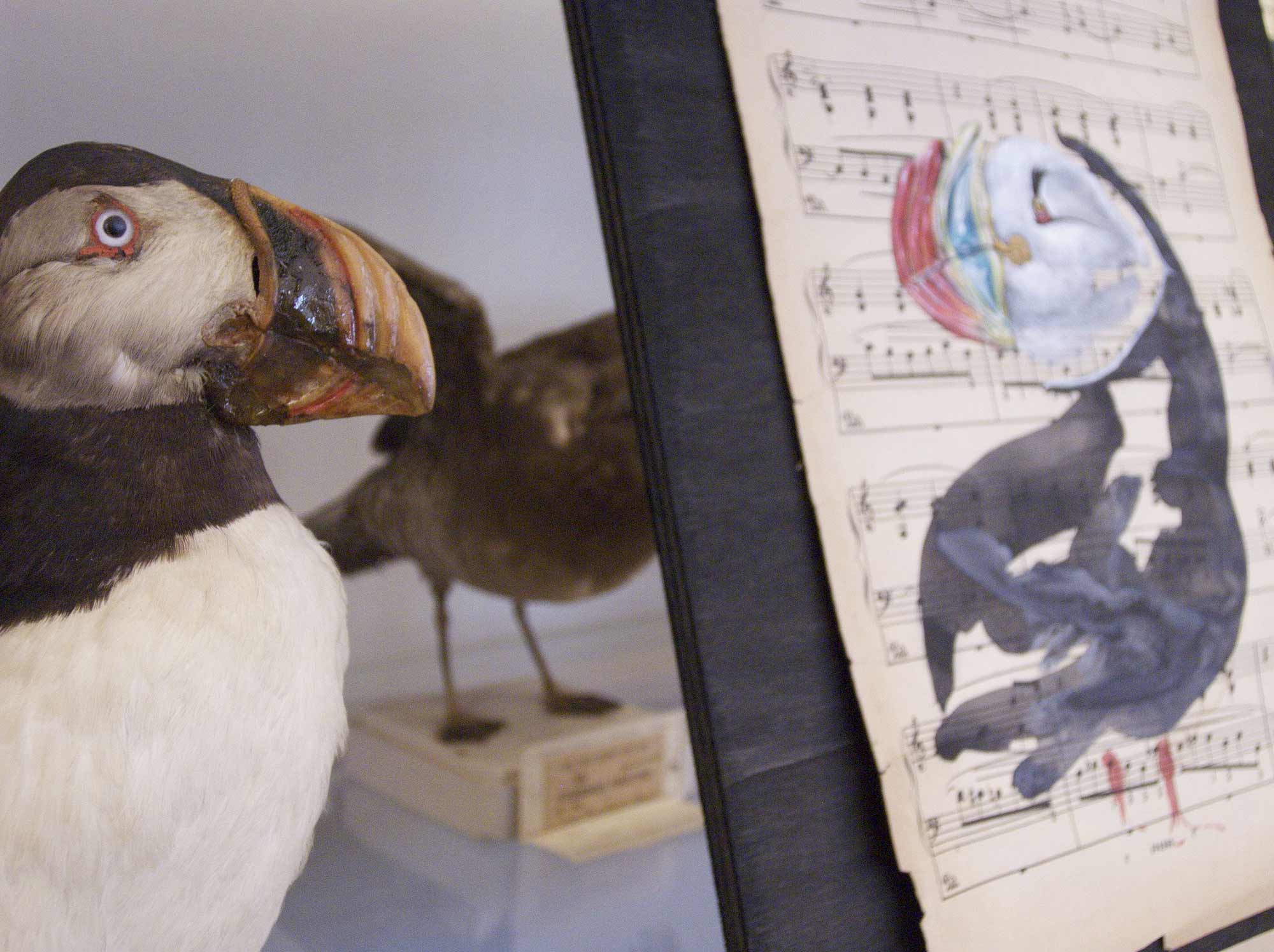
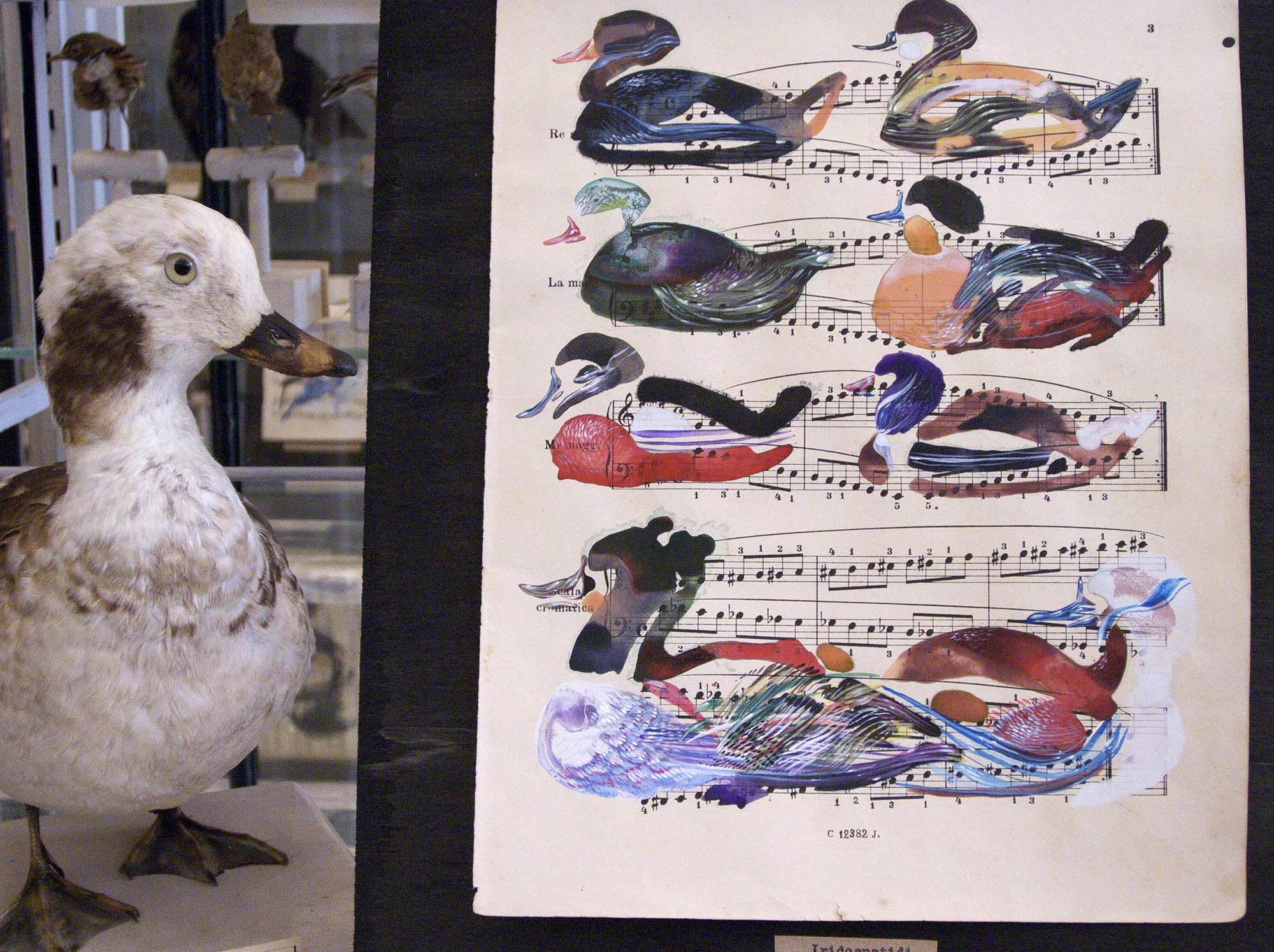
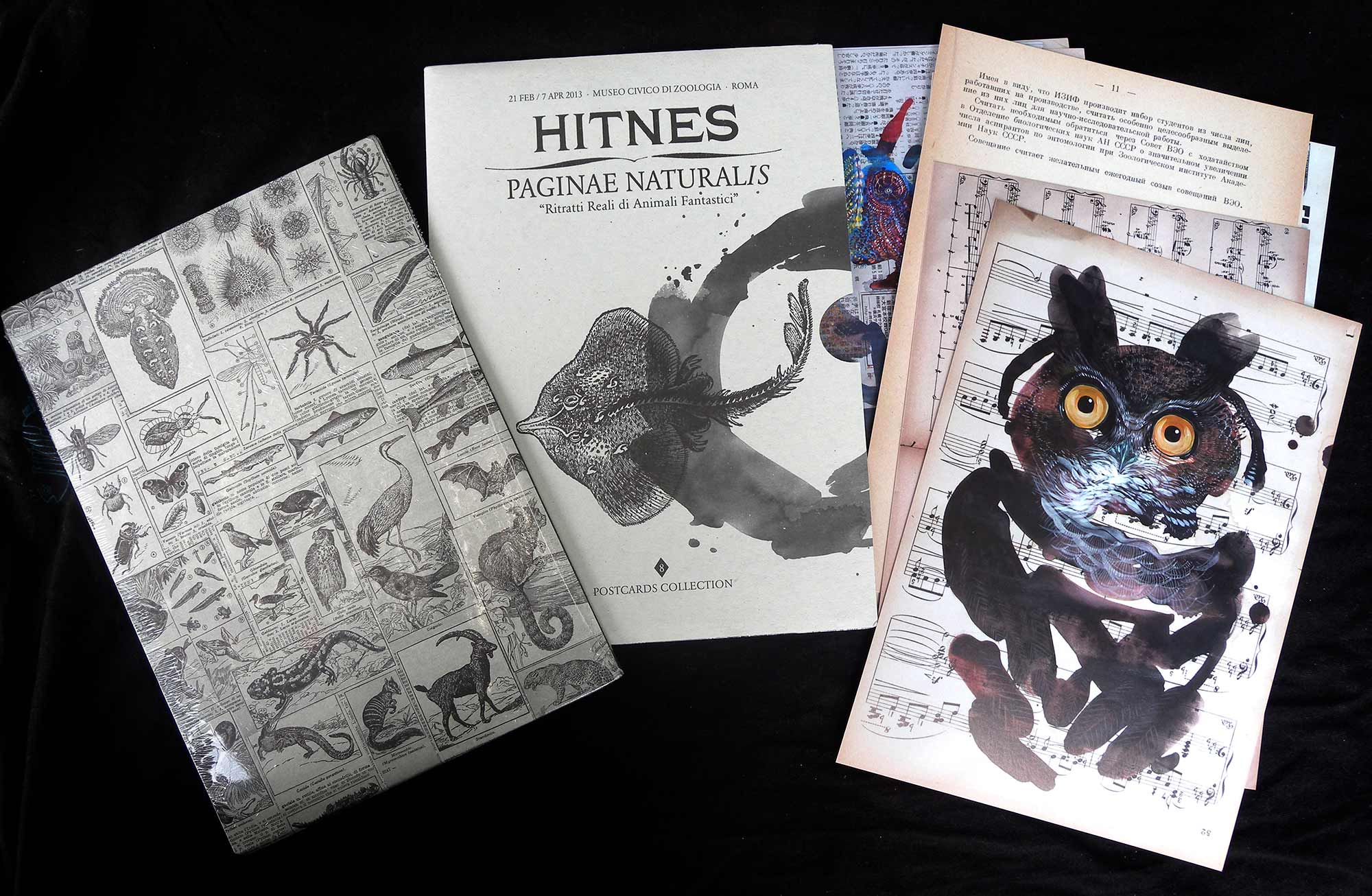
Paginae naturalis is an exhibition of acrylic paintings on paper, a collection of naturalistic illustrations, a “wunderkammer’ of colored spots, a figment of the imagination.
The work of Hitnes, whether painted straight on to a wall, drawn on paper, or etched on copper, always interprets and draws inspiration from the forms found in the natural world.
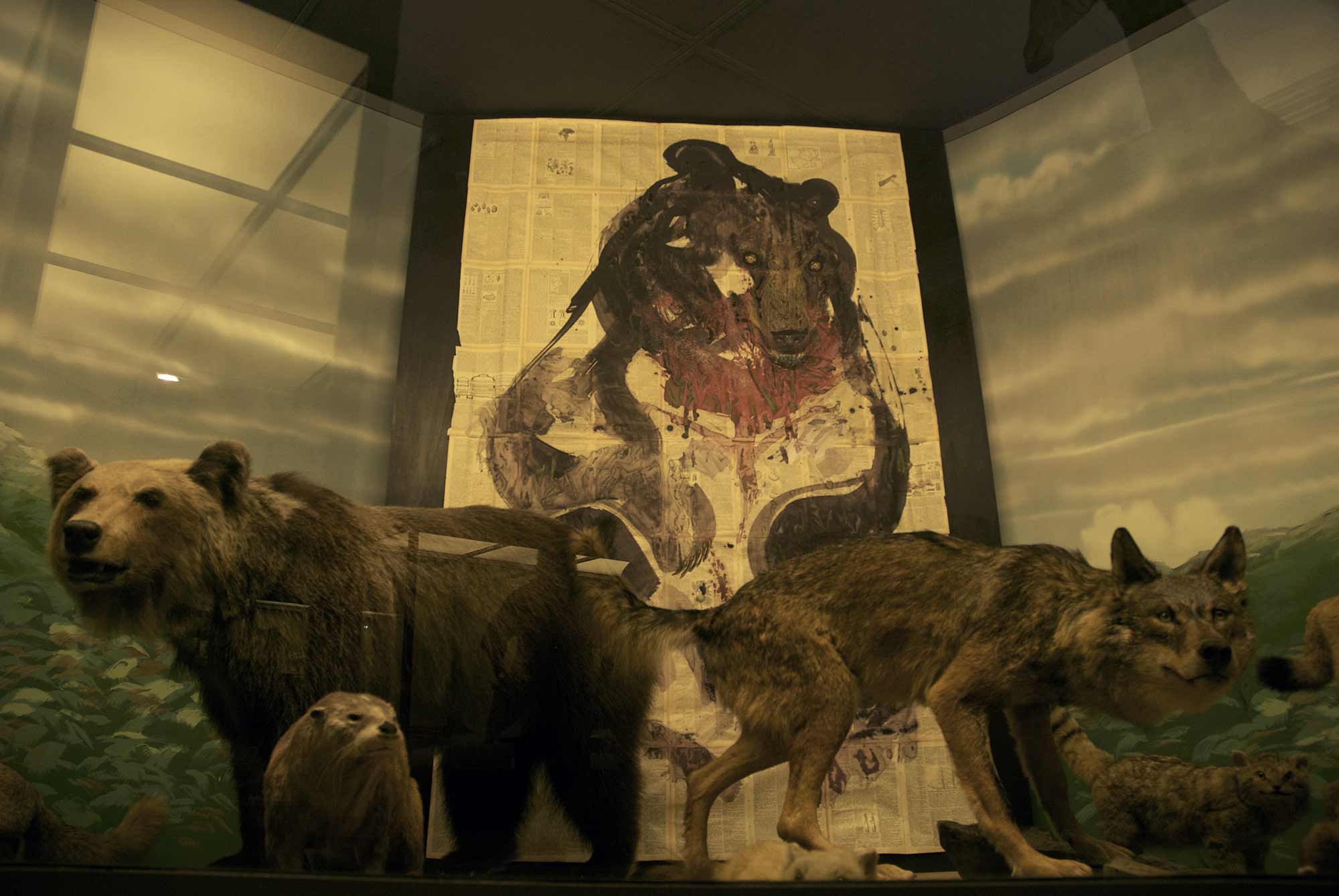
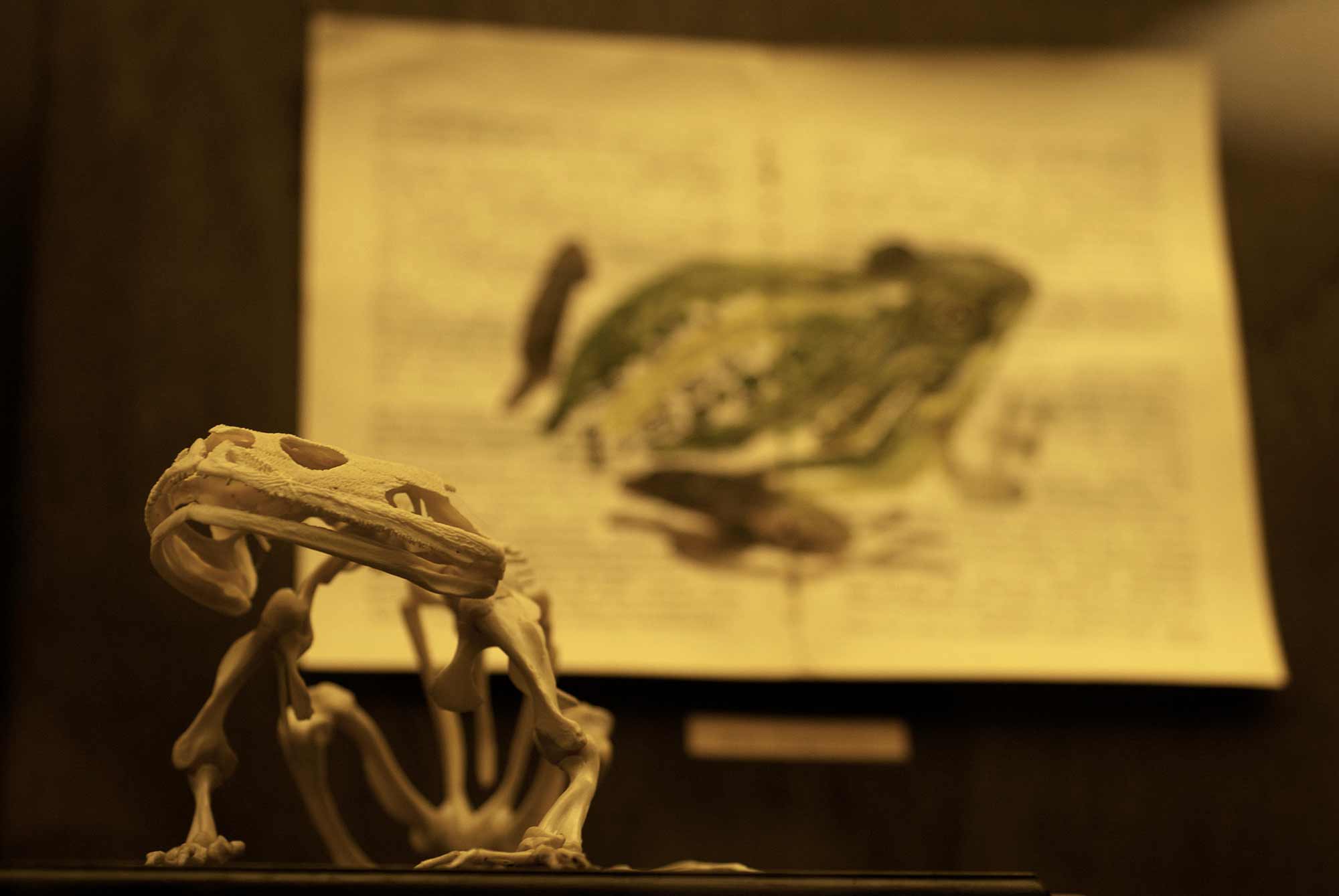
The 135 pieces in this exhibition follow the species of animals within the collections of the Museo Civico di Zoologia of Roma, and are shown alongside the specimens prepared by taxidermists, in the same cases.
Art mimics science. Art concocts science. Animal forms infuriate, brushstrokes capture the essence of claws, feathers become dashes of colour, and attention is gripped by the minute details of a beak.
Paginae naturalis is a catalogue of “semi-false” painted animals, and their fictional categories, where the painter uses his mark to play with reality that melts into a blurred imitation.
Foto di Attila Remai
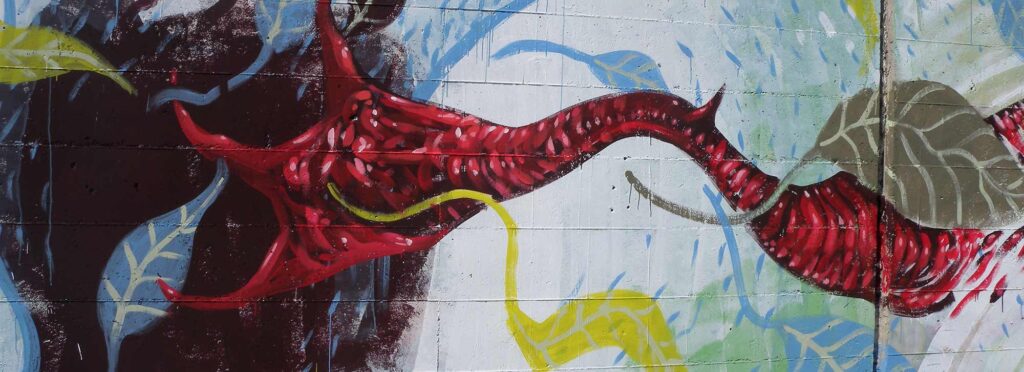
Campo Basso.“Draw the line”
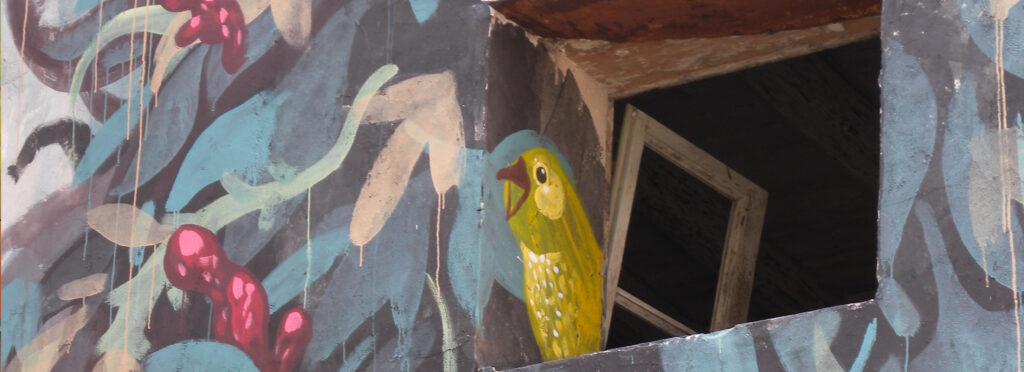
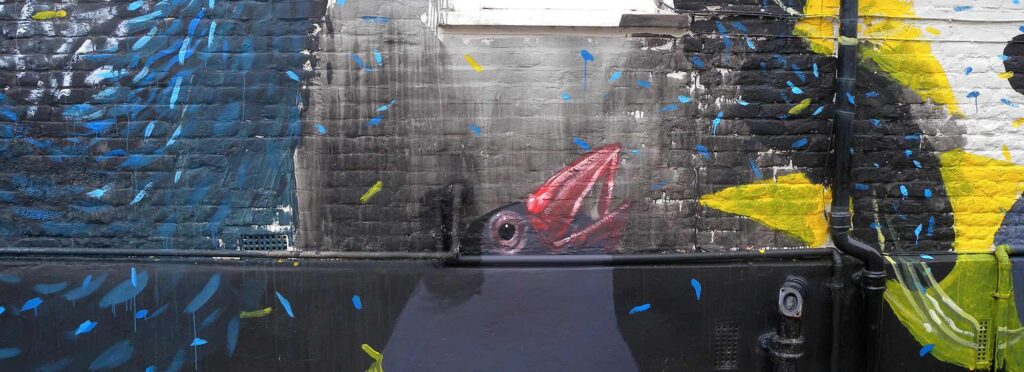
Another year at Draw the Line festival…thanks to Mr.Roccia, Cesira the goose, and Associati Malatesta
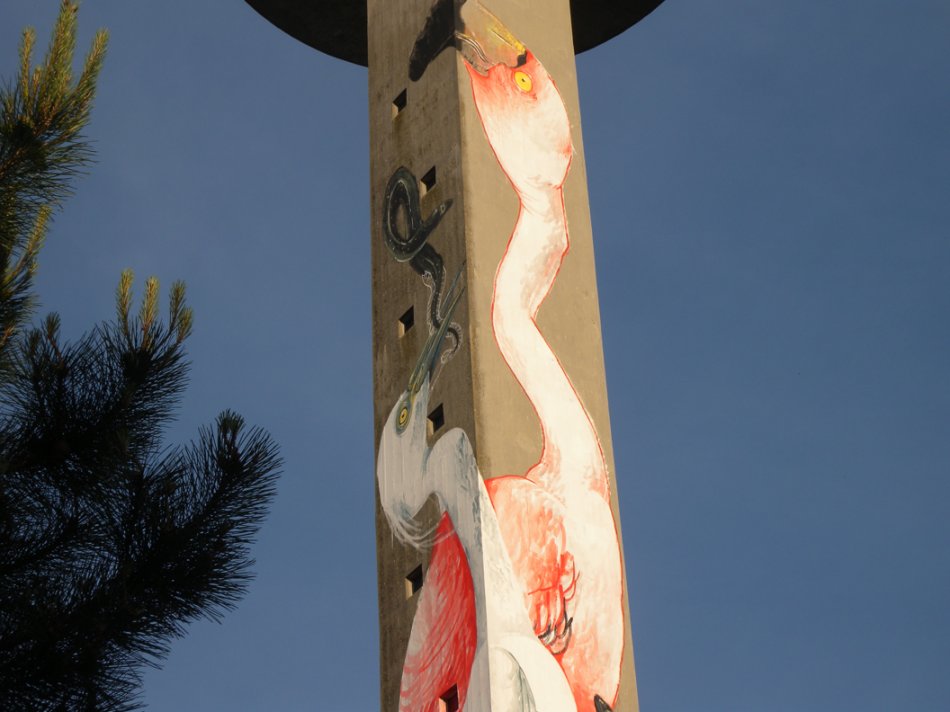
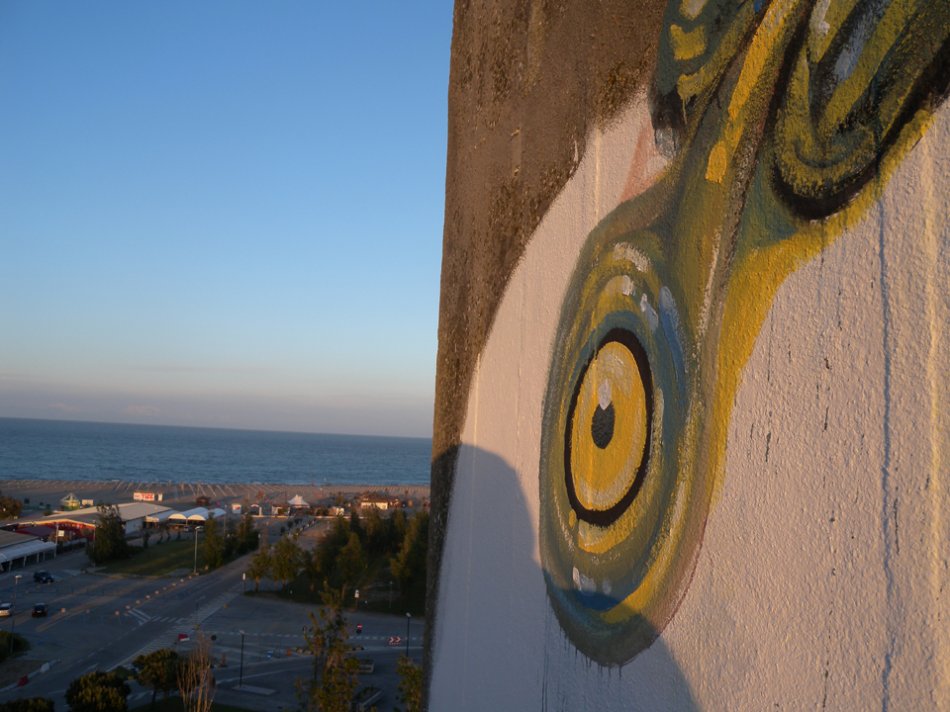
Rosolina Mare (2013)
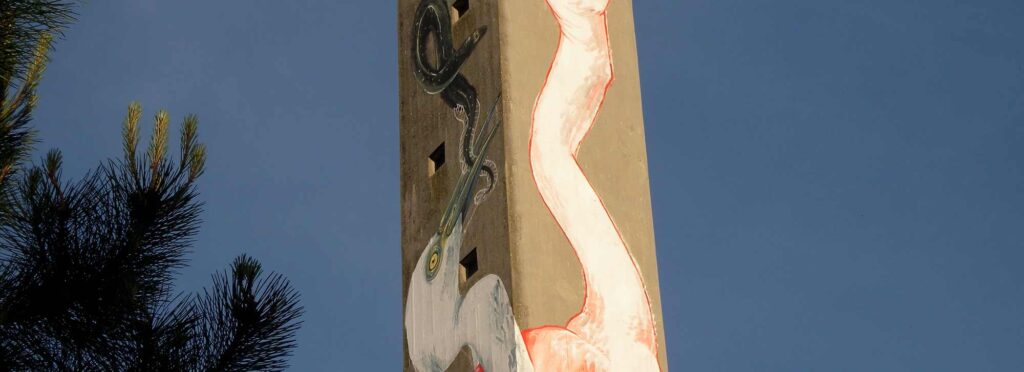
graffito
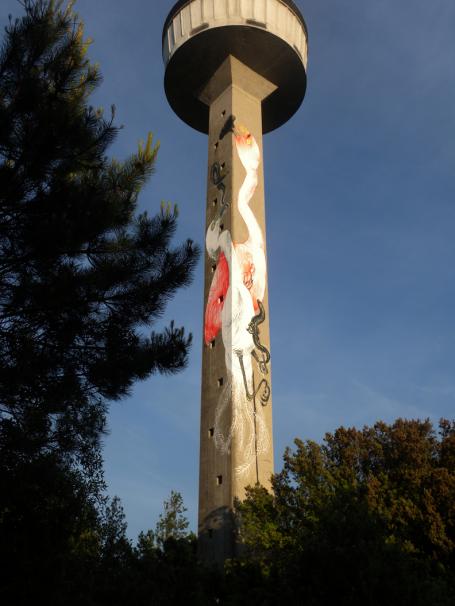
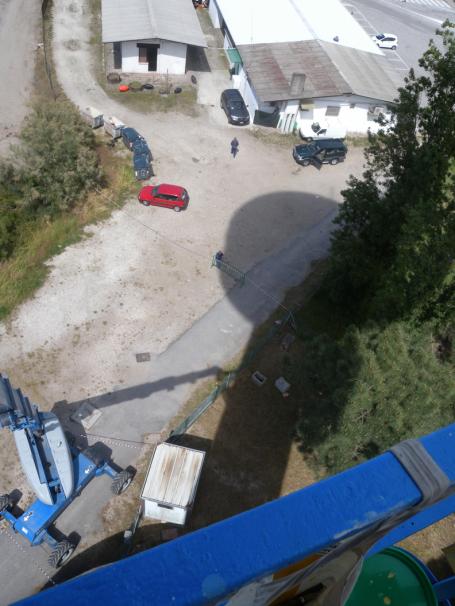
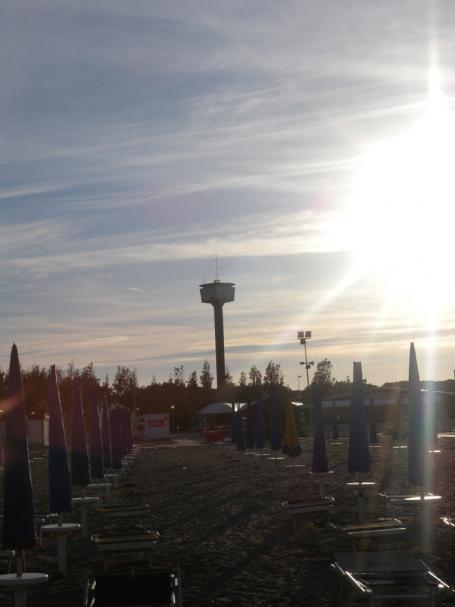
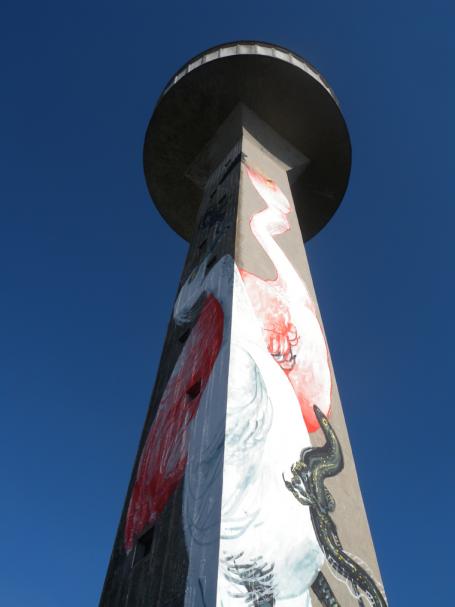
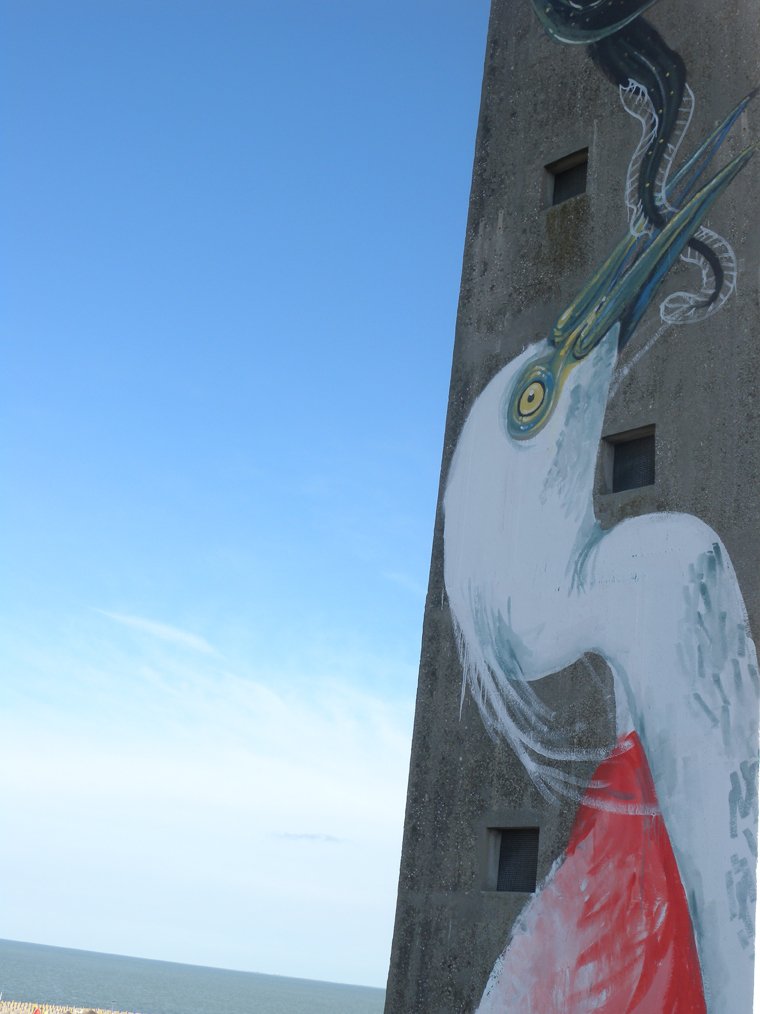
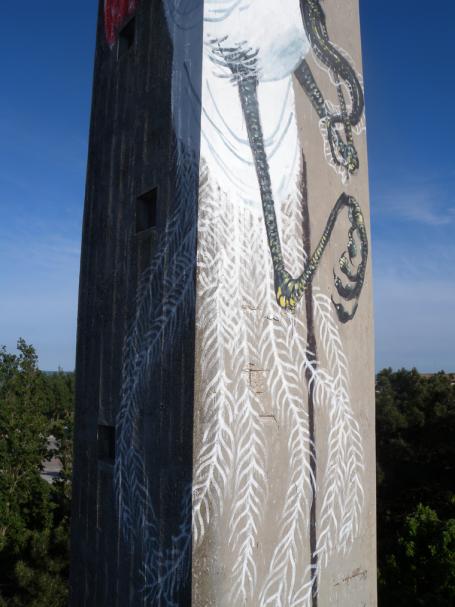
A 40meters WaterTower in Rosolina Mare, for Deltarte festival
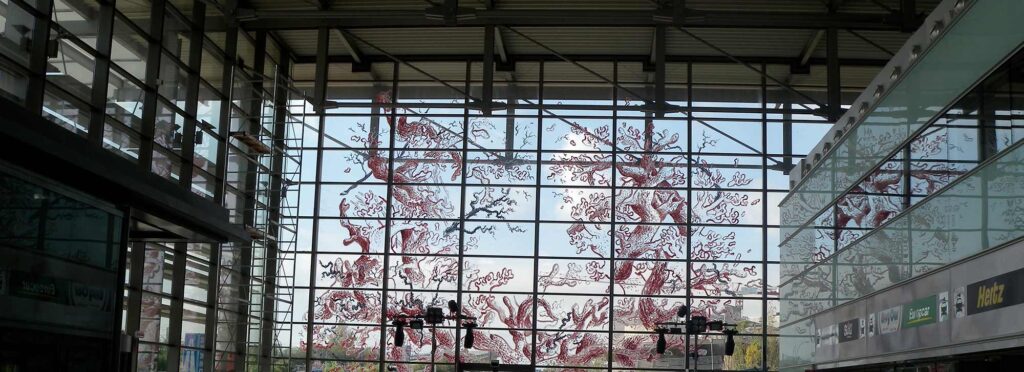
Il Nido.Falconara marittima
graffito (2013)
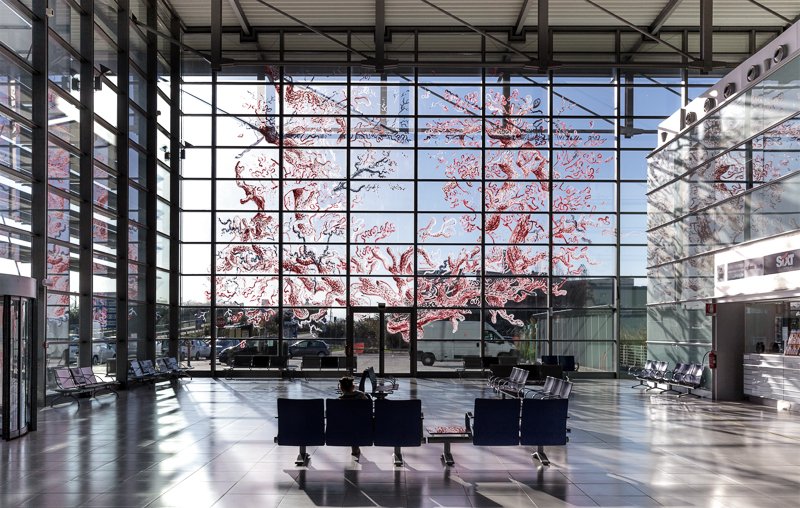
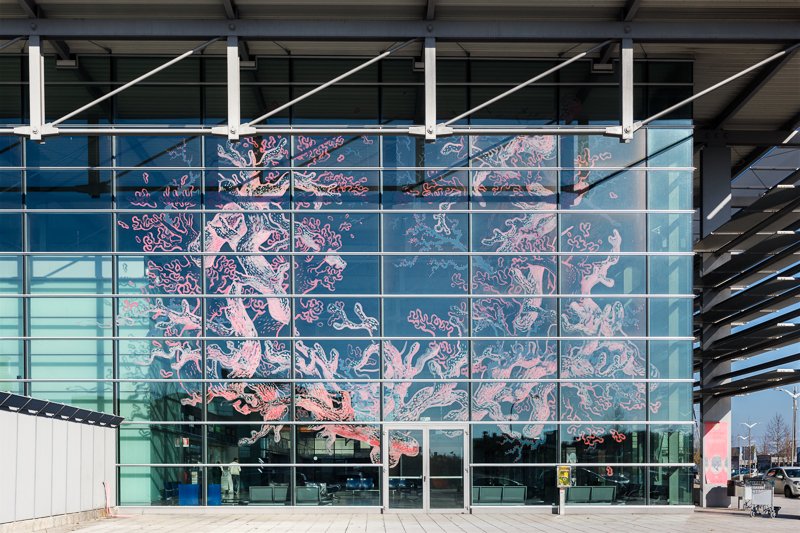
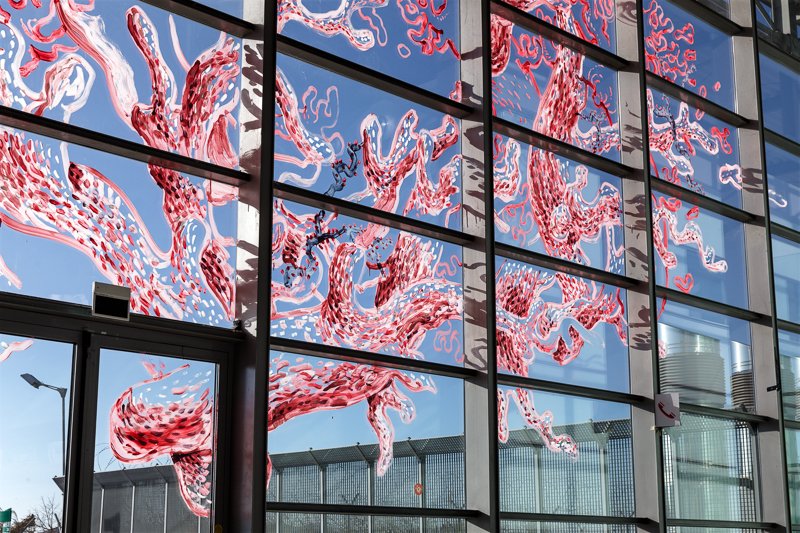
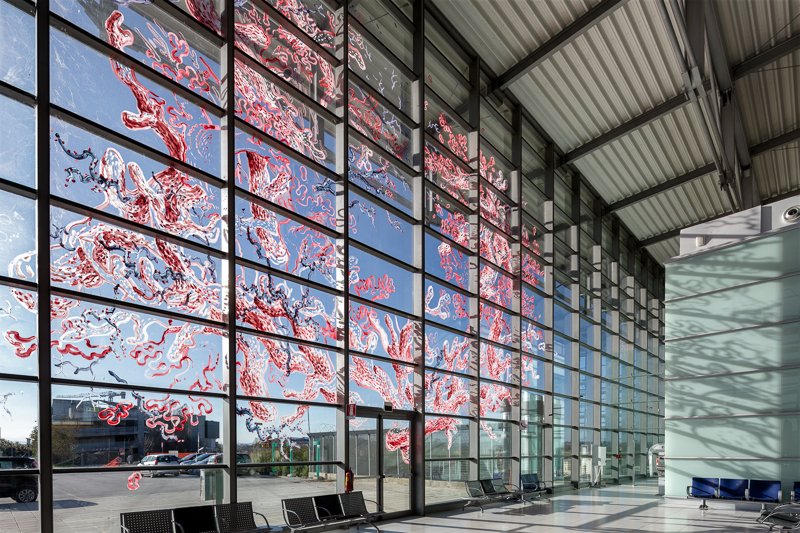
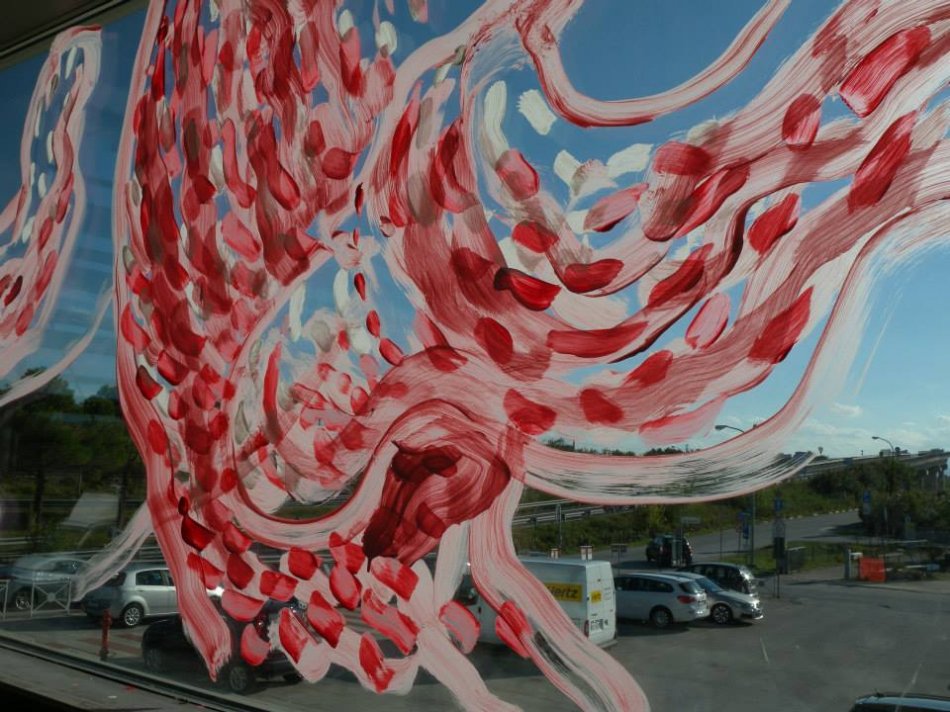
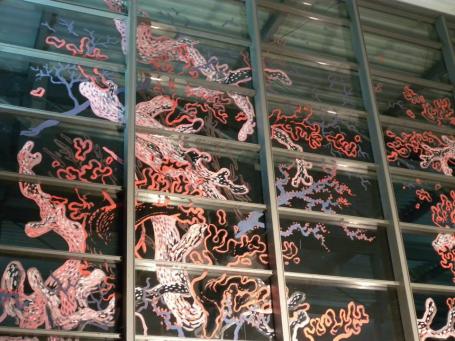
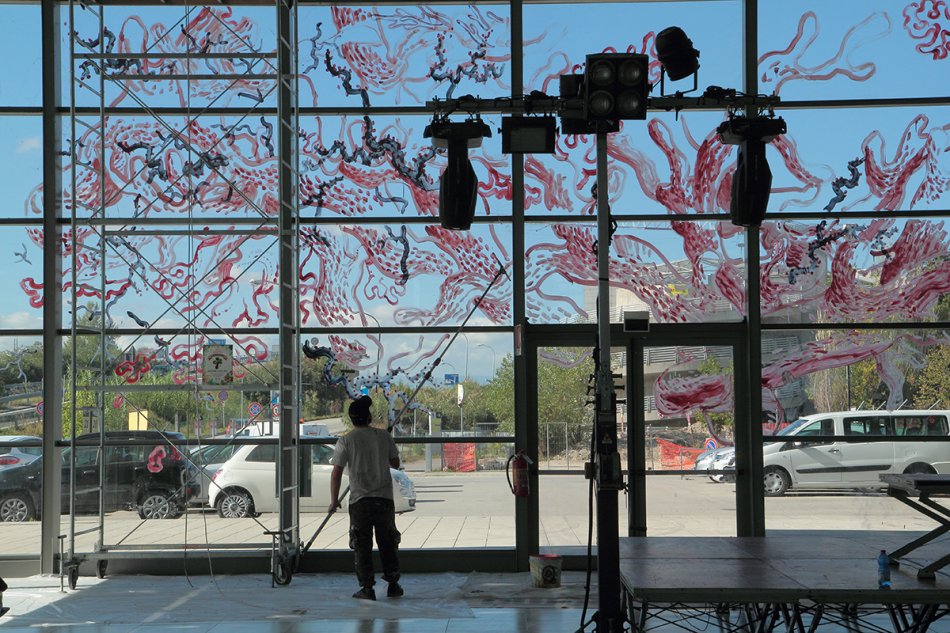
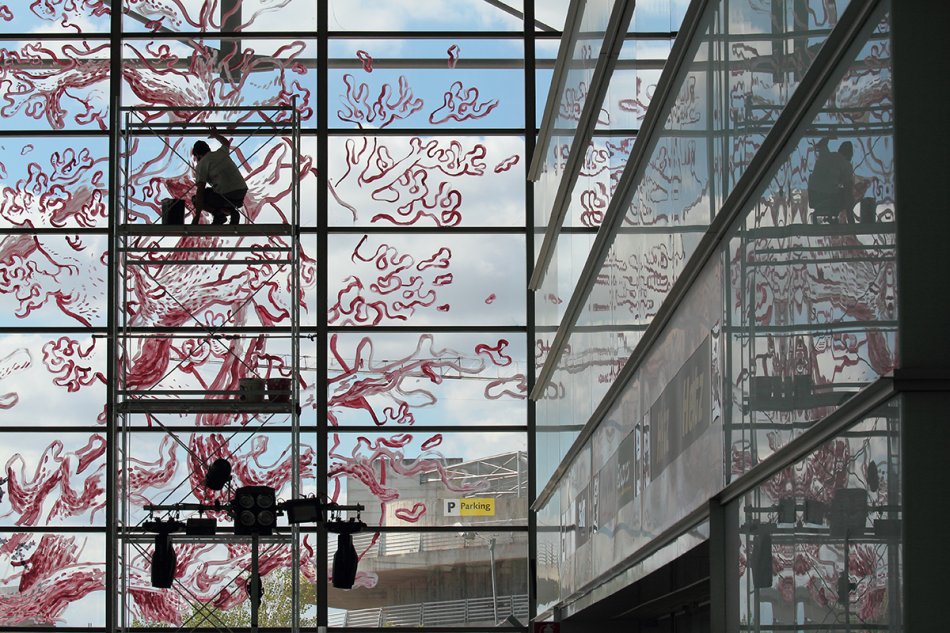
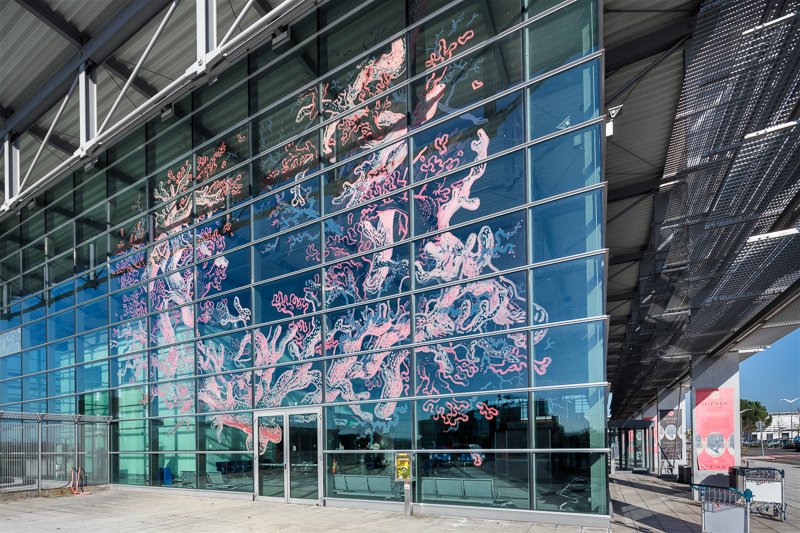
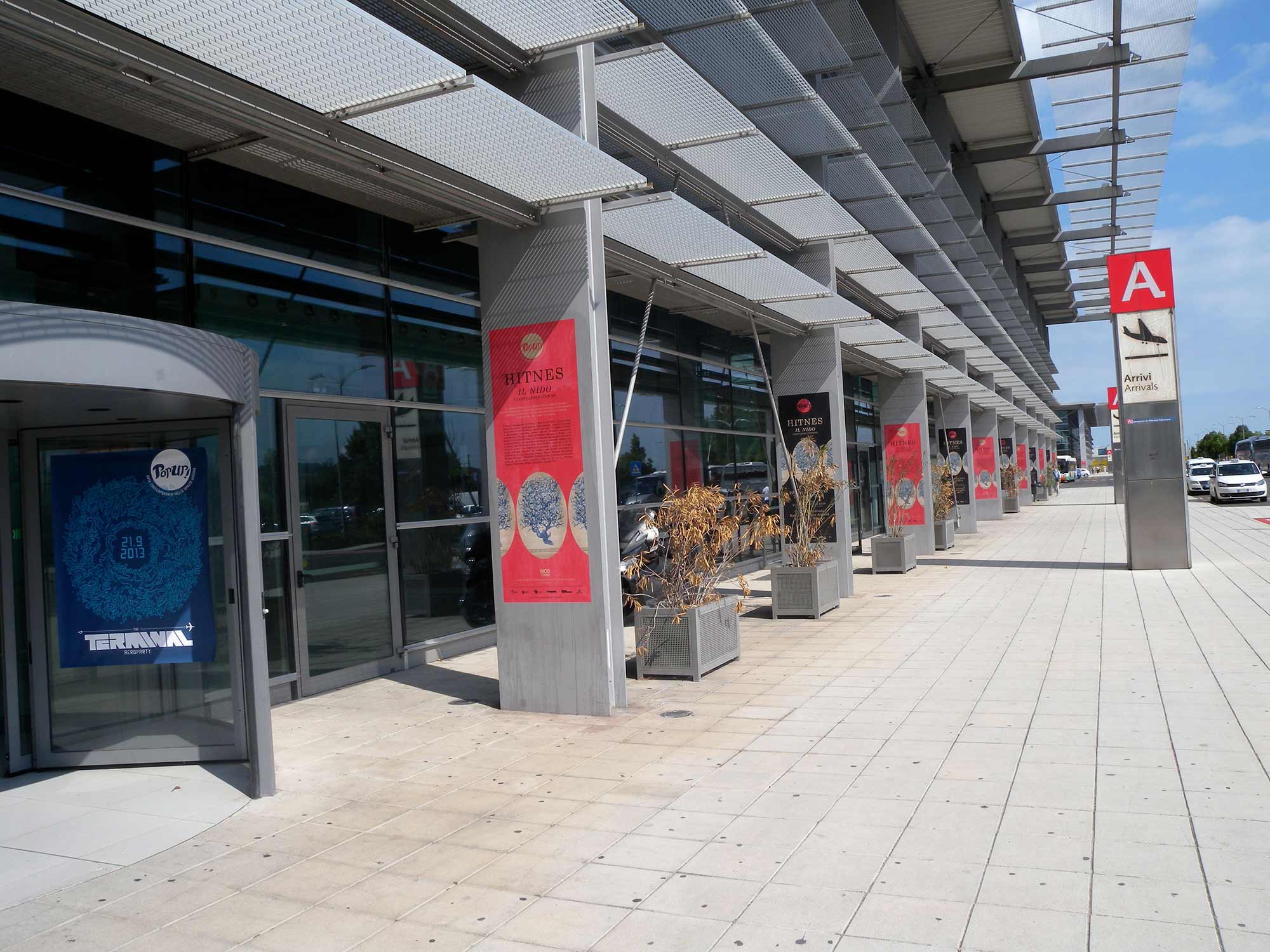
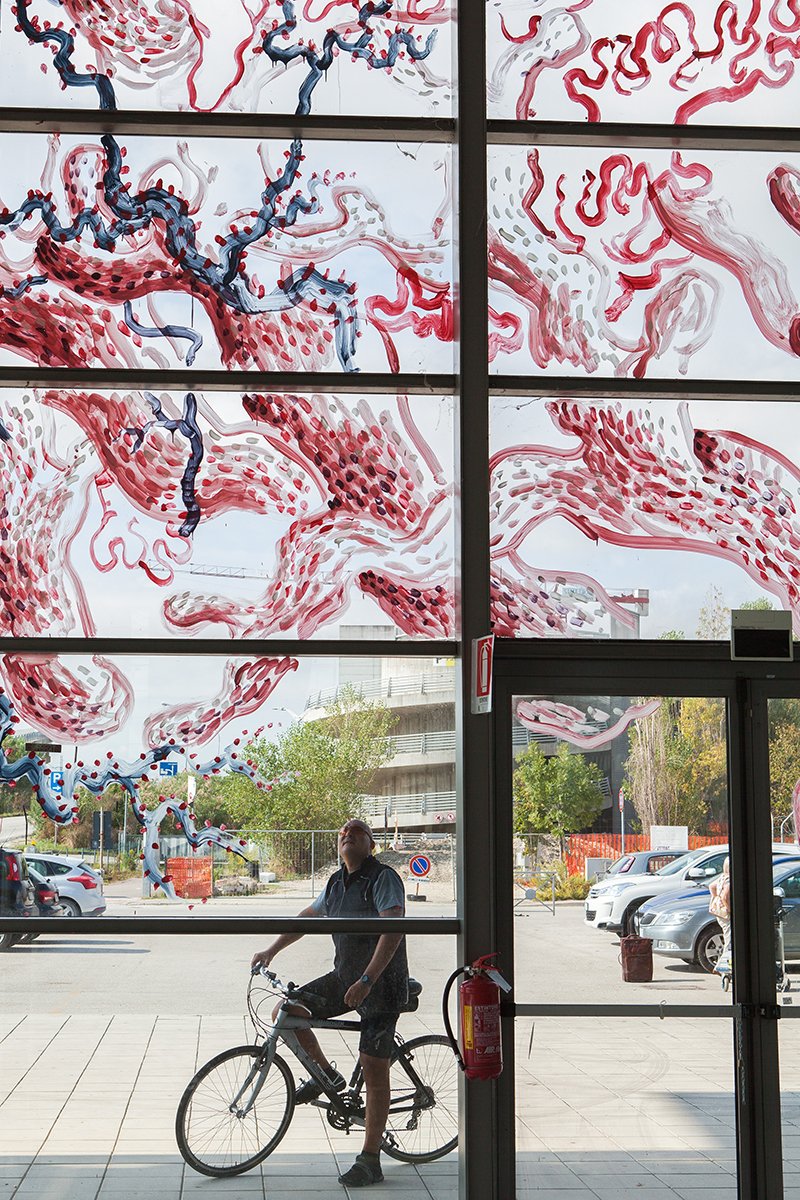
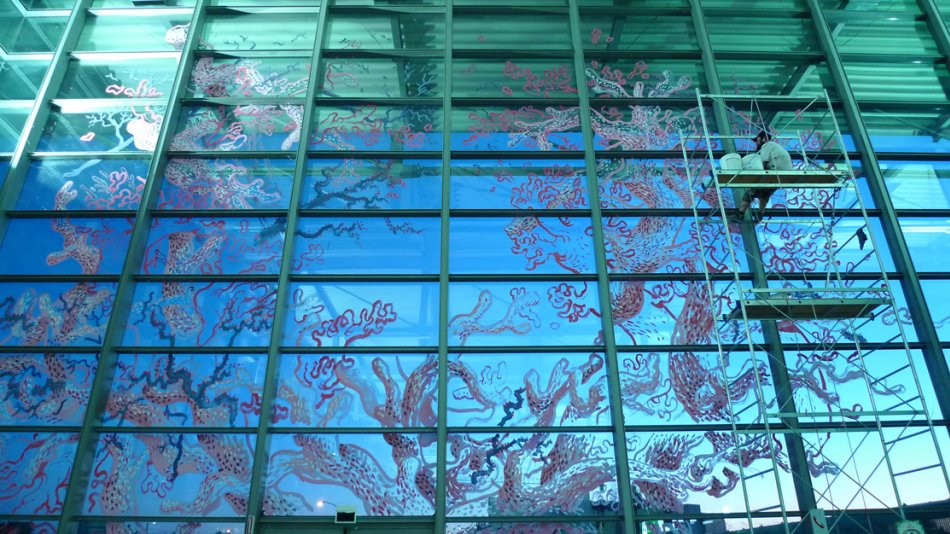
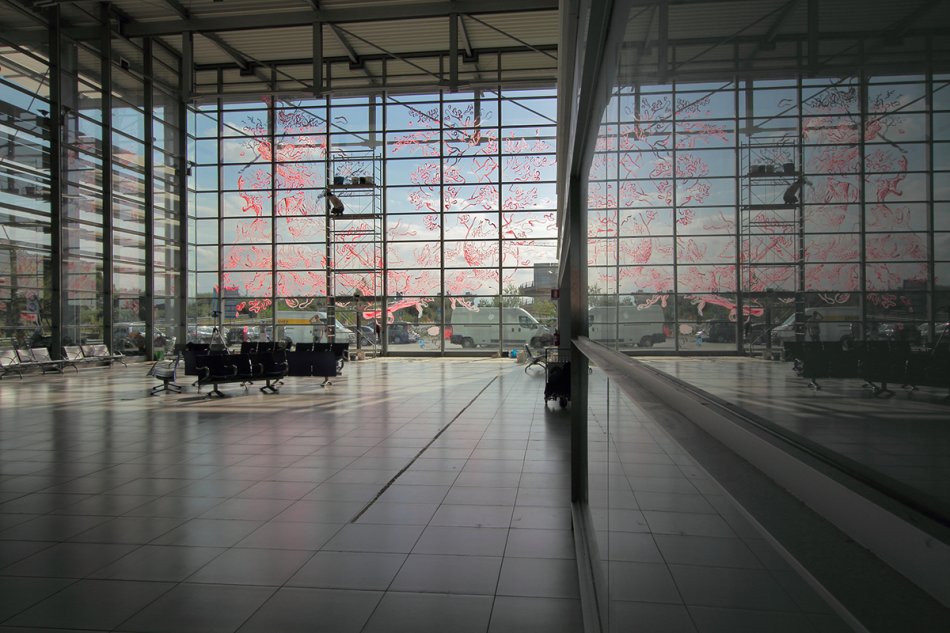
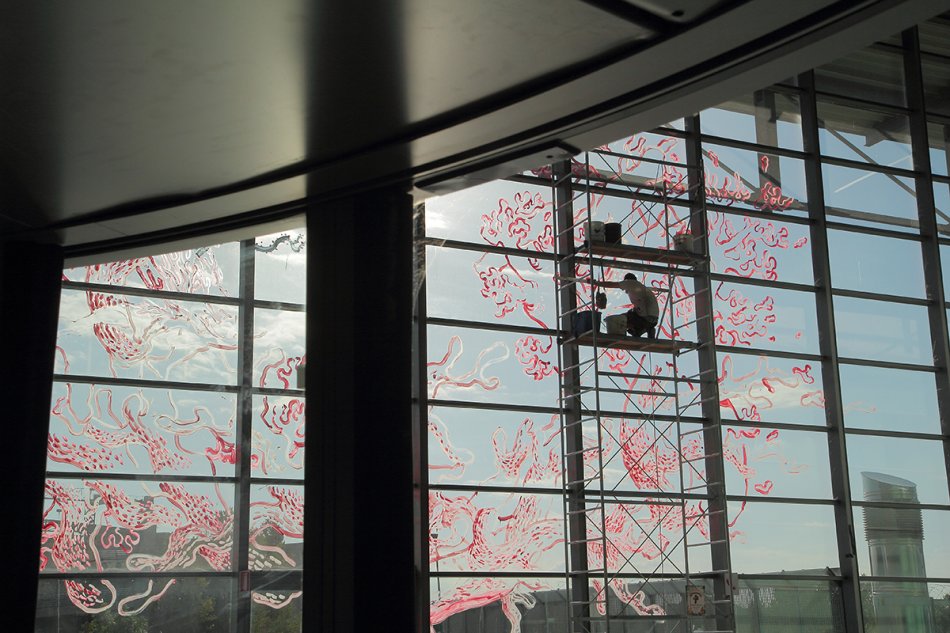
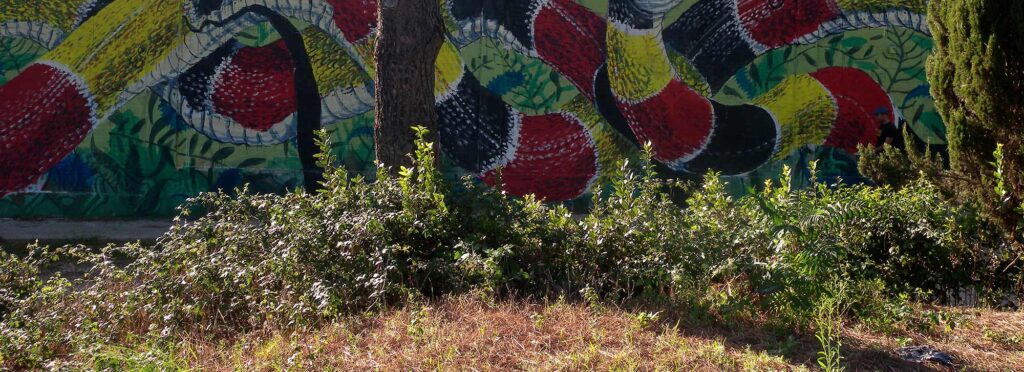
“Il Nido” (the nest) is a glass painting project at the Ancona’s airport Raffaello Sanzio, in Falconara marittima, for the POPUP! festival 2013 thanks to MAC.
Painted with natural colors on the glasses of the “arrivals hall” now the painting is departed.